
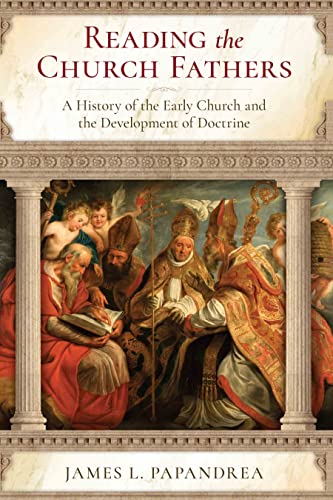
Reading the Church Fathers: A Review
As I was reading Reading the Church Fathers: A History of the Early Church and the Development of Doctrine, a brand new magnum opus by scholar James L. Papandrea, I wondered whether the author might be Catholic. At first I was not sure, but the book seemed written from such a perspective. It was not until I read on the penultimate page that Dr. Papanadrea is currently on faculty at Garrett-Evangelical Theological Seminary, and wondered whether they would hire a ‘papist’. But, lo and behold, a few clicks here and there, and I discovered that Dr. Papandrea is a convert to Catholicism from Methodism, and has been featured on EWTN’s ‘Coming Home’ show. His work certainly evinces a deep knowledge, appreciation, even love, of Tradition, the Fathers, the mystery of the early Church, and the life, worship and even sufferings of her members.
All in all, Reading the Church Fathers is a welcome addition to the Christian intellectual treasury, compiling in an easy-to-read, yet very scholarly, format an overview of the first centuries of the Church. The focus is on the Fathers, with a summation of their works, and how, in general to read and interpret them. Papandrea wears his deep erudition lightly in his prose, and shines through all the more.
One could learn much from perusing this work, even from the occasional dip into its 442 pages, as time and proclivity permit. It would make a good textbook, or as a helpful supplementary reference for an academic course.
The subject matter begins at the beginning, with an intelligent and thoughtful discussion of God and the Church, and what we mean by those terms. Then, a vibrant and vigorous tour through the Patristic sources begins, from the Apostles, through the post-Apostolic era, and on into the age of the Fathers, from Clement, to Tertullian, Origen, Augustine, the Cappadocians, with each century, and its primary patristic sources, discussed in turn. Sections are short, and easy to read and digest, with helpful summaries and timelines at the end of each chapter. The book covers the primary conciliar era, from Nicaea I (325) to Nicaea II (787), before concluding with an overview of the scholastics, Anselm and Thomas, in particular. Overall, however, this book is a help to appropriating our own Catholic history and foundation.
Not everything is covered. The author discusses only the sacraments of Baptism and Eucharist. The Real Presence is mentioned, along with the Mass as an agape meal, but there is not a lot of emphasis on its nature as a sacrifice. Perhaps he is striving for an ecumenical approach, so that non-Catholics may not be put off. But overall, the Catholic nature of the one, true Church shines through these pages.
We can hope that this work bolsters the faith of Catholics, as they see the contours, the controversies and crises of this Church from the very beginning. What is old is new again! As well, it may lead others, by the grace of the good God, to follow the great Cardinal Newman, who himself delved into the Fathers and the early Church, hoping to find an early Anglicanism, and…well, the rest is history.
Carney’s Amoral Majority
After five defections – euphemistically described as ‘crossing the floor’ – and three by-elections, Mark Carney and his Liberals how have their coveted majority. One wonders what bowls of pottage were offered in back-room deals. In the archaic monarchical system that is the Dominion of Canada, this majority allows the newly-minted Prime Minister to rule[…]Continue reading→

Saint Kateri , Canada’s Protectress
This was the title given to Saint Kateri Tekakwitha, by Pope Benedict XVI, when he canonized her on October 28th, 2012, along with six others, in Saint Peter’ Square (she had been beatified by Pope John Paul II back in 1980). With Saint Joseph as our protector, along with the Canadian martyrs, we seem to[…]Continue reading→
A Tale of Two Benedicts
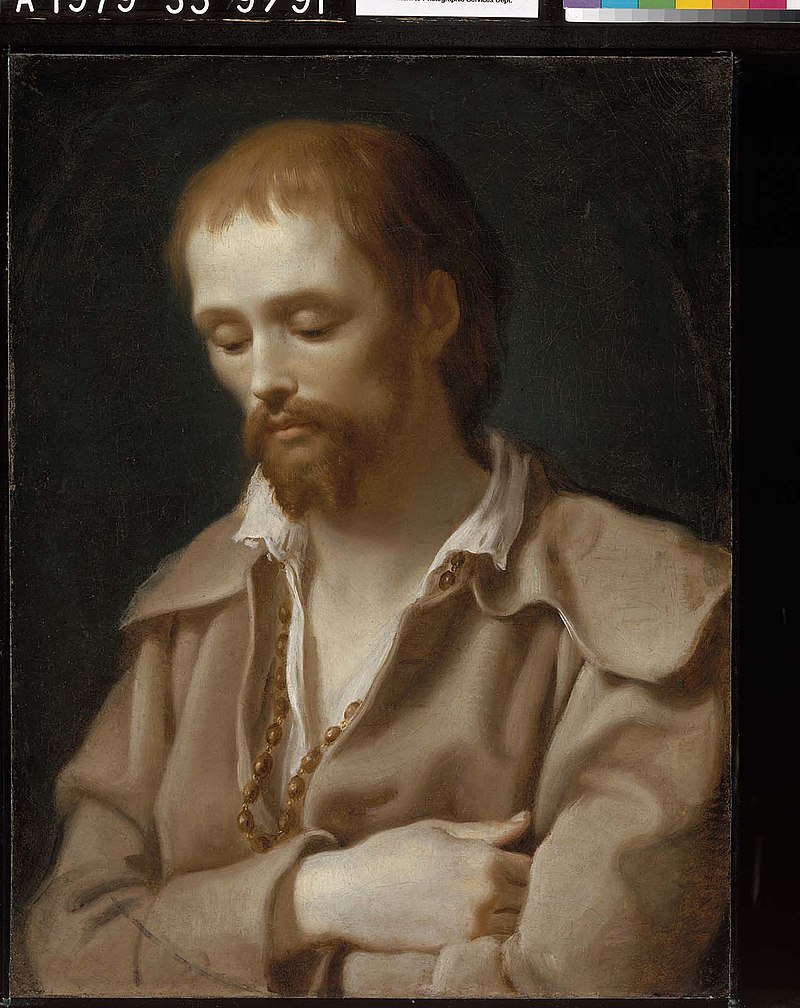
A grace-filled Holy Week to all our readers! As we await and prepare for the Resurrection about to dawn upon us, we might keep in mind two Benedicts: Pope Emeritus Benedict XVI, requiescat in pace, elected on this day in 2005; and today’s commemoration of the mystic pilgrim, Benedict Joseph Labre, who died on this[…]Continue reading→

My Name is Bernadette
April 16th is a propitious day, for besides the anniversary of Father de Valk’s death, who founded Catholic Insight in its print form decades ago, and the commemoration of the ‘two Benedicts’, mentioned in accompanying posts, today we also recall Saint Bernadette Soubirous, the young visionary to whom the Virgin Mary appeared numerous times at[…]Continue reading→
Saint Lydwina of Schiedam and Suffering Joyfully
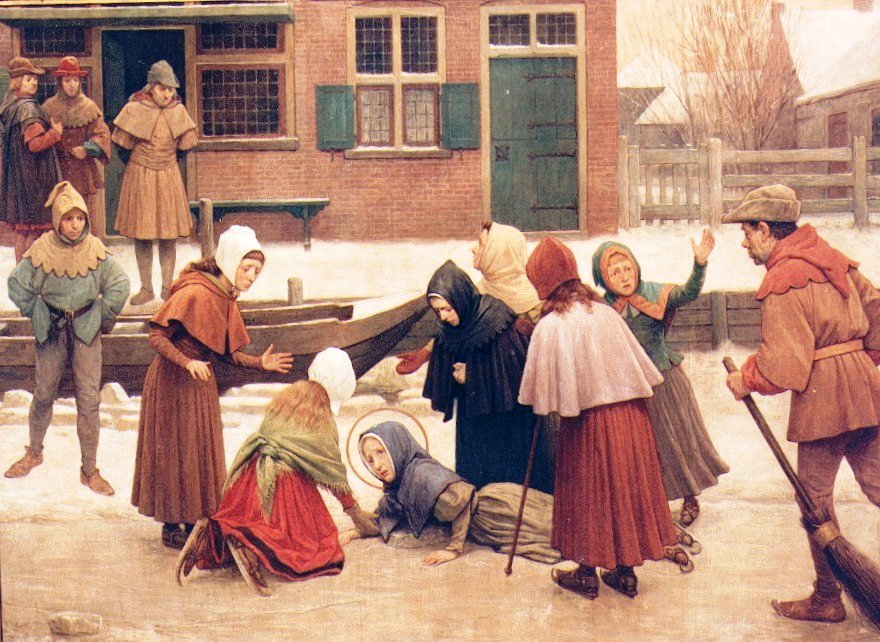
Saint Lydwina of Schiedam (1380 – 1433) was one of the countless and glorious ‘victim souls’ in the history of the Church, those whose lives are filled with suffering, often of an unimaginable intensity, but who suffer joyfully. She was a fifteen-year old Dutch girl, out skating one day, when she fell and broke one[…]Continue reading→
The Glorious Martyrdoms of Martin and Maximus
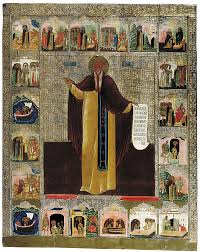
As we enter into Eastertide, we recall on this 13th of April Pope Saint Martin I (+655), one of the noblest, if most tragic, of the successors of Saint Peter. Born in Umbria, Italy, he was of noble lineage, with great intelligence combined with charity and love of the poor and the Church. While still[…]Continue reading→
Saint Gemma Galgani
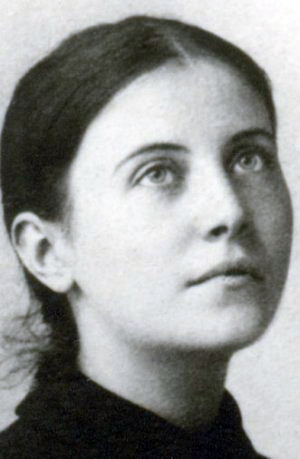
On this April 11th, in 1903 – the same year that the Italian Guiseppe Sarto was elected Pope later that summer as Pius X – a lovely, young Italian woman died, by the name of Gemma Galgani. She lived a brief life of 24 years, as did a number of other young saints, including Pier[…]Continue reading→
An Ideological and Improper Translation
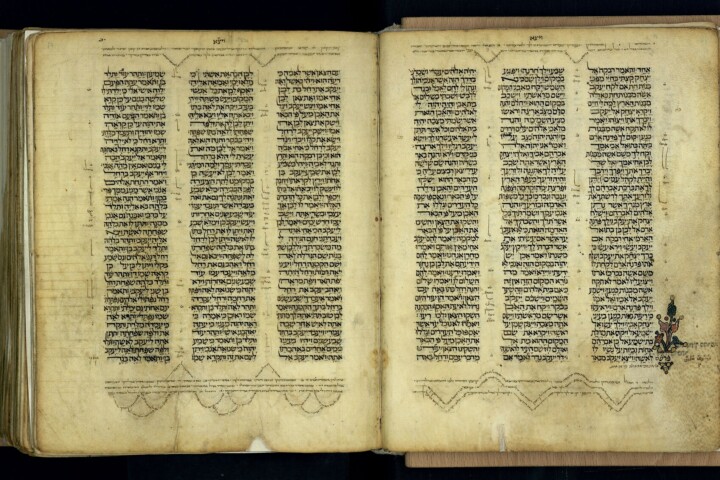
I noticed something odd with the psalm reading at Mass the other day. Our bishops’ conference here in Canada has decreed that the Mass in English – Novus Ordo – use the ‘NRSV’, the ‘New Revised Standard Version’, an ‘updated’ translation of the original RSV, first published in 1952. This ‘new translation’ has the tendency[…]Continue reading→
Saint Jean-Baptiste de la Salle: A Teacher for Teachers
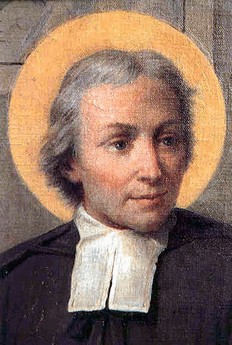
Jean-Baptiste de la Salle (1651 – 1719), a French nobleman, ordained a priest, founded the first order in the Church’s history entirely without priests, and this came about almost by accident. I say ‘almost’, for, of course, there are no accidents with God. Destined for ordination from an early age, Jean-Baptiste never looked back, even[…]Continue reading→
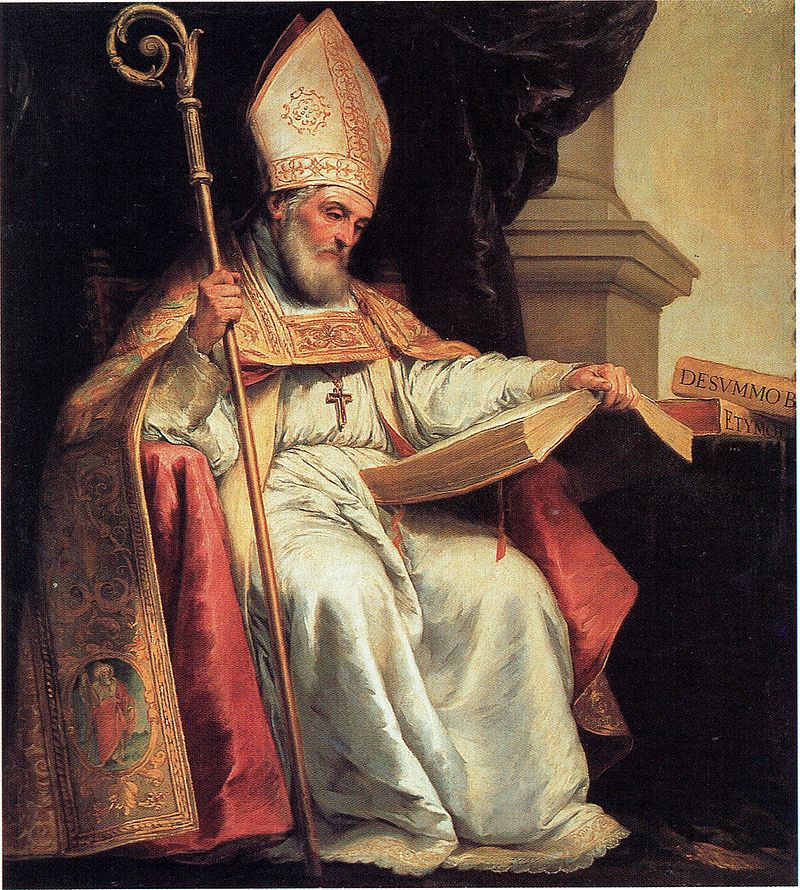
Saint Isidore of Seville, the Internet and Industriousness
Today, April 4th, muted this year by Holy Saturday, is the commemoration of Saint Isidore of Seville (560-636) a bishop and doctor of the Church during a tumultuous age, when civilization was crumbling, coming apart at its very seams, which may sound sort of au courant. Then again, the form of this world has always[…]Continue reading→