
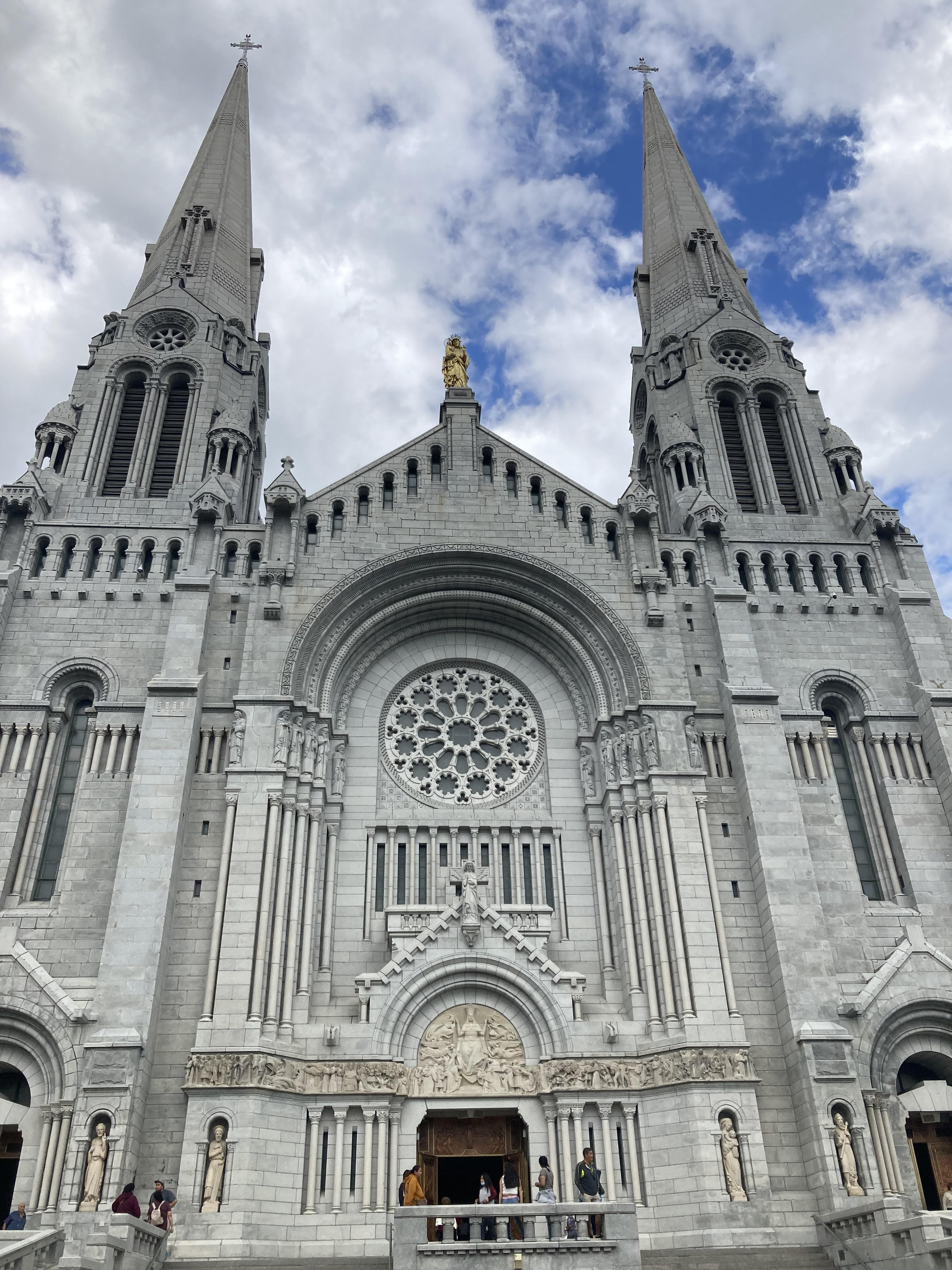
All Saints, All Souls, All Hope
The month of November begins with the celebration of the glorious Feast of All Saints and the sacred liturgy directs our gaze to the Heavenly Jerusalem, our ultimate destiny. We were created by God to share in His glory. If we are unclear, confused or ignorant of our life’s meaning and purpose, today’s Feast removes all doubt.
After this I looked, and there was a great multitude that no one could count from every nation from all tribes and peoples and languages standing before the throne and before the Lamb, robed in white with palm branches in their hands. They cried out in a loud voice ‘Salvation belongs to our God who is seated on the throne and to the Lamb!’ (Rev. 7:9-10).
The Book of the Apocalypse presents us with a vision of the liturgy of Heaven. The great multitude robed in white are they who have come out of the great ordeal; not only the martyrs, but also those countless men women and children who in the course of their earthly life walked the path of devout humility that describes Christian life in its fullness. The Beatitudes which we live enable us to put on the mind and heart of Christ and to conform our lives to His truth and goodness; and in so doing we come to reflect the radiant beauty of Christ our Lord, who reflects the glory of God and bears the very stamp of his nature (Heb. 1:3). What is said of the Son of God by nature, that is His very Being, is said also of us by grace. See what love the Father has given us, that we should be called children of God; and that is what we are (1 Jn. 3:1).
This Feast celebrates that multitude of Saints, some canonized and well known to the Church, bot most known only to those whose lives they nurtured and touched while here on earth: our parents and grandparents, uncles and aunts, husbands and wives, children and friends. It was our privilege to know them. From them we learned to love God and our neighbour. From them we learned the lessons of humility and meekness, the importance of mercy and compassion, of justice and fortitude in the face of persecution.
The Saints whose memory we make during the canon of the Mass are one with us in prayer and in every age, their heroic witness enables us to appreciate and make our own the freshness and relevance of the Gospel. The Beatitudes, the charter as it were of God’s Kingdom. Our union with the Church Triumphant on this wonderful Feast gives us a foretaste of the vision recorded in the Book of Revelation:
After this I looked, and there was a great multitude that no one could count from every nation from all tribes and peoples and languages standing before the throne and before the Lamb, robed in white with palm branches in their hands. They cried out in a loud voice ‘Salvation belongs to our God who is seated on the throne and to the Lamb!’ (Rev. 7:9-10).
Everything that we need to know in order to live a life of meaningful purpose is succinctly expressed in the preface of the Mass: Today we celebrate the festival of your city, the heavenly Jerusalem, our mother, where the great array of our brothers and sisters already gives you eternal praise. Towards her, we eagerly hasten as pilgrims advancing by faith. The Saints whom we venerate and who are for us models of discipleship help us by the example of their holy lives to achieve life’s purpose, our sanctification. Many of these Saints, such as our own St. Marguerite Bourgeoys and St Marguerite d’Youville inspired others to follow them and to continue their inspired works. Most however, led very humble and ordinary lives yet were able to achieve the perfection of charity that defines Christian holiness. The goal of our life is to become as Christ-like as possible; to become ourselves godly, to reflect Our Lord’s truth, goodness and beauty.
St. Paul exhorts us: Set your minds on things that are above, not things that are on earth. For you have died and your life is hidden with Christ in God. When Christ who is our life appears, then you will appear with him in glory (Col. 3:3-4). Those who live for Heaven are the greatest friends of mankind. The lives of the Saints are a clear affirmation of this truth; and the work of the Church in every age is to make Saints of all of us. Yes, this no less the Church’s work and our duty as Catholics even and perhaps especially in our time, as we experience in real time as it were, the struggle between the Church and the anti-church, the Gospel and the anti-gospel, the spirit of Christ and that of the antichrist. This existential struggle is the struggle of our times. Over one hundred years ago, the saintly and courageous Pope St. Pius X, a true father and shepherd was prescient in this warning:
…[there is a] great movement of apostasy being organized in every country for the establishment of a One-World Church which shall have neither dogmas, nor hierarchy, neither discipline for the mind, nor curb for the passions, and which, under the pretext of freedom and human dignity, would bring back to the world (if such a Church could overcome) the reign of legalized cunning and force, and the oppression of the weak, and of all those who toil and suffer. […] Indeed, the true friends of the people are neither revolutionaries, nor innovators: they are traditionalists.
Our future is in Sacred Tradition; grounded and strengthened in the unchanging truth of Jesus Christ. The Saints knew that no other foundation can anyone lay than that which is laid, which is Jesus Christ (1 Cor. 3:11). We who have been deprived of the treasures of Sacred Tradition must jealously guard what we have of it and preserve and cherish it as the sure source of stability in these unstable times. If we wish to persevere in the way of holiness and remain faithful till the very end, then we must trust all the more in the strength that comes from Christ Our Saviour and dedicate ourselves with even greater zeal to the work of faith and labour of love and steadfastness of hope in Our Lord Jesus Christ (1 Thess. 1:4).
Let us ask the Saints to pray for all of us; that we all with unveiled face beholding the glory of the Lord, [may be] changed into his likeness from one degree of glory to another (2 Cor. 3:18). If we make our transformation in Christ our life’s work, nothing we suffer for the defence of the integrity of the faith and the salvation of souls will overwhelm us. No, in all these things we are more than conquerors through him who loved us (Rom. 8:37).
The day that follows this great Feast invites us to be one with the Church Suffering, the Souls in Purgatory. The Commemoration of all the faithful departed or All Souls Day is a yearly occurrence that highlights a daily practice of the Church: the loving remembrance of our faithful departed in the Canon of the Mass. This memory that we keep daily and observe with due solemnity annually, affirms our belief in the Communion of Saints. The dead are alive. Though this may sound paradoxical, it is the truth. November 2nd commemorates all the Holy Souls in Purgatory.
The Church gives the name Purgatory to [the] final purification of the elect… [and] the tradition of the Church by reference to certain texts of Scripture, speaks of a cleansing fire (Catechism of the Catholic Church, 1031).
This doctrine is one of the most consoling of the Church’s teachings. Contrary to the Protestant belief that God immediately assigns a soul either to Heaven or to Hell, the Church teaches us that those who die in God’s friendship though imperfectly purified, undergo purification, so as to achieve the holiness necessary to enter the joy of heaven (Catechism of the Catholic Church, 1030).
The sacred author of the Epistle to the Hebrews exhorts us to strive for peace with all men, and for the holiness without which no one will see the Lord (Heb. 12:14). Peace is the tranquility of order and holiness is the perfection of charity. If we keep this in mind, we can easily understand and appreciate the doctrine of purgatory. In this state of purification the fire of God’s love cleanses our souls of all selfishness and impurity so that in the communion of love that is eternal life, we can return the love of God as generously, unconditionally and unreservedly as He bestows it on us. This is what it means among other things, that in Heaven we shall share in the divine nature and enjoy forever the fullness of God’s glory.
When we die very few of us are completely free of pride, selfishness, grudges, and resentments. For this reason, our prayers, sacrifices, indulgences and almsgiving are of great assistance to the souls of our loved ones who have died and no less to the forgotten souls in Purgatory. Our prayers assist them in this final purification. It is a pious practice to have Masses offered for the Holy Souls especially during this month. These Feasts remind us that by virtue of our baptism and discipleship we have all received a call to holiness. As the French poet Charles Peguy observed, the only tragedy in life is not have become a saint. Let us heed the words of the Apostle Peter: As obedient children, do not be conformed to the passions of your former ignorance, but as he who has called you is holy, be holy yourselves in all your conduct; since it is written, ‘You shall be holy, for I am holy’ (1 Pt. 1:14-16).
By His death on the Cross our Lord has sanctified even our death. There is no stage of our life that He has not sanctified by His presence. So we face death in the knowledge that Christ Our Saviour has gone before us even in this; and so we trust in His promise of eternal life. As we pray for the Holy Souls today and throughout this month which brings to an end our liturgical year, let us affirm our belief in the God of Life who has called us out of darkness into his marvellous light (1 Pt. 2:9). May this light which never fades, this perpetual light, shine upon the souls of all the faithful departed and be for us an aid to a life of order, charity and peace; a life of holiness.

Saint Kateri , Canada’s Protectress
This was the title given to Saint Kateri Tekakwitha, by Pope Benedict XVI, when he canonized her on October 28th, 2012, along with six others, in Saint Peter’ Square (she had been beatified by Pope John Paul II back in 1980). With Saint Joseph as our protector, along with the Canadian martyrs, we seem to[…]Continue reading→

Remembering Father Alphonse de Valk
(Today marks the sixth anniversary of the death of Father Alphonse de Valk, C.S.B., a faithful, courageous and indefatigable Basilian priest, pro-life-and-family apostle, and the founder of Catholic Insight magazine. Here is what we wrote those on his entering into eternity five years ago, as we continue to remember him in our prayers and thoughts)[…]Continue reading→

My Name is Bernadette
April 16th is a propitious day, for besides the anniversary of Father de Valk’s death, who founded Catholic Insight in its print form decades ago, and the commemoration of the ‘two Benedicts’, mentioned in accompanying posts, today we also recall Saint Bernadette Soubirous, the young visionary to whom the Virgin Mary appeared numerous times at[…]Continue reading→

Canonizing Sister Faustina and Divine Mercy
HOMILY OF THE HOLY FATHER MASS IN ST PETER’S SQUARE FOR THE CANONIZATION OF SR MARY FAUSTINA KOWALSKA Sunday, 30 April 2000 1. “Confitemini Domino quoniam bonus, quoniam in saeculum misericordia eius”; “Give thanks to the Lord for he is good; his steadfast love endures for ever” (Ps 118: 1). So the Church sings on the Octave of[…]Continue reading→

Divine Mercy Sunday – An Echo of Every Mass
Reach out your hand and put it in my side. Do not doubt but believe’… ‘My Lord and my God!’ (Jn. 20:18)). Today is Divine Mercy Sunday, and as we celebrate the end of the Easter Octave, we contemplate the wounded side of our Saviour, the Church’s source of life. On Good Friday in the[…]Continue reading→

Saint Stanislaus of Szczepanów
We celebrate Saint Stanislaus today (+ April 11, 1079), in light of this Easter Octave, a bishop and martyr who accepted the episcopacy only at the direct order of Pope Alexander II. He proved a wise and courageous leader of his flock, put to death by his own king, Boleslaus, for rebuking the monarch’s ‘immoral[…]Continue reading→
First Holy Communion: Sermon from May 16, 1943
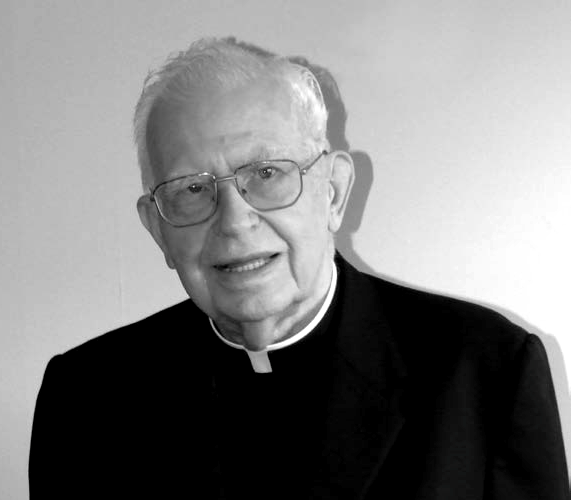
Here is a sermon from the good old days by +Rev. Msgr. Vincent Nicholas Foy (August 14, 1915 – March 13, 2017), from 1943. Readers may recall that Pope Saint Pius X, by the decree Quam Singulari in 1910, lowered the customary age of reception of Holy Communion – after the rigours of the plague[…]Continue reading→
In the Glorious Light of Easter, Alleluia!
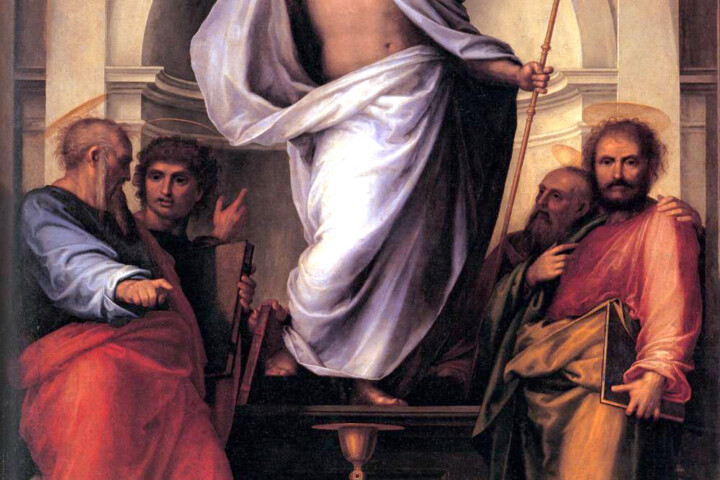
Set your minds on things that are above, not on things that are on earth, for you have died, and your life is hidden with Christ in God. When Christ who is your life is revealed, then you also will be revealed with him in glory (Col. 3:3-4). The Resurrection of Our Lord and Saviour[…]Continue reading→
An Ancient Homily for Holy Saturday
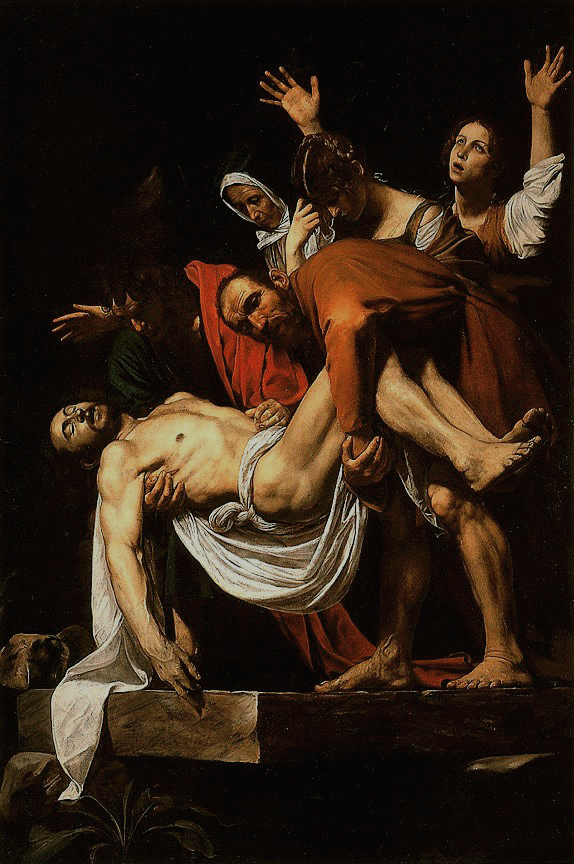
The time between Good Friday and Easter Sunday is one of waiting, in silence, as the world wonders – anticipates – what will happen, after the death of Christ. We re-live this time each year in the anamnesis of our liturgy, and in turn look forward to the glorious re-creation of all things at the[…]Continue reading→
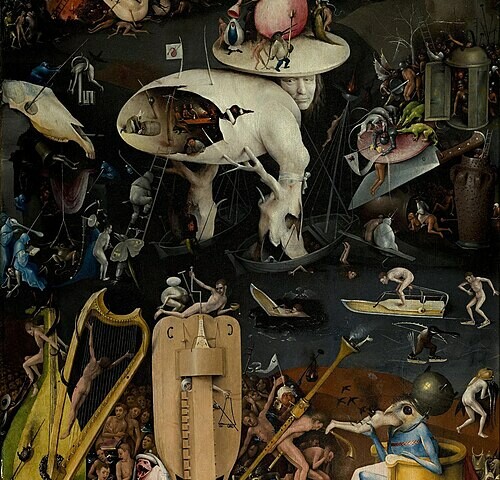
Europe’s Long Descent
(As we meditate on this day on Christ’s burial, and His descent into hell, it is fitting to ponder here with contributor Peter Marcus how the world seems to be heading there as well. The difference is that, although God cannot ‘redeem’ hell, nor those therein, He can and did redeem the world. There is[…]Continue reading→