
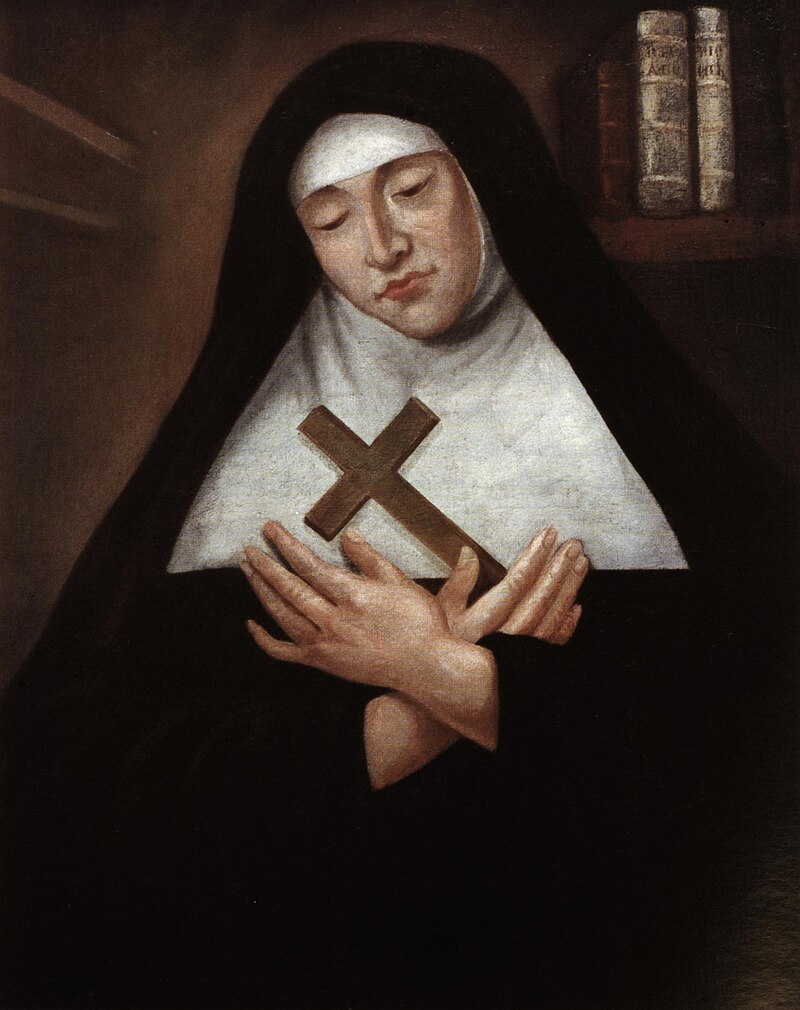
Marie of the Incarnation: A Saint for Canada
Saint Marie of the Incarnation (1599 – 1672) was a mystic and missionary to Canada, contemporaneous with the first settlers of this wild and savage land, along with the Franciscans and Jesuits who brought the Faith. She was born Marie Guyart in 1599, in Tours, France, her father a baker, her mother a homemaker, who had eight children, Marie being the fourth. As a child, she received a vision of Christ, Who asked, ‘Do you wish to belong to me?’, to which Marie replied ‘yes’. After this, she was determined to enter religious life, but her parents had other plans of marriage, to which Marie gave way. She married Claude Martin in 1617, and they had a son named after his father. Claude Senior died a few months later, leaving Marie a bereft 19-year-old widow, so she ended up moving in with her sister and brother-in-law.
It was a few years after the death of her husband, sometime in 1620, that she received a vision of a strange land, covered in fog. As she related:
“I saw at some distance to my left a little church of white marble … the Blessed Virgin was seated. She was holding the Child Jesus on her lap. This place was elevated, and below it lay a majestic and vast country, full of mountains, of valleys, of thick mists which permeated everything except the church … The Blessed Virgin, Mother of God, looked down on this country, as pitiable as it was amazing … it seamed to me that she spoke about this country and about myself and that she had in mind some plan which involved me.
The land, of course, was ‘New France’, and Marie was determined to set forth on the missions. Her desire for religious life returned stronger than ever, and she entered the Ursulines in 1633, taking the name Marie of the Incarnation, leaving her son in the care of her relatives. A long preparation ensued, She eventually set sail with some companions on a ship fittingly named Saint Joseph. Her departure was a painful one, not least leaving behind her son – sword of sorrow, indeed. Claude eventually became a Benedictine monk, with whom she corresponded regularly. Marie arrived at Quebec City on August 1st, 1639, comprised of a total of six houses.
What followed was a life of constant hardship and trials, mixed with joys and consolations, as Marie and her Ursuline companions taught the local French girls, along with the Indigenous, with all the cultural tensions that entailed. Poverty, misunderstanding, isolation, illnesses – especially smallpox, to which the Indigenous had no immunity – but through it all, Sister Marie persevered. She died on this April 30th, 1672, leaving behind a profound legacy of holiness, along with the thousands of letters which provide a window into the early years of the land that would become Canada.
Marie of the Incarnation was beatified by Pope Saint John Paul II on June 22nd, 1980, and canonized equipollently, along with the first bishop of Quebec, Francois de Laval, by Pope Francis on April 2nd, 2014.
Canada, not least in light of our new government, could certainly use her intercession. We may hope that her mystical visions of this fair Dominion mean that God has not abandoned us, even if, like those great saints of old, we have to endure trials and tribulations, to see the fruit of His holy will.
Saint Marie, prie pour nous! +
Carney’s Amoral Majority
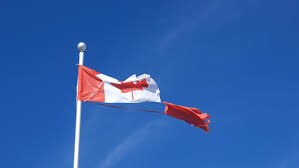
After five defections – euphemistically described as ‘crossing the floor’ – and three by-elections, Mark Carney and his Liberals how have their coveted majority. One wonders what bowls of pottage were offered in back-room deals. In the archaic monarchical system that is the Dominion of Canada, this majority allows the newly-minted Prime Minister to rule[…]Continue reading→

Saint Kateri , Canada’s Protectress
This was the title given to Saint Kateri Tekakwitha, by Pope Benedict XVI, when he canonized her on October 28th, 2012, along with six others, in Saint Peter’ Square (she had been beatified by Pope John Paul II back in 1980). With Saint Joseph as our protector, along with the Canadian martyrs, we seem to[…]Continue reading→
A Tale of Two Benedicts
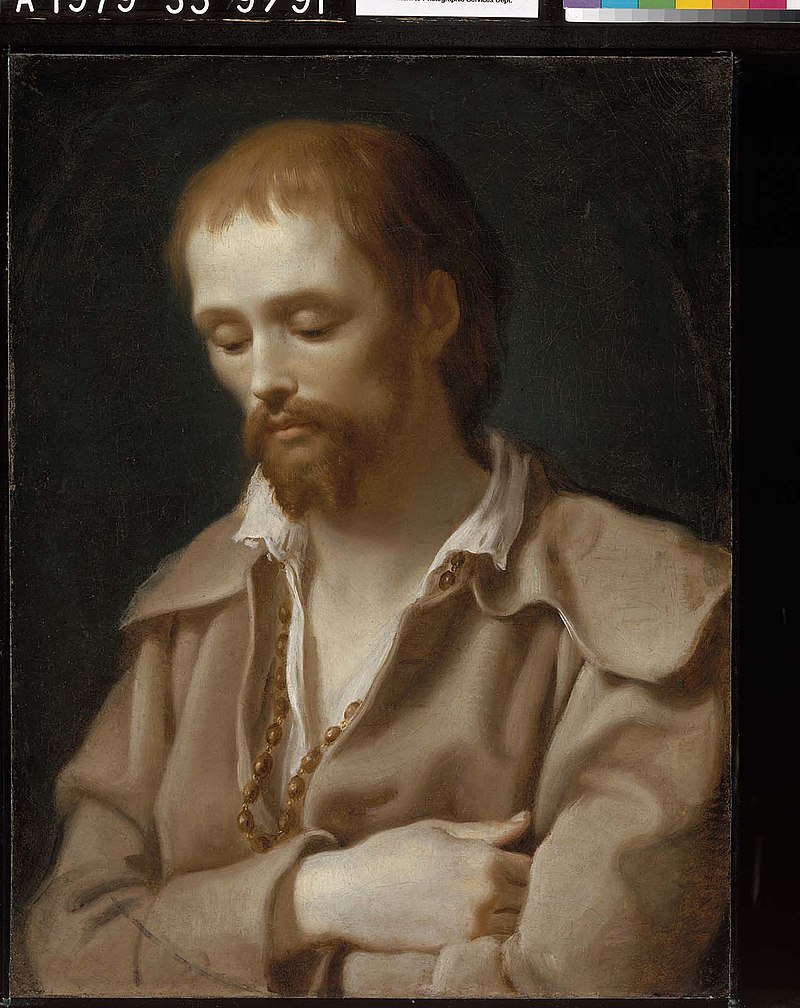
A grace-filled Holy Week to all our readers! As we await and prepare for the Resurrection about to dawn upon us, we might keep in mind two Benedicts: Pope Emeritus Benedict XVI, requiescat in pace, elected on this day in 2005; and today’s commemoration of the mystic pilgrim, Benedict Joseph Labre, who died on this[…]Continue reading→

My Name is Bernadette
April 16th is a propitious day, for besides the anniversary of Father de Valk’s death, who founded Catholic Insight in its print form decades ago, and the commemoration of the ‘two Benedicts’, mentioned in accompanying posts, today we also recall Saint Bernadette Soubirous, the young visionary to whom the Virgin Mary appeared numerous times at[…]Continue reading→
Saint Lydwina of Schiedam and Suffering Joyfully
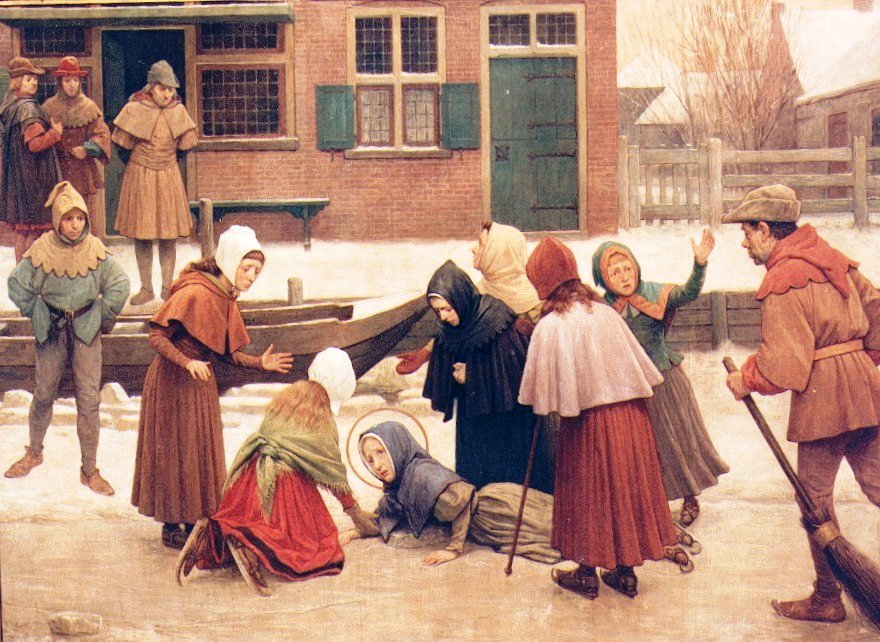
Saint Lydwina of Schiedam (1380 – 1433) was one of the countless and glorious ‘victim souls’ in the history of the Church, those whose lives are filled with suffering, often of an unimaginable intensity, but who suffer joyfully. She was a fifteen-year old Dutch girl, out skating one day, when she fell and broke one[…]Continue reading→
The Glorious Martyrdoms of Martin and Maximus
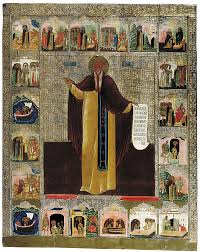
As we enter into Eastertide, we recall on this 13th of April Pope Saint Martin I (+655), one of the noblest, if most tragic, of the successors of Saint Peter. Born in Umbria, Italy, he was of noble lineage, with great intelligence combined with charity and love of the poor and the Church. While still[…]Continue reading→

Saint Stanislaus of Szczepanów
We celebrate Saint Stanislaus today (+ April 11, 1079), in light of this Easter Octave, a bishop and martyr who accepted the episcopacy only at the direct order of Pope Alexander II. He proved a wise and courageous leader of his flock, put to death by his own king, Boleslaus, for rebuking the monarch’s ‘immoral[…]Continue reading→
Saint Gemma Galgani
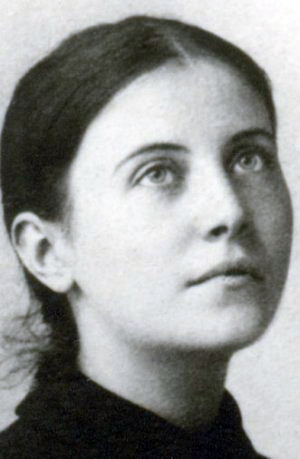
On this April 11th, in 1903 – the same year that the Italian Guiseppe Sarto was elected Pope later that summer as Pius X – a lovely, young Italian woman died, by the name of Gemma Galgani. She lived a brief life of 24 years, as did a number of other young saints, including Pier[…]Continue reading→
An Ideological and Improper Translation
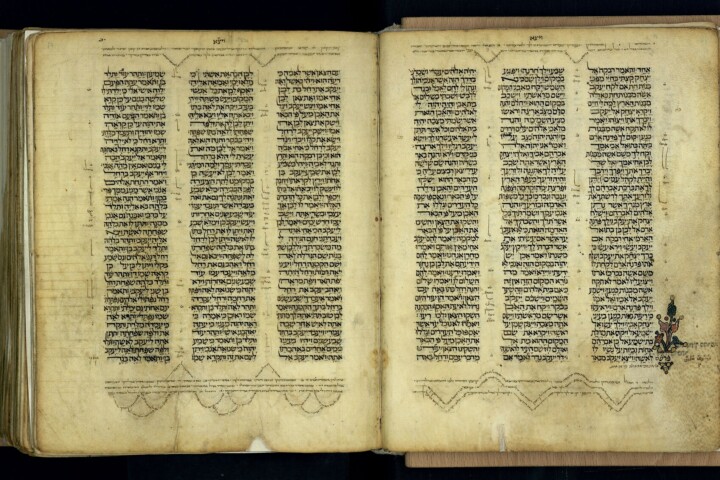
I noticed something odd with the psalm reading at Mass the other day. Our bishops’ conference here in Canada has decreed that the Mass in English – Novus Ordo – use the ‘NRSV’, the ‘New Revised Standard Version’, an ‘updated’ translation of the original RSV, first published in 1952. This ‘new translation’ has the tendency[…]Continue reading→
Saint Jean-Baptiste de la Salle: A Teacher for Teachers
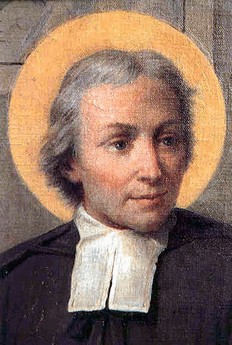
Jean-Baptiste de la Salle (1651 – 1719), a French nobleman, ordained a priest, founded the first order in the Church’s history entirely without priests, and this came about almost by accident. I say ‘almost’, for, of course, there are no accidents with God. Destined for ordination from an early age, Jean-Baptiste never looked back, even[…]Continue reading→