
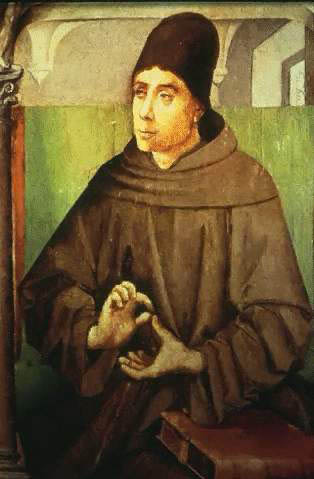
Duns Scotus and Pope Benedict
BENEDICT XVI
GENERAL AUDIENCE
Paul VI Hall
Wednesday, 7 July 2010
John Duns Scotus
Dear Brothers and Sisters,
This morning, after several Catecheses on various great theologians, I would like to present to you another important figure in the history of theology. He is Blessed John Duns Scotus, who lived at the end of the 13th century. An ancient epitaph on his tombstone sums up the geographical coordinates of his biography: “Scotland bore me, England received me, France taught me, Cologne in Germany holds me”. We cannot disregard this information, partly because we know very little about the life of Duns Scotus. He was probably born in 1266 in a village called, precisely, “Duns”, near Edinburgh.
Attracted by the charism of St Francis of Assisi, he entered the Family of the Friars Minor and was ordained a priest in 1291. He was endowed with a brilliant mind and a tendency for speculation which earned him the traditional title of Doctor subtilis, “Subtle Doctor”. Duns Scotus was oriented to the study of philosophy and theology at the famous Universities of Oxford and of Paris. Having successfully completed his training, he embarked on teaching theology at the Universities of Oxford and Cambridge and then of Paris, beginning by commenting, like all the bachelors of theology of his time, on the Sentences of Peter Lombard. Indeed, Duns Scotus’ main works are the mature fruit of these lessons and take the name of the places where he taught: Ordinatio (called in the past Opus Oxoniense – Oxford), Reportatio Cantabrigiensis (Cambridge), Reportata Parisiensia (Paris). One can add to these at least the Quodlibeta (or Quaestiones quodlibetales), a quite important work consisting of 21 questions on various theological subjects. Duns Scotus distanced himself from Paris, after a serious dispute broke out between King Philip IV the Fair and Pope Boniface VIII, rather than sign a document hostile to the Supreme Pontiff as the King requested of all religious, preferring voluntary exile. Thus he left the country, together with the Franciscan Friars, out of love for the See of Peter.
Dear brothers and sisters, this event invites us to remember how often in the history of the Church believers have met with hostility and even suffered persecution for their fidelity and devotion to Christ, to the Church and to the Pope. We all look with admiration at these Christians who teach us to treasure as a precious good faith in Christ and communion with the Successor of Peter, hence with the universal Church.
However, friendly relations between the King of France and the Successor of Boniface VIII were soon restored and in 1305 Duns Scotus was able to return to Paris to lecture on theology with the title of Magister regens [regent master], now we would say “Professor”. Later his Superiors sent him to Cologne as Professor of the Franciscan Studium of Theology, but he died on 8 November 1308 when he was only 43 years old, leaving nevertheless a consistent opus.
(To continue reading, please see here).

Saint Kateri , Canada’s Protectress
This was the title given to Saint Kateri Tekakwitha, by Pope Benedict XVI, when he canonized her on October 28th, 2012, along with six others, in Saint Peter’ Square (she had been beatified by Pope John Paul II back in 1980). With Saint Joseph as our protector, along with the Canadian martyrs, we seem to[…]Continue reading→

Remembering Father Alphonse de Valk
(Today marks the sixth anniversary of the death of Father Alphonse de Valk, C.S.B., a faithful, courageous and indefatigable Basilian priest, pro-life-and-family apostle, and the founder of Catholic Insight magazine. Here is what we wrote those on his entering into eternity five years ago, as we continue to remember him in our prayers and thoughts)[…]Continue reading→
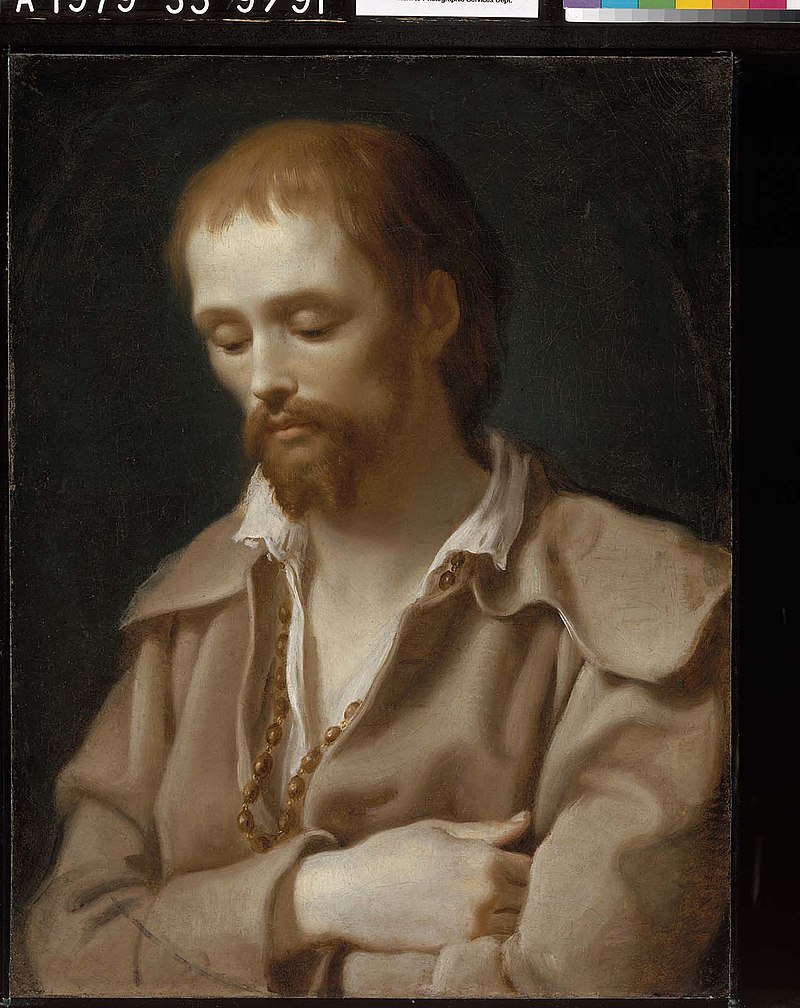
A Tale of Two Benedicts
A grace-filled Holy Week to all our readers! As we await and prepare for the Resurrection about to dawn upon us, we might keep in mind two Benedicts: Pope Emeritus Benedict XVI, requiescat in pace, elected on this day in 2005; and today’s commemoration of the mystic pilgrim, Benedict Joseph Labre, who died on this[…]Continue reading→

My Name is Bernadette
April 16th is a propitious day, for besides the anniversary of Father de Valk’s death, who founded Catholic Insight in its print form decades ago, and the commemoration of the ‘two Benedicts’, mentioned in accompanying posts, today we also recall Saint Bernadette Soubirous, the young visionary to whom the Virgin Mary appeared numerous times at[…]Continue reading→
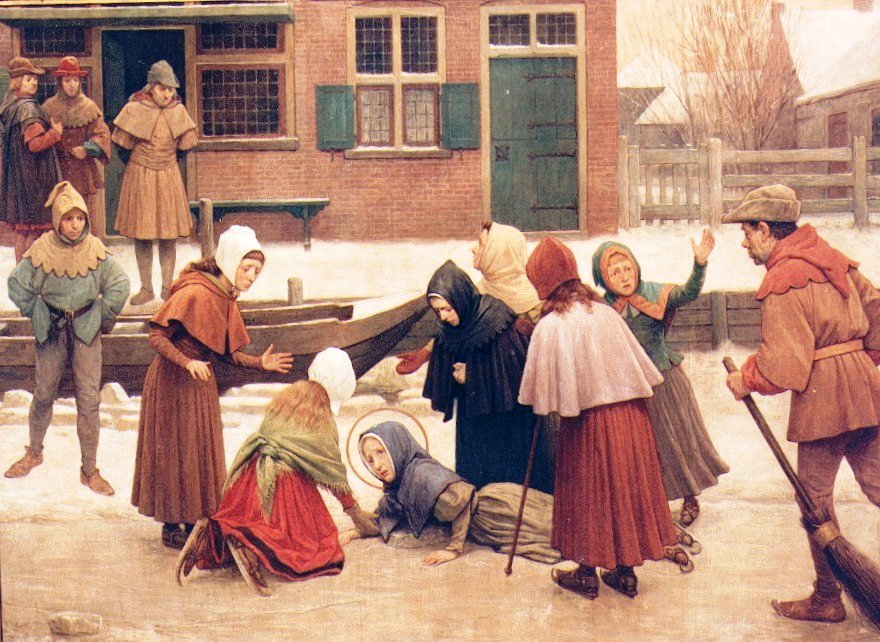
Saint Lydwina of Schiedam and Suffering Joyfully
Saint Lydwina of Schiedam (1380 – 1433) was one of the countless and glorious ‘victim souls’ in the history of the Church, those whose lives are filled with suffering, often of an unimaginable intensity, but who suffer joyfully. She was a fifteen-year old Dutch girl, out skating one day, when she fell and broke one[…]Continue reading→
The Glorious Martyrdoms of Martin and Maximus
As we enter into Eastertide, we recall on this 13th of April Pope Saint Martin I (+655), one of the noblest, if most tragic, of the successors of Saint Peter. Born in Umbria, Italy, he was of noble lineage, with great intelligence combined with charity and love of the poor and the Church. While still[…]Continue reading→

Canonizing Sister Faustina and Divine Mercy
HOMILY OF THE HOLY FATHER MASS IN ST PETER’S SQUARE FOR THE CANONIZATION OF SR MARY FAUSTINA KOWALSKA Sunday, 30 April 2000 1. “Confitemini Domino quoniam bonus, quoniam in saeculum misericordia eius”; “Give thanks to the Lord for he is good; his steadfast love endures for ever” (Ps 118: 1). So the Church sings on the Octave of[…]Continue reading→

Divine Mercy Sunday – An Echo of Every Mass
Reach out your hand and put it in my side. Do not doubt but believe’… ‘My Lord and my God!’ (Jn. 20:18)). Today is Divine Mercy Sunday, and as we celebrate the end of the Easter Octave, we contemplate the wounded side of our Saviour, the Church’s source of life. On Good Friday in the[…]Continue reading→
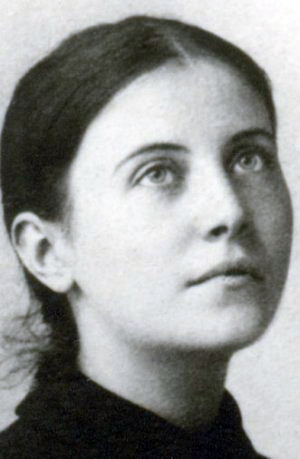
Saint Gemma Galgani
On this April 11th, in 1903 – the same year that the Italian Guiseppe Sarto was elected Pope later that summer as Pius X – a lovely, young Italian woman died, by the name of Gemma Galgani. She lived a brief life of 24 years, as did a number of other young saints, including Pier[…]Continue reading→
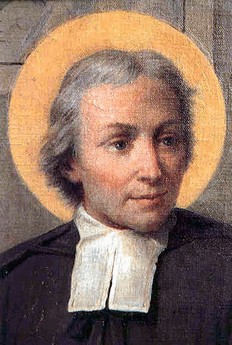
Saint Jean-Baptiste de la Salle: A Teacher for Teachers
Jean-Baptiste de la Salle (1651 – 1719), a French nobleman, ordained a priest, founded the first order in the Church’s history entirely without priests, and this came about almost by accident. I say ‘almost’, for, of course, there are no accidents with God. Destined for ordination from an early age, Jean-Baptiste never looked back, even[…]Continue reading→