
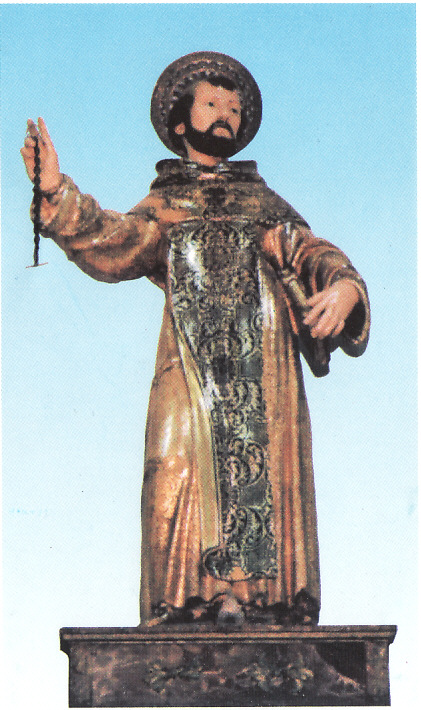
Saint Leonard of Noblac – or Limoges
Not much is known about today’s saint, who, by what accounts we have, died in 559 A.D. And those accounts date only from the 11th century. He was apparently converted under the reign of the first Catholic king of France, Clovis – himself a former pagan, baptized in 508. Leonard was a member of the royal court, and apparently his prayers helped the Queen bear a male child. Leonard was also a disciple of Remigius, bishop of Reims, who gave him the prerogative to visit prisons, and free anyone he deemed should be freed. (He is fittingly the patron of women in childbirth and of prisoners) A later legend claimed that prisoners’ shackles would break just by catching a glimpse of the saintly Leonard. Offered a bishopric, Leonard refused, and instead fled into the wilderness as a hermit, in the region of Limousin. Disciples flocked to him, and he eventually founded the abbey of Noblac, where an eponymous village now stands.
Although somewhat obscure, Saint Leonard of Noblat became one of the most popular saints of the Middle Ages, with 177 (!) churches in England alone named after him. Part of this may rest in the fact that his place of rest is on the route of the Santiago de Compostela. Crusader kings including Richard the Lionheart and Bohemond – visited his tomb, for prayers and thanksgiving. We too may invoke Saint Leonard in the troubles of our own time, as we fact threats not much unlike his own, with the very fate of Europe and Christian civilization hanging in the balance. What one holy soul can do! As Judas Maccabeus says to his fainthearted soldiers in today’s reading from the Office:
It is easy for a great number to be routed by a few; indeed in the sight of heaven deliverance, whether by many or by few, is all one; for victory in war does not depend on the size of the fighting force; it is from heaven that strength comes. They are coming against us in full-blown insolence and lawlessness to destroy us, our wives and our children, and to plunder us; but we are fighting for our lives and our laws, and he will crush them before our eyes; do not be afraid of them
Just so.
Carney’s Amoral Majority
After five defections – euphemistically described as ‘crossing the floor’ – and three by-elections, Mark Carney and his Liberals how have their coveted majority. One wonders what bowls of pottage were offered in back-room deals. In the archaic monarchical system that is the Dominion of Canada, this majority allows the newly-minted Prime Minister to rule[…]Continue reading→

Saint Kateri , Canada’s Protectress
This was the title given to Saint Kateri Tekakwitha, by Pope Benedict XVI, when he canonized her on October 28th, 2012, along with six others, in Saint Peter’ Square (she had been beatified by Pope John Paul II back in 1980). With Saint Joseph as our protector, along with the Canadian martyrs, we seem to[…]Continue reading→
A Tale of Two Benedicts
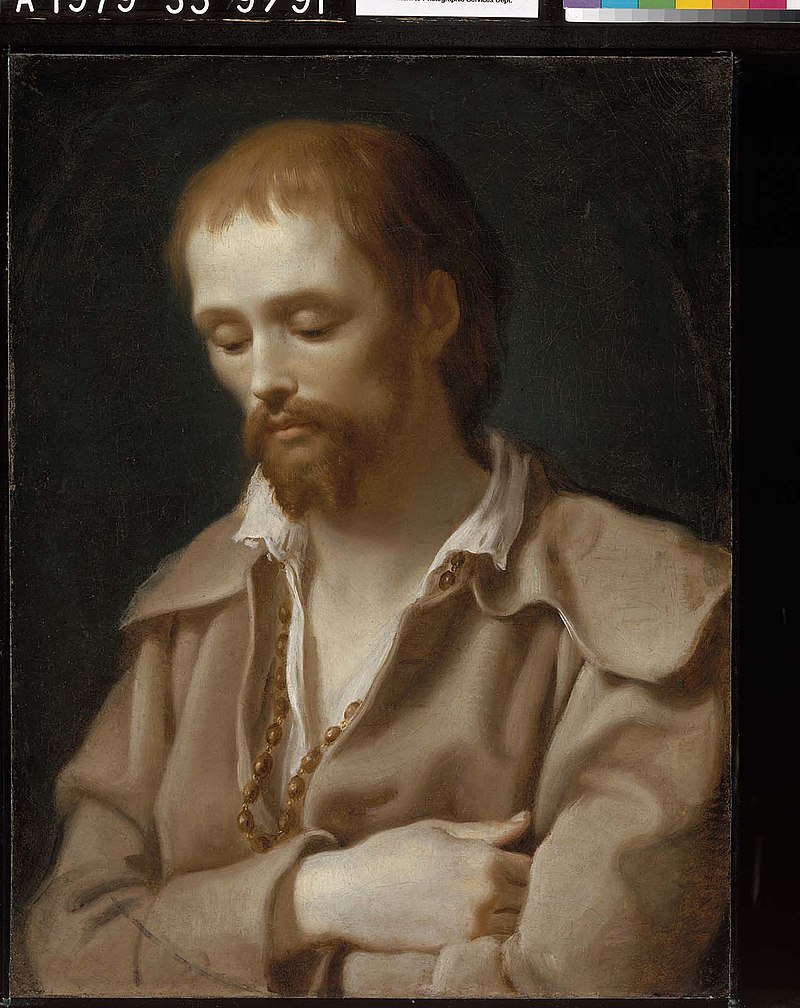
A grace-filled Holy Week to all our readers! As we await and prepare for the Resurrection about to dawn upon us, we might keep in mind two Benedicts: Pope Emeritus Benedict XVI, requiescat in pace, elected on this day in 2005; and today’s commemoration of the mystic pilgrim, Benedict Joseph Labre, who died on this[…]Continue reading→

My Name is Bernadette
April 16th is a propitious day, for besides the anniversary of Father de Valk’s death, who founded Catholic Insight in its print form decades ago, and the commemoration of the ‘two Benedicts’, mentioned in accompanying posts, today we also recall Saint Bernadette Soubirous, the young visionary to whom the Virgin Mary appeared numerous times at[…]Continue reading→
Saint Lydwina of Schiedam and Suffering Joyfully
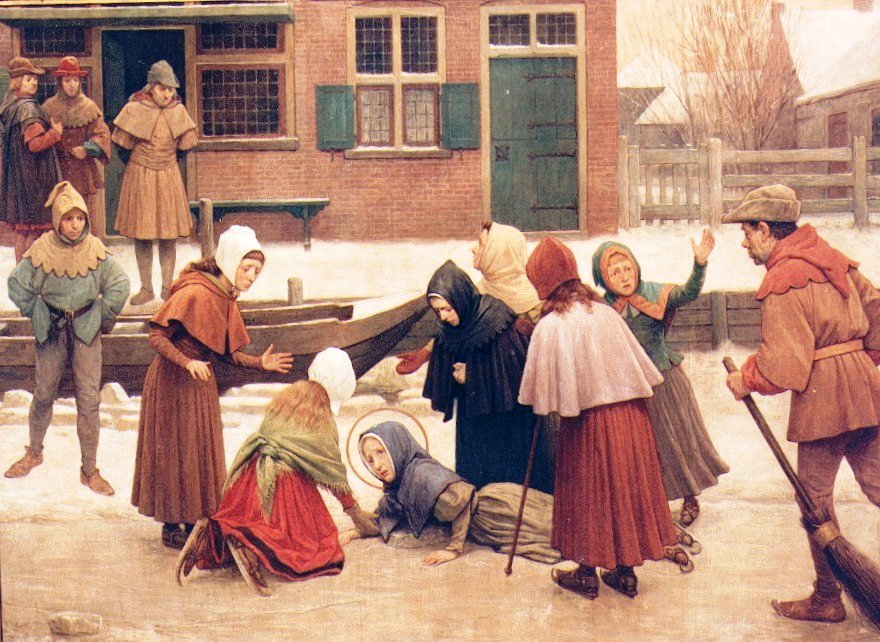
Saint Lydwina of Schiedam (1380 – 1433) was one of the countless and glorious ‘victim souls’ in the history of the Church, those whose lives are filled with suffering, often of an unimaginable intensity, but who suffer joyfully. She was a fifteen-year old Dutch girl, out skating one day, when she fell and broke one[…]Continue reading→
The Glorious Martyrdoms of Martin and Maximus
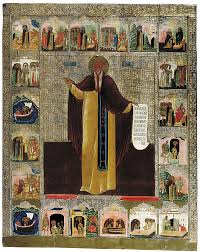
As we enter into Eastertide, we recall on this 13th of April Pope Saint Martin I (+655), one of the noblest, if most tragic, of the successors of Saint Peter. Born in Umbria, Italy, he was of noble lineage, with great intelligence combined with charity and love of the poor and the Church. While still[…]Continue reading→
Canonizing Sister Faustina and Divine Mercy
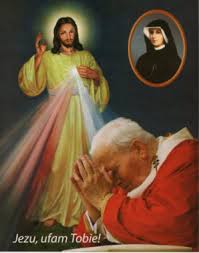
HOMILY OF THE HOLY FATHER MASS IN ST PETER’S SQUARE FOR THE CANONIZATION OF SR MARY FAUSTINA KOWALSKA Sunday, 30 April 2000 1. “Confitemini Domino quoniam bonus, quoniam in saeculum misericordia eius”; “Give thanks to the Lord for he is good; his steadfast love endures for ever” (Ps 118: 1). So the Church sings on the Octave of[…]Continue reading→

Saint Stanislaus of Szczepanów
We celebrate Saint Stanislaus today (+ April 11, 1079), in light of this Easter Octave, a bishop and martyr who accepted the episcopacy only at the direct order of Pope Alexander II. He proved a wise and courageous leader of his flock, put to death by his own king, Boleslaus, for rebuking the monarch’s ‘immoral[…]Continue reading→
Saint Gemma Galgani
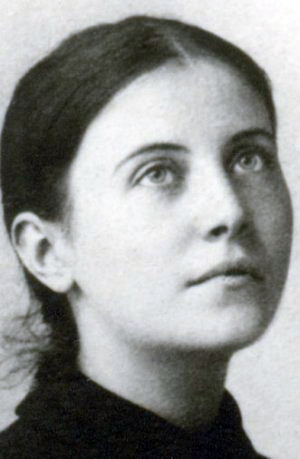
On this April 11th, in 1903 – the same year that the Italian Guiseppe Sarto was elected Pope later that summer as Pius X – a lovely, young Italian woman died, by the name of Gemma Galgani. She lived a brief life of 24 years, as did a number of other young saints, including Pier[…]Continue reading→
An Ideological and Improper Translation
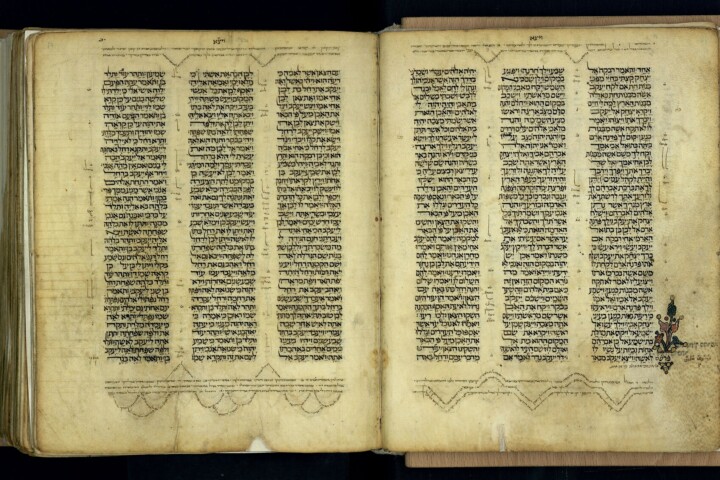
I noticed something odd with the psalm reading at Mass the other day. Our bishops’ conference here in Canada has decreed that the Mass in English – Novus Ordo – use the ‘NRSV’, the ‘New Revised Standard Version’, an ‘updated’ translation of the original RSV, first published in 1952. This ‘new translation’ has the tendency[…]Continue reading→