
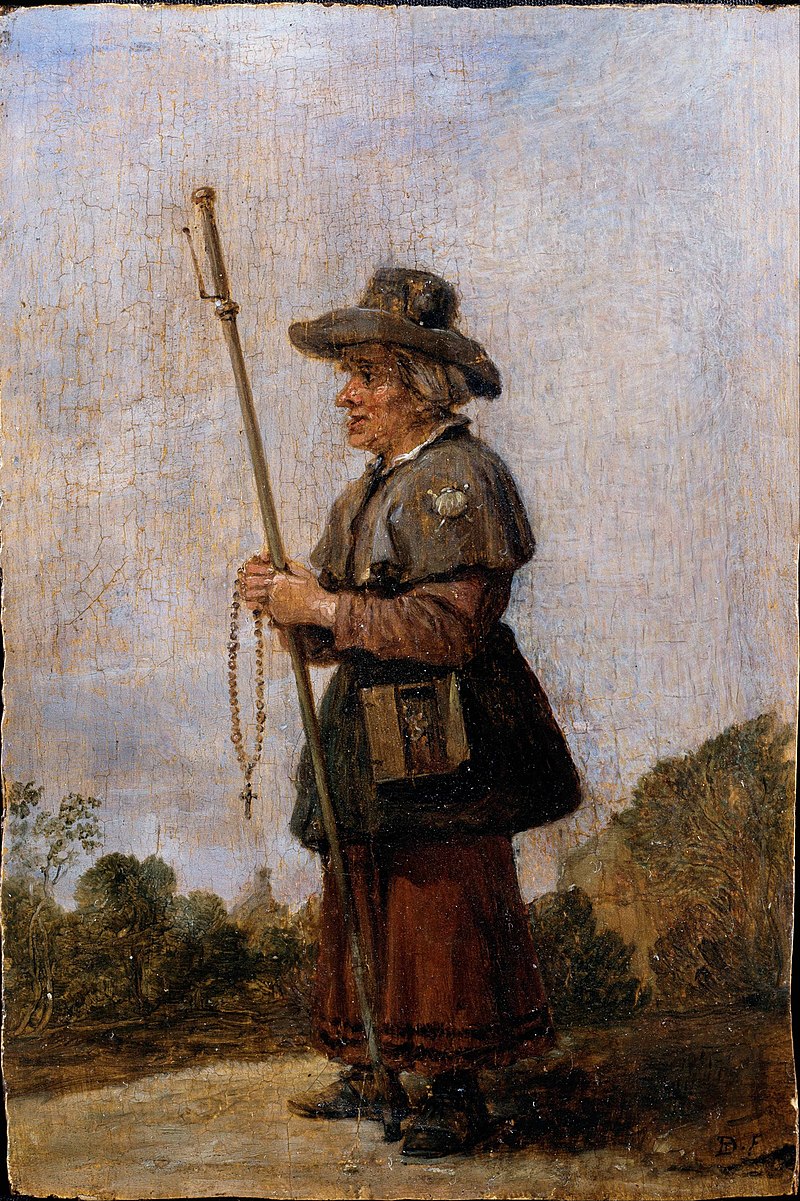
Pilgrimaging at Three Miles an Hour
It seems slow – walking, that is – and, to our modern modes of transport, it is. Bikes can move at about 20 miles per hour; cars, 60; airplanes, 400 or more.
Yet, as Nick Hunt argues – and as partial as I am to bicycles, and my write up another post on the glory of two pedaled wheels – walking is the most human of paces, and the most human form of transportation, involving only our own bodies, their rhythm and musculature; the anatomy of our forebears, their only mode of moving from one place to another, passed onto us, shaped us physiologically, psychologically, even spiritually, over aeons.
That is why walking is the most meditative mode of moving, and a natural and ideal form of pilgrimage, the best for body, and for soul. Strange, then, that Mr. Hunt does not believe in a soul, and presumably, ergo, not in God. What did he think of, or ponder, all those hours, days, weeks of hearing the crunch of his boots? No wonder he felt depressed reaching his destination, for earthly ends are always disappointing, unless placed within a transcendent worldview, that everything here, points to something far greater, there, far beyond the spires even of Hagia Sophia – well, what was once Hagia Sophia.
The same may apply, as the author alludes, to the growing popularity of the Camino in Spain, to Santiago, the shrine of Saint James the Greater. Tens of thousands follow the route, some for the traditional spiritual reasons, others – Swedes in spandex seeking some sort of solace – still quite haven’t found what they’re looking for. (And nothing against Swedes, whom I mainly pick on Swedes for alliterative purposes. I think that, amongst Europeans, it’s mostly Germans in lycra who strive to find themselves on the 500 miles Camino).
For all his lack of belief in a soul or life after death, and whatever he thought about all that time alone, Nick Hunt makes a salient point: That a pilgrimage is not so much about where you go or what you do, but who you are upon your return, and what the journey has done to you.
For a more traditionally reflection on pilgrimaging by foot, there are few better places to look than Hilaire Belloc’s Path to Rome, one of the classics of travel tales, recounting the great man’s quixotic walk from Paris to the Eternal City. There are others, including Benedict Joseph Labre’s life spent wandering through Europe’s shrines, about whom we posted the other day; Thoreau’s own take on walking, or Mark Twain’s, and I did recently peruse an anthology of authors exhorting the benefits of everything from a stroll, to a forced march, which I will send along if I can do so..
Whatever your fancy, or however the Spirit moves you, a journey of a half-mile or a thousand mile adventure, it all begins with one step…
Ambulate et orate! +
Carney’s Amoral Majority
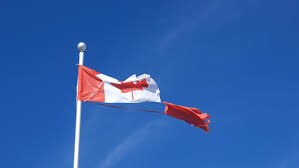
After five defections – euphemistically described as ‘crossing the floor’ – and three by-elections, Mark Carney and his Liberals how have their coveted majority. One wonders what bowls of pottage were offered in back-room deals. In the archaic monarchical system that is the Dominion of Canada, this majority allows the newly-minted Prime Minister to rule[…]Continue reading→

Saint Kateri , Canada’s Protectress
This was the title given to Saint Kateri Tekakwitha, by Pope Benedict XVI, when he canonized her on October 28th, 2012, along with six others, in Saint Peter’ Square (she had been beatified by Pope John Paul II back in 1980). With Saint Joseph as our protector, along with the Canadian martyrs, we seem to[…]Continue reading→
A Tale of Two Benedicts
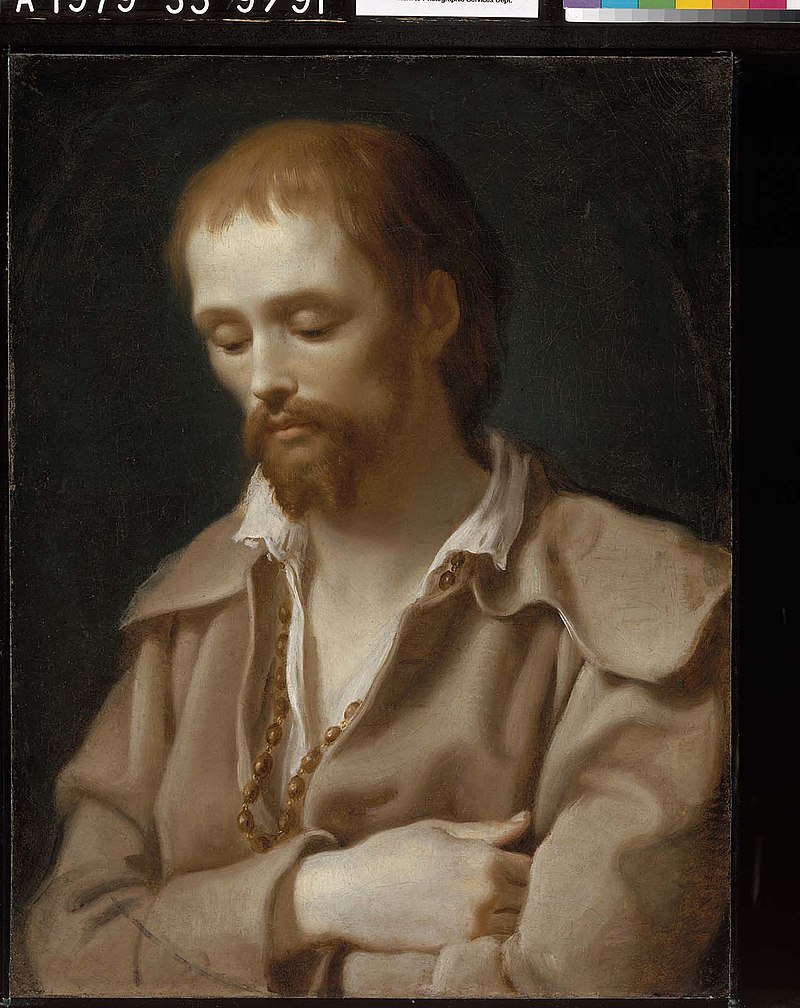
A grace-filled Holy Week to all our readers! As we await and prepare for the Resurrection about to dawn upon us, we might keep in mind two Benedicts: Pope Emeritus Benedict XVI, requiescat in pace, elected on this day in 2005; and today’s commemoration of the mystic pilgrim, Benedict Joseph Labre, who died on this[…]Continue reading→

My Name is Bernadette
April 16th is a propitious day, for besides the anniversary of Father de Valk’s death, who founded Catholic Insight in its print form decades ago, and the commemoration of the ‘two Benedicts’, mentioned in accompanying posts, today we also recall Saint Bernadette Soubirous, the young visionary to whom the Virgin Mary appeared numerous times at[…]Continue reading→
Saint Lydwina of Schiedam and Suffering Joyfully
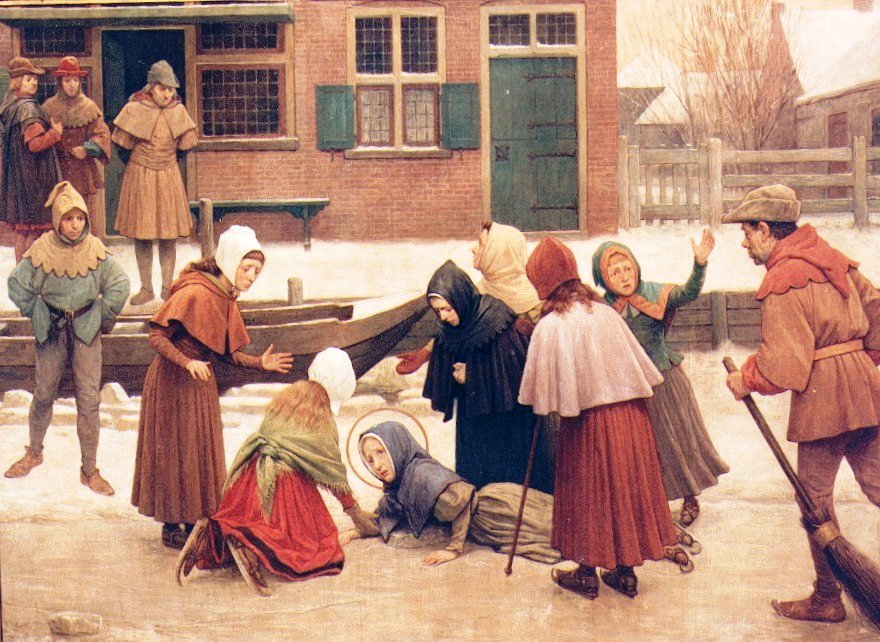
Saint Lydwina of Schiedam (1380 – 1433) was one of the countless and glorious ‘victim souls’ in the history of the Church, those whose lives are filled with suffering, often of an unimaginable intensity, but who suffer joyfully. She was a fifteen-year old Dutch girl, out skating one day, when she fell and broke one[…]Continue reading→
The Glorious Martyrdoms of Martin and Maximus
As we enter into Eastertide, we recall on this 13th of April Pope Saint Martin I (+655), one of the noblest, if most tragic, of the successors of Saint Peter. Born in Umbria, Italy, he was of noble lineage, with great intelligence combined with charity and love of the poor and the Church. While still[…]Continue reading→

Saint Stanislaus of Szczepanów
We celebrate Saint Stanislaus today (+ April 11, 1079), in light of this Easter Octave, a bishop and martyr who accepted the episcopacy only at the direct order of Pope Alexander II. He proved a wise and courageous leader of his flock, put to death by his own king, Boleslaus, for rebuking the monarch’s ‘immoral[…]Continue reading→
Saint Gemma Galgani
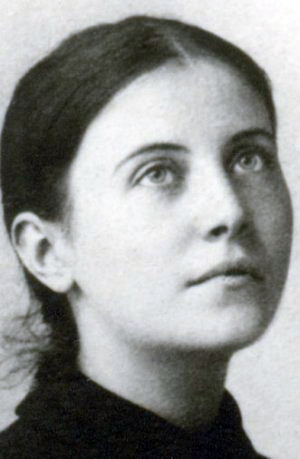
On this April 11th, in 1903 – the same year that the Italian Guiseppe Sarto was elected Pope later that summer as Pius X – a lovely, young Italian woman died, by the name of Gemma Galgani. She lived a brief life of 24 years, as did a number of other young saints, including Pier[…]Continue reading→
An Ideological and Improper Translation
I noticed something odd with the psalm reading at Mass the other day. Our bishops’ conference here in Canada has decreed that the Mass in English – Novus Ordo – use the ‘NRSV’, the ‘New Revised Standard Version’, an ‘updated’ translation of the original RSV, first published in 1952. This ‘new translation’ has the tendency[…]Continue reading→
Saint Jean-Baptiste de la Salle: A Teacher for Teachers
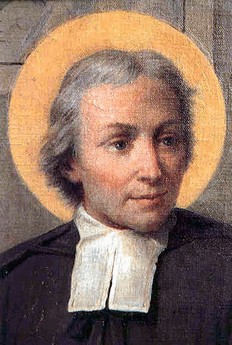
Jean-Baptiste de la Salle (1651 – 1719), a French nobleman, ordained a priest, founded the first order in the Church’s history entirely without priests, and this came about almost by accident. I say ‘almost’, for, of course, there are no accidents with God. Destined for ordination from an early age, Jean-Baptiste never looked back, even[…]Continue reading→