
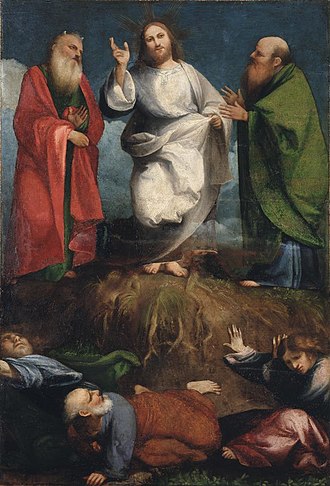
Trials, Purification and Transfiguration
And He was transfigured before them, and his face shone like the sun, and his clothes became dazzling white (Mt. 17:2).
On the second Sunday in Lent we always read the Gospel of the Transfiguration of Our Lord. We do so in order that our focus may be directed towards the glory of Easter and Our Lord’s victory over sin and death by His glorious Resurrection. Our Lenten penance is not an end in itself but a means to an end; that cleansed of our faults and sanctified in both body and mind we might more fully appreciate and participate in God’s own glory. More importantly however, at the intimate, interior level of our personal relationship with God, the mystery of Our Lord’s Transfiguration speaks to the transformative effect of our sacred worship. Our transformation in Christ is the effect of our worship of God, through sacramental grace, the imitation of Christ (imitatio Christi) and love of God.
What the Gospel of the Transfiguration describes is rightly termed a theophany, a manifestation of God. In the Transfiguration Jesus is revealed as God’s Son, the Beloved. It is an act of self-disclosure in which a personal God reveals what we could not know about Him by ourselves. God reveals Himself not as an impersonal cosmological principle, an indeterminate force, sheer power and untrammeled will. He reveals the Trinitarian Mystery. This truth is permanent and definitive and it is the foundation of our Christian life. In his monumental work, The City of God, St. Augustine explains the importance of worship as exemplified by the posture of Peter, James and John who fell to the ground in the presence of God.
It is nothing but folly, nothing but pitiable aberration to humble yourself before a being you would hate to resemble in the conduct of your life and to worship one whom you would refuse to imitate. For surely the supremely important thing in religion is to model oneself on the object of one’s worship (The City of God, VIII, 17).
St. Augustine wrote these words in a world not unlike our own, a world characterized by religious pluralism which included the worship of deities that demanded human sacrifice, and also by religious indifference. These words were an answer to the pagans of his day who objected that the God Augustine believed in, the very same God we believe in, was too distant and imperial, too demanding. The common objections we hear is that you don’t have to be religious to be a good person; and the god that many profess to believe in just wants us to be nice and of course, to recycle and to fast from fossil fuels. Such a god is not one before whom we fall down in worship and adoration, and such a god, in time, becomes irrelevant; because such a god is the mere projection of an ideology.
In no small measure the apostasy or denial of the faith that is characteristic of our times is the result of a crisis in worship. Though our detractors often accuse us of romanticising the past or past ages that our young people never knew, the evidence of history is such that one can point to times when Catholics understood and valued the importance of living a profound sacramental life, and these times produced saints and scholars, martyrs and missionaries who transformed peoples and places, and that, for the better. Such is the power of sacramental grace!
We, who worship Christ the Son of the living God, conform our life sacramentally to the Mystery of the Lord’s Cross and in so doing are transformed into His likeness through grace. This is not easy, evidently; but when it begins to take place in earnest, the effects benefit everyone. For this reason, nothing is more important than worship; and nothing is more fulfilling than worship, because worship (cultus) creates a culture. It is therefore essential that we worship in spirit and truth (Jn. 4:24).
The crisis in worship has emptied our churches because the living God who has revealed Himself in Christ is no longer the object of our worship. We have subjected our liturgies to causes, themes, even political ideas – all distractions and deviations from the one thing necessary: our personal assent to the invitation that Our Lord makes to all His followers: ‘If any man would come after me, let him deny himself and take up his cross and follow me’ (Mt. 16:24). It is the Passion that leads to the glory of the Resurrection (Preface for the Second Sunday in Lent, The Roman Missal). Similarly, it is our sharing in the Cross that brings about our sharing in the life and glory of Our Lord and our transformation in Christ. We therefore, are ever mindful that we preach Christ crucified…Christ the power of God and the wisdom of God (1Cor. 1:23-24).
Since the death of Pope Benedict a couple of months ago, there has been mention of what is often referred to as his ‘prophecy’; part of a radio interview given in 1969.
Everything will seem lost, but at the right moment, in the most dramatic stage of crisis, the Church will be reborn. It will be smaller, poorer, almost catacombal, but even more holy. For it will no longer be the Church of those who seek to please the world, but the Church of those who are faithful to God and His eternal law. The rebirth will be the work of a small, seemingly insignificant yet indomitable remnant that has gone through a process of purification. Because this is how God works. And against evil, a little flock resists…. To put this more positively: the future of the Church, once again as always, will be reshaped by saints, by men, that is, whose minds probe deeper than the slogans of the day, who see more than others see, because their lives embrace a wider reality…. And it seems certain to me that the Church is facing very hard times. The real crisis has scarcely begun. We will have to count on terrific upheavals. But I am equally certain about what will remain at the end: not the Church of the political cult, which is dead already, … but the Church of faith. She may well no longer be the dominant social power to the extent that she was until recently; but she will enjoy a fresh blossoming and be seen as man’s home, where he will find life and hope beyond death.
I have quoted this text at some length because it seems to me that we are in the midst of its fulfillment; and what our times demand of each one of us is perseverance and constancy in the imitation of Christ. Only through our own personal transformation in Christ will the world around be transformed, transfigured by the grace of Christ. Our transformation in Christ is brought about through our fidelity to the Cross. This is what we learn when we contemplate the life and Passion of Our Lord. Fidelity to duty, discipline of life, moral rectitude; these are the ways in which we are faithful to what God’s Holy Will is for each one us individually. Anything that contradicts these principles is a path to misery and destruction.
In faith, like Peter, James and John, we too are privileged to perceive the glory of the Lord; a glory however that is veiled in the poverty, humility and vulnerability of the Crucifix and in the Sacrament of the Cross, the Eucharist. These reveal a love so powerful that neither hate nor death could conquer it. Because we receive and worship this Sacrament, this same love is at work in our hearts. For this reason, we are full of confidence and unafraid; and so we endeavour to continue to worship Our Lord in spirit and in truth; looking unto Jesus the author and perfecter of our faith, who for the joy that was set before him endured the cross, despising the shame, and now sits at the right hand of the throne of God (Heb. 12:2).

Remembering Father Alphonse de Valk
(Today marks the sixth anniversary of the death of Father Alphonse de Valk, C.S.B., a faithful, courageous and indefatigable Basilian priest, pro-life-and-family apostle, and the founder of Catholic Insight magazine. Here is what we wrote those on his entering into eternity five years ago, as we continue to remember him in our prayers and thoughts)[…]Continue reading→

Divine Mercy Sunday – An Echo of Every Mass
Reach out your hand and put it in my side. Do not doubt but believe’… ‘My Lord and my God!’ (Jn. 20:18)). Today is Divine Mercy Sunday, and as we celebrate the end of the Easter Octave, we contemplate the wounded side of our Saviour, the Church’s source of life. On Good Friday in the[…]Continue reading→

Saint Stanislaus of Szczepanów
We celebrate Saint Stanislaus today (+ April 11, 1079), in light of this Easter Octave, a bishop and martyr who accepted the episcopacy only at the direct order of Pope Alexander II. He proved a wise and courageous leader of his flock, put to death by his own king, Boleslaus, for rebuking the monarch’s ‘immoral[…]Continue reading→
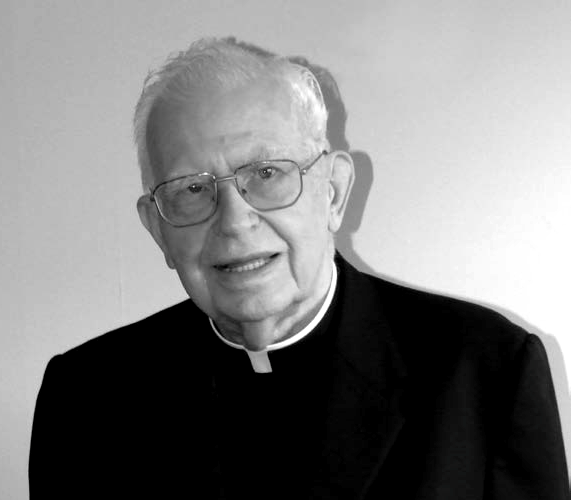
First Holy Communion: Sermon from May 16, 1943
Here is a sermon from the good old days by +Rev. Msgr. Vincent Nicholas Foy (August 14, 1915 – March 13, 2017), from 1943. Readers may recall that Pope Saint Pius X, by the decree Quam Singulari in 1910, lowered the customary age of reception of Holy Communion – after the rigours of the plague[…]Continue reading→
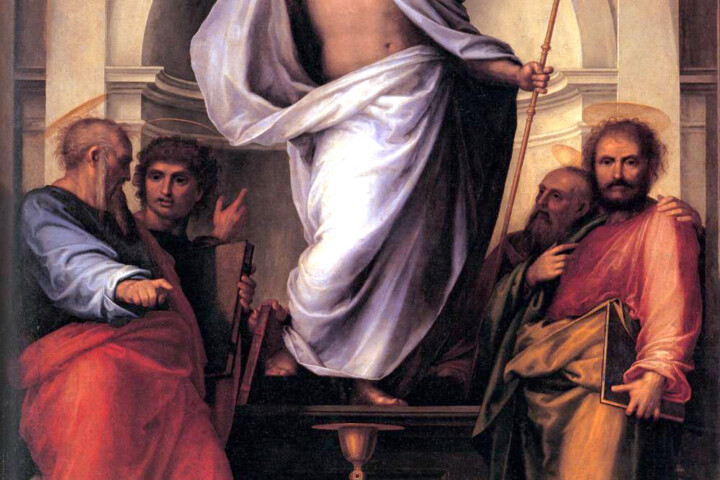
In the Glorious Light of Easter, Alleluia!
Set your minds on things that are above, not on things that are on earth, for you have died, and your life is hidden with Christ in God. When Christ who is your life is revealed, then you also will be revealed with him in glory (Col. 3:3-4). The Resurrection of Our Lord and Saviour[…]Continue reading→
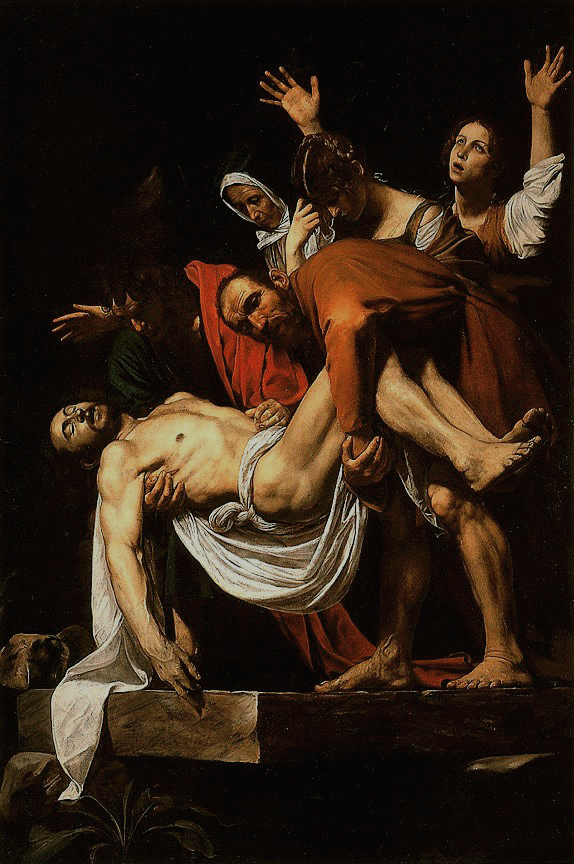
An Ancient Homily for Holy Saturday
The time between Good Friday and Easter Sunday is one of waiting, in silence, as the world wonders – anticipates – what will happen, after the death of Christ. We re-live this time each year in the anamnesis of our liturgy, and in turn look forward to the glorious re-creation of all things at the[…]Continue reading→
Europe’s Long Descent
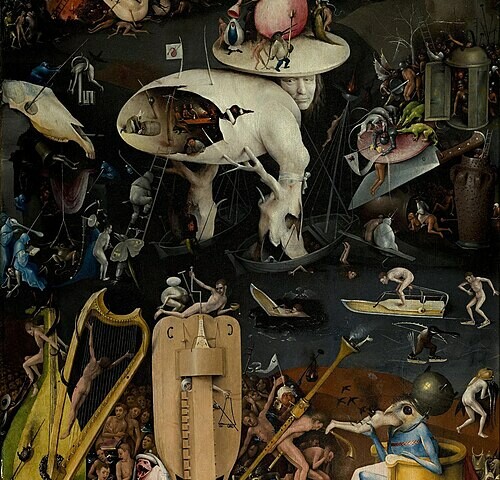
(As we meditate on this day on Christ’s burial, and His descent into hell, it is fitting to ponder here with contributor Peter Marcus how the world seems to be heading there as well. The difference is that, although God cannot ‘redeem’ hell, nor those therein, He can and did redeem the world. There is[…]Continue reading→
Pope Saint John Paul II’s First Good Friday Homily
ADDRESS OF HIS HOLINESS JOHN PAUL II AT THE CONCLUSION OF THE STATIONS OF THE CROSS AT THE COLOSSEUM Good Friday, 13 April 1979 When we make the Way of the Cross from one station to the next, in spirit we are always at the spot wherethis journey had its “historical” place: where it[…]Continue reading→
A Meditation for Good Friday: How To Undo the Effects of Sin?
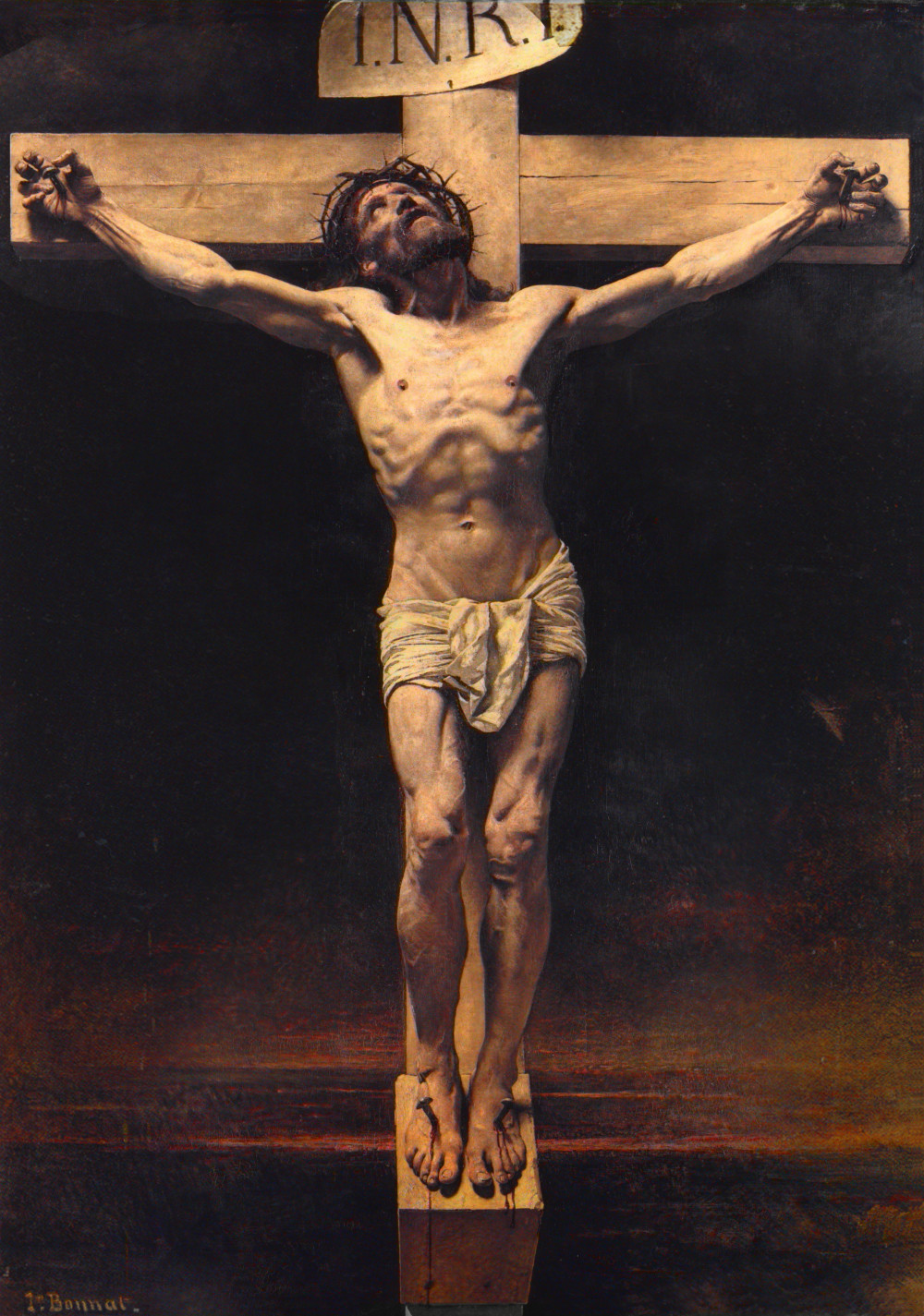
Cardinal Newman, now Saint John Henry Newman, was a towering figure of nineteenth-century Catholicism who is almost universally admired. I say “almost” because not everyone likes him. I knew a priest once, Arthur Caulkins, who has become disenchanted with Newman. As an undergraduate Arthur had been enamoured of Newman, and this interest continued when he[…]Continue reading→
Pope Benedict’s Last Holy Thursday Homily
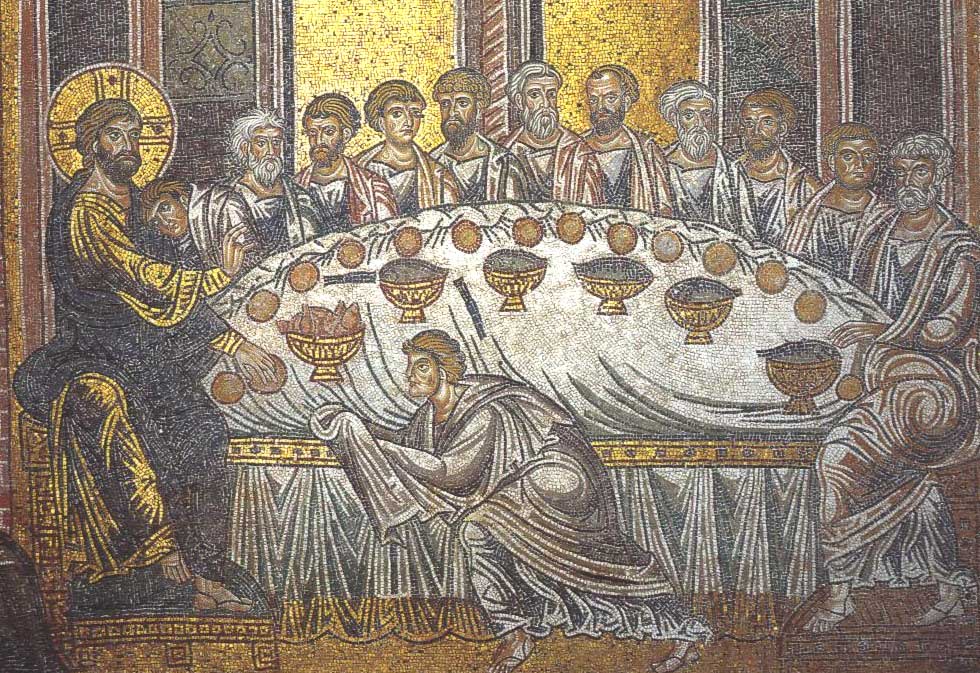
MASS OF THE LORD’S SUPPER HOMILY OF HIS HOLINESS BENEDICT XVI Basilica of St John Lateran Holy Thursday, 5 April 2012 Photo Gallery (Video) Dear Brothers and Sisters! Holy Thursday is not only the day of the institution of the Most Holy Eucharist, whose splendour bathes all else and in some ways draws it to[…]Continue reading→