
Hilary Mantel’s Reformation Revisionism
Hilary Mantel, English novelist died last week at the age of 70. Her fame – or infamy, depending on one’s perspective – rests largely upon her ‘Wolf Hall’ sagas of the Reformation period, made even more popular by their being produced as a lush film series by the BBC back in 2009. According to reviews, linked to below – full disclosure, I have neither read the books nor watched the adaptation – the series was heavy on the fiction, at least as far as the characters were concerned. Thomas More is turned into into a sexually-repressed milquetoast neurotic, while the contemptible Thomas Cromwell becomes a strong, capable, even noble hero, who, by the bye, made the ladies swoon.
Both were complex characters, as are all saints and sinners in this pilgrimage of life, but the real history is that More died a noble martyr, ‘the king’s good servant, but God’s first’. Cromwell, on the other hand, Henry’s obsequious henchman, after enriching himself at the expense of others, fell out of the king’s whimsical and tyrannical good graces when he arranged a failed marriage to Anne of Cleves. He went to the scaffold blubbering for the king’s mercy, which Cromwell had blithely denied others. Cromwell was also the one primarily responsible for looting and pillaging every single monastery in the British realm, condemning to death untold numbers of innocent men consecrated to God.
Yes, Robert Bolt’s play A Man for All Seasons, takes some liberties, but it does the justice of keeping the moral trajectory of the characters intact, which really is the ultimate point of history – to learn from those who came before us, so we may avoid their errors in the present, and do better for the future, as we all pilgrimage towards the eschaton and the consummation of all time. We may lament that too many of our current crop of politicians haven’t learned much, far more Cromwellian than Morean.
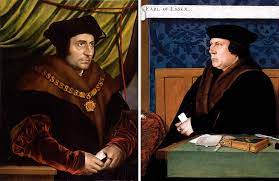
The reader may peruse a series of critical reviews in First Things. Patricia Snow cogently argues that the work of projection of the author’s own fractious and troubled life. While Mark Movesian posits the author’s political agenda, decidedly liberal, and on board with the progressive and iconoclastic climate. Hence, her being feted with two Booker prizes. Finally, Richard Rex’s insightful piece argues that it is More who really carries the plot, as he is by far the more intriguing and powerful figure; the more the author tries to diminish him, the more More grows in the background by the sheer ridiculousness of the inversion. Their respective portraits by Hans Holbein show the difference between the two Thomases in their contemporary faces. There is a reason More’s painting is by far the more famous and treasured than Cromwell’s. As I quoted Orwell’s quip recently, we get the face the deserve at fifty, which must be taken cum grano salis, but was not far from the age those portraits were painted.
Fruitful also would be a perusal of Hilaire Belloc’s insightful take on these two characters of the Reformation, along with many others, from a more balanced, true and Catholic perspective.
There are any number of sources for deeper reading, older and newer, and the reader may reach out to me personally for suggestions.
Who knows? Perhaps Thomas More interceded for Ms. Mantel in those final moments. He always did take attacks on his character in good stride, laughing them off, even if he would defend the Church with gusto. What we do know is that the author of this historical fabrication knows the truth now, and we may hope and pray that in some way she availed herself of God’s infinite mercy. +
Carney’s Amoral Majority
After five defections – euphemistically described as ‘crossing the floor’ – and three by-elections, Mark Carney and his Liberals how have their coveted majority. One wonders what bowls of pottage were offered in back-room deals. In the archaic monarchical system that is the Dominion of Canada, this majority allows the newly-minted Prime Minister to rule[…]Continue reading→

Saint Kateri , Canada’s Protectress
This was the title given to Saint Kateri Tekakwitha, by Pope Benedict XVI, when he canonized her on October 28th, 2012, along with six others, in Saint Peter’ Square (she had been beatified by Pope John Paul II back in 1980). With Saint Joseph as our protector, along with the Canadian martyrs, we seem to[…]Continue reading→
A Tale of Two Benedicts
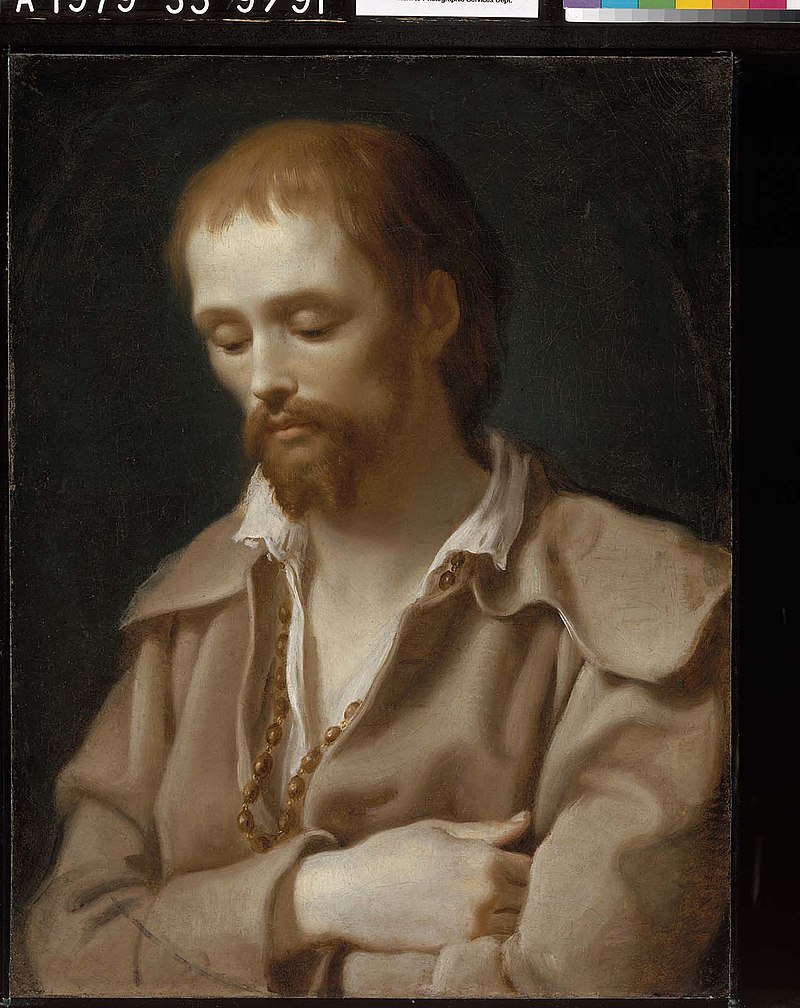
A grace-filled Holy Week to all our readers! As we await and prepare for the Resurrection about to dawn upon us, we might keep in mind two Benedicts: Pope Emeritus Benedict XVI, requiescat in pace, elected on this day in 2005; and today’s commemoration of the mystic pilgrim, Benedict Joseph Labre, who died on this[…]Continue reading→

My Name is Bernadette
April 16th is a propitious day, for besides the anniversary of Father de Valk’s death, who founded Catholic Insight in its print form decades ago, and the commemoration of the ‘two Benedicts’, mentioned in accompanying posts, today we also recall Saint Bernadette Soubirous, the young visionary to whom the Virgin Mary appeared numerous times at[…]Continue reading→
Saint Lydwina of Schiedam and Suffering Joyfully
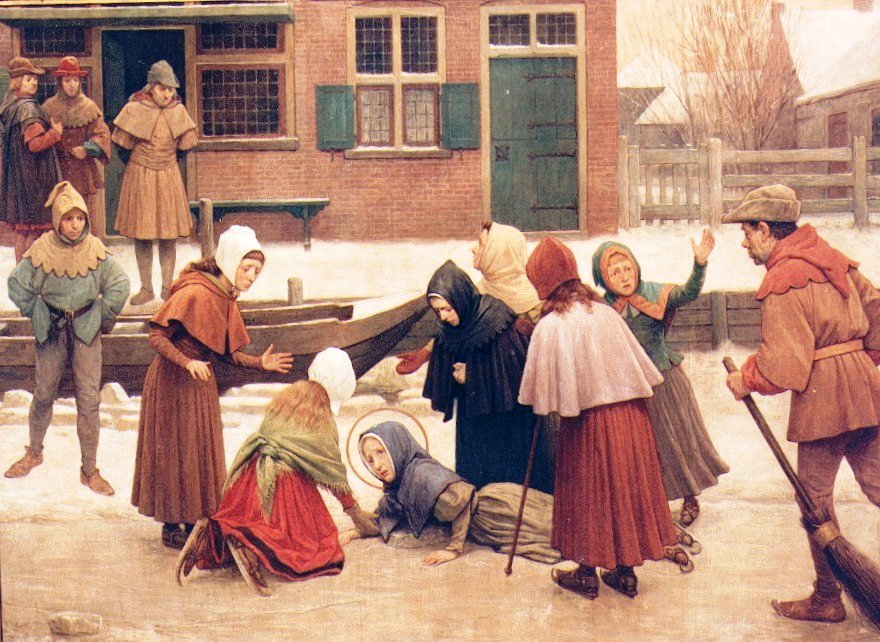
Saint Lydwina of Schiedam (1380 – 1433) was one of the countless and glorious ‘victim souls’ in the history of the Church, those whose lives are filled with suffering, often of an unimaginable intensity, but who suffer joyfully. She was a fifteen-year old Dutch girl, out skating one day, when she fell and broke one[…]Continue reading→
The Glorious Martyrdoms of Martin and Maximus
As we enter into Eastertide, we recall on this 13th of April Pope Saint Martin I (+655), one of the noblest, if most tragic, of the successors of Saint Peter. Born in Umbria, Italy, he was of noble lineage, with great intelligence combined with charity and love of the poor and the Church. While still[…]Continue reading→

Saint Stanislaus of Szczepanów
We celebrate Saint Stanislaus today (+ April 11, 1079), in light of this Easter Octave, a bishop and martyr who accepted the episcopacy only at the direct order of Pope Alexander II. He proved a wise and courageous leader of his flock, put to death by his own king, Boleslaus, for rebuking the monarch’s ‘immoral[…]Continue reading→
Saint Gemma Galgani
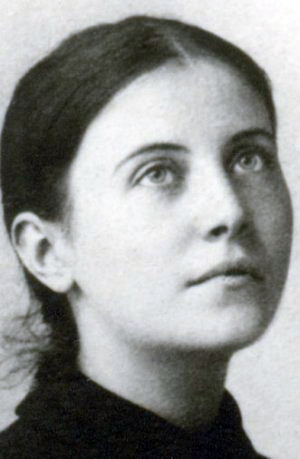
On this April 11th, in 1903 – the same year that the Italian Guiseppe Sarto was elected Pope later that summer as Pius X – a lovely, young Italian woman died, by the name of Gemma Galgani. She lived a brief life of 24 years, as did a number of other young saints, including Pier[…]Continue reading→
An Ideological and Improper Translation
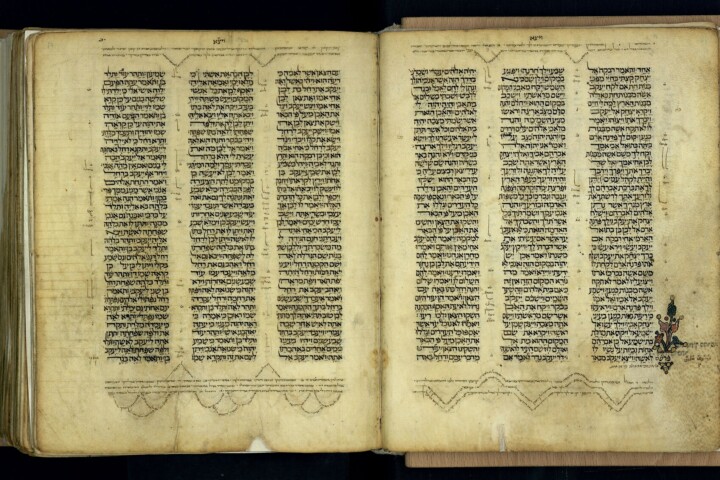
I noticed something odd with the psalm reading at Mass the other day. Our bishops’ conference here in Canada has decreed that the Mass in English – Novus Ordo – use the ‘NRSV’, the ‘New Revised Standard Version’, an ‘updated’ translation of the original RSV, first published in 1952. This ‘new translation’ has the tendency[…]Continue reading→
Saint Jean-Baptiste de la Salle: A Teacher for Teachers
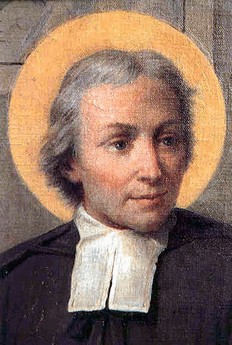
Jean-Baptiste de la Salle (1651 – 1719), a French nobleman, ordained a priest, founded the first order in the Church’s history entirely without priests, and this came about almost by accident. I say ‘almost’, for, of course, there are no accidents with God. Destined for ordination from an early age, Jean-Baptiste never looked back, even[…]Continue reading→