
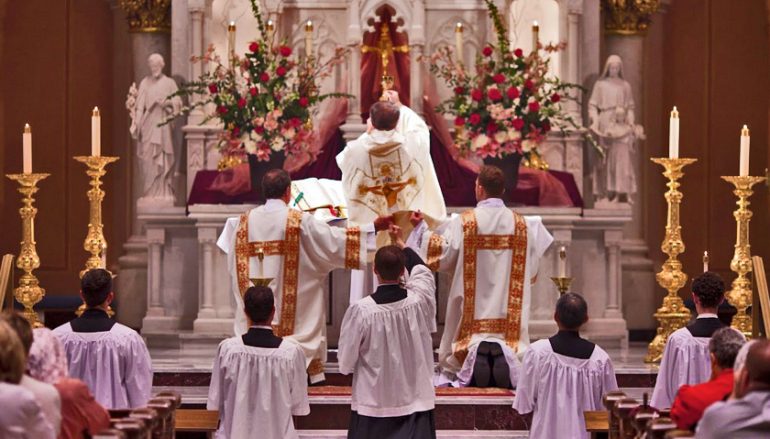
The Holy Mass Part II: What God Does for Us, and What We Do for God
This Sunday’s reflection is the second in a series of meditations on the Holy Sacrifice of the Mass, with specific references to the Ancient Rite of the Mass. There are many books in circulation that illustrate the theological and spiritual cohesion of the Ancient Rite of the Mass. It is the Rite that sustained and nourished the spiritual life of countless saints and which gave birth to Christian culture. It is my hope that these meditations may help us to appreciate and to understand that the ultimate purpose of the sacred liturgy is to form our souls in the beauty of holiness; so that we in our time, like those who have gone before us may be ‘the aroma of Christ to God…a fragrance from life to life’ (2 Cor. 2:15-16) for God’s greater glory and the salvation of souls. ⧾
And He had compassion for them, because they were like sheep without a shepherd; and He began to teach them many things (Mk. 6:34).
We continue our meditations on on the Holy Sacrifice of the Mass, our central act of worship, the source and summit of Christian life (Sacrosanctum Concilium, 10; Constitution on the Sacred Liturgy, Vatican Council II); the very heart of all that Church is and does. The liturgy has two purposes: to worship God with all due reverence and love, and to feed, nurture, shape, and perfect the worshipper (Peter Kwasniewski, Resurgent in the Midst of Crisis, p. 72-73). The ultimate purpose of the liturgy is to form our souls in the beauty of holiness. Each one of us has an individual soul, unique to each person. Indeed, we define the human person as a unity of body and soul (corpore et anima unus). Our soul has three faculties or powers: the intellect, the memory and the will. Each of these is engaged in the exercise of our sacred worship. There is a beautiful liturgical verse that expresses the effect of God’s living Word in us: Lord Jesus, open the Scriptures to us: make our hearts burn with love when you speak (Gospel Acclamation, Third Sunday of Easter, Year B). This verse is based on the experience of the disciples who had encountered the Risen Lord on the road to Emmaus: And their eyes were opened and they recognized him; and he vanished out of their sight. They said to each other, ‘Did not our hearts burn within us while he talked to us on the road, while he opened to us the scriptures?’ (Lk. 24:31-32). As we walk the path of our own devout discipleship, Our Lord also talks to us in the Sacred Scriptures that are proclaimed and expounded in what we call the Liturgy of the Word or what in the Extraordinary Form of the Mass is called the Mass of the Catechumens. This first part of the Mass until the recitation of the Creed is based on the practice of the Synagogue. Here we offer prayers and praise to God and receive instruction from Him. In the earliest days of the Church, catechumens, that is, those being instructed in the faith, were welcome for this portion of the Mass.
In their synagogue service on the Sabbath, the Jews read from the Scriptures: first from the Law, then from the Prophets. These readings were interspersed with the singing of the Psalms. Thus when the first Christians gathered on Sunday to celebrate the Resurrection of Our Lord, they continued this tradition; reading also from the Apostles and the Evangelists. In continuity with these ancient practices, we read from both the Law and the Prophets in our First Reading, sing or recite a Psalm, read from the Epistles of the Apostles in our Second Reading and lastly from the Evangelists. The book that contains these selections from the Sacred Scriptures is called the Lectionary. There is a separate liturgical book called an Evangeliary or Book of the Gospels containing those portions of the four gospels which are read during Mass or other offices. While sitting is a position of receptivity for the first and second readings, we stand for the Gospel, both as a sign of respect for the words of Jesus and to manifest our eagerness and attentiveness to hear His Word.
The reading of the Gospel is preceded by the singing of the Alleluia and other expressions of reverence such as candles, incense and the kissing of the Gospel text. The word alleluia comes from the Hebrew hallelu, meaning let us praise and Yah, which is a shortened form of one of the names of God. As we make the sign of the cross on our forehead, lips and heart, we ask Our Lord to keep His Word in our thoughts words and deeds. All our faculties, intellect, memory and will are enlightened by God’s saving truth. At the end of the Gospel reading the priest or deacon kisses the Evangeliary and says quietly: By the words of the Gospel may our sins be blotted out. (Per evangelica dicta deleantur nostra delicta). This silent prayer speaks to the power of God’s Word. What is self-evident of course is that Sacred Scripture is omnipresent throughout the celebration of the Mass. These are memorable words that we ponder and weave into the fabric of our personal prayer, and life. In the cycle of the liturgical year Our Lord continues to teach us many things. It is He who shepherds us and by our attentive listening we learn to recognize the voice of the Good Shepherd.
It may be helpful for us to make a very important distinction regarding this part of the Mass in which the Scriptures are read and explained. The Word of God is Jesus Christ, not a book, not even an inerrant and infallible book…is a lifeless thing, but a person is alive, and a divine Person gives life to all spirits that serve Him. The purpose of proclaiming Scripture at Mass is to prepare the worshipers for communion with the Word, the source of the written word (Peter Kwasniewski, Resurgent in the Midst of Crisis, p.53). The traditional division between the Mass of the Catechumens and the Mass of the Faithful better expresses what takes place during this part of the Mass which represents the soul in the process of conversion to Christ, hearing His word and bringing it to bear on the concrete situations of life; while the second part, the Mass of the Faithful, represents the disciple now formed by divine teaching, receiving the light, truth and life of Christ in a union which is transformative and intimately personal. This is the intimacy of Holy Communion.
And He had compassion for them, because they were like sheep without a shepherd; and He began to teach them many things (Mk. 6:34). Over the course of the liturgical year, especially on Sundays and Feast Days it is customary to preach a homily or sermon. The origin of this practice is also ancient. In the second century St. Justin Martyr (+ c. 165) wrote that on the day called Sunday, all assembled in the same place, where the memorials of the Apostles were read… and when the reader has finished, the bishop delivers a sermon. The homily or sermon is an integral part of our worship for the celebration of the Mass is both the school and feast of faith. Both preacher and the faithful do well to consider the importance of the homily as the principal means of ongoing instruction and formation in the faith.
The recitation or chanting of the Creed concludes this part of the sacred liturgy. The creed is a summary of our faith containing all the truths of our faith. In the centuries after the death of Our Lord, there were many misunderstandings about Christ’s nature as both true God and true man. As a result, the Church fully developed each article of belief in the Apostle’s Creed at the Councils of Nicea (325 AD) and Constantinople (381 AD) and expanded certain parts of the Creed; giving us what we call the Nicene Creed. It is Our Lord Himself whom we see and hear in the celebration of the sacred mysteries.
Lord Jesus, open the Scriptures to us: make our hearts burn with love when you speak. The instruction that we receive at Holy Mass through the proclamation of God’s inerrant Word, the homily, and our own prayerful reading (lectio divina) have as a desired goal the formation of a habit in the soul; one of loving attentiveness to the holy presence of God and the gentle promptings of grace. St. John of the Cross explains: Seek by reading and you will find by meditating. Knock by praying, and it will be opened for you in contemplation. An attitude of reverent and attentive silence, both exterior and interior, should dominate during the sacred rites of the Mass so that in the contemplation of the great deeds of salvation, the magnolia Dei, our souls may be formed ever more in the beauty of holiness.

Remembering Father Alphonse de Valk
(Today marks the sixth anniversary of the death of Father Alphonse de Valk, C.S.B., a faithful, courageous and indefatigable Basilian priest, pro-life-and-family apostle, and the founder of Catholic Insight magazine. Here is what we wrote those on his entering into eternity five years ago, as we continue to remember him in our prayers and thoughts)[…]Continue reading→

Divine Mercy Sunday – An Echo of Every Mass
Reach out your hand and put it in my side. Do not doubt but believe’… ‘My Lord and my God!’ (Jn. 20:18)). Today is Divine Mercy Sunday, and as we celebrate the end of the Easter Octave, we contemplate the wounded side of our Saviour, the Church’s source of life. On Good Friday in the[…]Continue reading→

Saint Stanislaus of Szczepanów
We celebrate Saint Stanislaus today (+ April 11, 1079), in light of this Easter Octave, a bishop and martyr who accepted the episcopacy only at the direct order of Pope Alexander II. He proved a wise and courageous leader of his flock, put to death by his own king, Boleslaus, for rebuking the monarch’s ‘immoral[…]Continue reading→

First Holy Communion: Sermon from May 16, 1943
Here is a sermon from the good old days by +Rev. Msgr. Vincent Nicholas Foy (August 14, 1915 – March 13, 2017), from 1943. Readers may recall that Pope Saint Pius X, by the decree Quam Singulari in 1910, lowered the customary age of reception of Holy Communion – after the rigours of the plague[…]Continue reading→

In the Glorious Light of Easter, Alleluia!
Set your minds on things that are above, not on things that are on earth, for you have died, and your life is hidden with Christ in God. When Christ who is your life is revealed, then you also will be revealed with him in glory (Col. 3:3-4). The Resurrection of Our Lord and Saviour[…]Continue reading→

An Ancient Homily for Holy Saturday
The time between Good Friday and Easter Sunday is one of waiting, in silence, as the world wonders – anticipates – what will happen, after the death of Christ. We re-live this time each year in the anamnesis of our liturgy, and in turn look forward to the glorious re-creation of all things at the[…]Continue reading→

Europe’s Long Descent
(As we meditate on this day on Christ’s burial, and His descent into hell, it is fitting to ponder here with contributor Peter Marcus how the world seems to be heading there as well. The difference is that, although God cannot ‘redeem’ hell, nor those therein, He can and did redeem the world. There is[…]Continue reading→
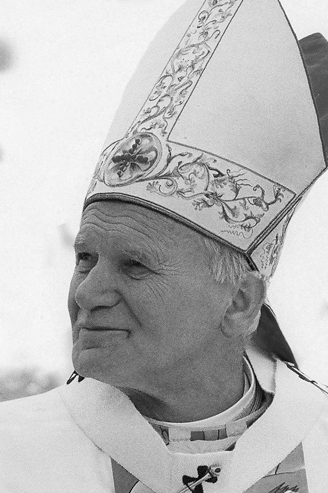
Pope Saint John Paul II’s First Good Friday Homily
ADDRESS OF HIS HOLINESS JOHN PAUL II AT THE CONCLUSION OF THE STATIONS OF THE CROSS AT THE COLOSSEUM Good Friday, 13 April 1979 When we make the Way of the Cross from one station to the next, in spirit we are always at the spot wherethis journey had its “historical” place: where it[…]Continue reading→
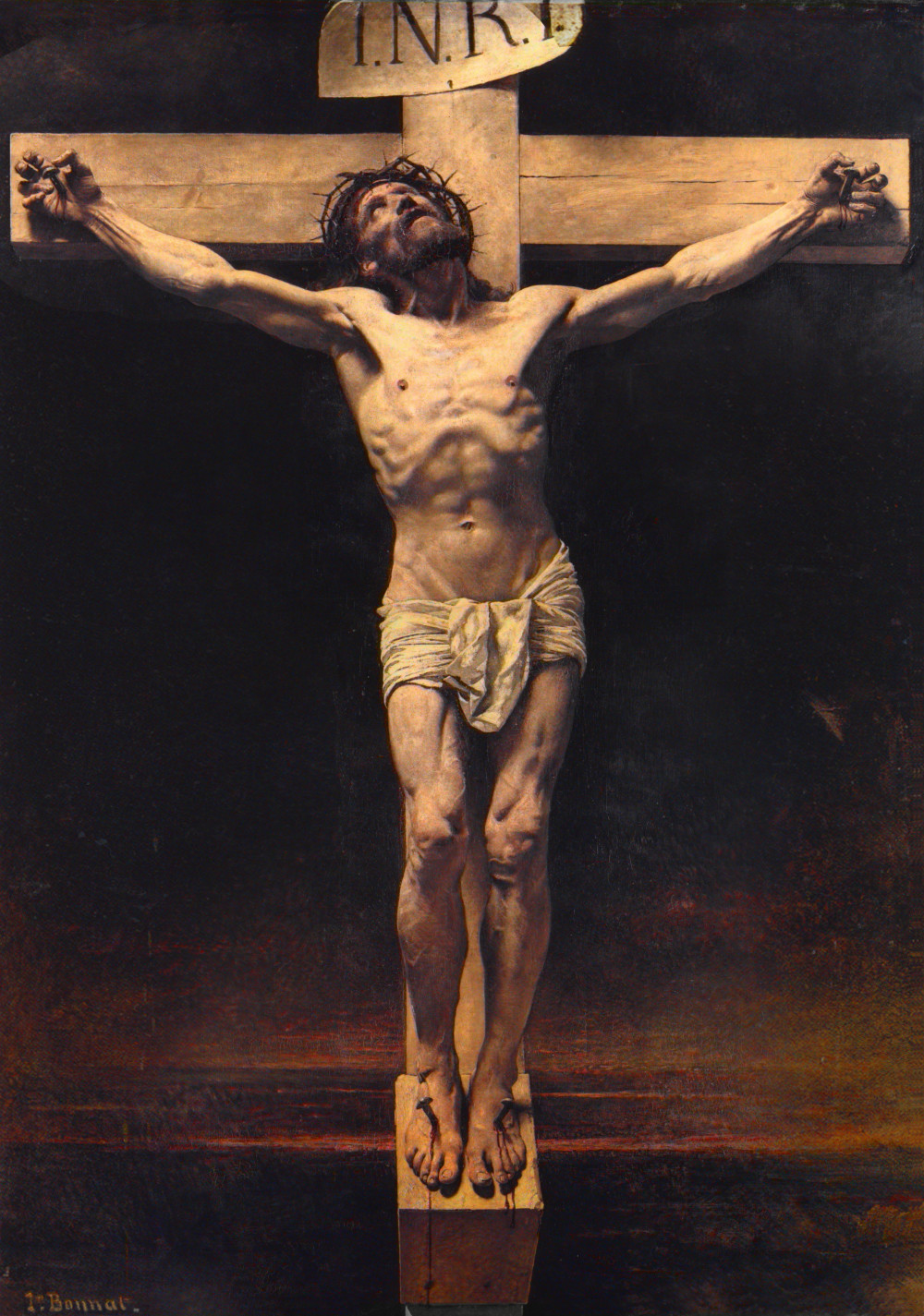
A Meditation for Good Friday: How To Undo the Effects of Sin?
Cardinal Newman, now Saint John Henry Newman, was a towering figure of nineteenth-century Catholicism who is almost universally admired. I say “almost” because not everyone likes him. I knew a priest once, Arthur Caulkins, who has become disenchanted with Newman. As an undergraduate Arthur had been enamoured of Newman, and this interest continued when he[…]Continue reading→
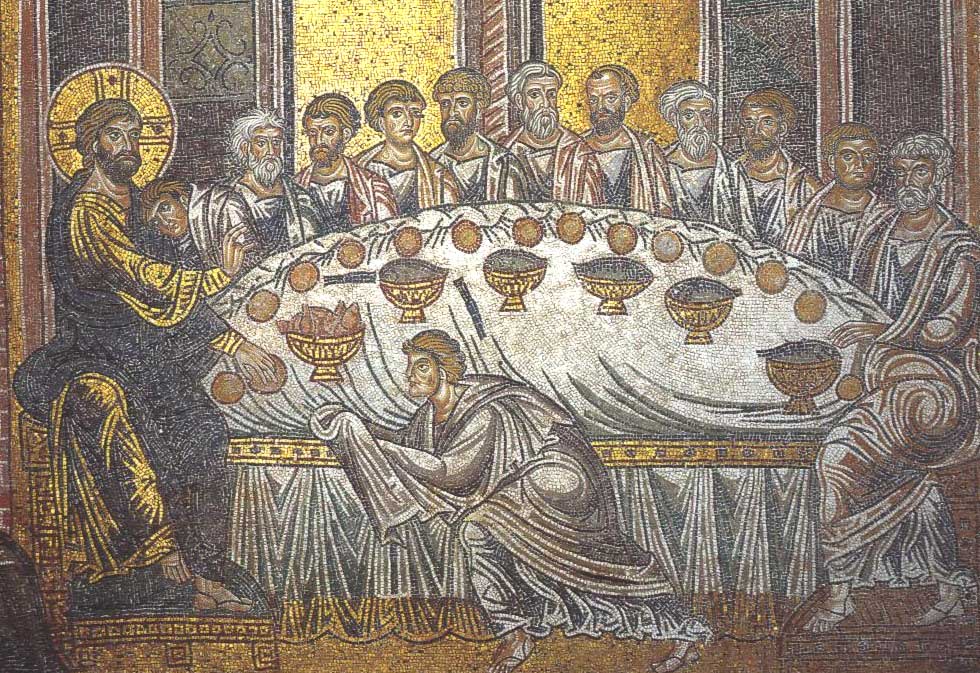
Pope Benedict’s Last Holy Thursday Homily
MASS OF THE LORD’S SUPPER HOMILY OF HIS HOLINESS BENEDICT XVI Basilica of St John Lateran Holy Thursday, 5 April 2012 Photo Gallery (Video) Dear Brothers and Sisters! Holy Thursday is not only the day of the institution of the Most Holy Eucharist, whose splendour bathes all else and in some ways draws it to[…]Continue reading→