
Virtue and Vice, and Not Everything Nice
Happiness is secured through virtue; it is a good attained by man’s own will. (Saint Thomas Aquinas)
What does it mean to be ‘virtuous’? There is virtue-signaling, with its pejorative sense, even though one might interpret it in a good way, with Christ’s exhortation to ‘let your light shine before men, and hide it not under a bushel basket’. Yet, in the Gospel on the day I write this, He also warns us to keep our virtue hidden, not allowing our left hand to know what our right is doing when giving alms, and praying and fasting in secret. Catholicism is filled with such (apparent) paradoxes, all of which lead to a deeper synthesis. For there is a time to be bold, and a time for discernment; a time to proclaim, and a time to hide.
The only way this paradox may be resolved is if we are truly virtuous and doing the ‘good’ that is based in that truth. Virtue signaling, the simulacrum of virtue, could be taken in the sense of showing forth our true virtue, when it should be hidden (boasting). In a more sinister way, it is showing a virtue that we do not have (hypocrisy). And in an even worse way, it is acting out a virtue that is not a virtue, and that we don’t even believe is a virtue, and may in reality a vice. Politicians who hobnob maskless and without social distancing, who scramble to don their face covering and stand apart for the cameras – yet not quite quickly enough. Or other ‘elites’ who make a big show defending the rights of women, then are caught in compromising positions with the same women, or even girls, using them to satiate their diminishing libidos. Or those who defend gender equality, yet vote down laws prohibiting gender-selective abortion. It gets worse, but we will leave it there, for now. What dead men’s bones lie behind our pro-abortion politicians may have to wait for the dies irae. And we should always remember, but for the grace of God…
Virtue – the real kind – requires that we dig deep, rooting out even our hidden faults which, if not so excised, will metastatize. Saint Philip Nero compared vices to weeds growing in a garden – they are all joined deep under the earth, and you think you’ve got them, when another springs up, oft where we might least expect it. A ‘nice’ garden with rotten soil, to paraphrase the Gospel, is not one that will last.
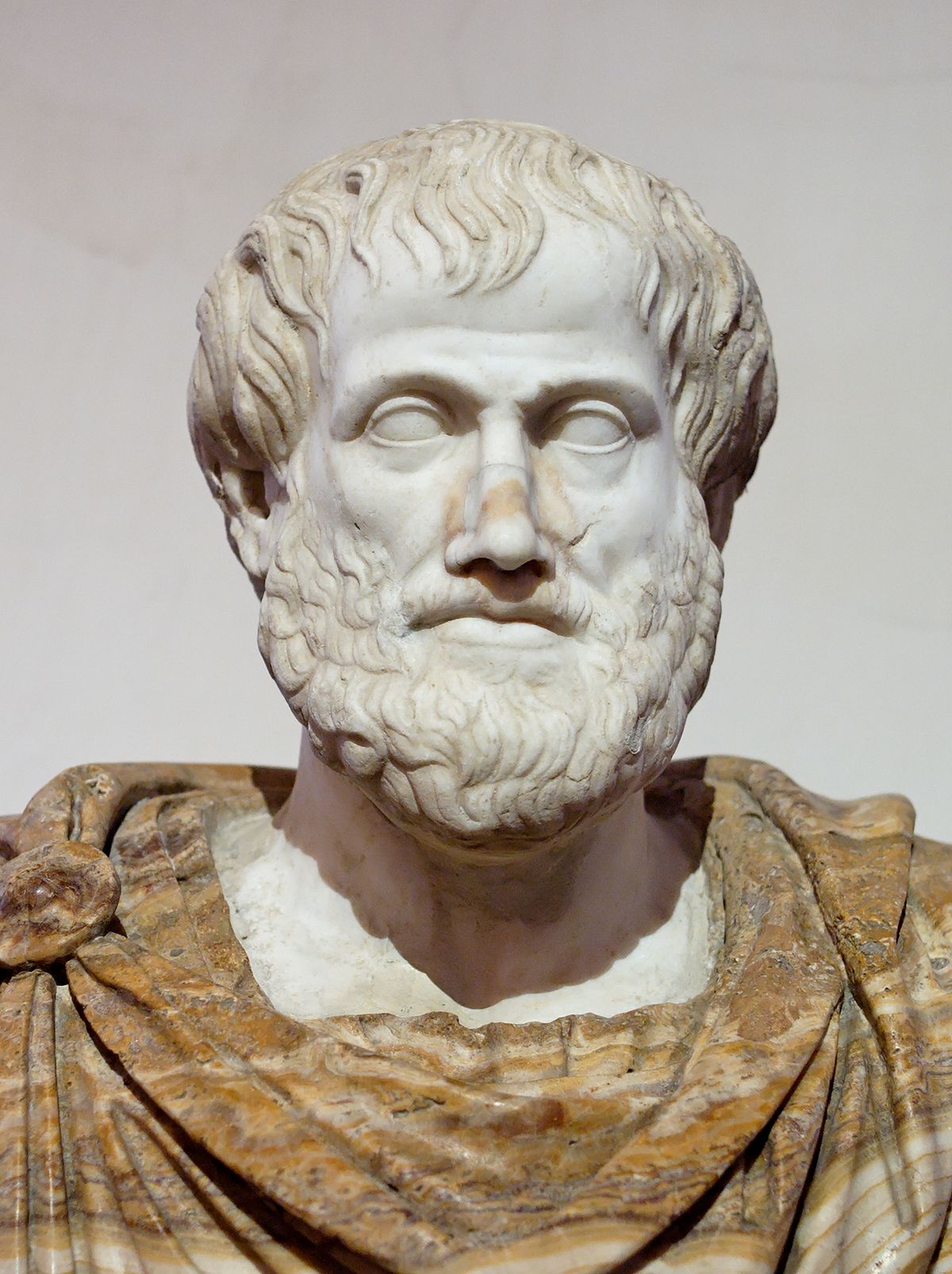
Which brings us back to virtue, versus signaling: I will leave you with two thoughts, from two great men, one far greater than the other, Aristotle and Christ. ‘The Philosopher’ – for so Saint Thomas called him – described virtue as a the ‘perfection of a power’, when some potency within us was brought to its full actualization, whether this be some athletic prowess, or intellectual endeavour. We are what we make ourselves to be by what we do.
These potencies are within and should fulfil our nature, and if anything contradicts that nature, it is by definition unvirtuous, or, as we might put it more vividly, vicious. This does not mean quite what most understand by this term, that only psychopathic serial killers are ‘vicious’. We are all so in some way, insofar as we act, and so become, contrary to our nature, which means contrary to how God made us. Witness the sad spectacle of ‘Caitlin’ Jenner, and what is worse, the confused teenagers who follow the septuagenarian’s scandal.
To fulfil and perfect ourselves, we follow the path of virtue – to be all that we can be, as an old commercial had it. There are virtues specific to each individual – we each have proclivities to music, academics, athletics, art- but there are general virtues that apply to all, the moral virtues especially. As mentioned in the last posting on truth, we naturally know what is in accord with our nature, and we must use our conscience to apply what we know to each situation in which we find ourselves. As Aristotle might put it, a virtuous act one that a virtuous man would do.
Those who try to make vice ‘natural’ are doing a vicious thing, and at some level, deep down, they know it. Hence, the use of force and violence, of coercion and censorship, in their petulance and bullying, and ultimately vain, attempt to call what is evil, good, and good, evil.
Aristotle got as far as one might get down the road of virtue without the benefit of Christ’s revelation, so was more or less confined to the horizons of this world. He saw that the greatest ‘thing’ we could do was to contemplate truth, and the greatest virtue was the wisdom derived therefrom. But this in the end is an earthly wisdom of the magnanimous man, with books, and servants at his command.
Christ offers us a ‘virtue’ that goes beyond this transitory and brief life, that even seems paradoxical from its perspective: Blessed are the sorrowful, the meek, the poor, the persecuted. Our Lord does not deny natural virtue, all those areas in which we perfect ourselves – after all, grace does build on nature – but these are not what are essential. What matters most is ‘where our heart is’, for there our treasure be also.
What Aristotle and Christ have in common is that virtue is interior: It was what we are, and not so much what we do, even if the latter flows from the former. There is no need to virtue-signal, for such virtue signals itself, in the abiding and eternal allure of the saints, which is how we might understand by allowing our light to shine before men.
While we our earthly gardens so they may bear fruit, may we be at least as diligent with those of our souls – root up those weeds, so that what is healthy and life-giving may thrive.
For by their fruits, ye shall know them.
Carney’s Amoral Majority
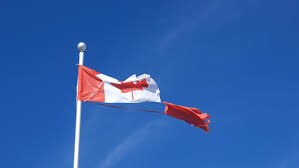
After five defections – euphemistically described as ‘crossing the floor’ – and three by-elections, Mark Carney and his Liberals how have their coveted majority. One wonders what bowls of pottage were offered in back-room deals. In the archaic monarchical system that is the Dominion of Canada, this majority allows the newly-minted Prime Minister to rule[…]Continue reading→

Saint Kateri , Canada’s Protectress
This was the title given to Saint Kateri Tekakwitha, by Pope Benedict XVI, when he canonized her on October 28th, 2012, along with six others, in Saint Peter’ Square (she had been beatified by Pope John Paul II back in 1980). With Saint Joseph as our protector, along with the Canadian martyrs, we seem to[…]Continue reading→
A Tale of Two Benedicts
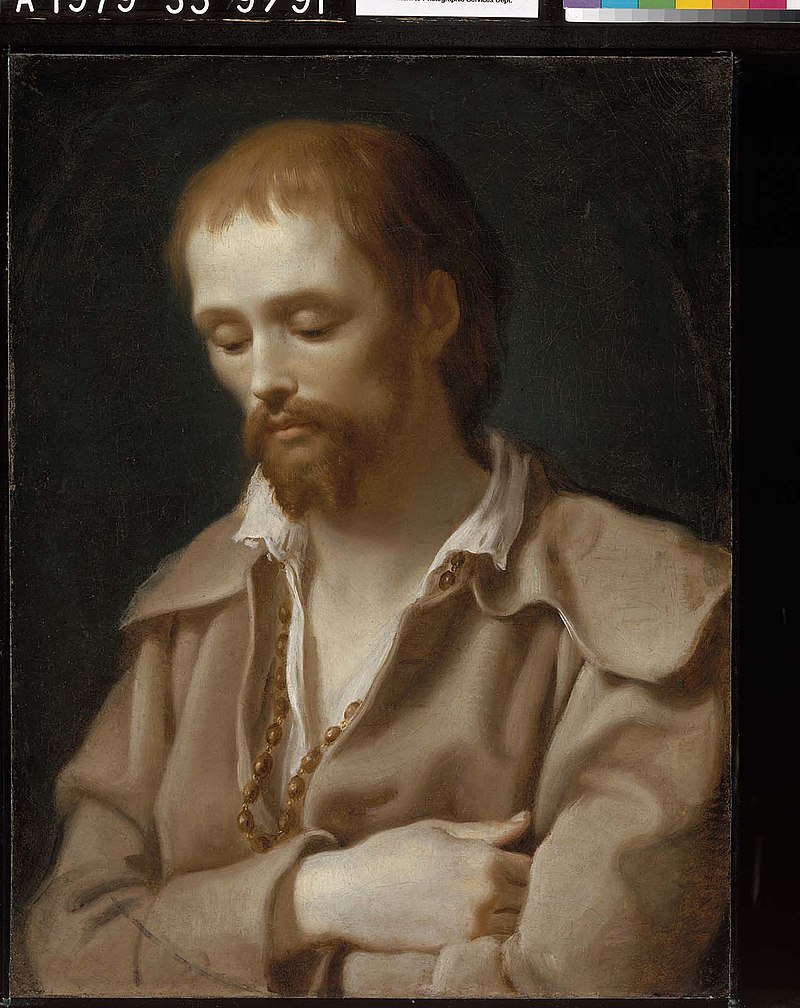
A grace-filled Holy Week to all our readers! As we await and prepare for the Resurrection about to dawn upon us, we might keep in mind two Benedicts: Pope Emeritus Benedict XVI, requiescat in pace, elected on this day in 2005; and today’s commemoration of the mystic pilgrim, Benedict Joseph Labre, who died on this[…]Continue reading→

My Name is Bernadette
April 16th is a propitious day, for besides the anniversary of Father de Valk’s death, who founded Catholic Insight in its print form decades ago, and the commemoration of the ‘two Benedicts’, mentioned in accompanying posts, today we also recall Saint Bernadette Soubirous, the young visionary to whom the Virgin Mary appeared numerous times at[…]Continue reading→
Saint Lydwina of Schiedam and Suffering Joyfully
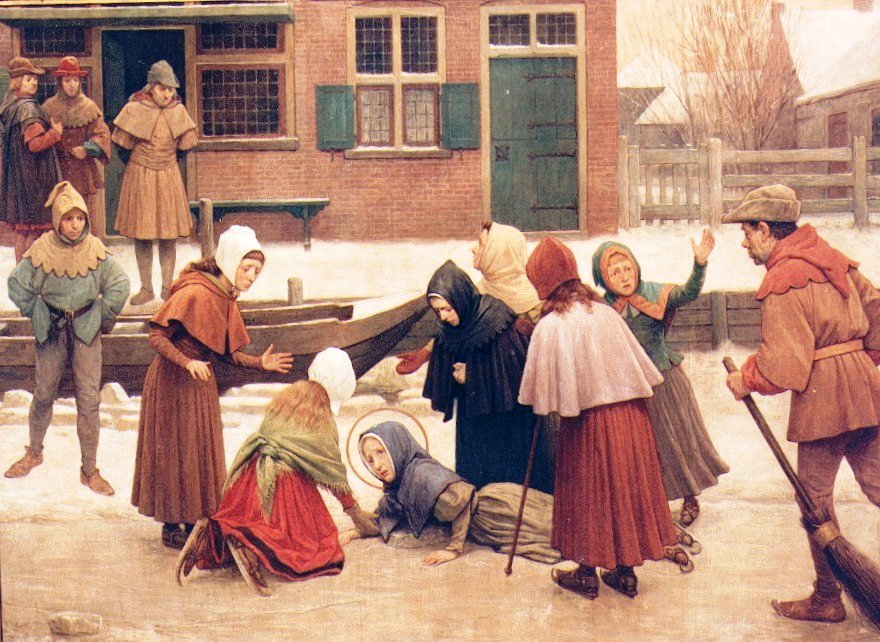
Saint Lydwina of Schiedam (1380 – 1433) was one of the countless and glorious ‘victim souls’ in the history of the Church, those whose lives are filled with suffering, often of an unimaginable intensity, but who suffer joyfully. She was a fifteen-year old Dutch girl, out skating one day, when she fell and broke one[…]Continue reading→
The Glorious Martyrdoms of Martin and Maximus
As we enter into Eastertide, we recall on this 13th of April Pope Saint Martin I (+655), one of the noblest, if most tragic, of the successors of Saint Peter. Born in Umbria, Italy, he was of noble lineage, with great intelligence combined with charity and love of the poor and the Church. While still[…]Continue reading→

Saint Stanislaus of Szczepanów
We celebrate Saint Stanislaus today (+ April 11, 1079), in light of this Easter Octave, a bishop and martyr who accepted the episcopacy only at the direct order of Pope Alexander II. He proved a wise and courageous leader of his flock, put to death by his own king, Boleslaus, for rebuking the monarch’s ‘immoral[…]Continue reading→
Saint Gemma Galgani
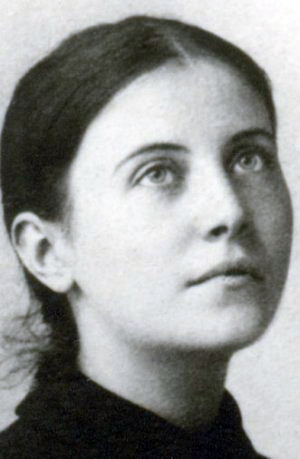
On this April 11th, in 1903 – the same year that the Italian Guiseppe Sarto was elected Pope later that summer as Pius X – a lovely, young Italian woman died, by the name of Gemma Galgani. She lived a brief life of 24 years, as did a number of other young saints, including Pier[…]Continue reading→
An Ideological and Improper Translation
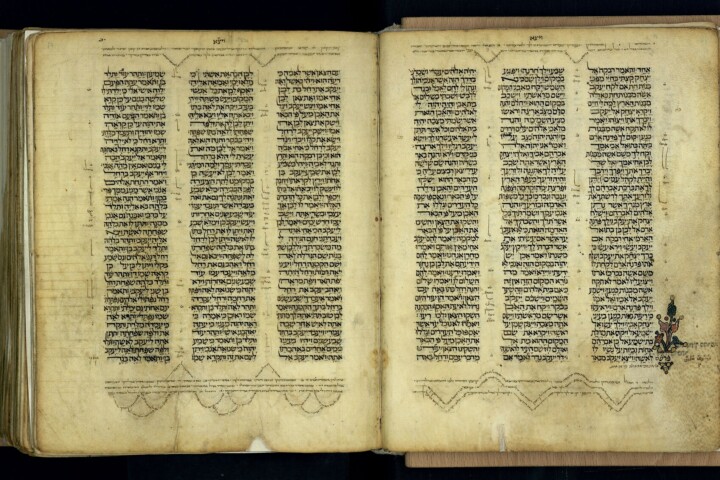
I noticed something odd with the psalm reading at Mass the other day. Our bishops’ conference here in Canada has decreed that the Mass in English – Novus Ordo – use the ‘NRSV’, the ‘New Revised Standard Version’, an ‘updated’ translation of the original RSV, first published in 1952. This ‘new translation’ has the tendency[…]Continue reading→
Saint Jean-Baptiste de la Salle: A Teacher for Teachers
Jean-Baptiste de la Salle (1651 – 1719), a French nobleman, ordained a priest, founded the first order in the Church’s history entirely without priests, and this came about almost by accident. I say ‘almost’, for, of course, there are no accidents with God. Destined for ordination from an early age, Jean-Baptiste never looked back, even[…]Continue reading→