
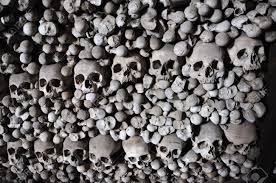
Thanatophilia, Thanatophobia, Keep Your Chins Up, and Keep That Hope in Ya’
(The title of this brief reflection was an attempt at a musical rhyme – and if the theme were not so tragic, I might write the verses of a tragico-comic hymn. Perhaps I may still, but to the point at hand…)
Towards the end of H.G. Wells’ The Time Machine, 800,000 years in the future, the Morlocks – our subterranean descendants, who hate light, and fire even more – witness for the first time a forest ablaze. Many of them, counterintuitively, hurl themselves into the flames in a paroxysm of fear, but also, one might think, of fascination with the very thing they spend their lives trying to avoid.
Might we be more Morlockian than we admit, and was the time traveler really seeing the present?
We avoid death – even the mention of the word is uncomfortable. Rather than ‘died’, we say someone has ‘passed’ – into what, we don’t seem quite clear. Death somehow is too brutal, too definitive. We hide death away in hospitals, and its after-effects in funeral homes, with now a quick cremation the order of the day; the farewell is often an even quicker ‘service’ – if that – perhaps a eulogy or two.
And our lives before that tragic end are spent doing everything we can – even stopping ‘life’ itself – to avoid it, as these Covidian-lockdownian days are making clear.
Gone, it seems, are the days when people died at home, and were waked, with candles, and vigils, the body a living stark reminder of what was, of the reality of death, but with hope of a future resurrection. The Night That Paddy Murphy Died and Finnegan’s Wake evoke such an era, that still exists, here and there. But such now would give most people the creeps. We are a thanatophobic society.
Yet, like the Morlocks, we are strangely absorbed by what we fear most, with thousands now plummeting into the dark abyss of euthanasia, ever-more popular since its legalization, and those are only the official numbers who have been medically murdered.
We will soon see a growing coercion to choose this wide and easy road, to save money, resources, and, most of all, suffering to oneself and one’s loved ones. If the ‘fire’ is going to get you at some point, you might as well dive right in. We are also, hence, thanatophilic – in love with death, its very (purported) nothingness a relief from the harsh and very definitive reality of life.
Perhaps, at the end of the day, what we actually love is comfort and ease – the panem et circenses offered by the government agencies and the media corporations tied inextricably thereto. And what we actually fear is suffering – paschophobia, we might so term it; not just that which immediately precedes death, but even the ‘suffering’ that is part and parcel of life itself. We would rather cocoon ourselves in the warm embrace of the state and its compassionate ‘experts’, entering a kind of anti-embryonic living death, by giving up everything to avoid even the faint risk of death; giving up our responsibility, our true care for each other; the labour involved in using the talents given us, and ‘working out our salvation’ in fear and trembling, of God, and not of other humans.
Our age is one of despair, of ennui, the inevitable bitter fruit of the loss of the transcendent, which is the only thing that can provide any meaning to suffering, for we have lost the purpose of life itself. What are we here for, and whither do we go?
We – and by ‘we’, I mean primarily we Catholics – must keep alive hope, regardless of what happens – hope not so much in this life, primarily, but in the next, firmly holding that however bad things get, all things ultimately work together for the good for those that love God – but not so much for those who do not love Him. And we must move heaven and earth to move them to love Him. They are more to be pitied than feared.
Only so will we maintain that dignity that belongs to us as beings made in the image of that same God Himself, and so achieve the glory of eternal life, for which we are destined, but only if we so choose, in freedom, to follow that narrow path of redemptive suffering.
Carney’s Amoral Majority
After five defections – euphemistically described as ‘crossing the floor’ – and three by-elections, Mark Carney and his Liberals how have their coveted majority. One wonders what bowls of pottage were offered in back-room deals. In the archaic monarchical system that is the Dominion of Canada, this majority allows the newly-minted Prime Minister to rule[…]Continue reading→

Saint Kateri , Canada’s Protectress
This was the title given to Saint Kateri Tekakwitha, by Pope Benedict XVI, when he canonized her on October 28th, 2012, along with six others, in Saint Peter’ Square (she had been beatified by Pope John Paul II back in 1980). With Saint Joseph as our protector, along with the Canadian martyrs, we seem to[…]Continue reading→
A Tale of Two Benedicts
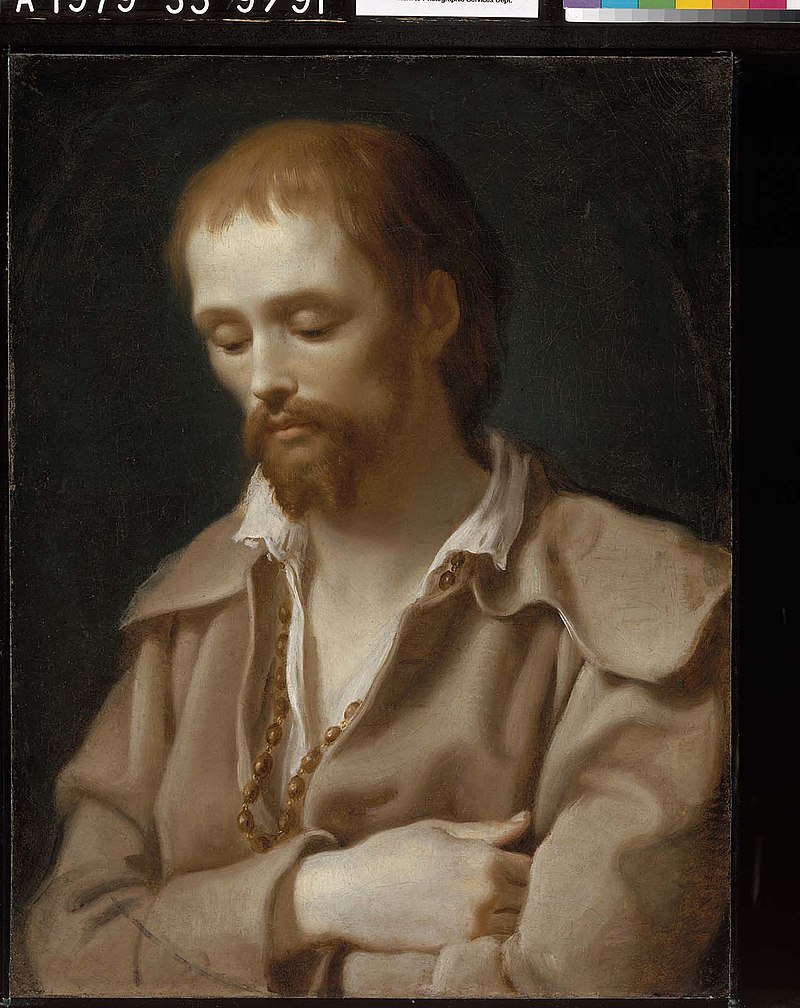
A grace-filled Holy Week to all our readers! As we await and prepare for the Resurrection about to dawn upon us, we might keep in mind two Benedicts: Pope Emeritus Benedict XVI, requiescat in pace, elected on this day in 2005; and today’s commemoration of the mystic pilgrim, Benedict Joseph Labre, who died on this[…]Continue reading→

My Name is Bernadette
April 16th is a propitious day, for besides the anniversary of Father de Valk’s death, who founded Catholic Insight in its print form decades ago, and the commemoration of the ‘two Benedicts’, mentioned in accompanying posts, today we also recall Saint Bernadette Soubirous, the young visionary to whom the Virgin Mary appeared numerous times at[…]Continue reading→
Saint Lydwina of Schiedam and Suffering Joyfully
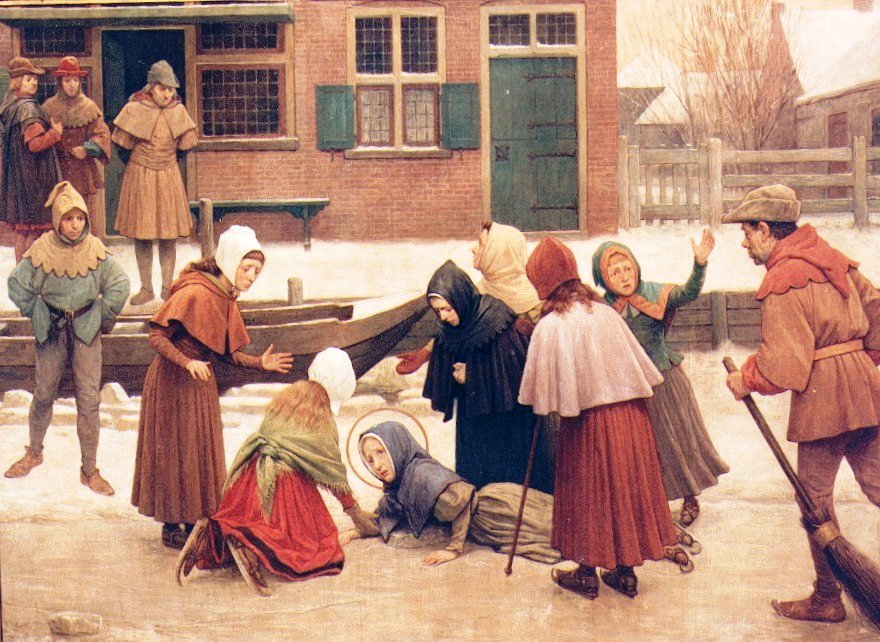
Saint Lydwina of Schiedam (1380 – 1433) was one of the countless and glorious ‘victim souls’ in the history of the Church, those whose lives are filled with suffering, often of an unimaginable intensity, but who suffer joyfully. She was a fifteen-year old Dutch girl, out skating one day, when she fell and broke one[…]Continue reading→
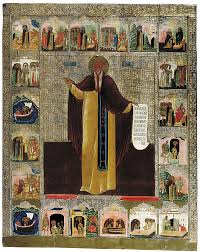
The Glorious Martyrdoms of Martin and Maximus
As we enter into Eastertide, we recall on this 13th of April Pope Saint Martin I (+655), one of the noblest, if most tragic, of the successors of Saint Peter. Born in Umbria, Italy, he was of noble lineage, with great intelligence combined with charity and love of the poor and the Church. While still[…]Continue reading→

Saint Stanislaus of Szczepanów
We celebrate Saint Stanislaus today (+ April 11, 1079), in light of this Easter Octave, a bishop and martyr who accepted the episcopacy only at the direct order of Pope Alexander II. He proved a wise and courageous leader of his flock, put to death by his own king, Boleslaus, for rebuking the monarch’s ‘immoral[…]Continue reading→
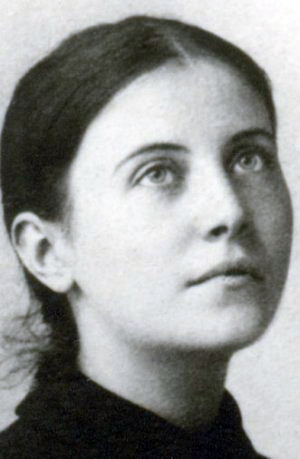
Saint Gemma Galgani
On this April 11th, in 1903 – the same year that the Italian Guiseppe Sarto was elected Pope later that summer as Pius X – a lovely, young Italian woman died, by the name of Gemma Galgani. She lived a brief life of 24 years, as did a number of other young saints, including Pier[…]Continue reading→
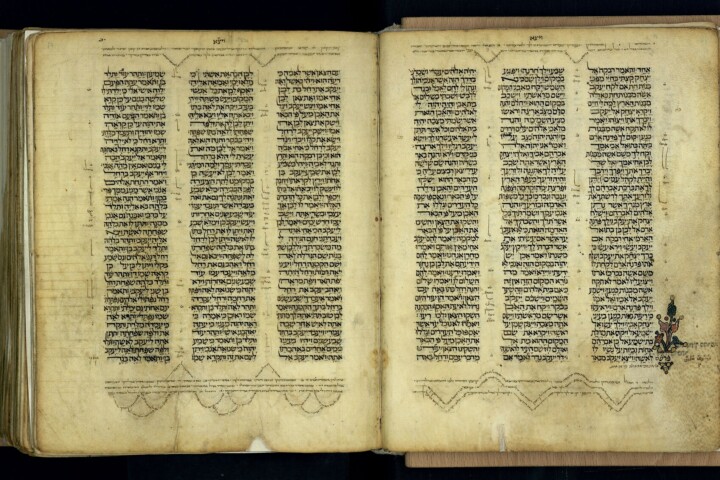
An Ideological and Improper Translation
I noticed something odd with the psalm reading at Mass the other day. Our bishops’ conference here in Canada has decreed that the Mass in English – Novus Ordo – use the ‘NRSV’, the ‘New Revised Standard Version’, an ‘updated’ translation of the original RSV, first published in 1952. This ‘new translation’ has the tendency[…]Continue reading→
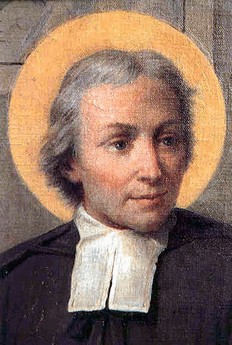
Saint Jean-Baptiste de la Salle: A Teacher for Teachers
Jean-Baptiste de la Salle (1651 – 1719), a French nobleman, ordained a priest, founded the first order in the Church’s history entirely without priests, and this came about almost by accident. I say ‘almost’, for, of course, there are no accidents with God. Destined for ordination from an early age, Jean-Baptiste never looked back, even[…]Continue reading→