
Remembering Those Who Came Before Us
(I wrote this upon visiting my grandparents’ graves in Scotland two years ago, but seems a propos for this time as we especially remember our dead, and speed them into that heavenly kingdom...Editor)
If for the Romanas it was ‘dulce et decorum pro patribus mori, sweet and proper to die for one’s nation, literally, one’s fathers, it is also fitting, even noble and necessary, to remember them. Hence, we should treasure graveyards, the very tombs of those who came before, macabre, perhaps, to those who seek to abolish any thought of death, which may explain the popularity of cremation and scattering ashes to the four winds, as though to disperse their very memory, with no resting place of our ‘fathers and mothers’.
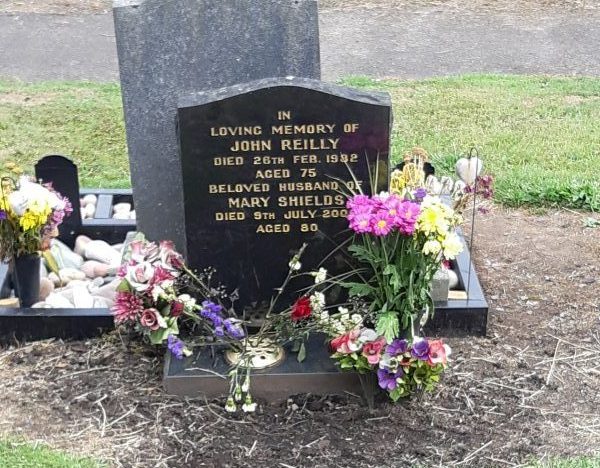
But we Catholics from the very beginning have remebered our dead, from the catacombs onwards. It was a moving experience for me, on the first day of this return to my native land, to visit the graves of my grandparents, all four buried in the quaint and quiet cemetery on the side of a hill in the ancient town of Dumbarton, dating back to pre-Roman days.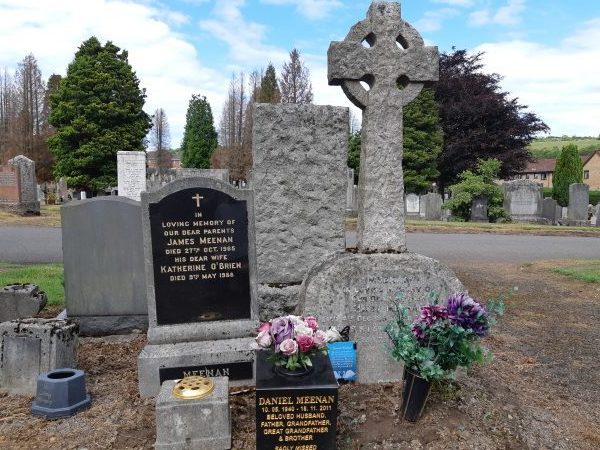 Dumbarton is famed for its ‘rock’, castle, fortress, prison, where William Wallace hid out, and where Mary Queen of Scots was held before her flight to France. In this same town my own parents met, courted and married, and where I and my brothers would have been born, had it not been for my mother’s more precarious births, requiring the bigger hospital in nearby Glasgow.
Whence we come is deeply connected to whither we go, and as John Paul II taught in Evangelium Vitae, our eternity hinges upon this temporal life: Hearth, home, family, relations, friends, even the very ground and land, are all images of the ‘heaven’ towards which we are, or should be, striving.
Hell is just the opposite: up-rootedness, alienation, loneliness, not knowing who one is, rebelllion and isolation. That is why, to return to John Paul II, this time in his 1981 encyclical Laborem Exercens, he describes emigration as an ‘evil’; not a moral one, per se, but a physical one, to leave one’s native land, which has more right upon our talents and gifts than anywhere else, to go to a strange one. This can be endured, and redeemed, and God has brought great good from such suffering. Yet suffering it is, taken on by countless missionarires, as well as millions forced from their countries for dire necessity, most loathe to leave their home. It is odd that so many seek to flee from their family as though it were a joy and release, to become quite literally dis-placed.
As Scotland’s ‘other’ national anthem declares, the Highlanders fought to the death for a ‘wee bit hill and glen’, yet that land is what held the clans rooted, founded, strong. And that is why the Romans could not defeat the Scots, and Emperor Hadrian built his wall in 122 A.D. beyond which was the ‘ultima thule’, the end of the world.
From the earth we came, and to that same earth we will return, and the very name of the first Man, Adam, is derived from the Hebraic word for the ground itself.
We are all descended from that original couple, on whose model we build our own families, immediate and extended, in which there is not just strength, but joy and comfort. It is time we rediscovered the ‘clans’, bonding together, staying rooted, in one place, so we can remember our ancestors, and keep their graves tended.
So find your own home; make a stand, and build a little prelude of the kindgom here on earth.
Carney’s Amoral Majority
After five defections – euphemistically described as ‘crossing the floor’ – and three by-elections, Mark Carney and his Liberals how have their coveted majority. One wonders what bowls of pottage were offered in back-room deals. In the archaic monarchical system that is the Dominion of Canada, this majority allows the newly-minted Prime Minister to rule[…]Continue reading→

Saint Kateri , Canada’s Protectress
This was the title given to Saint Kateri Tekakwitha, by Pope Benedict XVI, when he canonized her on October 28th, 2012, along with six others, in Saint Peter’ Square (she had been beatified by Pope John Paul II back in 1980). With Saint Joseph as our protector, along with the Canadian martyrs, we seem to[…]Continue reading→
A Tale of Two Benedicts
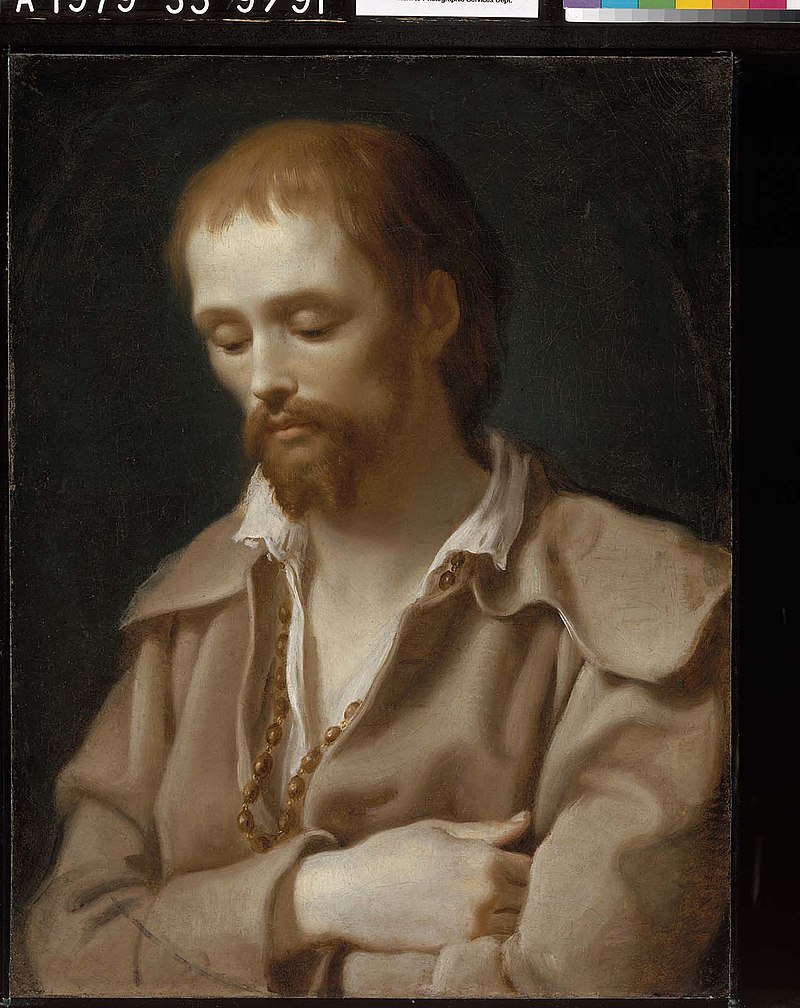
A grace-filled Holy Week to all our readers! As we await and prepare for the Resurrection about to dawn upon us, we might keep in mind two Benedicts: Pope Emeritus Benedict XVI, requiescat in pace, elected on this day in 2005; and today’s commemoration of the mystic pilgrim, Benedict Joseph Labre, who died on this[…]Continue reading→

My Name is Bernadette
April 16th is a propitious day, for besides the anniversary of Father de Valk’s death, who founded Catholic Insight in its print form decades ago, and the commemoration of the ‘two Benedicts’, mentioned in accompanying posts, today we also recall Saint Bernadette Soubirous, the young visionary to whom the Virgin Mary appeared numerous times at[…]Continue reading→
Saint Lydwina of Schiedam and Suffering Joyfully
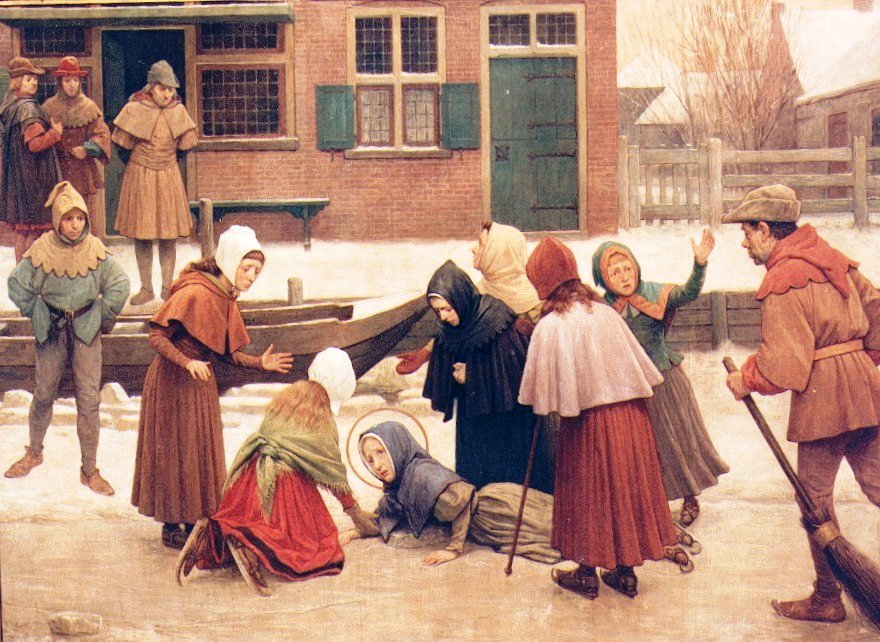
Saint Lydwina of Schiedam (1380 – 1433) was one of the countless and glorious ‘victim souls’ in the history of the Church, those whose lives are filled with suffering, often of an unimaginable intensity, but who suffer joyfully. She was a fifteen-year old Dutch girl, out skating one day, when she fell and broke one[…]Continue reading→
The Glorious Martyrdoms of Martin and Maximus
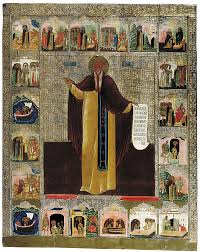
As we enter into Eastertide, we recall on this 13th of April Pope Saint Martin I (+655), one of the noblest, if most tragic, of the successors of Saint Peter. Born in Umbria, Italy, he was of noble lineage, with great intelligence combined with charity and love of the poor and the Church. While still[…]Continue reading→

Saint Stanislaus of Szczepanów
We celebrate Saint Stanislaus today (+ April 11, 1079), in light of this Easter Octave, a bishop and martyr who accepted the episcopacy only at the direct order of Pope Alexander II. He proved a wise and courageous leader of his flock, put to death by his own king, Boleslaus, for rebuking the monarch’s ‘immoral[…]Continue reading→
Saint Gemma Galgani
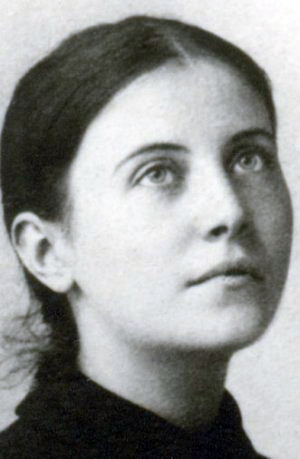
On this April 11th, in 1903 – the same year that the Italian Guiseppe Sarto was elected Pope later that summer as Pius X – a lovely, young Italian woman died, by the name of Gemma Galgani. She lived a brief life of 24 years, as did a number of other young saints, including Pier[…]Continue reading→
An Ideological and Improper Translation
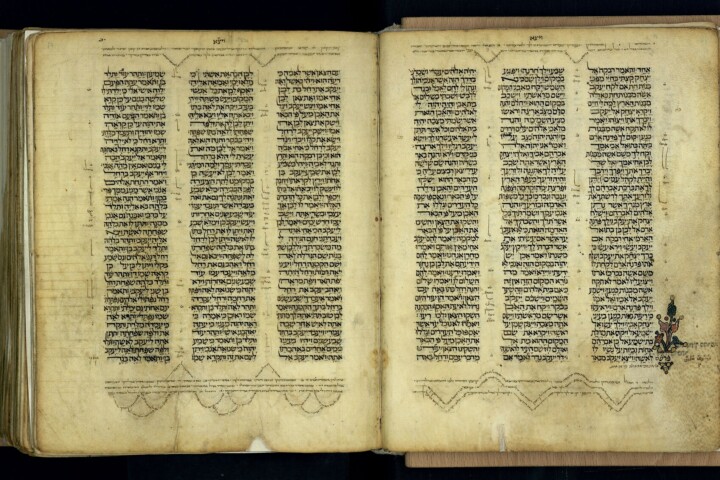
I noticed something odd with the psalm reading at Mass the other day. Our bishops’ conference here in Canada has decreed that the Mass in English – Novus Ordo – use the ‘NRSV’, the ‘New Revised Standard Version’, an ‘updated’ translation of the original RSV, first published in 1952. This ‘new translation’ has the tendency[…]Continue reading→
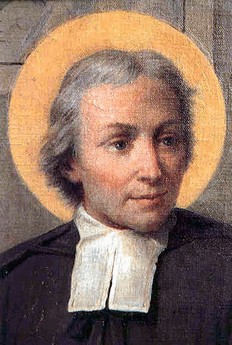
Saint Jean-Baptiste de la Salle: A Teacher for Teachers
Jean-Baptiste de la Salle (1651 – 1719), a French nobleman, ordained a priest, founded the first order in the Church’s history entirely without priests, and this came about almost by accident. I say ‘almost’, for, of course, there are no accidents with God. Destined for ordination from an early age, Jean-Baptiste never looked back, even[…]Continue reading→