
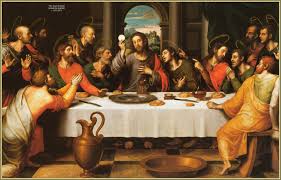
The Eucharist and Gratitude
And whatever you do, whether in word or deed, do it all in the name of the Lord Jesus, giving thanks to God the Father through him. (Col 3:17)
As a beginning student of ancient Greek, I was amazed to find out that the original Greek word for “gratitude” is Eucharistia. Whenever our Lord and His apostles exhorted their listeners to “give thanks” to God, this is the word that they used. This close relationship between the Eucharist and the Christian understanding of gratitude prompted me to ask myself, “How is the Christian concept of gratitude different from the world’s notion of gratitude?”
In our daily conversations, whenever we hear someone being accused of ingratitude, this usually means that the accuser felt disappointed at not being shown enough appreciation for his efforts. “How can you be so ungrateful,” the accuser often complains, “when I’ve done so much for you, and exerted so much effort on your behalf?” Similarly, people living under authoritarian regimes are often exhorted to be “grateful” for what they already have, and to stop asking for more rights, justice or transparency. In this sense, “gratitude” is simply another word for “complacency”: a person who is “grateful” must stop asking difficult questions and simply be content with his lot, without ever caring for the bigger picture of things.
Given these unflattering ways of understanding the word ‘gratitude’, it is unsurprising that many people see God in a similar vein: as a power-hungry Being who demands unquestioning ‘gratitude’ from His followers. According to this viewpoint, a believer’s sole duty lies in being ‘grateful’ for the material blessings God provides, without ever asking deeper questions about life.
But is this, in fact, the kind of thanksgiving that God desires? It cannot be, for Jesus Himself proclaims that there is much more to life than material blessings: “Life is more than food, and the body more than clothes[1].” God knows that our heart will remain restless until it finds the Love for which it was created[2]. This is, in fact, the true meaning of Christian gratitude: we are grateful because we have found the Love for which we were created, and which our hearts continually long for, and we seek to continually remain in this Love[3].
Indeed, every single human being in this world is longing for love. We long to know a Love that is powerful yet tender, intimate and compassionate, understanding and true. We long to be loved wholeheartedly, faithfully, tenderly, and everlastingly. Knowingly or not, we continually seek this love in all our human endeavours and relationships. And yet, despite our best efforts, we find it impossible to completely understand those we love, nor are we able to fully penetrate the mystery of their sufferings. We are often forced to watch helplessly as they suffer, endure various kinds of pain, and eventually pass on to another life. In our heart of hearts, we long for a Love that is true, everlasting and victorious—a love that is not tinged with impotency, helplessness, confusion or bitterness. The reason Christians are grateful—eucharistos—is because that Love is already present among us. In fact, the Christian understanding of gratitude is closely related to its understanding of God’s very nature, for God is love[4].
The Eucharist is, in fact, God’s way of validating His claim of being Love itself. For what is the Eucharist but God being broken for us? Many peoples and nations throughout history have worshipped various gods and goddesses, but none of these deities has ever been willing to partake in the brokenness of human nature. God’s willingness to be broken for and together with us is the ultimate proof of His Love—in fact, it proves that He is Love itself. For He did not merely suffer once, a very long time ago, and then went back to Heaven to live as a merry spectator of human affairs. On the contrary, He is constantly being broken whenever there is brokenness in this world, for in His great Love He has made the Church both His Body[5] and His Bride[6]. Indeed, since all pain signals are sent to the brain, how can any part of the Body suffer without the Head knowing and partaking of it as well?
And just as the Lord partakes in our pains and sorrows, He also partakes in our longing for fullness, wholeness and consummation. In truth, within each of us lies a deep longing for that “happily ever after”—a Time when Love is victorious, when it conquers all evil and demolishes all barriers, when there is no longer any separation, pain or loss. As a faithful Bridegroom, Christ partakes in this longing as well. In one of the most beautiful passages in Scripture, St. Paul proclaims that “Christ loved the church and gave himself up for her … For no one ever hated his own flesh, but nourishes and cherishes it, just as Christ does the church, because we are members of his body[7].” The fact that God loves us so much that He is willing to partake in our sufferings and deepest longings, even until the end of the world—is that not the very definition of Love?
It is unsurprising, therefore, that our Lord instituted the Eucharist on the eve of His Passion. Through this Sacrament, He wants to proclaim to the world that the Love we all long for is already in our midst, deeply yearning to share our longings, joys and sorrows, and to lead us surely to everlasting glory. He wants this Love to be proclaimed, to be lived faithfully in our lives and to be shared with others. And certainly, God wants this Love to be the ultimate cause of our gratitude.
This brings us to our last point. The original Greek word for ‘ungrateful’ is acharistos (as opposed to eucharistos, which means ‘grateful’). In the Christian worldview, a person is ungrateful if he fails to recognize the presence of Love. Ingratitude, therefore, has nothing to do with the notion of a power-hungry God in need of being praised or flattered. Ingratitude is a failure to recognize true Love in our midst. Admittedly, it may sometimes be difficult to recognize this Love in the midst of our world’s brokenness, hypocrisy, selfishness and counterfeit ‘loves’. But just as each of us has an innate desire for true Love, each of us also has the supreme duty to seek out this Love, recognize it and then choose to remain in it forever. A consistent failure to do so may result in being cut off from this Love for all eternity.
Therefore, as members of the Body of Christ, it is our duty to incarnate Christ’s Love and share it with others. Just as our Lord has partaken in our hunger and brokenness and made them His own, we must make it our duty to understand the longings and fears of our fellowmen, so as to be able to effectively communicate Christ’s Love to them. Scripture powerfully proclaims that if we love one another, we have “passed from death to life[8].” Indeed, to be able to know true Love, to remain in it and partake it with others—is that not the ultimate cause of gratitude?
[1] Luke 12:23, cf. Matthew 6:25
[2] Or, as St. Augustine famously put it in his Confessions: “You have made us for yourself, O Lord, and our heart is restless until it rests in you.”
[3] Cf. John 15:9
[4] 1 John 4:8, 16
[5] Ephesians 5:29-30
[6] Revelation 21:2
[7] Ephesians 5:25-30
[8] 1 John 3:14

Remembering Father Alphonse de Valk
(Today marks the sixth anniversary of the death of Father Alphonse de Valk, C.S.B., a faithful, courageous and indefatigable Basilian priest, pro-life-and-family apostle, and the founder of Catholic Insight magazine. Here is what we wrote those on his entering into eternity five years ago, as we continue to remember him in our prayers and thoughts)[…]Continue reading→

Divine Mercy Sunday – An Echo of Every Mass
Reach out your hand and put it in my side. Do not doubt but believe’… ‘My Lord and my God!’ (Jn. 20:18)). Today is Divine Mercy Sunday, and as we celebrate the end of the Easter Octave, we contemplate the wounded side of our Saviour, the Church’s source of life. On Good Friday in the[…]Continue reading→

Saint Stanislaus of Szczepanów
We celebrate Saint Stanislaus today (+ April 11, 1079), in light of this Easter Octave, a bishop and martyr who accepted the episcopacy only at the direct order of Pope Alexander II. He proved a wise and courageous leader of his flock, put to death by his own king, Boleslaus, for rebuking the monarch’s ‘immoral[…]Continue reading→
First Holy Communion: Sermon from May 16, 1943
Here is a sermon from the good old days by +Rev. Msgr. Vincent Nicholas Foy (August 14, 1915 – March 13, 2017), from 1943. Readers may recall that Pope Saint Pius X, by the decree Quam Singulari in 1910, lowered the customary age of reception of Holy Communion – after the rigours of the plague[…]Continue reading→
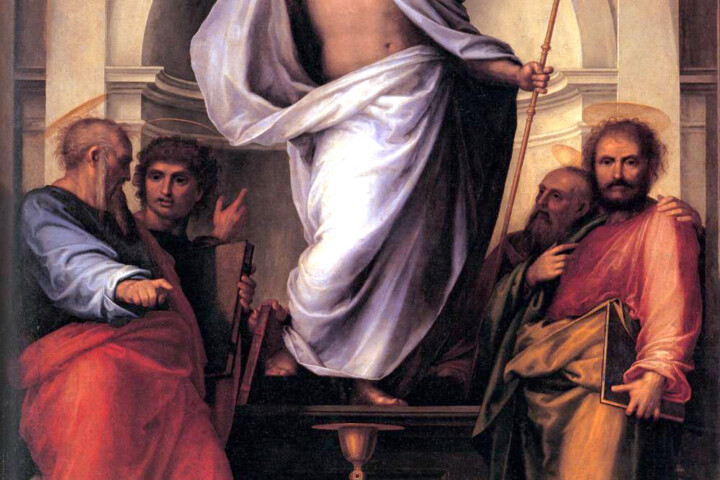
In the Glorious Light of Easter, Alleluia!
Set your minds on things that are above, not on things that are on earth, for you have died, and your life is hidden with Christ in God. When Christ who is your life is revealed, then you also will be revealed with him in glory (Col. 3:3-4). The Resurrection of Our Lord and Saviour[…]Continue reading→
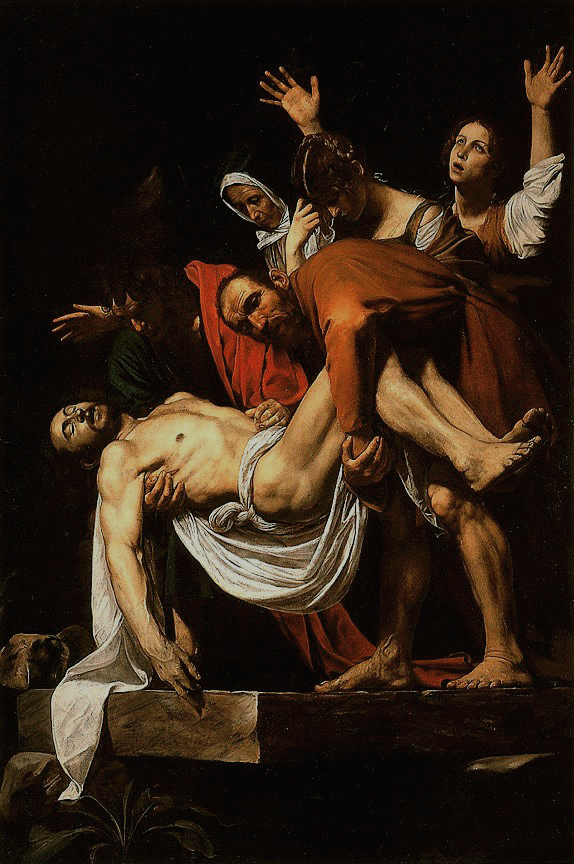
An Ancient Homily for Holy Saturday
The time between Good Friday and Easter Sunday is one of waiting, in silence, as the world wonders – anticipates – what will happen, after the death of Christ. We re-live this time each year in the anamnesis of our liturgy, and in turn look forward to the glorious re-creation of all things at the[…]Continue reading→
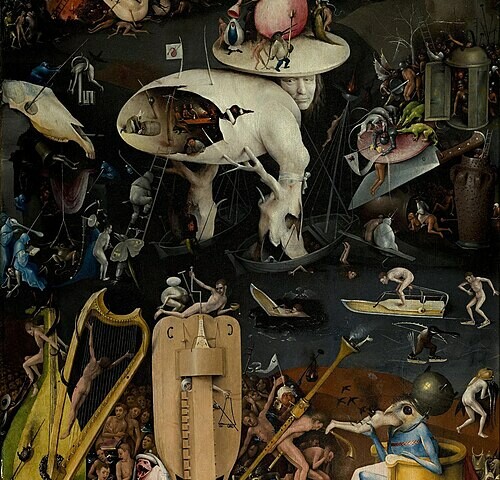
Europe’s Long Descent
(As we meditate on this day on Christ’s burial, and His descent into hell, it is fitting to ponder here with contributor Peter Marcus how the world seems to be heading there as well. The difference is that, although God cannot ‘redeem’ hell, nor those therein, He can and did redeem the world. There is[…]Continue reading→
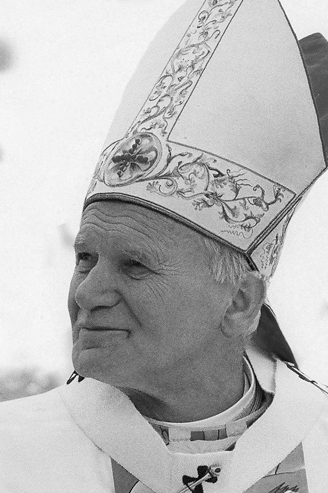
Pope Saint John Paul II’s First Good Friday Homily
ADDRESS OF HIS HOLINESS JOHN PAUL II AT THE CONCLUSION OF THE STATIONS OF THE CROSS AT THE COLOSSEUM Good Friday, 13 April 1979 When we make the Way of the Cross from one station to the next, in spirit we are always at the spot wherethis journey had its “historical” place: where it[…]Continue reading→
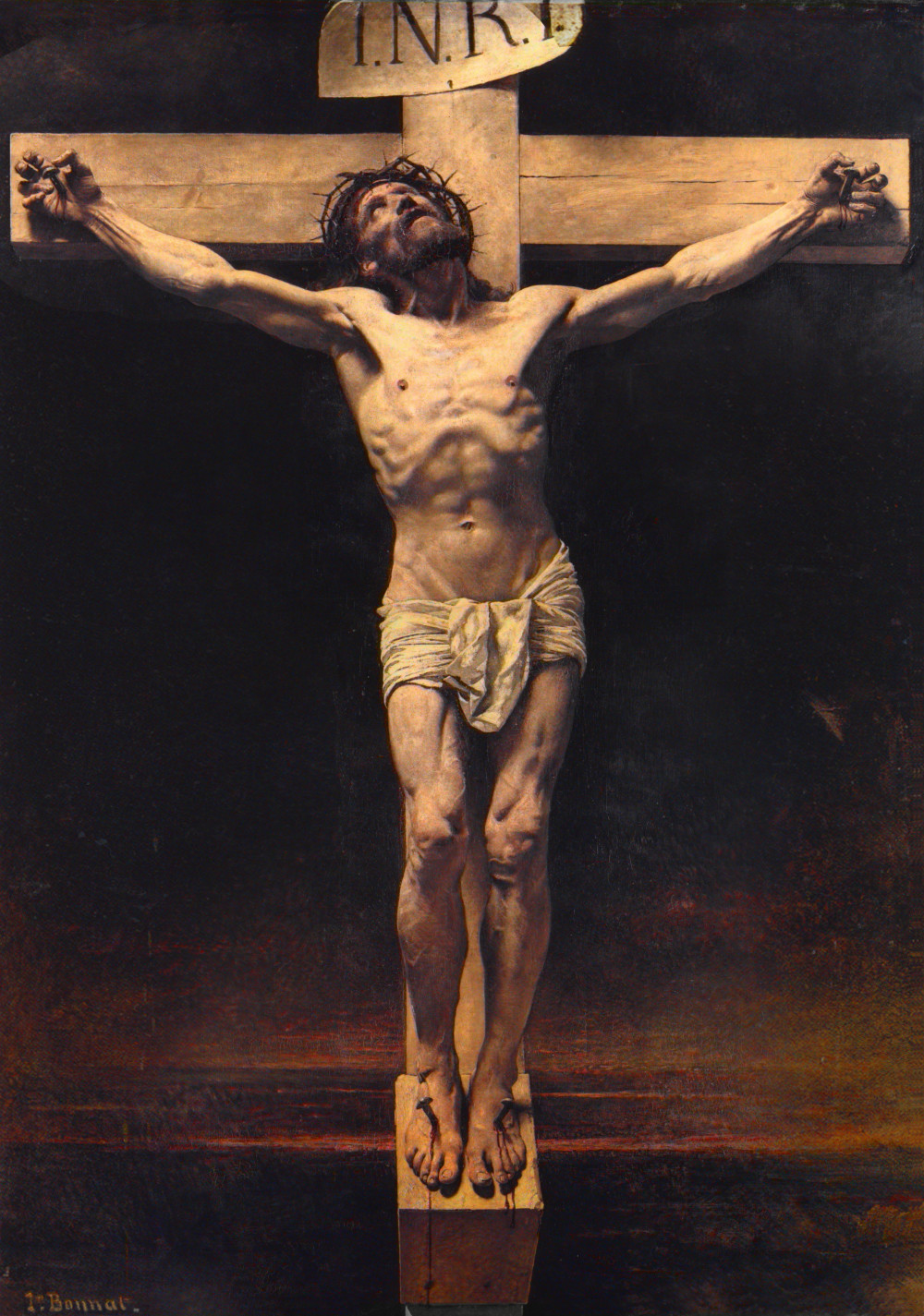
A Meditation for Good Friday: How To Undo the Effects of Sin?
Cardinal Newman, now Saint John Henry Newman, was a towering figure of nineteenth-century Catholicism who is almost universally admired. I say “almost” because not everyone likes him. I knew a priest once, Arthur Caulkins, who has become disenchanted with Newman. As an undergraduate Arthur had been enamoured of Newman, and this interest continued when he[…]Continue reading→
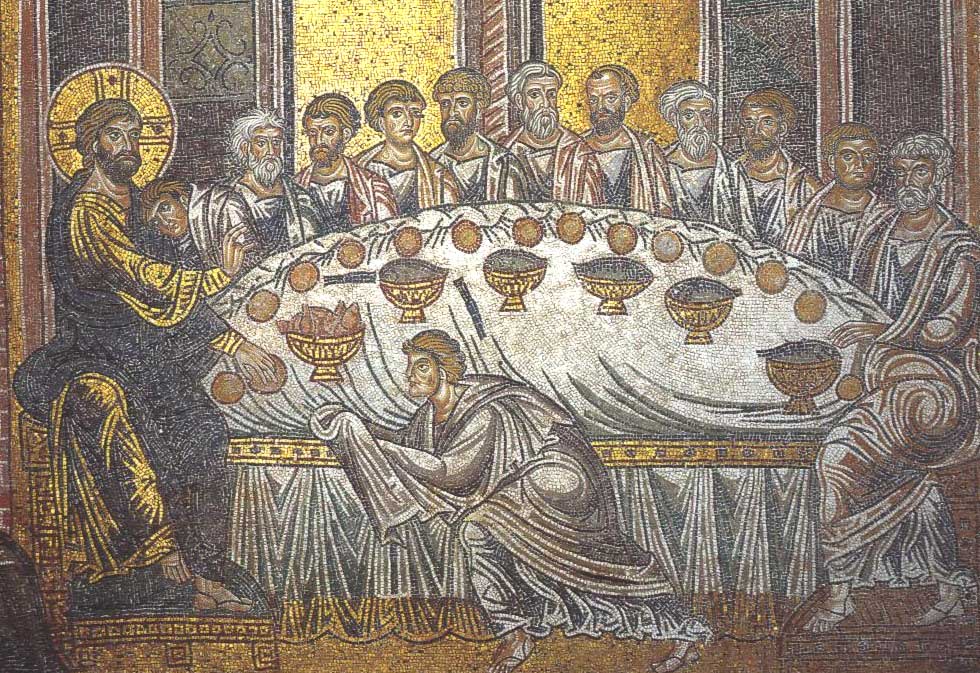
Pope Benedict’s Last Holy Thursday Homily
MASS OF THE LORD’S SUPPER HOMILY OF HIS HOLINESS BENEDICT XVI Basilica of St John Lateran Holy Thursday, 5 April 2012 Photo Gallery (Video) Dear Brothers and Sisters! Holy Thursday is not only the day of the institution of the Most Holy Eucharist, whose splendour bathes all else and in some ways draws it to[…]Continue reading→