
Ascension and the Maid of Orleans
In the universal Church, this is the feast of the Ascension, celebrated forty days after the Resurrection, on which we begin the most ancient novena in our tradition, the nine days to the coming of the Holy Spirit at Pentecost. In Canada and a number of other places – for ‘pastoral reasons’, not least that most Catholics who still ‘observe’ would not attend Mass on a ‘weekday’ – the Ascension is moved to the Sunday.
But we may celebrate in our hearts, and, of course, begin that novena. We all need the gifts of the Holy Spirit – counsel and fortitude come vividly to mind – to guide our feet in the these confusing and obscure days. Also, you might peruse today’s inimitable reflection of Father George Rutler on what this feast signifies.
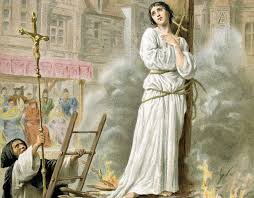
Saint Jeanne d’Arc, the maid of Orleans, the saviour of France in the Hundred Years’ War, is not commemorated in the universal calendar of the Church, but it is a holiday in France, as one of her numerous patrons. A young peasant girl from Domremy in north-eastern France, now named after her with a ‘la Pucelle’ tacked on, Joan, as she is styled en Anglais, as a young teen began receiving visions of the Archangel Michael, Saint Margaret and Saint Catherine of Alexandria – the latter two early virgin martyrs. The heavenly messengers asked her to help Charles VII, the uncrowned French king, to defeat the aggression of the English and drive them out of France.
The travails of her brief life, through which her vivid personality shines forth, have been told numerous times, even by such non-believers as George Bernard Shaw and Mark Twain. How Joan, by her persistence, managed to gain entrance to the king’s court. How Charles had disguised himself, but Joan walked straight up to him, embraced his knees and offered homage. How she disguised herself as a ‘boy’ to gain entrance to the camp, but, once discovered, was adopted as the ensign of the holiness, purity, the very ‘rightness’ of the French cause, leading the beleaguered troops – she never fought, but was once injured by an arrow to the shoulder – to lift the siege of Orleans, then on to victory upon victories, culminating in the coronation of Charles at Reims on July 17, 1429. Bolstered, the French went on in the subsequent two decades to reclaim all of France, with the century-long war ending, as providence would have it, with the decisive Battle of Castillon on the very anniversary of Charles’ coronation, July 17, 1453. Only the port of Calais remained in English hands, until it too fell to the French under the brief reign of Mary Tudor.
In a tragic irony, after Charles had reclaimed his kingship, Joan was captured by Burgundian troops allied with England, and handed over to the enemy. The vacillating king, who owed his throne to her, did little to help. Tried for heresy and witchcraft by a pro-English court of clerics, led by Pierre Cauchon, Joan was unjustly condemned, and burned at the stake on this day in 1431, at nineteen years of age. They kept the flames going until her body was reduced to ashes, which were dumped unceremoniously into the Seine, to ensure there would be no relics. The executioner was quite certain she had been damned.
Yet, her replies during her trial, which make for fascinating and edifying reading, and which were used for her future canonization, evince a pure soul, motivated and inspired only by God. As she is quoted in the universal Catechism:
“Asked if she knew that she was in God’s grace, she replied: ‘If I am not, may it please God to put me in it; if I am, may it please God to keep me there.’
Would that we all could reply with the same trust in God’s goodness, even if the flames are licking at our toes.
Saint Joan was posthumously re-tried under Pope Calixtus III in 1456, and declared innocent, yet her canonization had to wait for five more centuries, being declared definitively in heaven by Pope Benedict XV on May 16, 1920, not for saving France, but, as with all the saints, for who she was, and is, a handmaid of the Lord.
Saint Jeanne, priez pour la France, priez pour nous tous.
Carney’s Amoral Majority
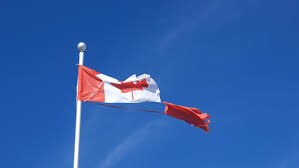
After five defections – euphemistically described as ‘crossing the floor’ – and three by-elections, Mark Carney and his Liberals how have their coveted majority. One wonders what bowls of pottage were offered in back-room deals. In the archaic monarchical system that is the Dominion of Canada, this majority allows the newly-minted Prime Minister to rule[…]Continue reading→

Saint Kateri , Canada’s Protectress
This was the title given to Saint Kateri Tekakwitha, by Pope Benedict XVI, when he canonized her on October 28th, 2012, along with six others, in Saint Peter’ Square (she had been beatified by Pope John Paul II back in 1980). With Saint Joseph as our protector, along with the Canadian martyrs, we seem to[…]Continue reading→
A Tale of Two Benedicts
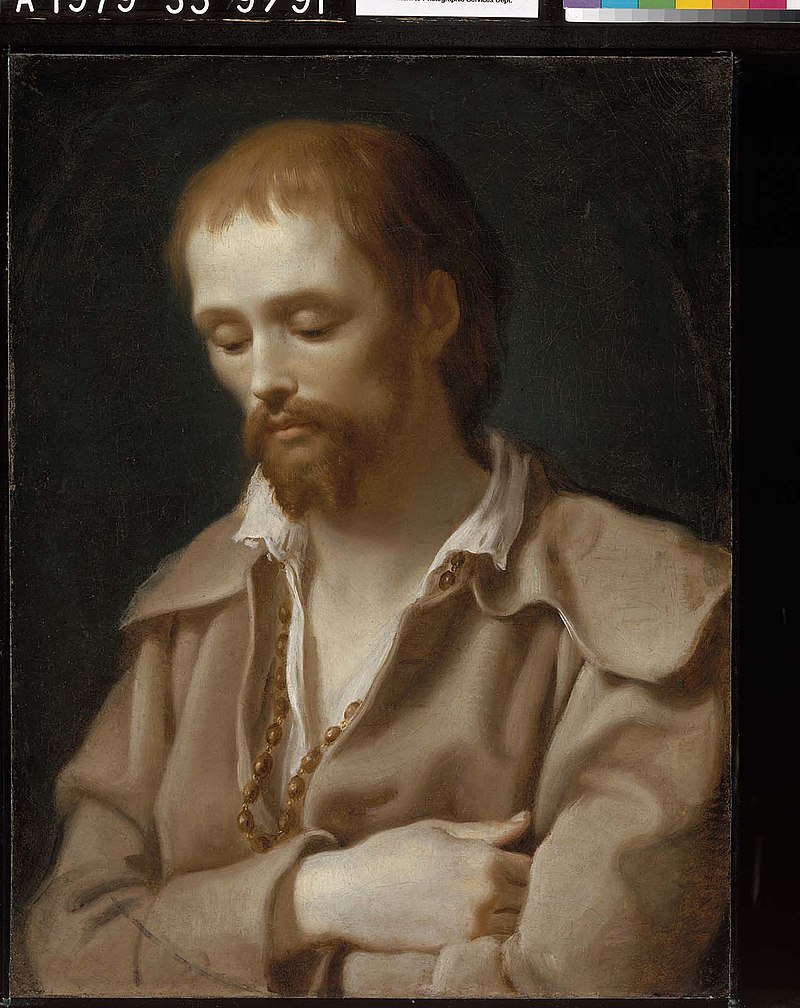
A grace-filled Holy Week to all our readers! As we await and prepare for the Resurrection about to dawn upon us, we might keep in mind two Benedicts: Pope Emeritus Benedict XVI, requiescat in pace, elected on this day in 2005; and today’s commemoration of the mystic pilgrim, Benedict Joseph Labre, who died on this[…]Continue reading→

My Name is Bernadette
April 16th is a propitious day, for besides the anniversary of Father de Valk’s death, who founded Catholic Insight in its print form decades ago, and the commemoration of the ‘two Benedicts’, mentioned in accompanying posts, today we also recall Saint Bernadette Soubirous, the young visionary to whom the Virgin Mary appeared numerous times at[…]Continue reading→
Saint Lydwina of Schiedam and Suffering Joyfully
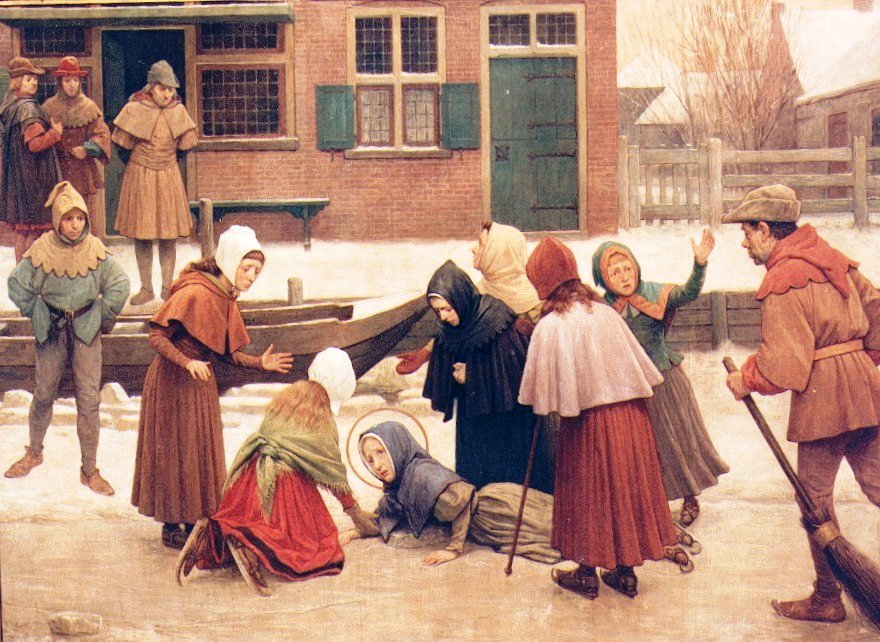
Saint Lydwina of Schiedam (1380 – 1433) was one of the countless and glorious ‘victim souls’ in the history of the Church, those whose lives are filled with suffering, often of an unimaginable intensity, but who suffer joyfully. She was a fifteen-year old Dutch girl, out skating one day, when she fell and broke one[…]Continue reading→
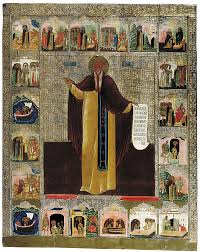
The Glorious Martyrdoms of Martin and Maximus
As we enter into Eastertide, we recall on this 13th of April Pope Saint Martin I (+655), one of the noblest, if most tragic, of the successors of Saint Peter. Born in Umbria, Italy, he was of noble lineage, with great intelligence combined with charity and love of the poor and the Church. While still[…]Continue reading→

Saint Stanislaus of Szczepanów
We celebrate Saint Stanislaus today (+ April 11, 1079), in light of this Easter Octave, a bishop and martyr who accepted the episcopacy only at the direct order of Pope Alexander II. He proved a wise and courageous leader of his flock, put to death by his own king, Boleslaus, for rebuking the monarch’s ‘immoral[…]Continue reading→
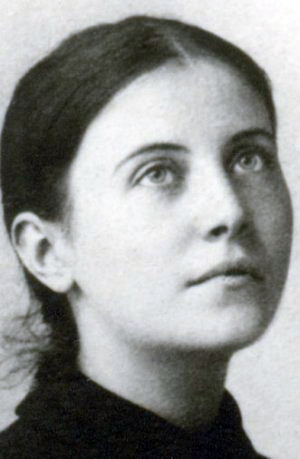
Saint Gemma Galgani
On this April 11th, in 1903 – the same year that the Italian Guiseppe Sarto was elected Pope later that summer as Pius X – a lovely, young Italian woman died, by the name of Gemma Galgani. She lived a brief life of 24 years, as did a number of other young saints, including Pier[…]Continue reading→
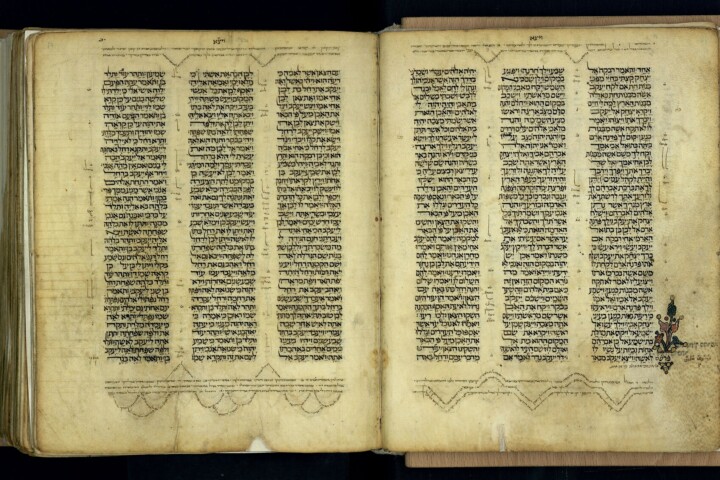
An Ideological and Improper Translation
I noticed something odd with the psalm reading at Mass the other day. Our bishops’ conference here in Canada has decreed that the Mass in English – Novus Ordo – use the ‘NRSV’, the ‘New Revised Standard Version’, an ‘updated’ translation of the original RSV, first published in 1952. This ‘new translation’ has the tendency[…]Continue reading→
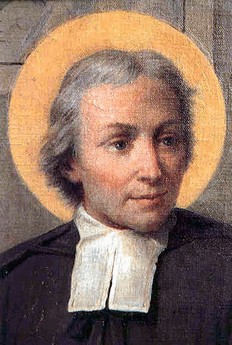
Saint Jean-Baptiste de la Salle: A Teacher for Teachers
Jean-Baptiste de la Salle (1651 – 1719), a French nobleman, ordained a priest, founded the first order in the Church’s history entirely without priests, and this came about almost by accident. I say ‘almost’, for, of course, there are no accidents with God. Destined for ordination from an early age, Jean-Baptiste never looked back, even[…]Continue reading→