
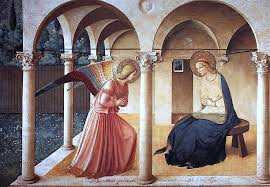
Mary’s Hope
A blessed solemnity of the Annunciation, which commemorates the central feast of the Incarnation – the Word made flesh – the conception of the Son of God in the womb of the Blessed Virgin, freely chosen by the young Hebrew maiden Mary, who was given a choice to make: Fiat mihi secundum verbum tuum, which should also be our response to anything manifested as the will of God, whether through an angel, or any of the ‘messengers’ of providence whom we may meet in our daily journeys. As Saint Augustine wrote, Mary conceived Christ in her heart before she conceived Him in her womb. Tradition holds that Mary was a virgin, consecrating herself by vow, thus, in all expectation, foregoing her ‘chance’ to be the mother of the Messiah.
But God chooses in a way that is not always in accord with the ways of men, and does the unexpected, through the lowly, the meek, the humble, and those who trust most in Him. For the apparent wisdom and strength of the world are not His wisdom and strength, which far surpass anything we could think or hope.
Such was the import of this day that when Dionysius Exiguus reformed the calendar in 525 A.D. – well, what we now know of as that date, for it was he who came up with the whole ‘anno Domini’ classification, now sadly reduced to the bland, agnostic ‘C.E.’, about which the less said the better – the monk had the new year begin on this day, a custom that held in England until 1752. Better, it seems, than having one’s year begin on a month dedicated to a two-faced pagan god in the depths of bleak winter. For it was on this day that the new era of grace and redemption begin, when our salvation truly is at hand. And, to add to this supernatural truth, the vernal equinox brings a beginning of new life, of warmer climes and sunnier days, to warm wintry hearts with hope and promise of future good things.
As the angel Gabriel said to Mary, ‘you shall call his name Jesus’, which, as we know, means ‘YHWH saves’. As the Lord led the Israelites out of the slavery of Egypt, so He will lead us out of the slavery of sin, which leads only to hell, and in which our world seems more immersed with each passing day. Convincing a dark world of truth and goodness oft seems an impossible task, but, as the angel reminds the young maiden, nothing is impossible with God.
So rejoice, one and all, and in the truest sense of that term, a happy and blessed new year…
O Virgo Maria, ora pro nobis semper.
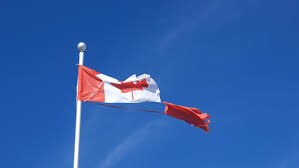
Carney’s Amoral Majority
After five defections – euphemistically described as ‘crossing the floor’ – and three by-elections, Mark Carney and his Liberals how have their coveted majority. One wonders what bowls of pottage were offered in back-room deals. In the archaic monarchical system that is the Dominion of Canada, this majority allows the newly-minted Prime Minister to rule[…]Continue reading→

Saint Kateri , Canada’s Protectress
This was the title given to Saint Kateri Tekakwitha, by Pope Benedict XVI, when he canonized her on October 28th, 2012, along with six others, in Saint Peter’ Square (she had been beatified by Pope John Paul II back in 1980). With Saint Joseph as our protector, along with the Canadian martyrs, we seem to[…]Continue reading→
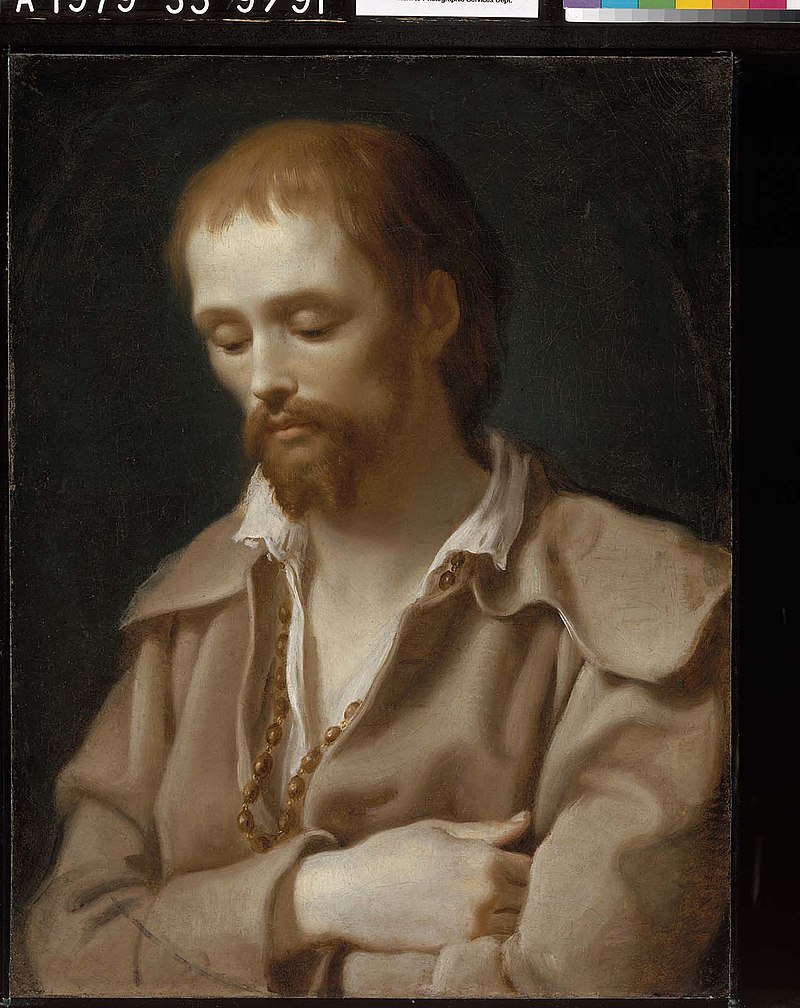
A Tale of Two Benedicts
A grace-filled Holy Week to all our readers! As we await and prepare for the Resurrection about to dawn upon us, we might keep in mind two Benedicts: Pope Emeritus Benedict XVI, requiescat in pace, elected on this day in 2005; and today’s commemoration of the mystic pilgrim, Benedict Joseph Labre, who died on this[…]Continue reading→

My Name is Bernadette
April 16th is a propitious day, for besides the anniversary of Father de Valk’s death, who founded Catholic Insight in its print form decades ago, and the commemoration of the ‘two Benedicts’, mentioned in accompanying posts, today we also recall Saint Bernadette Soubirous, the young visionary to whom the Virgin Mary appeared numerous times at[…]Continue reading→
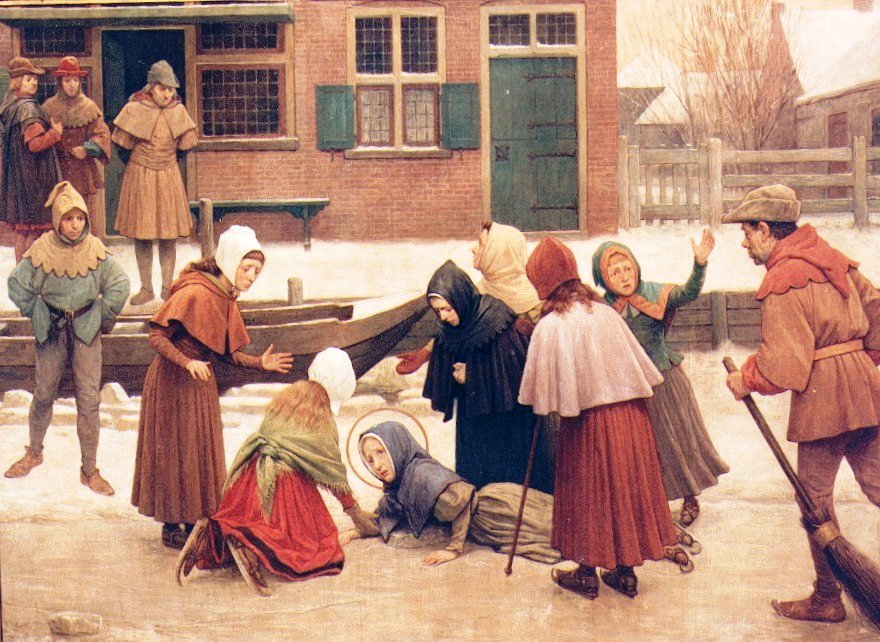
Saint Lydwina of Schiedam and Suffering Joyfully
Saint Lydwina of Schiedam (1380 – 1433) was one of the countless and glorious ‘victim souls’ in the history of the Church, those whose lives are filled with suffering, often of an unimaginable intensity, but who suffer joyfully. She was a fifteen-year old Dutch girl, out skating one day, when she fell and broke one[…]Continue reading→
The Glorious Martyrdoms of Martin and Maximus
As we enter into Eastertide, we recall on this 13th of April Pope Saint Martin I (+655), one of the noblest, if most tragic, of the successors of Saint Peter. Born in Umbria, Italy, he was of noble lineage, with great intelligence combined with charity and love of the poor and the Church. While still[…]Continue reading→

Saint Stanislaus of Szczepanów
We celebrate Saint Stanislaus today (+ April 11, 1079), in light of this Easter Octave, a bishop and martyr who accepted the episcopacy only at the direct order of Pope Alexander II. He proved a wise and courageous leader of his flock, put to death by his own king, Boleslaus, for rebuking the monarch’s ‘immoral[…]Continue reading→
Saint Gemma Galgani
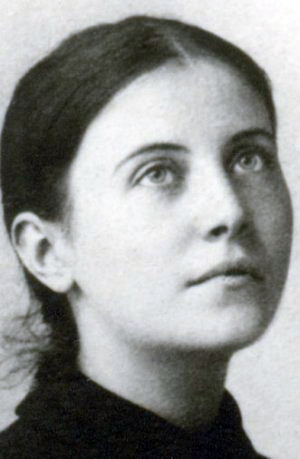
On this April 11th, in 1903 – the same year that the Italian Guiseppe Sarto was elected Pope later that summer as Pius X – a lovely, young Italian woman died, by the name of Gemma Galgani. She lived a brief life of 24 years, as did a number of other young saints, including Pier[…]Continue reading→
An Ideological and Improper Translation
I noticed something odd with the psalm reading at Mass the other day. Our bishops’ conference here in Canada has decreed that the Mass in English – Novus Ordo – use the ‘NRSV’, the ‘New Revised Standard Version’, an ‘updated’ translation of the original RSV, first published in 1952. This ‘new translation’ has the tendency[…]Continue reading→
Saint Jean-Baptiste de la Salle: A Teacher for Teachers
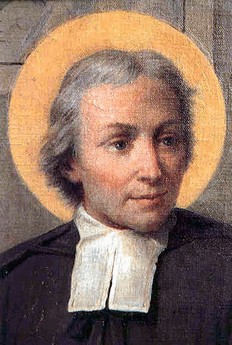
Jean-Baptiste de la Salle (1651 – 1719), a French nobleman, ordained a priest, founded the first order in the Church’s history entirely without priests, and this came about almost by accident. I say ‘almost’, for, of course, there are no accidents with God. Destined for ordination from an early age, Jean-Baptiste never looked back, even[…]Continue reading→