
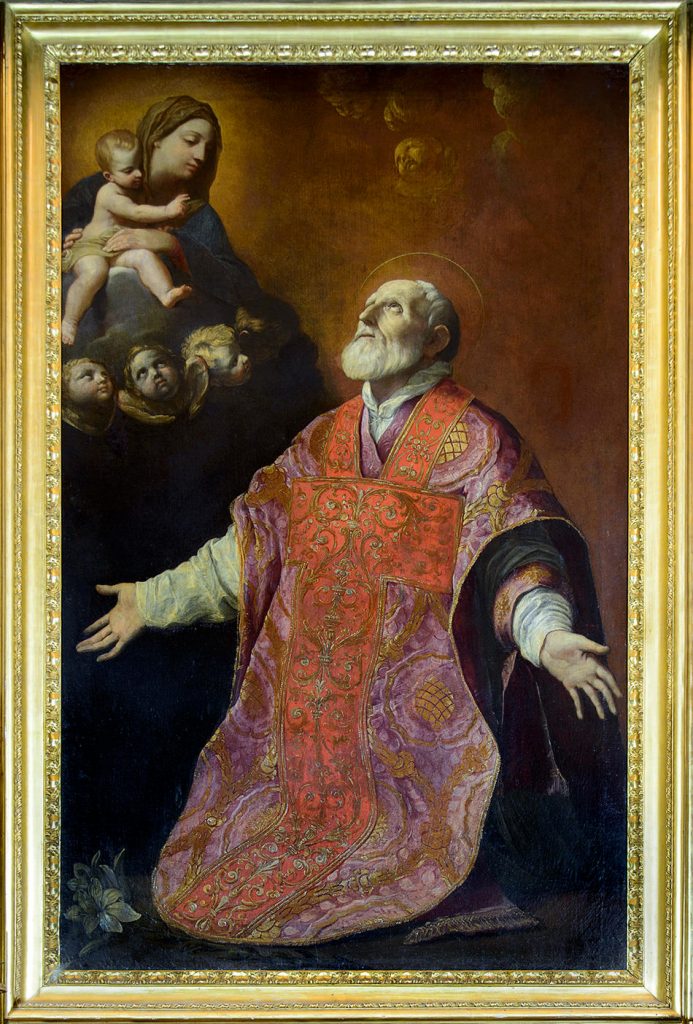
Joy and Saint Philip
Paula Adamick’s discussion of the skyrocketing rates of ‘depression’, especially amongst the young, should give us some deep pause. After all, youth, as Saint Thomas teaches, is, or should be, a time full of hope, of dreams, of all those things that might yet be, within the grasp of one’s incipient powers and talents. Yet so many are mired in sadness and despair.
The early Fathers wrote much about acedia, with which Ms. Adamick, rightly in my mind, connects at least some forms of depression (although we must always be careful not to judge in individual cases, whose background and etiology we never really know). Acedia, or sloth, Saint Thomas defines as sorrow over spiritual things, a metaphysical sadness that is itself usually caused by overindulgence in sensual pleasures, especially sexual. For nothing so draws the mind away from the duty of the moment as the intense, but momentary and fleeting, delights of lust. But because this vice is connected to nothing spiritual, but rather, as Saint James says, earthly and devilish, we always need a more intense ‘fix’; hence, the increasing deviancy of pornography and other sordid actions, mutual or not, what can only loosely be defined as ‘sex’.
Now we also have the opiod and other drug addictions, and just wait until marijuana becomes legal and widespread.
Anything that gets in the way of these pleasures itself soon becomes hateful: Hence, hatred of truth, of the Mass, of the sacraments, of intellectual pursuits, of culture, of beautiful music, of pleasant conversation, of sacrifice for others, of ‘giving oneself’ for the good of those we love, of self-perfection and the hard discipline required to develop and use our talents. And, well, you get the picture: What we have instead are droves of sad, unfulfilled, self-seeking, hedonistic youth who despise anything to do with true ‘culture’, all that may bring them out of their self-destructive path, so many of whom end up with that designation of being ‘depressed’.
The primary remedy to all this is not physiological, more medication, stultifying the brain in a chemical cloud of anti-depressants (whatever their benefits in some cases), but rather spiritual, more discipline in the life of the soul, prayer, confession, the Eucharist, acts of charity. The soul has far more effect on the body, than the body on the soul.
Today is the feast of Saint Philip Neri (+1595), the founder of the Congregation of the Oratory named after him, first in Rome (the city of which he was called the ‘second Apostle’), with houses now throughout the world. Philip was known for his joyful, exuberant spirit, almost the antithesis of depression; after death, his heart was physically twice its normal size, so filled was he with the love of God. Father Philip was known to say that ‘he would have no sad saints around his house’, and when the rambunctious young people made too much noise, and his fellow priests complained, Philip would reply that ‘he would have them chop wood on my back, if it would keep them from sin’.
Father Philip was a much-needed antidote to the gloominess and grimness of Calvin’s (and other’s, even Catholic’s) dour and cheerless version of Christ’s message of salvation. For Catholics should be known for their cheerfulness and happiness, in all that means, the fulfilment of the will, even if we carry some, or many, sorrows; at a deeper level there is the peace that they are living God’s will, and there is light, and the Light, at the end of the tunnel, however long and dark it may seem.
Pope John Paul’s message to youth (and his spirit resembled Saint Philip’s in many ways) was to cast into the deep, be not afraid, be who you are meant to be, that God always loves you and wants to bring you higher, to Himself. The only way we can be truly sad is to live apart from Him, our Creator, our Redeemer, our Sanctifier, in Whom delights know no end.
The best way to fight acedia and sadness, the Fathers taught, was to give God that initial ‘yes’, an act of the will that at first may be difficult, but, once given, His yoke really is easy, and burden light. As Saint Thomas put it, even great and difficult works, if done with love, seem insignificant, and we will always want to do more, with that joy and zeal that should be the hallmarks of a saint-in-the-making, to which we are all called.
So rejoice and be glad, for our salvation is always near at hand.
Saint Philip Neri, ora pro nobis!
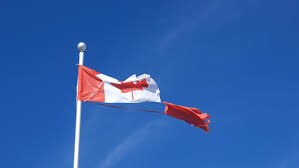
Carney’s Amoral Majority
After five defections – euphemistically described as ‘crossing the floor’ – and three by-elections, Mark Carney and his Liberals how have their coveted majority. One wonders what bowls of pottage were offered in back-room deals. In the archaic monarchical system that is the Dominion of Canada, this majority allows the newly-minted Prime Minister to rule[…]Continue reading→

Saint Kateri , Canada’s Protectress
This was the title given to Saint Kateri Tekakwitha, by Pope Benedict XVI, when he canonized her on October 28th, 2012, along with six others, in Saint Peter’ Square (she had been beatified by Pope John Paul II back in 1980). With Saint Joseph as our protector, along with the Canadian martyrs, we seem to[…]Continue reading→
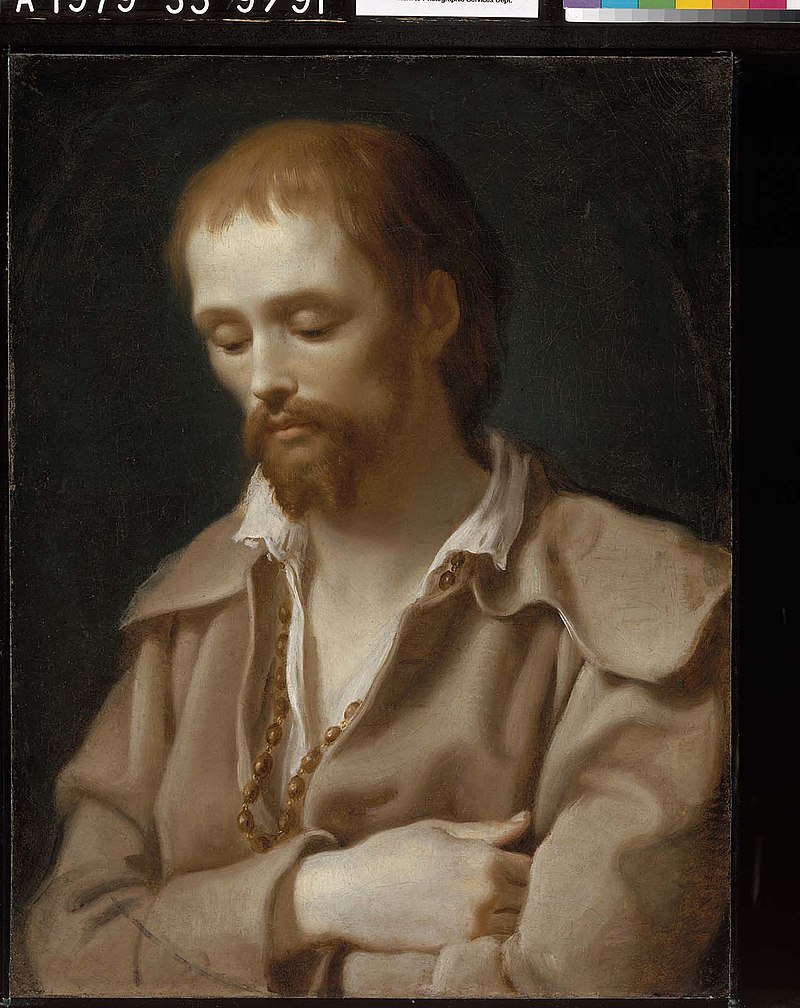
A Tale of Two Benedicts
A grace-filled Holy Week to all our readers! As we await and prepare for the Resurrection about to dawn upon us, we might keep in mind two Benedicts: Pope Emeritus Benedict XVI, requiescat in pace, elected on this day in 2005; and today’s commemoration of the mystic pilgrim, Benedict Joseph Labre, who died on this[…]Continue reading→

My Name is Bernadette
April 16th is a propitious day, for besides the anniversary of Father de Valk’s death, who founded Catholic Insight in its print form decades ago, and the commemoration of the ‘two Benedicts’, mentioned in accompanying posts, today we also recall Saint Bernadette Soubirous, the young visionary to whom the Virgin Mary appeared numerous times at[…]Continue reading→
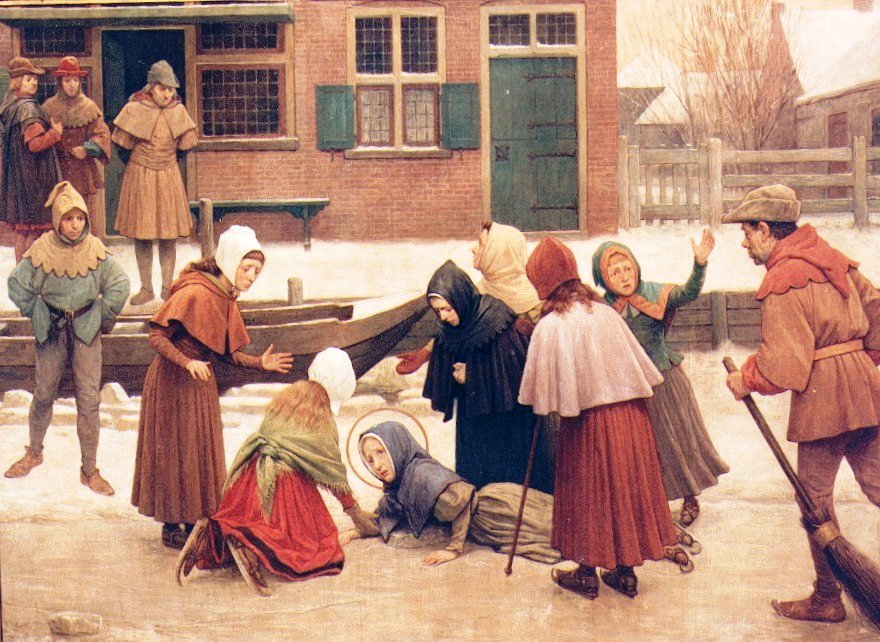
Saint Lydwina of Schiedam and Suffering Joyfully
Saint Lydwina of Schiedam (1380 – 1433) was one of the countless and glorious ‘victim souls’ in the history of the Church, those whose lives are filled with suffering, often of an unimaginable intensity, but who suffer joyfully. She was a fifteen-year old Dutch girl, out skating one day, when she fell and broke one[…]Continue reading→
The Glorious Martyrdoms of Martin and Maximus
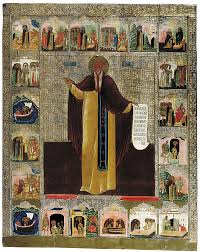
As we enter into Eastertide, we recall on this 13th of April Pope Saint Martin I (+655), one of the noblest, if most tragic, of the successors of Saint Peter. Born in Umbria, Italy, he was of noble lineage, with great intelligence combined with charity and love of the poor and the Church. While still[…]Continue reading→

Saint Stanislaus of Szczepanów
We celebrate Saint Stanislaus today (+ April 11, 1079), in light of this Easter Octave, a bishop and martyr who accepted the episcopacy only at the direct order of Pope Alexander II. He proved a wise and courageous leader of his flock, put to death by his own king, Boleslaus, for rebuking the monarch’s ‘immoral[…]Continue reading→
Saint Gemma Galgani
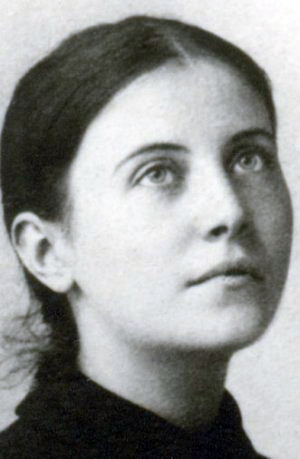
On this April 11th, in 1903 – the same year that the Italian Guiseppe Sarto was elected Pope later that summer as Pius X – a lovely, young Italian woman died, by the name of Gemma Galgani. She lived a brief life of 24 years, as did a number of other young saints, including Pier[…]Continue reading→
An Ideological and Improper Translation
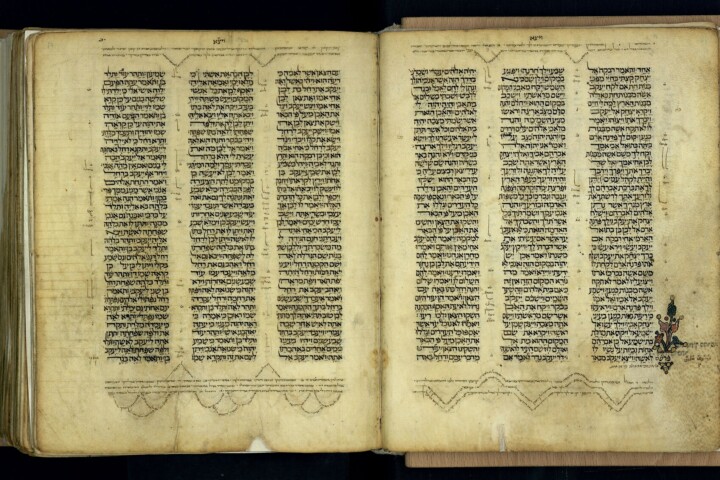
I noticed something odd with the psalm reading at Mass the other day. Our bishops’ conference here in Canada has decreed that the Mass in English – Novus Ordo – use the ‘NRSV’, the ‘New Revised Standard Version’, an ‘updated’ translation of the original RSV, first published in 1952. This ‘new translation’ has the tendency[…]Continue reading→
Saint Jean-Baptiste de la Salle: A Teacher for Teachers
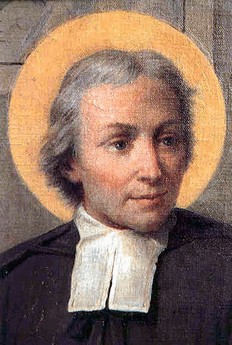
Jean-Baptiste de la Salle (1651 – 1719), a French nobleman, ordained a priest, founded the first order in the Church’s history entirely without priests, and this came about almost by accident. I say ‘almost’, for, of course, there are no accidents with God. Destined for ordination from an early age, Jean-Baptiste never looked back, even[…]Continue reading→