
Legends and Lyrics: A Book of Verses
The Three Rulers
I saw a Ruler take his stand
And trample on a mighty land;
The People crouched before his beck,
His iron heel was on their neck,
His name shone bright through blood and pain,
His sword flashed back their praise again.
I saw another Ruler rise—
His words were noble, good, and wise;
With the calm sceptre of his pen
He ruled the minds and thoughts of men:
Some scoffed, some praised—while many heard,
Only a few obeyed his word.
Another Ruler then I saw—
Love and sweet Pity were his law:
The greatest and the least had part
(Yet most the unhappy) in his heart—
The People, in a might band,
Rose up, and drove him from the land!
The Storm
The tempest rages wild and high,
The waves lift up their voices and cry
Fierce answers to the angry sky,—
Miserere Domine.
Through the black night and the driving rain,
A ship is struggling, all in vain
To live upon the stormy main;—
Miserere Domine.
The thunders roar, the lightings glare,
Vain is it now to strive or dare;
A cry goes up of great despair,—
Miserere Domine.
The stormy voices of the main,
The moaning wind, and pelting rain
Beat on the nursery window pane:—
Miserere Domine.
Warm curtained was the little bed,
Soft pillowed was the little head;
“The storm will wake the child,” they said:—
Miserere Domine.
Cowering among his pillow while
He prays, his blue eyes dim with fright,
“Father, save those at sea to-night!”—
Miserere Domine.
The morning shone all clear and gay,
On a ship at anchor in the bay,
And on a little child at play,—
Gloria tibi Domine.
If Thou Couldst Know
I think if thou couldst know,
Oh soul that will complain,
What lies concealed below
Our burden and our pain;
How just our anguish brings
Nearer those longed-for things
We seek for now in vain,—
I think thou wouldst rejoice, and not complain.
I think if thou couldst see,
With thy dim mortal sight,
How meanings, dark to thee,
Are shadows hiding light;
Truth’s efforts crossed and vexed,
Life’s purpose all perplexed,—
If thou couldst see them right,
I think that they would seem all clear, and wise, and bright.
And yet thou canst not know,
And yet thou canst not see;
Wisdom and sight are slow In poor humanity.
If thou couldst trust, poor soul,
In Him who rules the whole,
Thou wouldst find peace and rest:
Wisdom and sight are well, but Trust is best.
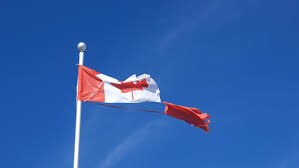
Carney’s Amoral Majority
After five defections – euphemistically described as ‘crossing the floor’ – and three by-elections, Mark Carney and his Liberals how have their coveted majority. One wonders what bowls of pottage were offered in back-room deals. In the archaic monarchical system that is the Dominion of Canada, this majority allows the newly-minted Prime Minister to rule[…]Continue reading→
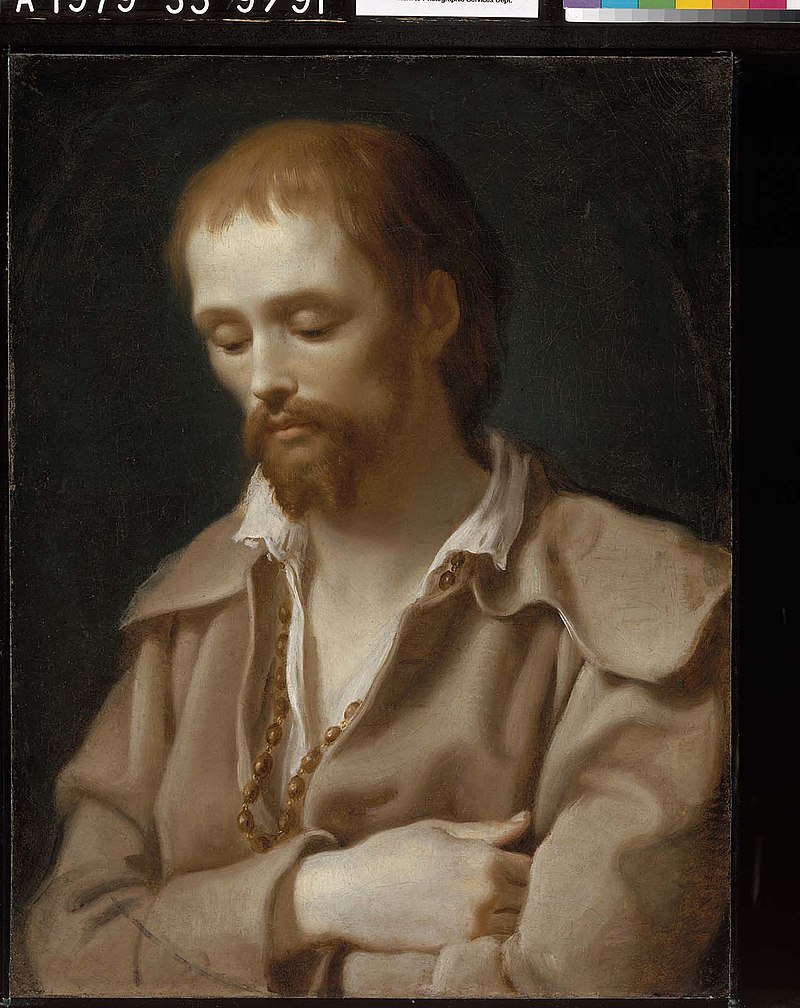
A Tale of Two Benedicts
A grace-filled Holy Week to all our readers! As we await and prepare for the Resurrection about to dawn upon us, we might keep in mind two Benedicts: Pope Emeritus Benedict XVI, requiescat in pace, elected on this day in 2005; and today’s commemoration of the mystic pilgrim, Benedict Joseph Labre, who died on this[…]Continue reading→
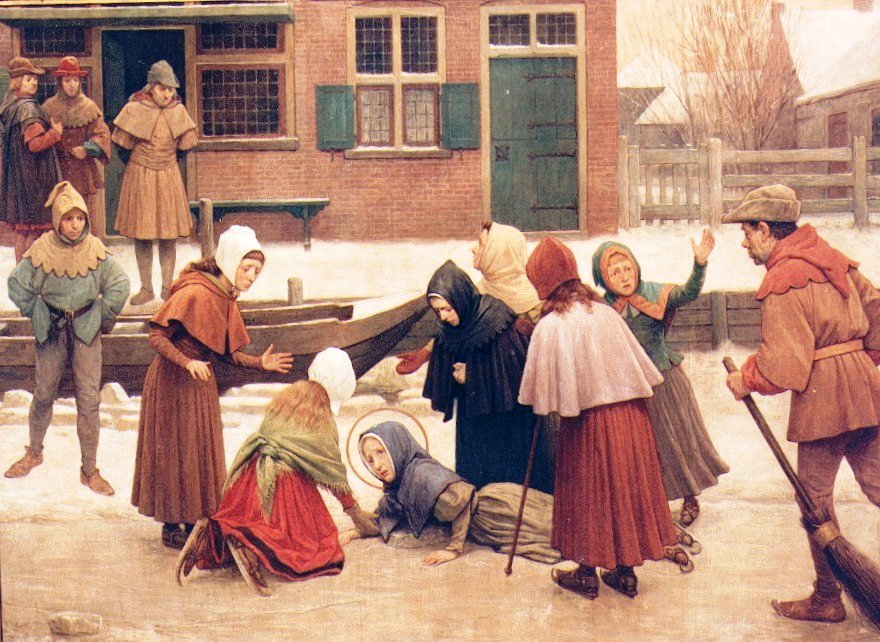
Saint Lydwina of Schiedam and Suffering Joyfully
Saint Lydwina of Schiedam (1380 – 1433) was one of the countless and glorious ‘victim souls’ in the history of the Church, those whose lives are filled with suffering, often of an unimaginable intensity, but who suffer joyfully. She was a fifteen-year old Dutch girl, out skating one day, when she fell and broke one[…]Continue reading→
The Glorious Martyrdoms of Martin and Maximus
As we enter into Eastertide, we recall on this 13th of April Pope Saint Martin I (+655), one of the noblest, if most tragic, of the successors of Saint Peter. Born in Umbria, Italy, he was of noble lineage, with great intelligence combined with charity and love of the poor and the Church. While still[…]Continue reading→

Saint Stanislaus of Szczepanów
We celebrate Saint Stanislaus today (+ April 11, 1079), in light of this Easter Octave, a bishop and martyr who accepted the episcopacy only at the direct order of Pope Alexander II. He proved a wise and courageous leader of his flock, put to death by his own king, Boleslaus, for rebuking the monarch’s ‘immoral[…]Continue reading→
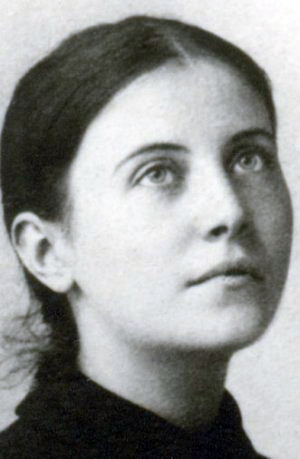
Saint Gemma Galgani
On this April 11th, in 1903 – the same year that the Italian Guiseppe Sarto was elected Pope later that summer as Pius X – a lovely, young Italian woman died, by the name of Gemma Galgani. She lived a brief life of 24 years, as did a number of other young saints, including Pier[…]Continue reading→
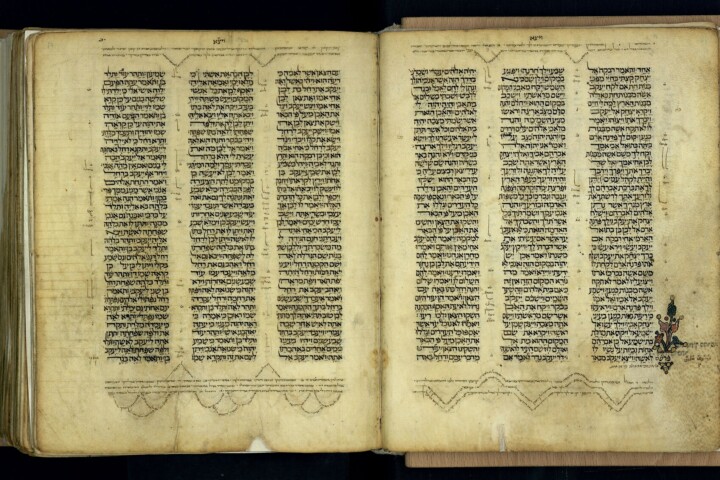
An Ideological and Improper Translation
I noticed something odd with the psalm reading at Mass the other day. Our bishops’ conference here in Canada has decreed that the Mass in English – Novus Ordo – use the ‘NRSV’, the ‘New Revised Standard Version’, an ‘updated’ translation of the original RSV, first published in 1952. This ‘new translation’ has the tendency[…]Continue reading→
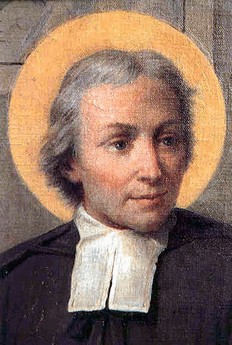
Saint Jean-Baptiste de la Salle: A Teacher for Teachers
Jean-Baptiste de la Salle (1651 – 1719), a French nobleman, ordained a priest, founded the first order in the Church’s history entirely without priests, and this came about almost by accident. I say ‘almost’, for, of course, there are no accidents with God. Destined for ordination from an early age, Jean-Baptiste never looked back, even[…]Continue reading→
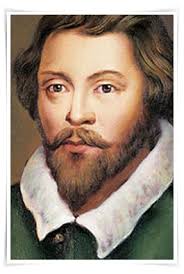
Three Easter Musical Gems: Bach, Palestrina and Byrd
A very blessed and glorious Easter! Christus surrexit vere, alleluia! As we begin this Easter Octave with the great Solemnity of Easter, music to lift the soul would be one of Bach’s Easter cantatas, composed during his time at Leipzig in the early 1700’s, for the six Sundays of this festive season, leading up to[…]Continue reading→
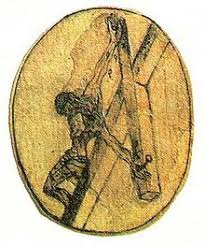
Good Friday and Suffering
Evil and pain is always a mystery, that whole mysterium iniquitatis, of which Saint Paul writes (2 Thess 2:7). In 1984, Pope Saint John Paul II penned an Apostolic Letter on the nature and purpose of human suffering, Salvifici Doloris (curiously, now looking back, the same year he made his first apostolic journey to Canada).[…]Continue reading→