
Lost Lectures of the Fruits of Experience
Maurice Baring, Lost Lectures of the Fruits of Experience.
Peter Davies Ltd, London: 1932. Chapter 12: Music.
But the most remarkable musical experiences of my life happened by accident; one was pagan and the other was Christian. The first happened in Russia, and I have described it in other books, in detail, and I will not repeat the detail here; but it was a glimpse I had on an August evening in Central Russia of a procession of women who had come back from harvesting. They were walking against the skyline, and carrying their scythes and their wooden rakes with them, like the figures in a Greek frieze. As they marched past, they sang: first a solo chanted the phrase, and then the chorus took it up, and then solo and chorus became one, and reached a climax, and died away. It was a wonderful tune, a tune that opened its arms. It had not the usual sad wail that is peculiar to Russian singing: nothing of the unsatisfied yearning and restless questioning, for ever never ending on the dominant: on the contrary, what they sang was a hymn of peace and content and thanksgiving, that satisfied the soul. This sight and this sound seemed to tear away the veil of centuries and to take one back as far as ancient Rome and Greece, and further: further than Virgil and Romulus, further than the mysteries of Eleusis, further than Homer: right back to the Golden Age and the “large utterance of the early Gods.”
The second instance happened in Paris during the week of the Epiphany in I forget what year.
I strolled one evening into a dark little church.The church was empty, and the organist was playing by himself on an old-fashioned organ that sounded like the piped hurdy-gurdies of the beginning of the nineteenth century. He was playing fluted carols with tinkling runs and bell-like notes and soft lullaby, which had a freshness, a homeliness, a smiling tunefulness, an ineffable radiance and sweetness, such as I have never heard before or since. And in that little dark church I felt the wise Kings from the East and the Shepherds of Bethlehem were at prayer, and that the Hosts of Heaven themselves had for the moment ceased to sing “Glory to God in the Highest” to listen to the playing of that organist: for God had come down to earth.
Carney’s Amoral Majority
After five defections – euphemistically described as ‘crossing the floor’ – and three by-elections, Mark Carney and his Liberals how have their coveted majority. One wonders what bowls of pottage were offered in back-room deals. In the archaic monarchical system that is the Dominion of Canada, this majority allows the newly-minted Prime Minister to rule[…]Continue reading→
A Tale of Two Benedicts
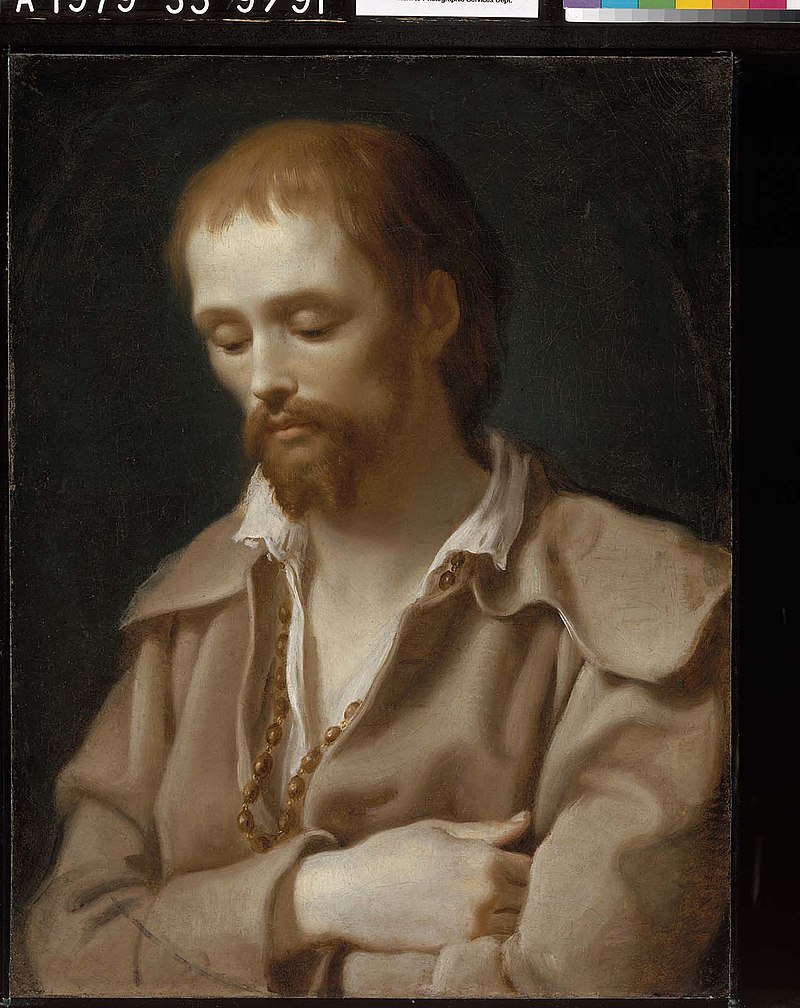
A grace-filled Holy Week to all our readers! As we await and prepare for the Resurrection about to dawn upon us, we might keep in mind two Benedicts: Pope Emeritus Benedict XVI, requiescat in pace, elected on this day in 2005; and today’s commemoration of the mystic pilgrim, Benedict Joseph Labre, who died on this[…]Continue reading→
Saint Lydwina of Schiedam and Suffering Joyfully
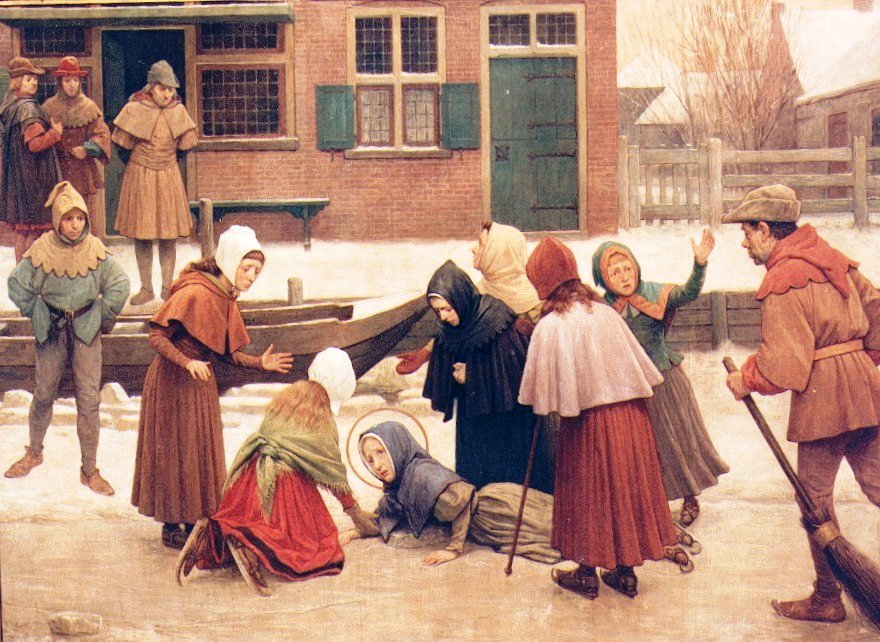
Saint Lydwina of Schiedam (1380 – 1433) was one of the countless and glorious ‘victim souls’ in the history of the Church, those whose lives are filled with suffering, often of an unimaginable intensity, but who suffer joyfully. She was a fifteen-year old Dutch girl, out skating one day, when she fell and broke one[…]Continue reading→
The Glorious Martyrdoms of Martin and Maximus
As we enter into Eastertide, we recall on this 13th of April Pope Saint Martin I (+655), one of the noblest, if most tragic, of the successors of Saint Peter. Born in Umbria, Italy, he was of noble lineage, with great intelligence combined with charity and love of the poor and the Church. While still[…]Continue reading→

Saint Stanislaus of Szczepanów
We celebrate Saint Stanislaus today (+ April 11, 1079), in light of this Easter Octave, a bishop and martyr who accepted the episcopacy only at the direct order of Pope Alexander II. He proved a wise and courageous leader of his flock, put to death by his own king, Boleslaus, for rebuking the monarch’s ‘immoral[…]Continue reading→
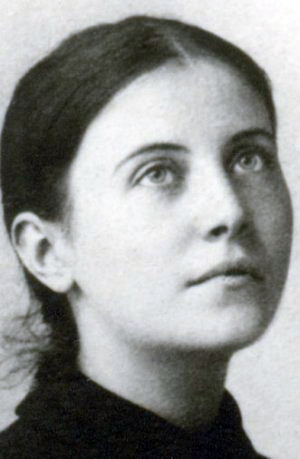
Saint Gemma Galgani
On this April 11th, in 1903 – the same year that the Italian Guiseppe Sarto was elected Pope later that summer as Pius X – a lovely, young Italian woman died, by the name of Gemma Galgani. She lived a brief life of 24 years, as did a number of other young saints, including Pier[…]Continue reading→
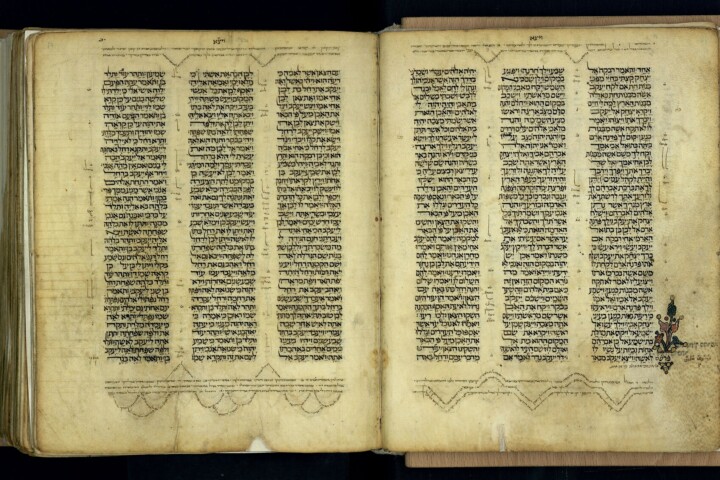
An Ideological and Improper Translation
I noticed something odd with the psalm reading at Mass the other day. Our bishops’ conference here in Canada has decreed that the Mass in English – Novus Ordo – use the ‘NRSV’, the ‘New Revised Standard Version’, an ‘updated’ translation of the original RSV, first published in 1952. This ‘new translation’ has the tendency[…]Continue reading→
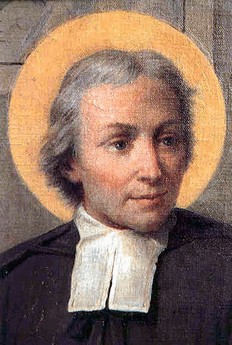
Saint Jean-Baptiste de la Salle: A Teacher for Teachers
Jean-Baptiste de la Salle (1651 – 1719), a French nobleman, ordained a priest, founded the first order in the Church’s history entirely without priests, and this came about almost by accident. I say ‘almost’, for, of course, there are no accidents with God. Destined for ordination from an early age, Jean-Baptiste never looked back, even[…]Continue reading→
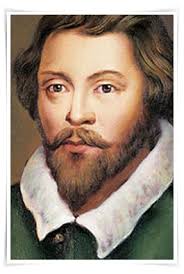
Three Easter Musical Gems: Bach, Palestrina and Byrd
A very blessed and glorious Easter! Christus surrexit vere, alleluia! As we begin this Easter Octave with the great Solemnity of Easter, music to lift the soul would be one of Bach’s Easter cantatas, composed during his time at Leipzig in the early 1700’s, for the six Sundays of this festive season, leading up to[…]Continue reading→
Good Friday and Suffering
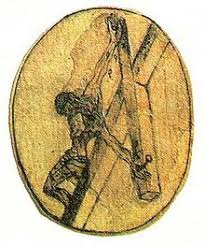
Evil and pain is always a mystery, that whole mysterium iniquitatis, of which Saint Paul writes (2 Thess 2:7). In 1984, Pope Saint John Paul II penned an Apostolic Letter on the nature and purpose of human suffering, Salvifici Doloris (curiously, now looking back, the same year he made his first apostolic journey to Canada).[…]Continue reading→