
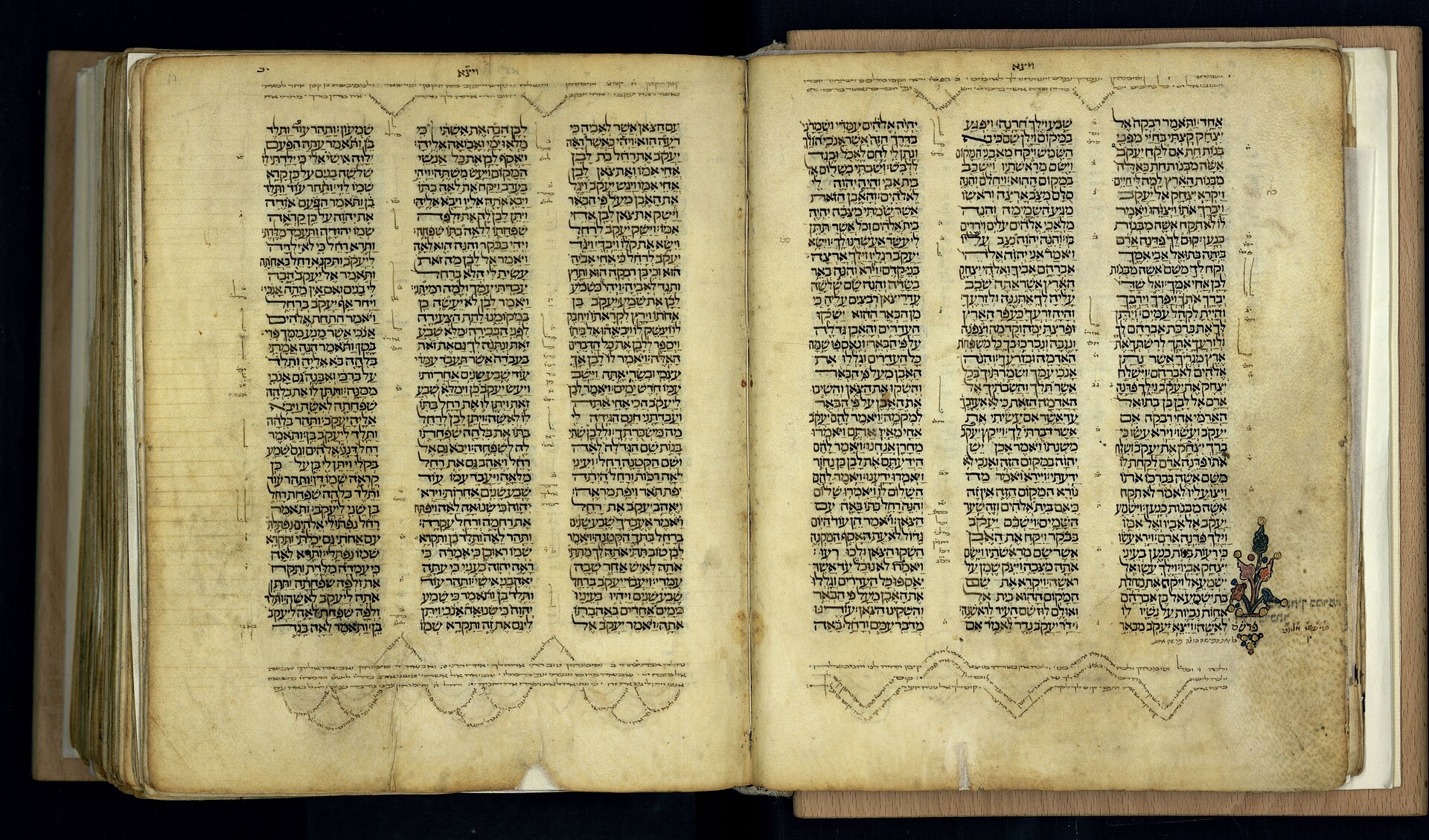
An Ideological and Improper Translation
I noticed something odd with the psalm reading at Mass the other day. Our bishops’ conference here in Canada has decreed that the Mass in English – Novus Ordo – use the ‘NRSV’, the ‘New Revised Standard Version’, an ‘updated’ translation of the original RSV, first published in 1952.
This ‘new translation’ has the tendency to avoid masculine pronouns, and many masculine references to God, which, as we will see, is not in accord with the decree from the Congregation of Divine Worship, Liturgiam Authenticam of 2001, which forbids such ideological and ‘inclusive’ renderings.
Anon, here is what was read at Mass this morning, from April 8th, (Psalm 8:2ab and 5, 6-7a, 7b – 9, if you’d like to check yourself) with the key problematic terms boldfaced:
O Lord, our Sovereign, how majestic is your name in all the earth! You have set your glory above the heavens. What are human beings that you are mindful of them, mortals that you care for them? R.
Yet you have made them a little lower than God, and crowned them with glory and honour. You have given them dominion over the works of your hands; you have put all things under their feet. R.
Now, here is a direct translation from the Latin Vulgate, which is the official version of the Bible, with the same terms boldfaced, for comparison:
O Lord, our Lord, how admirable is thy name in the whole earth! For thy magnificence is elevated above the heavens. What is man, that thou art mindful of him? or the son of man, that thou visitest him?
Thou hast made him a little less than the angels, thou hast crowned him with glory and honour: And hast set him over the works of thy hands. Thou hast subjected all things under his feet,
Notice two things: What is originally singular, is made plural – ‘him’ becomes ‘them’. Also, the general term ‘man’ is rendered ‘human beings’, and what is more, the typological and spiritually rich term ‘Son of Man’ – a reference to Christ Himself, as well as to Adam and to all those who prefigured the Saviour – is translated, of all things, as ‘mortals’, losing all of its deep allegorical significance.
All to avoid masculine references to Christ and God. No one notices, but by such ideology, the sense of Scripture is corrupted, or at least greatly attenuated. We are conditioned by such language, subtly and imperceptibly, to accept such translations – if we may call them so – as ‘normal’.
They’re not, and it’s not what God and the human authors He inspired wrote. Such renderings are not in accord with the mens Ecclesiae – the mind of the universal Church – which asks us to keep translations as faithful to the original Word of God as possible. I will leave the reader with an excerpt from the aforementioned Liturgiam Authenticam, on the rules of translation, with the key sections boldfaced, which the NRSV seem to ignore, if not flout, in many more places that this one example:
- In particular: to be avoided is the systematic resort to imprudent solutions such as a mechanical substitution of words, the transition from the singular to the plural, the splitting of a unitary collective term into masculine and feminine parts, or the introduction of impersonal or abstract words, all of which may impede the communication of the true and integral sense of a word or an expression in the original text. Such measures introduce theological and anthropological problems into the translation. Some particular norms are the following:
- a) In referring to almighty God or the individual persons of the Most Holy Trinity, the truth of tradition as well as the established gender usage of each respective language are to be maintained.
- b) Particular care is to be taken to ensure that the fixed expression “Son of Man” be rendered faithfully and exactly. The great Christological and typological significance of this expression requires that there should also be employed throughout the translation a rule of language that will ensure that the fixed expression remain comprehensible in the context of the whole translation.
- c) The term “fathers”, found in many biblical passages and liturgical texts of ecclesiastical composition, is to be rendered by the corresponding masculine word into vernacular languages insofar as it may be seen to refer to the Patriarchs or the kings of the chosen people in the Old Testament, or to the Fathers of the Church.
Can we just go back to the RSV? Or is that a liturgical pipedream? For now, dear reader, for those who attend the Novus Ordo to get their daily, or at least regular, Mass and the ‘daily bread’ of Holy Communion, my advice would be to bring your Vulgate or Douay-Rheims, and follow along the readings, or perhaps read them beforehand if that’s too distracting, so that you may take in the original Word of God, as truthfully and veridically as you might.
Carney’s Amoral Majority
After five defections – euphemistically described as ‘crossing the floor’ – and three by-elections, Mark Carney and his Liberals how have their coveted majority. One wonders what bowls of pottage were offered in back-room deals. In the archaic monarchical system that is the Dominion of Canada, this majority allows the newly-minted Prime Minister to rule[…]Continue reading→

Saint Kateri , Canada’s Protectress
This was the title given to Saint Kateri Tekakwitha, by Pope Benedict XVI, when he canonized her on October 28th, 2012, along with six others, in Saint Peter’ Square (she had been beatified by Pope John Paul II back in 1980). With Saint Joseph as our protector, along with the Canadian martyrs, we seem to[…]Continue reading→
A Tale of Two Benedicts
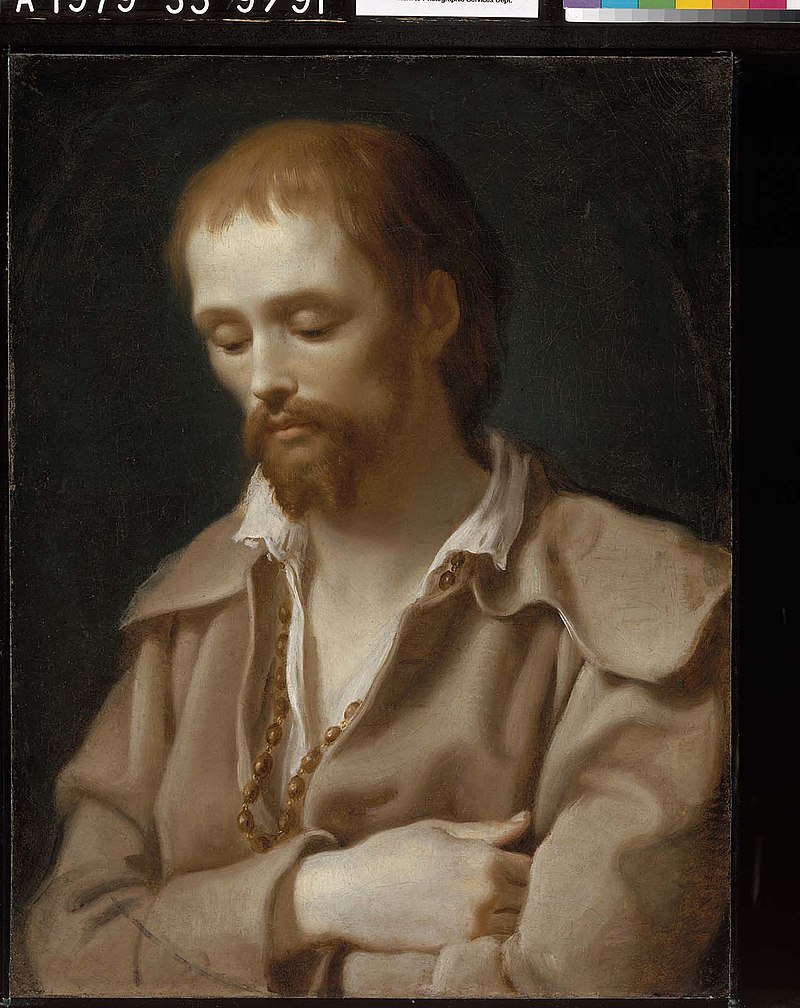
A grace-filled Holy Week to all our readers! As we await and prepare for the Resurrection about to dawn upon us, we might keep in mind two Benedicts: Pope Emeritus Benedict XVI, requiescat in pace, elected on this day in 2005; and today’s commemoration of the mystic pilgrim, Benedict Joseph Labre, who died on this[…]Continue reading→

My Name is Bernadette
April 16th is a propitious day, for besides the anniversary of Father de Valk’s death, who founded Catholic Insight in its print form decades ago, and the commemoration of the ‘two Benedicts’, mentioned in accompanying posts, today we also recall Saint Bernadette Soubirous, the young visionary to whom the Virgin Mary appeared numerous times at[…]Continue reading→
Saint Lydwina of Schiedam and Suffering Joyfully
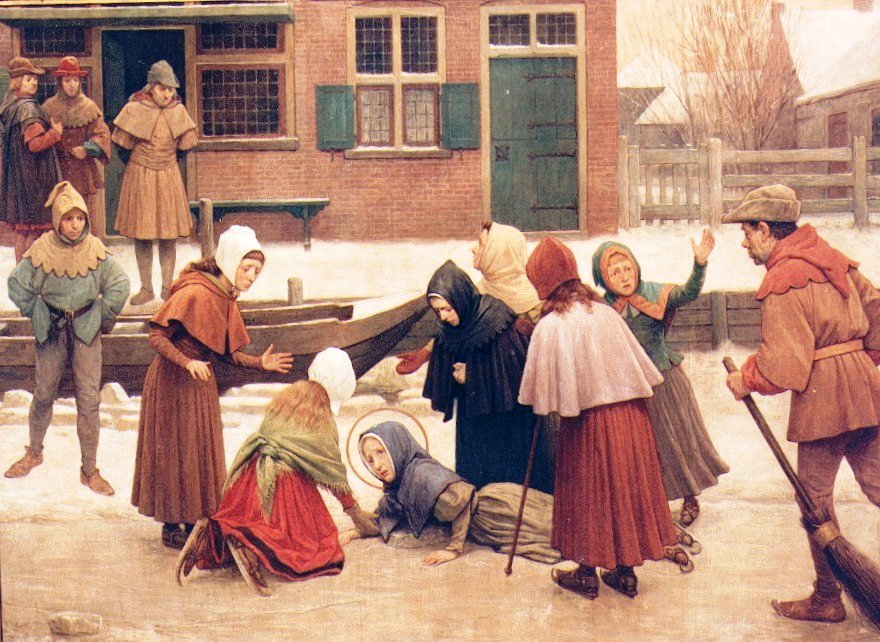
Saint Lydwina of Schiedam (1380 – 1433) was one of the countless and glorious ‘victim souls’ in the history of the Church, those whose lives are filled with suffering, often of an unimaginable intensity, but who suffer joyfully. She was a fifteen-year old Dutch girl, out skating one day, when she fell and broke one[…]Continue reading→
The Glorious Martyrdoms of Martin and Maximus
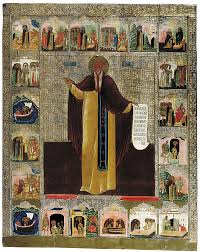
As we enter into Eastertide, we recall on this 13th of April Pope Saint Martin I (+655), one of the noblest, if most tragic, of the successors of Saint Peter. Born in Umbria, Italy, he was of noble lineage, with great intelligence combined with charity and love of the poor and the Church. While still[…]Continue reading→

Saint Stanislaus of Szczepanów
We celebrate Saint Stanislaus today (+ April 11, 1079), in light of this Easter Octave, a bishop and martyr who accepted the episcopacy only at the direct order of Pope Alexander II. He proved a wise and courageous leader of his flock, put to death by his own king, Boleslaus, for rebuking the monarch’s ‘immoral[…]Continue reading→
Saint Gemma Galgani
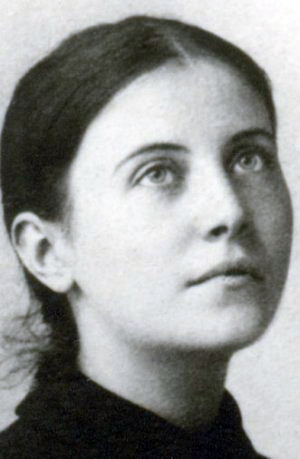
On this April 11th, in 1903 – the same year that the Italian Guiseppe Sarto was elected Pope later that summer as Pius X – a lovely, young Italian woman died, by the name of Gemma Galgani. She lived a brief life of 24 years, as did a number of other young saints, including Pier[…]Continue reading→
Saint Jean-Baptiste de la Salle: A Teacher for Teachers
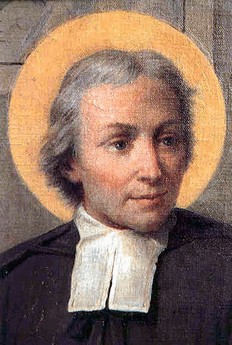
Jean-Baptiste de la Salle (1651 – 1719), a French nobleman, ordained a priest, founded the first order in the Church’s history entirely without priests, and this came about almost by accident. I say ‘almost’, for, of course, there are no accidents with God. Destined for ordination from an early age, Jean-Baptiste never looked back, even[…]Continue reading→
Three Easter Musical Gems: Bach, Palestrina and Byrd
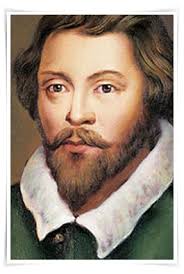
A very blessed and glorious Easter! Christus surrexit vere, alleluia! As we begin this Easter Octave with the great Solemnity of Easter, music to lift the soul would be one of Bach’s Easter cantatas, composed during his time at Leipzig in the early 1700’s, for the six Sundays of this festive season, leading up to[…]Continue reading→