
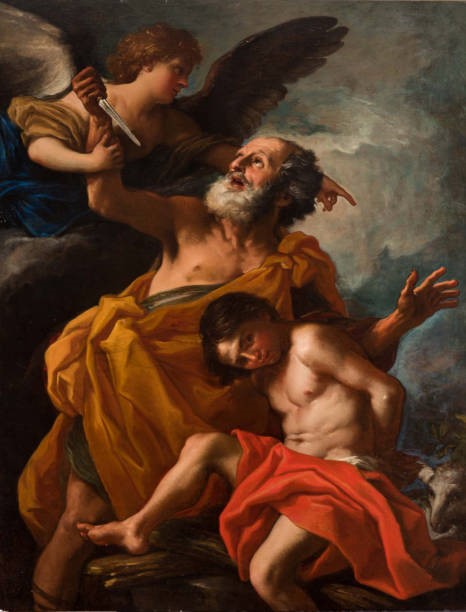
The Agony of Abraham
First Argument
When skeptics complain bitterly about the so-called “Judaeo-Christian mythology,” one of their most frequent objection is to the incomprehensible cruelty of God as depicted in the story of Abraham and Isaac. What kind of a God is it, they ask, who would instruct the good man Abraham to offer up his son, a victim of sacrifice, as proof of Abraham’s slavish obedience to the Creator?
The objections do not stop there. What kind of God is it who causes the first born of the Egyptians to die so that Moses could force the Pharaoh to let the Jews out of Egypt? What kind of a God is it who orders the Jewish army to commit ‘genocide’ against the people of Jericho in order to create a homeland called Israel? What kind of loving God would rain fire on the cities of Sodom and Gomorrah for their crimes against nature?
First Reply
To the skeptic these complaints amount to an insurmountable obstacle to believing that the God worshiped by Jews and Christians is anything but a heartless and cruel deity (like all the other heartless and cruel deities of history) who deserves contempt rather than adoration. This argument is offered again and again as proof to Jews and Christians that, from the start, their religion was never anything but an exercise in tyranny justified by an imaginary Deity more demonic than the people who worship Him.
Nobody can deny that it must have sorely vexed Abraham to hear the request God had made of him. How does one kill one’s only beloved child? The demand seems perverse. But it is evident that Abraham has thought this through. It was a test by God to see if Abraham’s faith was pure and indomitable. Because He is omniscient, God knew that Abraham’s faith was absolute, and therefore put him to the test.
But when Abraham passes the test, he also will know that his faith is absolute and that he is worthy to be the founder of the chosen people by whom the Savior (God’s own Son) will be sacrificed on another bloody altar of wood. Isaac is saved from the sacrificial knife, yet Jesus must die with a spear thrust into his side. God the Father did not ask of Abraham what he would not ask of himself, the ultimate and voluntary sacrifice of God the Son, so that Adam and Eve could be absolved and all souls after them could be saved.
Second Argument
But then the skeptic goes on to ask, why does there have to be a sacrifice at all? Why does Jesus have to die in order to appease the Father’s call for a sacrifice? Why can’t God just forgive the sins of mankind without the sacrifice? This is a perplexing question that those without faith cannot begin to answer.
Second Reply
Those who have faith, however, can see the need for the sacrificial victim in Jesus. What Jesus came to show us was two things: not only God’s justice (retribution for the original sin of denying God’s authority in favor of the Serpent’s) but also His mercy. How else could the Father teach us about mercy without his own Son giving the lesson on the cross? Since God is love (I John 4:8), and since love should be proven before it can be believed to truly exist, Jesus proved it by teaching love first of all when he showed his mercy in the miracles performed for the sick and even for the raising of Lazarus.
But most importantly, Jesus proved his mercy by telling us that there is no greater love than that a man lay down his life for his friends (John 15:13) And this laying down of his own life is precisely what the Son did to prove that he could practice what he preached. Without the life, death, and resurrection of Jesus the world by now would surely be in a far worse state than it was before Christ entered it. Christ as King brought truth and hope and love into a world at that time tyrannically under the sway of false gods and the Prince of Darkness.
The God of the Old and New Testaments is not a merciless monster. When the Jews under the command of Moses fought and triumphed over the Philistines, they trusted God and did what He commanded. The tribes they conquered and displaced were notoriously evil. The skeptics who protest the God of the Jews and the Christians do so because they want to make out that Abraham’s God is no better than all the other evil and false gods of history.
The Lesson
The Old Covenant ended and the New Covenant began with that wooden cross and the holy God-Man nailed to it. Supreme justice and supreme mercy were revealed in the same event when the earth quaked beneath lightening and thunder on a dark and desolate hill. Abraham and Isaac only prefigured that event. One has merely to look at a crucifix to decide if we have a hateful or loving God, and whether our trust in God, agonizing as it may sometimes be tested, is as perfect and unflinching as Abraham’s.

Remembering Father Alphonse de Valk
(Today marks the sixth anniversary of the death of Father Alphonse de Valk, C.S.B., a faithful, courageous and indefatigable Basilian priest, pro-life-and-family apostle, and the founder of Catholic Insight magazine. Here is what we wrote those on his entering into eternity five years ago, as we continue to remember him in our prayers and thoughts)[…]Continue reading→

Divine Mercy Sunday – An Echo of Every Mass
Reach out your hand and put it in my side. Do not doubt but believe’… ‘My Lord and my God!’ (Jn. 20:18)). Today is Divine Mercy Sunday, and as we celebrate the end of the Easter Octave, we contemplate the wounded side of our Saviour, the Church’s source of life. On Good Friday in the[…]Continue reading→

Saint Stanislaus of Szczepanów
We celebrate Saint Stanislaus today (+ April 11, 1079), in light of this Easter Octave, a bishop and martyr who accepted the episcopacy only at the direct order of Pope Alexander II. He proved a wise and courageous leader of his flock, put to death by his own king, Boleslaus, for rebuking the monarch’s ‘immoral[…]Continue reading→
First Holy Communion: Sermon from May 16, 1943
Here is a sermon from the good old days by +Rev. Msgr. Vincent Nicholas Foy (August 14, 1915 – March 13, 2017), from 1943. Readers may recall that Pope Saint Pius X, by the decree Quam Singulari in 1910, lowered the customary age of reception of Holy Communion – after the rigours of the plague[…]Continue reading→
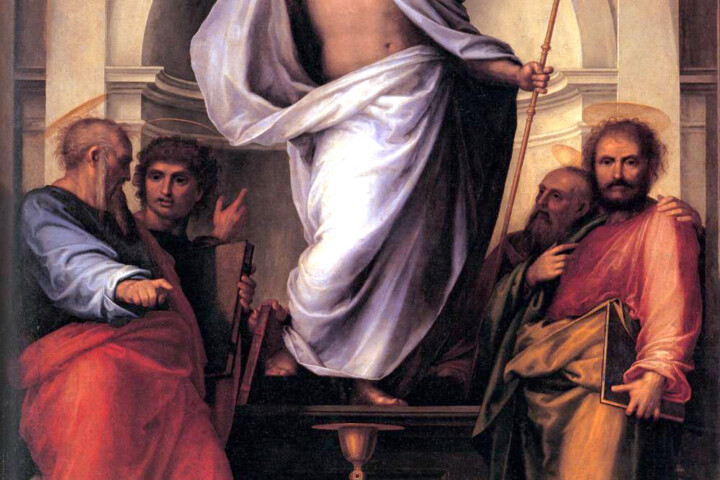
In the Glorious Light of Easter, Alleluia!
Set your minds on things that are above, not on things that are on earth, for you have died, and your life is hidden with Christ in God. When Christ who is your life is revealed, then you also will be revealed with him in glory (Col. 3:3-4). The Resurrection of Our Lord and Saviour[…]Continue reading→
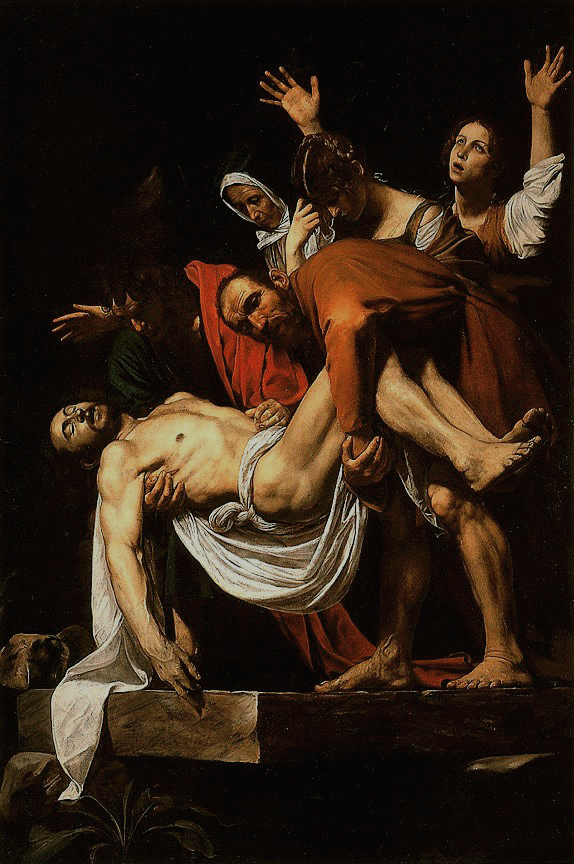
An Ancient Homily for Holy Saturday
The time between Good Friday and Easter Sunday is one of waiting, in silence, as the world wonders – anticipates – what will happen, after the death of Christ. We re-live this time each year in the anamnesis of our liturgy, and in turn look forward to the glorious re-creation of all things at the[…]Continue reading→
Europe’s Long Descent
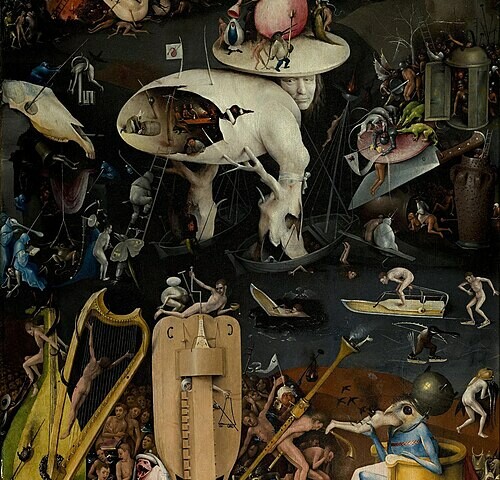
(As we meditate on this day on Christ’s burial, and His descent into hell, it is fitting to ponder here with contributor Peter Marcus how the world seems to be heading there as well. The difference is that, although God cannot ‘redeem’ hell, nor those therein, He can and did redeem the world. There is[…]Continue reading→
Pope Saint John Paul II’s First Good Friday Homily
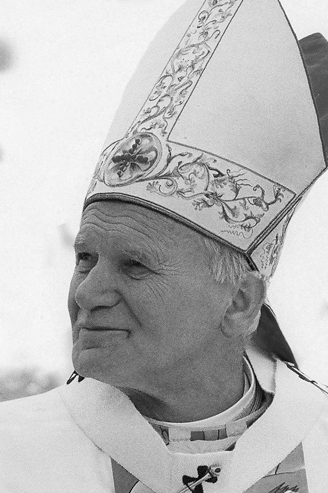
ADDRESS OF HIS HOLINESS JOHN PAUL II AT THE CONCLUSION OF THE STATIONS OF THE CROSS AT THE COLOSSEUM Good Friday, 13 April 1979 When we make the Way of the Cross from one station to the next, in spirit we are always at the spot wherethis journey had its “historical” place: where it[…]Continue reading→
A Meditation for Good Friday: How To Undo the Effects of Sin?
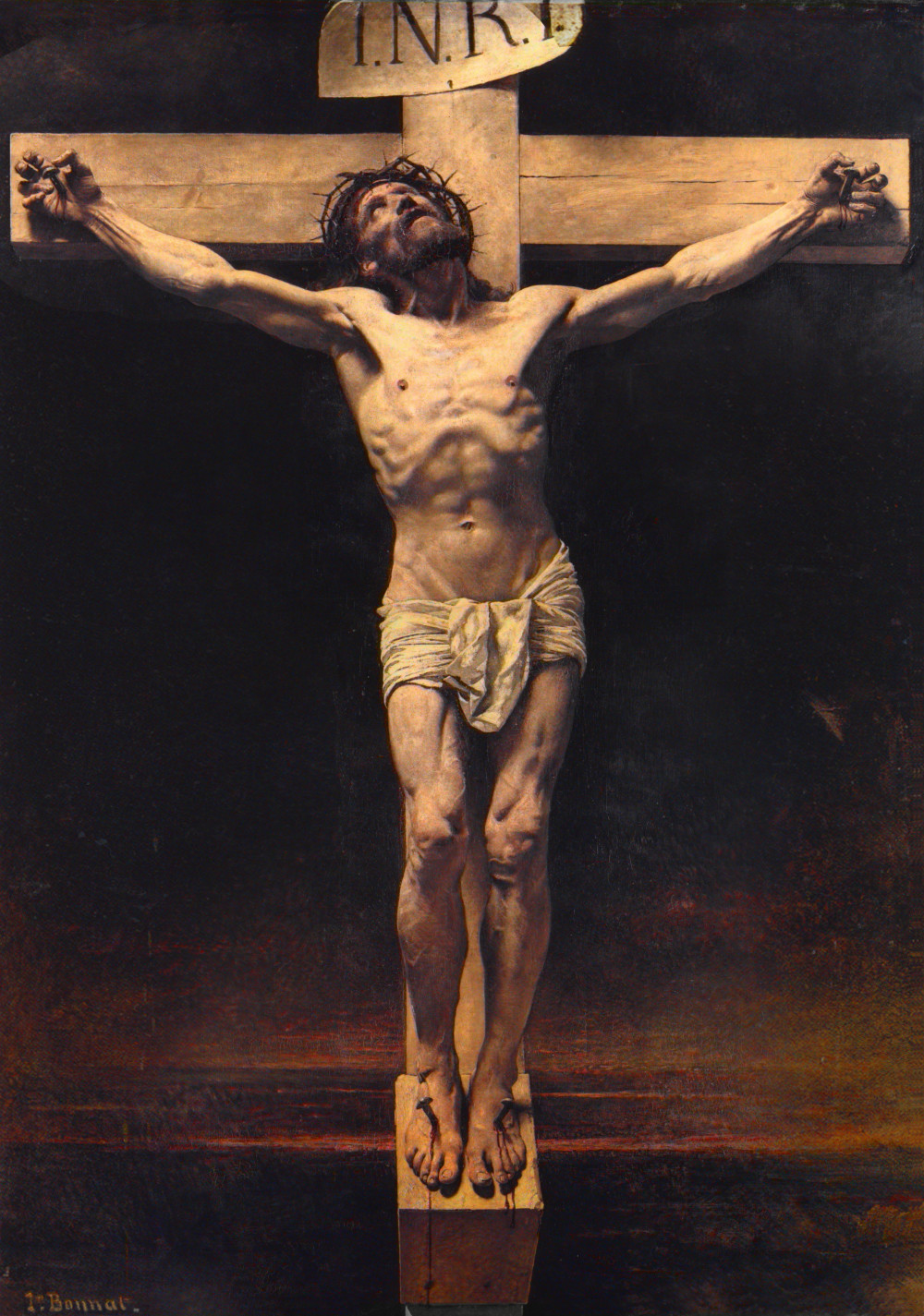
Cardinal Newman, now Saint John Henry Newman, was a towering figure of nineteenth-century Catholicism who is almost universally admired. I say “almost” because not everyone likes him. I knew a priest once, Arthur Caulkins, who has become disenchanted with Newman. As an undergraduate Arthur had been enamoured of Newman, and this interest continued when he[…]Continue reading→
Pope Benedict’s Last Holy Thursday Homily
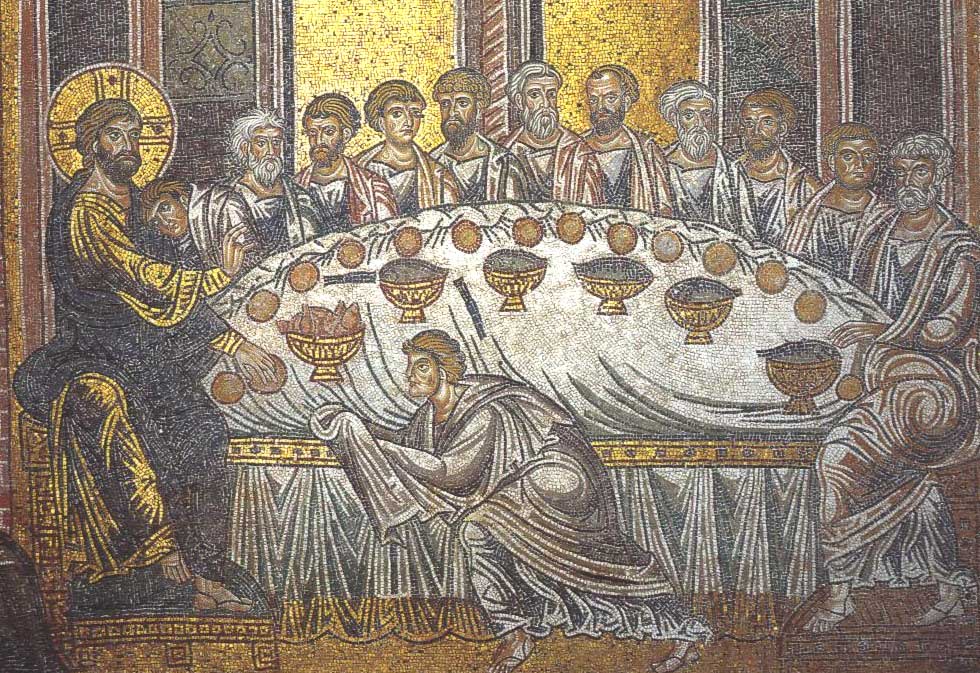
MASS OF THE LORD’S SUPPER HOMILY OF HIS HOLINESS BENEDICT XVI Basilica of St John Lateran Holy Thursday, 5 April 2012 Photo Gallery (Video) Dear Brothers and Sisters! Holy Thursday is not only the day of the institution of the Most Holy Eucharist, whose splendour bathes all else and in some ways draws it to[…]Continue reading→