
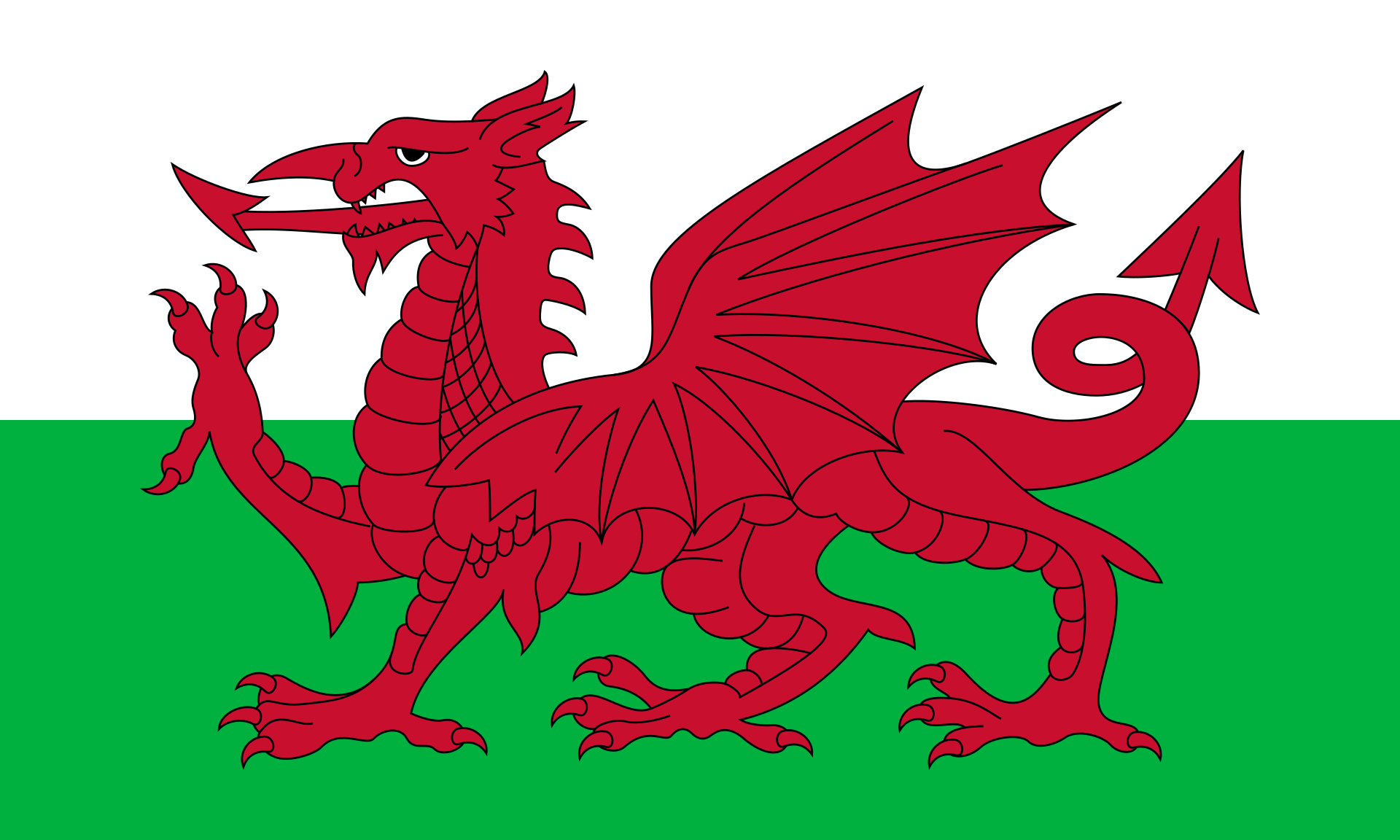
Saint David, of Wales
A brief note on Saint David, the sixth-century monastic bishop, now patron, of Wales, born at an unknown date, but who likely died on this day, March 1st, in 589, based on what evidence we have. He was acclaimed bishop after an eloquent sermon he gave, denouncing the lingering heresy of Pelagianism – that we don’t need grace to get to heaven, that original sin is not real, and that Man’s efforts alone can save him.
David’s life of trust in God, his quiet and unassuming cooperation with His grace, his life of prayer, immersion in the sacraments and good deeds, seems to have been rather devoid of legendary miracles oft attributed to saints of that era. One recounted is that a hill rose in height as he preached a sermon, prompting a certain modern Welshman to comment that one can hardly think of a more superfluous miracle in that part of Wales, filled with such hillocks.
Regardless, David was renowned for his holiness, his monastic reform, and his evangelical work in establishing Christianity in that once-pagan country. One of his sayings, still popular, is Gwnewch y pethau bychain mewn bywyd – which I will refrain from trying to pronounce, but means something like ‘do ye the little things in life‘, which is very Sainte Theresian, twelve centuries before the French Carmelite. Saint David was canonized by Pope Callixtus II in 1120, and to this day his feast is celebrated as a holiday in Wales, with many churches once named after him across Wales, England and Scotland.
Wales was, like the rest of the British Isles, solidly Catholic, at least until the tragedy of the Reformation, begun under the predations of Henry VIII, who looted and robbed David’s shrine, as he did the all the other shrines and monasteries of the realm, not one of which survived his pillage and wreckage. Wales is still predominantly Christian – about 72% – but only 6.7% Catholic. And that’s on paper. One wonders what the past few years have done to further undo Saint David’s work. But we hope that what Wales once was, she may be so again.
Thomas More’s quip to Richard Rich that it profits a man nothing to lose his soul for the world, but for Wales, may bring a smile to our lips, with our mind’s eye on much the hilly, rocky solitary terrain. But there is a stark beauty to Wales, and Christ died for Wales, as He died for England, as He died for all of us. May the prayers of Saint David bring us to see that it profits a man everything to give up all things for one individual soul, not least his own.
Saint David, gweddïo drosom!
Carney’s Amoral Majority
After five defections – euphemistically described as ‘crossing the floor’ – and three by-elections, Mark Carney and his Liberals how have their coveted majority. One wonders what bowls of pottage were offered in back-room deals. In the archaic monarchical system that is the Dominion of Canada, this majority allows the newly-minted Prime Minister to rule[…]Continue reading→

Saint Kateri , Canada’s Protectress
This was the title given to Saint Kateri Tekakwitha, by Pope Benedict XVI, when he canonized her on October 28th, 2012, along with six others, in Saint Peter’ Square (she had been beatified by Pope John Paul II back in 1980). With Saint Joseph as our protector, along with the Canadian martyrs, we seem to[…]Continue reading→
A Closed, Unsustainable, Descending Loop
As a follow-up to my thoughts on Payette’s payout, here be a stark image of where are here in Canada. As the graph shows in, well, graphic terms, since 2025, the public sector has contributed to 95.5% of economic growth. The private sector – which funds the public sector, or is supposed to – has[…]Continue reading→
A Tale of Two Benedicts
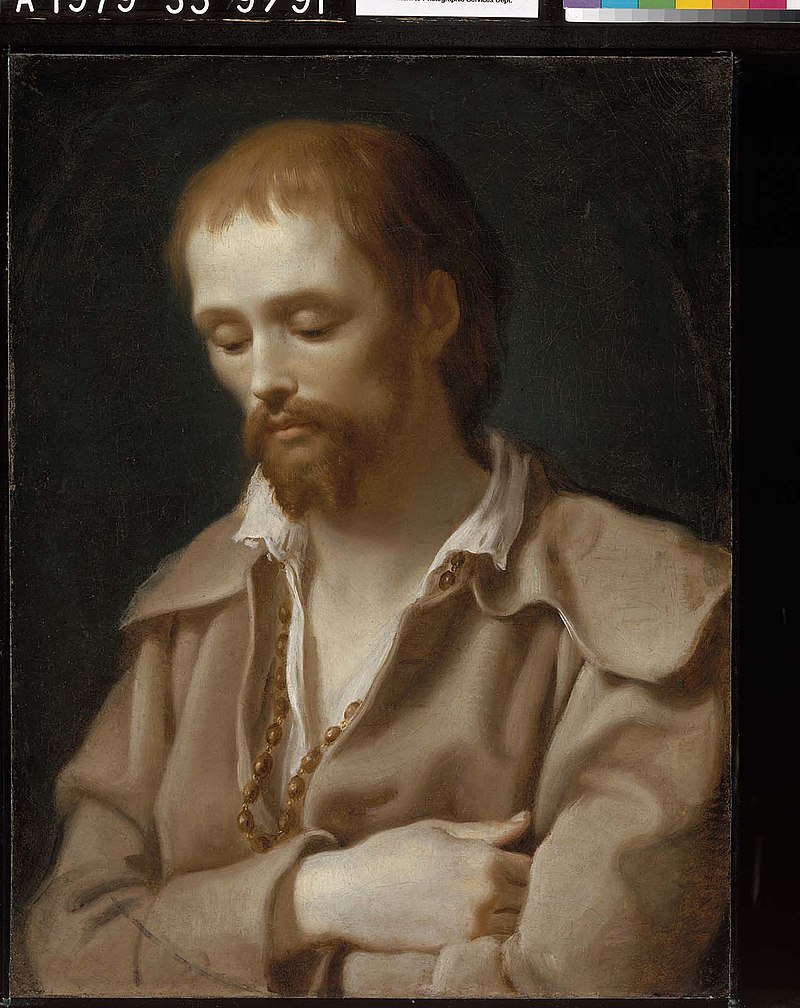
A grace-filled Holy Week to all our readers! As we await and prepare for the Resurrection about to dawn upon us, we might keep in mind two Benedicts: Pope Emeritus Benedict XVI, requiescat in pace, elected on this day in 2005; and today’s commemoration of the mystic pilgrim, Benedict Joseph Labre, who died on this[…]Continue reading→

My Name is Bernadette
April 16th is a propitious day, for besides the anniversary of Father de Valk’s death, who founded Catholic Insight in its print form decades ago, and the commemoration of the ‘two Benedicts’, mentioned in accompanying posts, today we also recall Saint Bernadette Soubirous, the young visionary to whom the Virgin Mary appeared numerous times at[…]Continue reading→
Presidential Pardon of Weronika Krawczyk
As a good news, follow-up to our story from Poland, of the persecution of Weronika Krawczyk for her pro-life views, we heard that she has been granted a presidential pardon. One might still wonder why one needs a presidential pardon for simply holding the long-held belief that the child within the womb is a child,[…]Continue reading→
Saint Lydwina of Schiedam and Suffering Joyfully
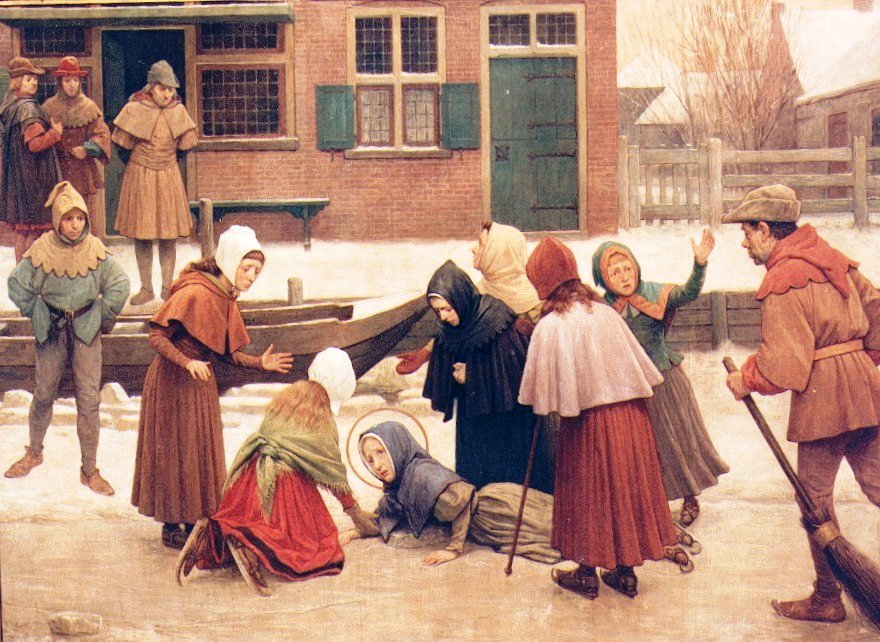
Saint Lydwina of Schiedam (1380 – 1433) was one of the countless and glorious ‘victim souls’ in the history of the Church, those whose lives are filled with suffering, often of an unimaginable intensity, but who suffer joyfully. She was a fifteen-year old Dutch girl, out skating one day, when she fell and broke one[…]Continue reading→
The Glorious Martyrdoms of Martin and Maximus
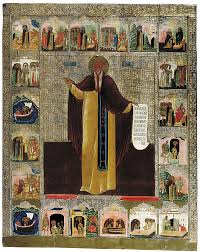
As we enter into Eastertide, we recall on this 13th of April Pope Saint Martin I (+655), one of the noblest, if most tragic, of the successors of Saint Peter. Born in Umbria, Italy, he was of noble lineage, with great intelligence combined with charity and love of the poor and the Church. While still[…]Continue reading→
Canonizing Sister Faustina and Divine Mercy
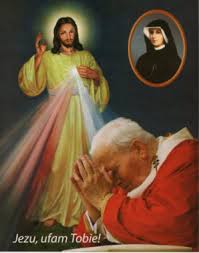
HOMILY OF THE HOLY FATHER MASS IN ST PETER’S SQUARE FOR THE CANONIZATION OF SR MARY FAUSTINA KOWALSKA Sunday, 30 April 2000 1. “Confitemini Domino quoniam bonus, quoniam in saeculum misericordia eius”; “Give thanks to the Lord for he is good; his steadfast love endures for ever” (Ps 118: 1). So the Church sings on the Octave of[…]Continue reading→
Pope Leo and a Rosary for Peace
Pope Leo XIV has asked Catholics across the world to join him in a Rosary for peace today, at 18:00 Rome time (6 pm), which would be noon from where I write (EST). If you are able, whether at that time or another, and in whatever way you pray, to join in intercession with the[…]Continue reading→