
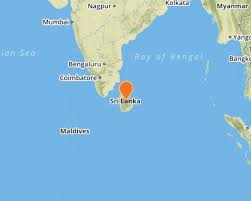
Carnage in Sri Lanka
The Easter Sunday bombings in Sri Lanka, killing nearly three hundred, wounding five hundred more, have merited near-universal condemnation. Worshipers at Sunday Mass – men, women and children, for such explosives do not discriminate – mangled, maimed, killed. All on the most solemn of Christian feasts.
Factions of the ‘religion of peace’ are blamed, with conspirators already taken into custody.
Pope Benedict’s 2006 Regensburg Address becomes ever-more prophetic as the years roll on. A religion unhinged from reason – even leaving aside revelation – is not a means to social cohesion, whatever else it may mean – or not – in terms of the afterlife.
There really is no ‘Islam’, only ‘Islams’, for who is to say what is its ‘truth’? Brunei? Iran? The local imam? How about Jacob Williams in an odd piece, which I quite frankly find scandalous, just published in First Things, recounting his apologia for why he became a Muslim, all in proper British fashion, except now he takes beef instead of bacon for breakfast? Or does Islam have more to do with the ‘radicalized’ terrorists in this case?
When one describes a Christian becoming ‘radicalized’, he is commended, even, perhaps, canonized, as in Saint Benedict Saint Francis, Mother Theresa, getting back to the roots of our religion, to what Christ asked us to do, in a more literal way.
Yet when a Muslim becomes ‘radicalized’, getting back to, what shall we say, the roots of Islam, its origins, in what the Qur’an actually prescribes, he is condemned. Yet not by all; hence my reference above to near-universal condemnation. For there are untold numbers who support such carnage, tacitly and otherwise, even on Easter during the holy sacrifice of the Mass, perhaps especially so, as a necessary blood-letting, a vivid lesson to the infidel, that the ‘will of Allah’ will brook no opposition on the ineluctable path to worldwide submission.
Yet, as Mark Steyn points out, as he has done so before, the media obfuscates the obvious, talking about ‘sectarian violence’ and such circumlocutions.
Now, as I just discovered from the Google Doodle, this is Earth Day, the less said about which perhaps the better. We had best get our priorities straight, if we’re still allowed to say that.
For now, we pray for the dead, the wounded, the grieving, and, yes, the perpetrators of this nefarious act.
May the Risen Christ, the one true Saviour, bring healing, peace and conversion.
Carney’s Amoral Majority
After five defections – euphemistically described as ‘crossing the floor’ – and three by-elections, Mark Carney and his Liberals how have their coveted majority. One wonders what bowls of pottage were offered in back-room deals. In the archaic monarchical system that is the Dominion of Canada, this majority allows the newly-minted Prime Minister to rule[…]Continue reading→

Saint Kateri , Canada’s Protectress
This was the title given to Saint Kateri Tekakwitha, by Pope Benedict XVI, when he canonized her on October 28th, 2012, along with six others, in Saint Peter’ Square (she had been beatified by Pope John Paul II back in 1980). With Saint Joseph as our protector, along with the Canadian martyrs, we seem to[…]Continue reading→
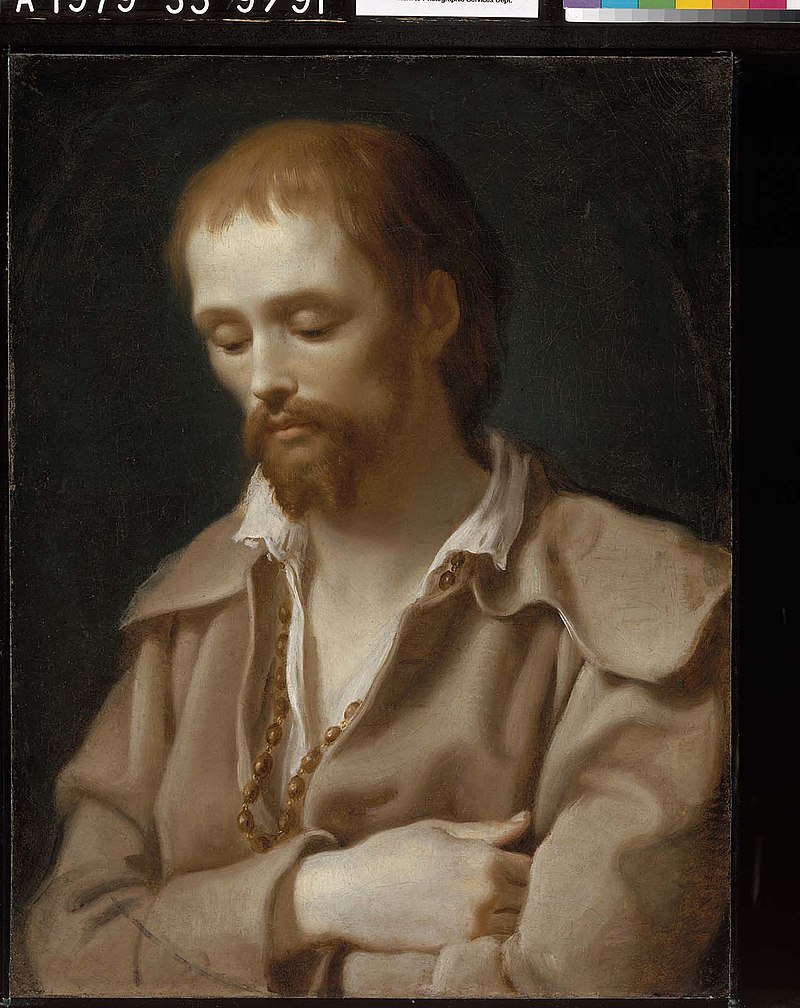
A Tale of Two Benedicts
A grace-filled Holy Week to all our readers! As we await and prepare for the Resurrection about to dawn upon us, we might keep in mind two Benedicts: Pope Emeritus Benedict XVI, requiescat in pace, elected on this day in 2005; and today’s commemoration of the mystic pilgrim, Benedict Joseph Labre, who died on this[…]Continue reading→

My Name is Bernadette
April 16th is a propitious day, for besides the anniversary of Father de Valk’s death, who founded Catholic Insight in its print form decades ago, and the commemoration of the ‘two Benedicts’, mentioned in accompanying posts, today we also recall Saint Bernadette Soubirous, the young visionary to whom the Virgin Mary appeared numerous times at[…]Continue reading→
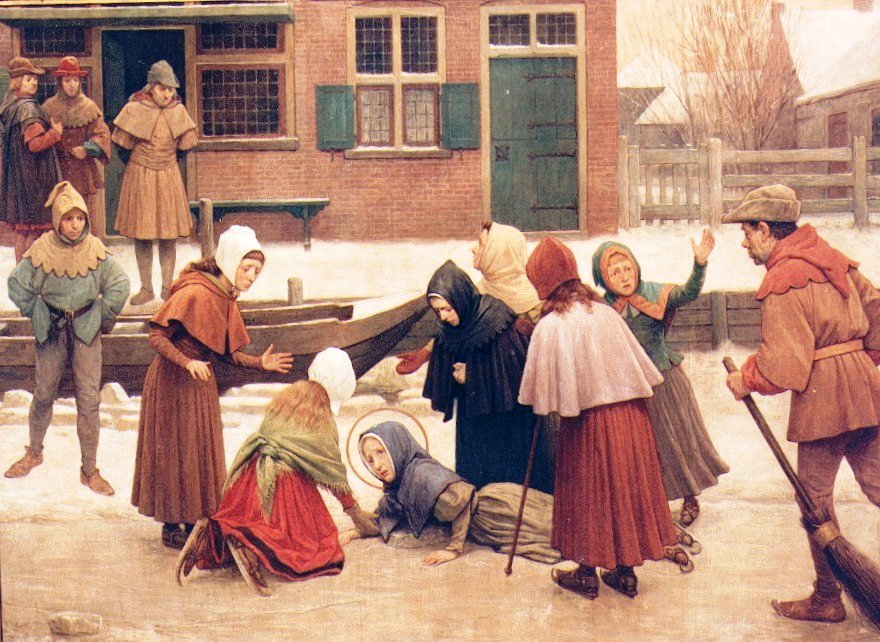
Saint Lydwina of Schiedam and Suffering Joyfully
Saint Lydwina of Schiedam (1380 – 1433) was one of the countless and glorious ‘victim souls’ in the history of the Church, those whose lives are filled with suffering, often of an unimaginable intensity, but who suffer joyfully. She was a fifteen-year old Dutch girl, out skating one day, when she fell and broke one[…]Continue reading→
The Glorious Martyrdoms of Martin and Maximus
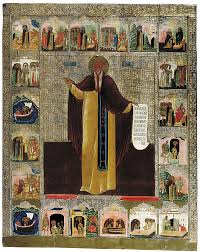
As we enter into Eastertide, we recall on this 13th of April Pope Saint Martin I (+655), one of the noblest, if most tragic, of the successors of Saint Peter. Born in Umbria, Italy, he was of noble lineage, with great intelligence combined with charity and love of the poor and the Church. While still[…]Continue reading→

Saint Stanislaus of Szczepanów
We celebrate Saint Stanislaus today (+ April 11, 1079), in light of this Easter Octave, a bishop and martyr who accepted the episcopacy only at the direct order of Pope Alexander II. He proved a wise and courageous leader of his flock, put to death by his own king, Boleslaus, for rebuking the monarch’s ‘immoral[…]Continue reading→
Saint Gemma Galgani
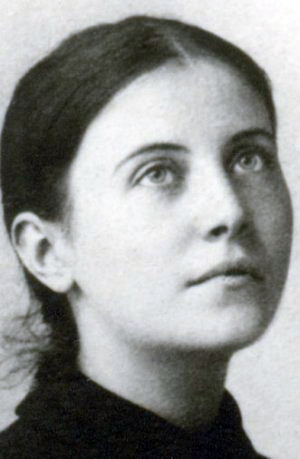
On this April 11th, in 1903 – the same year that the Italian Guiseppe Sarto was elected Pope later that summer as Pius X – a lovely, young Italian woman died, by the name of Gemma Galgani. She lived a brief life of 24 years, as did a number of other young saints, including Pier[…]Continue reading→
An Ideological and Improper Translation
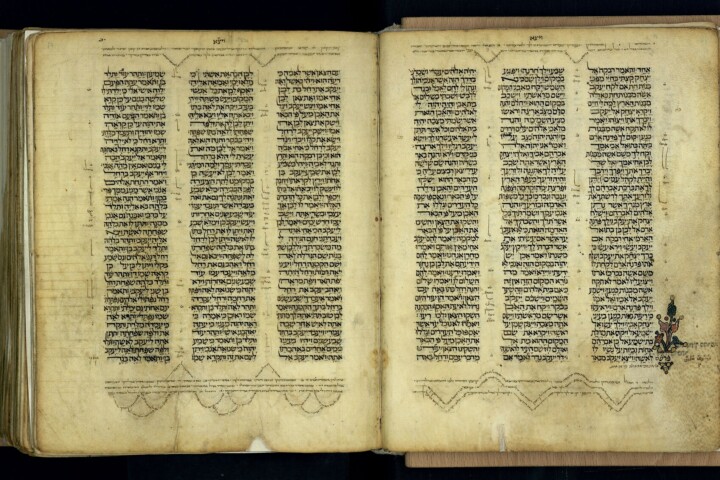
I noticed something odd with the psalm reading at Mass the other day. Our bishops’ conference here in Canada has decreed that the Mass in English – Novus Ordo – use the ‘NRSV’, the ‘New Revised Standard Version’, an ‘updated’ translation of the original RSV, first published in 1952. This ‘new translation’ has the tendency[…]Continue reading→
Saint Jean-Baptiste de la Salle: A Teacher for Teachers
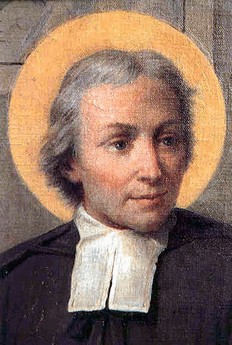
Jean-Baptiste de la Salle (1651 – 1719), a French nobleman, ordained a priest, founded the first order in the Church’s history entirely without priests, and this came about almost by accident. I say ‘almost’, for, of course, there are no accidents with God. Destined for ordination from an early age, Jean-Baptiste never looked back, even[…]Continue reading→