
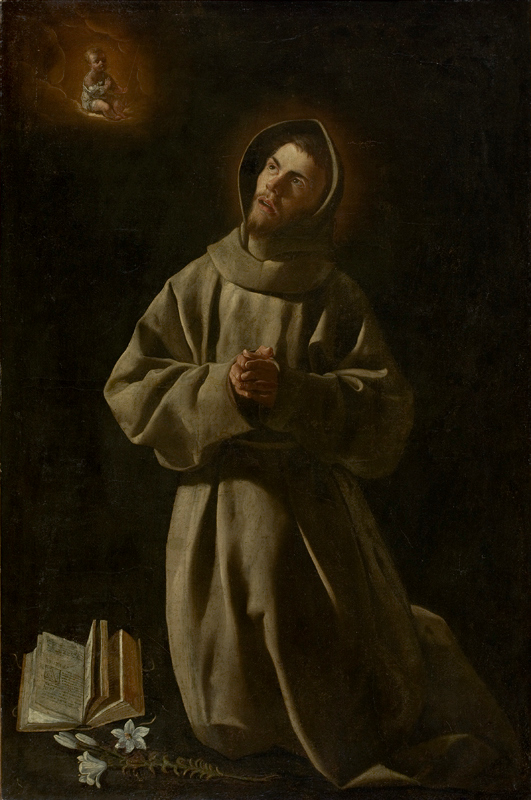
Pope Benedict and Anthony of Padua
BENEDICT XVI
GENERAL AUDIENCE
Paul VI Audience Hall
Wednesday, 10 February 2010
Saint Anthony of Padua
Dear Brothers and Sisters,
Two weeks ago I presented St Francis of Assisi. This morning I would like to speak of another saint who belonged to the first generation of the Friars Minor: Anthony of Padua, or of Lisbon, as he is also called with reference to his native town. He is one of the most popular Saints in the whole Catholic Church, venerated not only in Padua, where a splendid Basilica has been built that contains his mortal remains, but also throughout the world. Dear to the faithful are the images and statues that portray him with the lily a symbol of his purity or with the Child Jesus in his arms, in memory of a miraculous apparition mentioned in several literary sources.
With his outstanding gifts of intelligence, balance, apostolic zeal and, primarily, mystic fervour, Anthony contributed significantly to the development of Franciscan spirituality.
He was born into a noble family in Lisbon in about 1195 and was baptized with the name of Fernando. He entered the Canons who followed the monastic Rule of St Augustine, first at St Vincent’s Monastery in Lisbon and later at that of the Holy Cross in Coimbra, a renowned cultural centre in Portugal. He dedicated himself with interest and solicitude to the study of the Bible and of the Church Fathers, acquiring the theological knowledge that was to bear fruit in his teaching and preaching activities. The event that represented a decisive turning point on his life happened in Coimbra. It was there, in 1220, that the relics were exposed of the first five Franciscan missionaries who had gone to Morocco, where they had met with martyrdom. Their story inspired in young Fernando the desire to imitate them and to advance on the path of Christian perfection. Thus he asked to leave the Augustinian Canons to become a Friar Minor. His request was granted and, having taken the name of Anthony, he too set out for Morocco, but divine Providence disposed otherwise. After an illness he was obliged to return to Italy and, in 1221, participated in the famous “Chapter of the Mats” in Assisi, where he also met St Francis. He then lived for a period in complete concealment in a convent at Forlì in northern Italy, where the Lord called him to another mission. Invited, in somewhat casual circumstances, to preach on the occasion of a priestly ordination, he showed himself to be endowed with such knowledge and eloquence that the Superiors assigned him to preaching. Thus he embarked on apostolic work in Italy and France that was so intense and effective that it induced many people who had left the Church to retrace their footsteps. Anthony was also one of the first if not the first theology teachers of the Friars Minor. He began his teaching in Bologna with the blessing of St Francis who, recognizing Anthony’s virtues, sent him a short letter that began with these words: “I would like you to teach the brethren theology”. Anthony laid the foundations of Franciscan theology which, cultivated by other outstanding thinkers, was to reach its apex with St Bonaventure of Bagnoregio and Bl. Duns Scotus.
Having become Provincial Superior of the Friars Minor in northern Italy, he continued his ministry of preaching, alternating it with his office of governance. When his term as Provincial came to an end, he withdrew to a place near Padua where he had stayed on various other occasions. Barely a year later, he died at the city gates on 13 June 1231. Padua, which had welcomed him with affection and veneration in his lifetime, has always accorded him honour and devotion. Pope Gregory IX himself, having heard him preach, described him as the “Ark of the Testament” and subsequent to miracles brought about through his intercession canonized him in 1232, only a year after his death…
(To continue reading, please see here).

Remembering Father Alphonse de Valk
(Today marks the sixth anniversary of the death of Father Alphonse de Valk, C.S.B., a faithful, courageous and indefatigable Basilian priest, pro-life-and-family apostle, and the founder of Catholic Insight magazine. Here is what we wrote those on his entering into eternity five years ago, as we continue to remember him in our prayers and thoughts)[…]Continue reading→

Divine Mercy Sunday – An Echo of Every Mass
Reach out your hand and put it in my side. Do not doubt but believe’… ‘My Lord and my God!’ (Jn. 20:18)). Today is Divine Mercy Sunday, and as we celebrate the end of the Easter Octave, we contemplate the wounded side of our Saviour, the Church’s source of life. On Good Friday in the[…]Continue reading→

Saint Stanislaus of Szczepanów
We celebrate Saint Stanislaus today (+ April 11, 1079), in light of this Easter Octave, a bishop and martyr who accepted the episcopacy only at the direct order of Pope Alexander II. He proved a wise and courageous leader of his flock, put to death by his own king, Boleslaus, for rebuking the monarch’s ‘immoral[…]Continue reading→
First Holy Communion: Sermon from May 16, 1943
Here is a sermon from the good old days by +Rev. Msgr. Vincent Nicholas Foy (August 14, 1915 – March 13, 2017), from 1943. Readers may recall that Pope Saint Pius X, by the decree Quam Singulari in 1910, lowered the customary age of reception of Holy Communion – after the rigours of the plague[…]Continue reading→
In the Glorious Light of Easter, Alleluia!
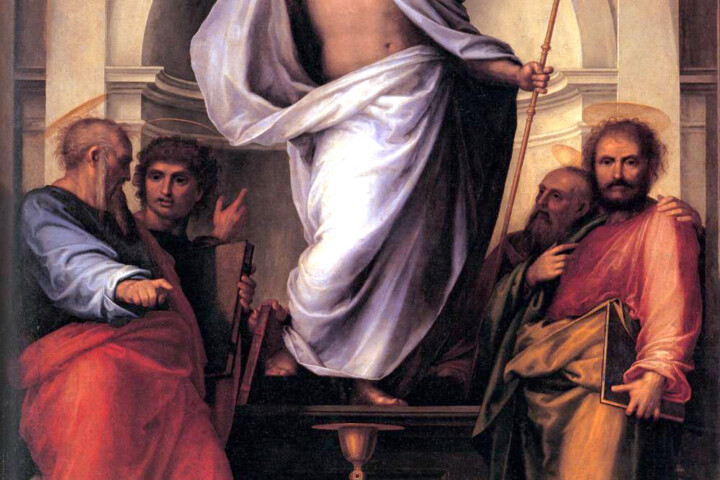
Set your minds on things that are above, not on things that are on earth, for you have died, and your life is hidden with Christ in God. When Christ who is your life is revealed, then you also will be revealed with him in glory (Col. 3:3-4). The Resurrection of Our Lord and Saviour[…]Continue reading→
An Ancient Homily for Holy Saturday
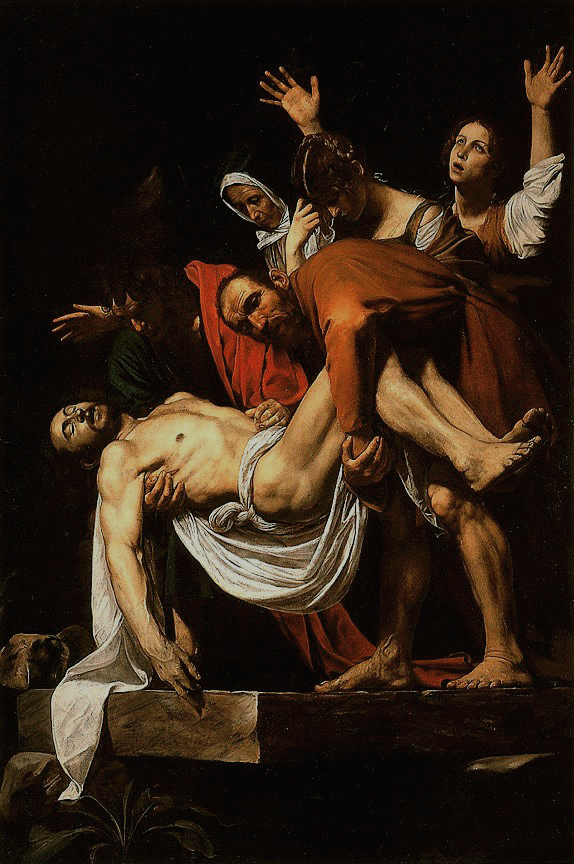
The time between Good Friday and Easter Sunday is one of waiting, in silence, as the world wonders – anticipates – what will happen, after the death of Christ. We re-live this time each year in the anamnesis of our liturgy, and in turn look forward to the glorious re-creation of all things at the[…]Continue reading→
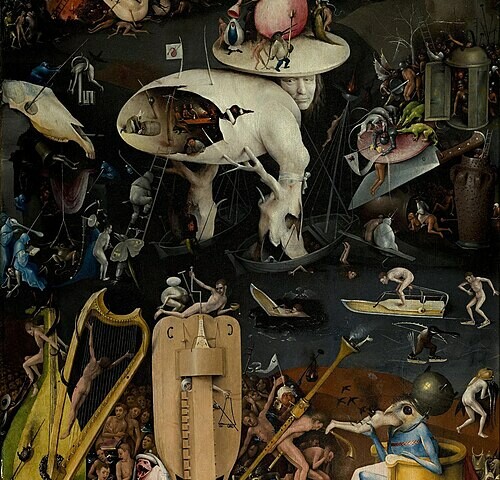
Europe’s Long Descent
(As we meditate on this day on Christ’s burial, and His descent into hell, it is fitting to ponder here with contributor Peter Marcus how the world seems to be heading there as well. The difference is that, although God cannot ‘redeem’ hell, nor those therein, He can and did redeem the world. There is[…]Continue reading→
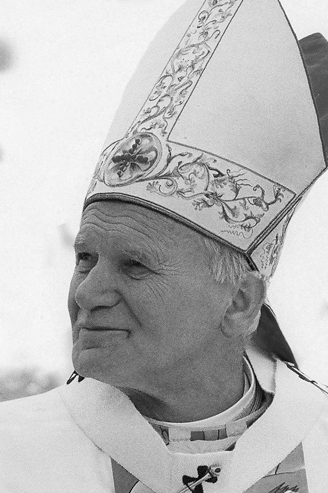
Pope Saint John Paul II’s First Good Friday Homily
ADDRESS OF HIS HOLINESS JOHN PAUL II AT THE CONCLUSION OF THE STATIONS OF THE CROSS AT THE COLOSSEUM Good Friday, 13 April 1979 When we make the Way of the Cross from one station to the next, in spirit we are always at the spot wherethis journey had its “historical” place: where it[…]Continue reading→
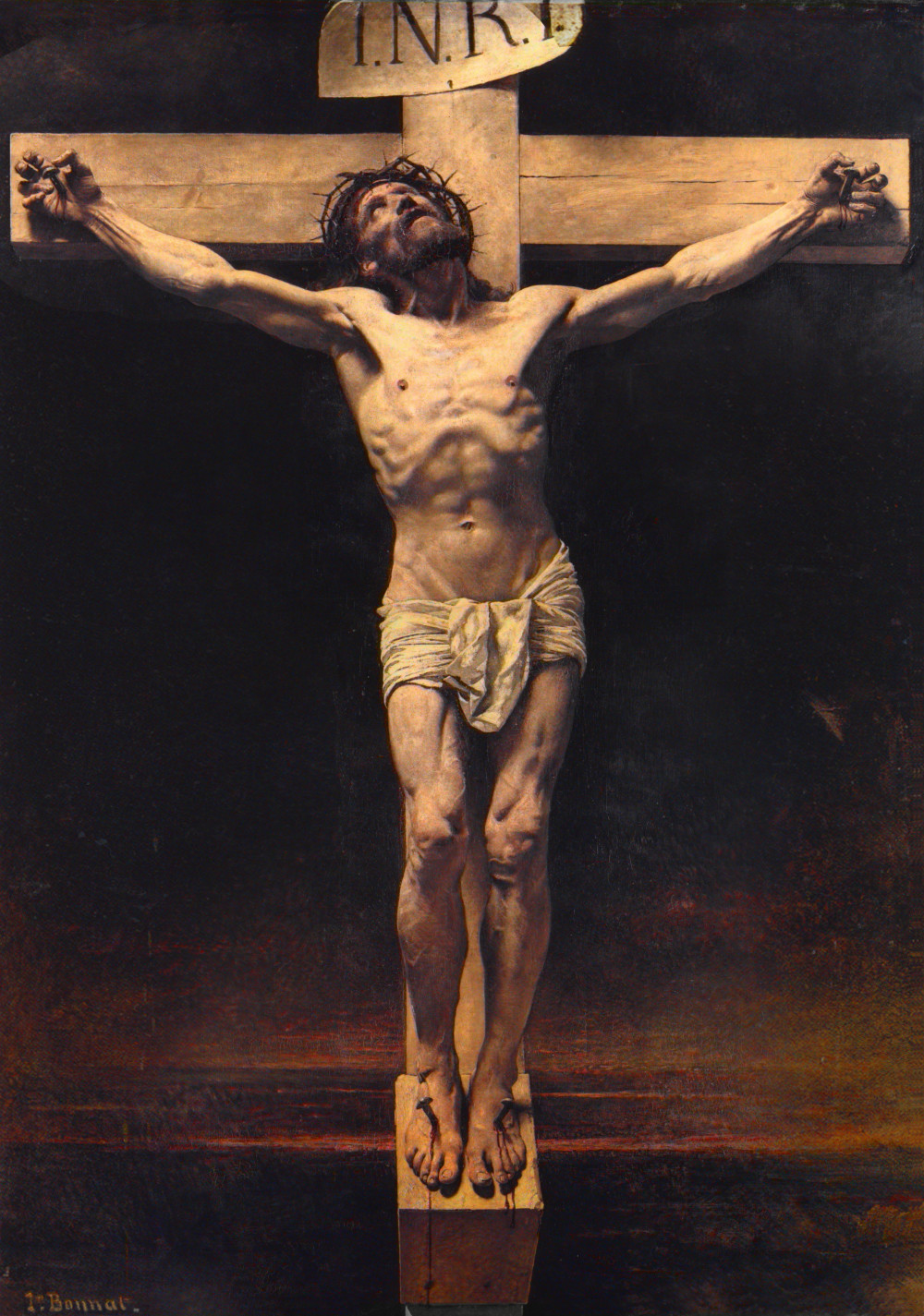
A Meditation for Good Friday: How To Undo the Effects of Sin?
Cardinal Newman, now Saint John Henry Newman, was a towering figure of nineteenth-century Catholicism who is almost universally admired. I say “almost” because not everyone likes him. I knew a priest once, Arthur Caulkins, who has become disenchanted with Newman. As an undergraduate Arthur had been enamoured of Newman, and this interest continued when he[…]Continue reading→
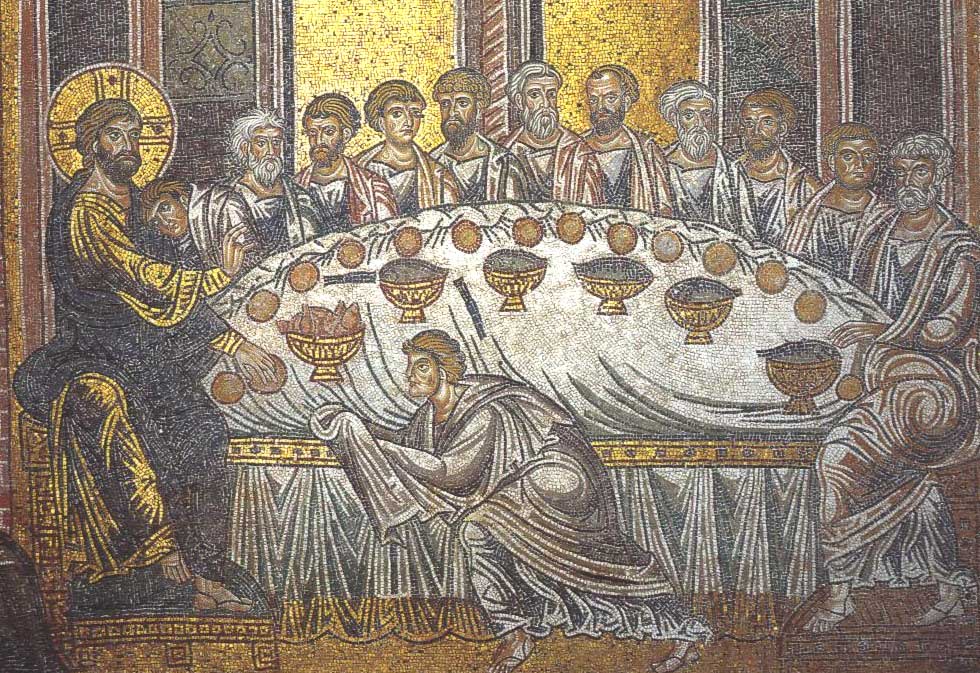
Pope Benedict’s Last Holy Thursday Homily
MASS OF THE LORD’S SUPPER HOMILY OF HIS HOLINESS BENEDICT XVI Basilica of St John Lateran Holy Thursday, 5 April 2012 Photo Gallery (Video) Dear Brothers and Sisters! Holy Thursday is not only the day of the institution of the Most Holy Eucharist, whose splendour bathes all else and in some ways draws it to[…]Continue reading→