
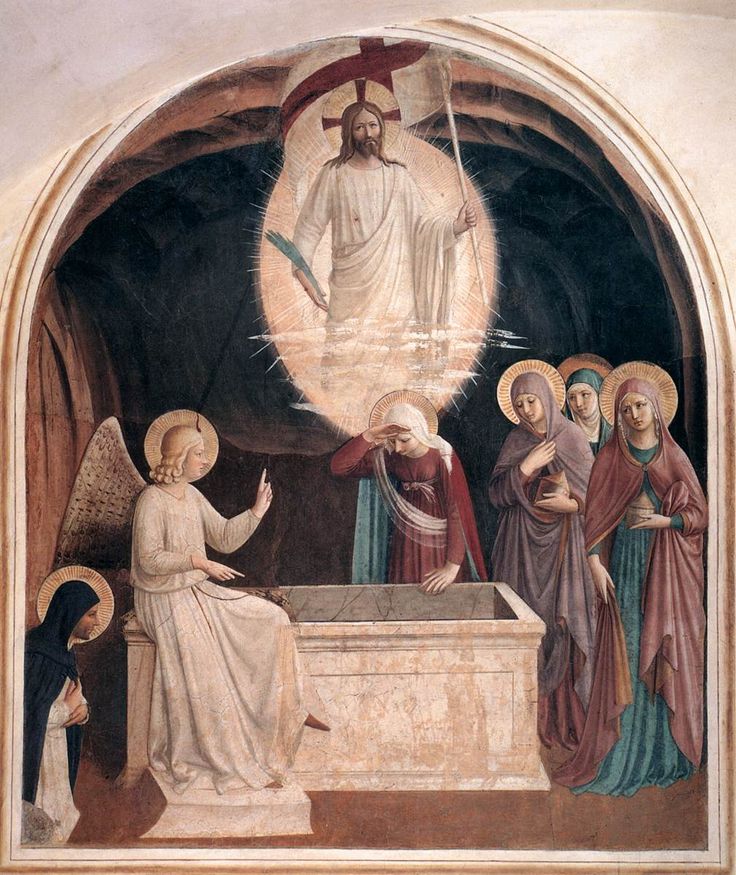
Third Sunday of Easter: Christ, the Atoning Sacrifice
Jesus Christ the righteous…he is the atoning sacrifice for our sins, and not for ours only but also for the sins of the whole world. (1 Jn 2:1-2)
The Easter Season is a privileged time of catechesis or instruction both for the newly-baptized and for all of us who renewed our baptismal vows on Easter Sunday. This liturgical catechesis is called mystagogy because it draws us into the Mystery of Christ. This mystery is not a riddle or a fable but “a reality that is the foundation of our hope and the reality that illuminates our entire earthly pilgrimage, including the enigma of suffering and death” (Pope Benedict XVI). This is the Mystery that we celebrate with great care and solemnity every year, the Paschal Mystery; and this Mystery is the source of our renewal and life in Christ. As the word mystery is used in the New Testament, it signifies an object of revelation. In other words, it is not something that we could come to know without God revealing it. St. Peter’s sermon quoted in our first reading speaks of this mystery “as foretold through all the prophets” (Acts 3:17), though evidently misunderstood and even rejected. The Mystery, of course, is Christ our Lord, and the content of this Mystery is summarised for us by the Apostle John in our second reading: “Jesus Christ the righteous … He is the atoning sacrifice for our sins, and not for our sins only but also for the sins of the whole world” (1 Jn 2:1-2).
The word that St. John uses to describe the sacrifice of our Lord is atoning. Atonement is a concept which explains how our Lord achieved our salvation and it is absolutely essential to have an understanding of this concept if we wish to understand our Christian Faith. The expiation of our sins and our reconciliation with God is atonement, namely at-one-ment or bringing together. In Himself, Christ our Lord brings together divinity and humanity, and what had been lost through the devil’s deception is restored by our Lord’s atoning sacrifice. An ancient Easter homily (attributed to St. John Chrysostom) speaks of the Paschal Mystery in a manner that may help us to understand how to make this Mystery our very own and grow in its knowledge and power:
Christ, the sacrifice that was offered for us, is the Father of the world to come. He puts an end to our former life, and through the regenerating waters of baptism in which we imitate his death and resurrection, he gives us the beginning of a new life. The knowledge that Christ is the Passover Lamb who was sacrificed for us should make us regard the moment of His immolation as the beginning of our lives. As far as we are concerned, Christ’s immolation on our behalf takes place when we become aware of this grace and understand the life conferred on us by this sacrifice. (The Liturgy of the Hours, p. 645)
It could be said that this is what took place in the hearts and minds of our Lord’s disciples when our Lord appeared to them, as our Gospel text relates. “‘These are my words that I spoke to you while I was still with you—that everything written about me in the Law of Moses, the Prophets, and the Psalms must be fulfilled.’ Then He opened their minds to understand the Scriptures … You are witnesses of these things” (Lk 24:44-48). We know that once the disciples came to an awareness of these truths, everything literally changed. They boldly proclaimed the truth of the Resurrection and this has continued through the ages; and we in our day are now the witnesses of these things. The truth of the Resurrection is not true because we believe it to be true; it is true in itself. However, the power of its truth is only felt when we become aware of its implication in our own lives. Surely, each year that we celebrate the Paschal Mystery we do become more aware of this grace and understand with greater depth of understanding the life conferred on us by our Lord’s sacrifice. This is instruction and growth in the Mystery of Christ, mystagogy; and because our lives change and we change and grow, this truth must be brought to bear on the concrete circumstances of our lives here and now. We approach these Feasts each year with a sense of expectation and hope in the awareness that God desires that we come to a deeper awareness of the life that is ours because of our Lord’s saving Sacrifice. This is what active participation in the Sacred Liturgy implies: a deeper sense of the truths and events of salvation and their effect on our life.
In the Paschal Mystery, the words of Scripture are fulfilled; and this means that the atoning sacrifice of our Lord “‘according to the Scriptures’ is an event that bears within itself a logos, a logic” (Pope Benedict XVI, Easter Wednesday Catechesis, 2009). This is the only logic capable of explaining the entire history of man and of the world. On a more intimately personal level, the Paschal Mystery enables us to understand our own existence. To enter into this Mystery and to strive to understand the events of our own lives by its meaning and logic is what our Lord calls each one of us to do and what the Sacred Liturgy endeavours to do during this privileged time of instruction. Our prayerful presence here on this the Lord’s Day, the dies Domini that each week celebrates the Resurrection, is our encounter with the Risen Lord. Our hearts do burn with love when our Lord speaks to us in the Gospel that is proclaimed and, like the disciples on the road to Emmaus, our Lord is made known to us “in the breaking of the bread” (Lk 24:35).
The fullest expression of the Paschal Mystery is the celebration of the Holy Sacrifice of the Mass and the devout reception of Holy Communion. In the Sacrifice of the Mass, our Lord’s Atoning Sacrifice is made present on our Altar and in the Sacrament of Holy Communion, we the many are brought together and made one in Christ and we are reconciled to God who created us to share “in the incorruptible glory of the resurrection” (Prayer after Communion, Third Sunday of Easter, The Roman Missal). So we pattern our lives on the Mystery that we profess and that we celebrate and this is the lesson and work of a lifetime.

Remembering Father Alphonse de Valk
(Today marks the sixth anniversary of the death of Father Alphonse de Valk, C.S.B., a faithful, courageous and indefatigable Basilian priest, pro-life-and-family apostle, and the founder of Catholic Insight magazine. Here is what we wrote those on his entering into eternity five years ago, as we continue to remember him in our prayers and thoughts)[…]Continue reading→

Divine Mercy Sunday – An Echo of Every Mass
Reach out your hand and put it in my side. Do not doubt but believe’… ‘My Lord and my God!’ (Jn. 20:18)). Today is Divine Mercy Sunday, and as we celebrate the end of the Easter Octave, we contemplate the wounded side of our Saviour, the Church’s source of life. On Good Friday in the[…]Continue reading→

Saint Stanislaus of Szczepanów
We celebrate Saint Stanislaus today (+ April 11, 1079), in light of this Easter Octave, a bishop and martyr who accepted the episcopacy only at the direct order of Pope Alexander II. He proved a wise and courageous leader of his flock, put to death by his own king, Boleslaus, for rebuking the monarch’s ‘immoral[…]Continue reading→

First Holy Communion: Sermon from May 16, 1943
Here is a sermon from the good old days by +Rev. Msgr. Vincent Nicholas Foy (August 14, 1915 – March 13, 2017), from 1943. Readers may recall that Pope Saint Pius X, by the decree Quam Singulari in 1910, lowered the customary age of reception of Holy Communion – after the rigours of the plague[…]Continue reading→
In the Glorious Light of Easter, Alleluia!
Set your minds on things that are above, not on things that are on earth, for you have died, and your life is hidden with Christ in God. When Christ who is your life is revealed, then you also will be revealed with him in glory (Col. 3:3-4). The Resurrection of Our Lord and Saviour[…]Continue reading→
An Ancient Homily for Holy Saturday
The time between Good Friday and Easter Sunday is one of waiting, in silence, as the world wonders – anticipates – what will happen, after the death of Christ. We re-live this time each year in the anamnesis of our liturgy, and in turn look forward to the glorious re-creation of all things at the[…]Continue reading→
Europe’s Long Descent
(As we meditate on this day on Christ’s burial, and His descent into hell, it is fitting to ponder here with contributor Peter Marcus how the world seems to be heading there as well. The difference is that, although God cannot ‘redeem’ hell, nor those therein, He can and did redeem the world. There is[…]Continue reading→
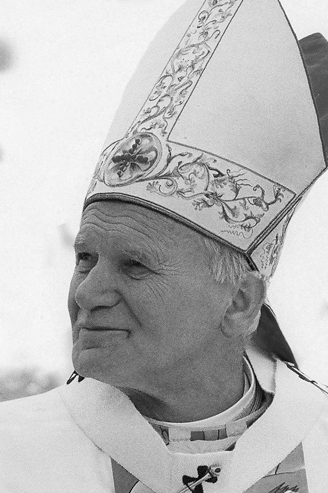
Pope Saint John Paul II’s First Good Friday Homily
ADDRESS OF HIS HOLINESS JOHN PAUL II AT THE CONCLUSION OF THE STATIONS OF THE CROSS AT THE COLOSSEUM Good Friday, 13 April 1979 When we make the Way of the Cross from one station to the next, in spirit we are always at the spot wherethis journey had its “historical” place: where it[…]Continue reading→
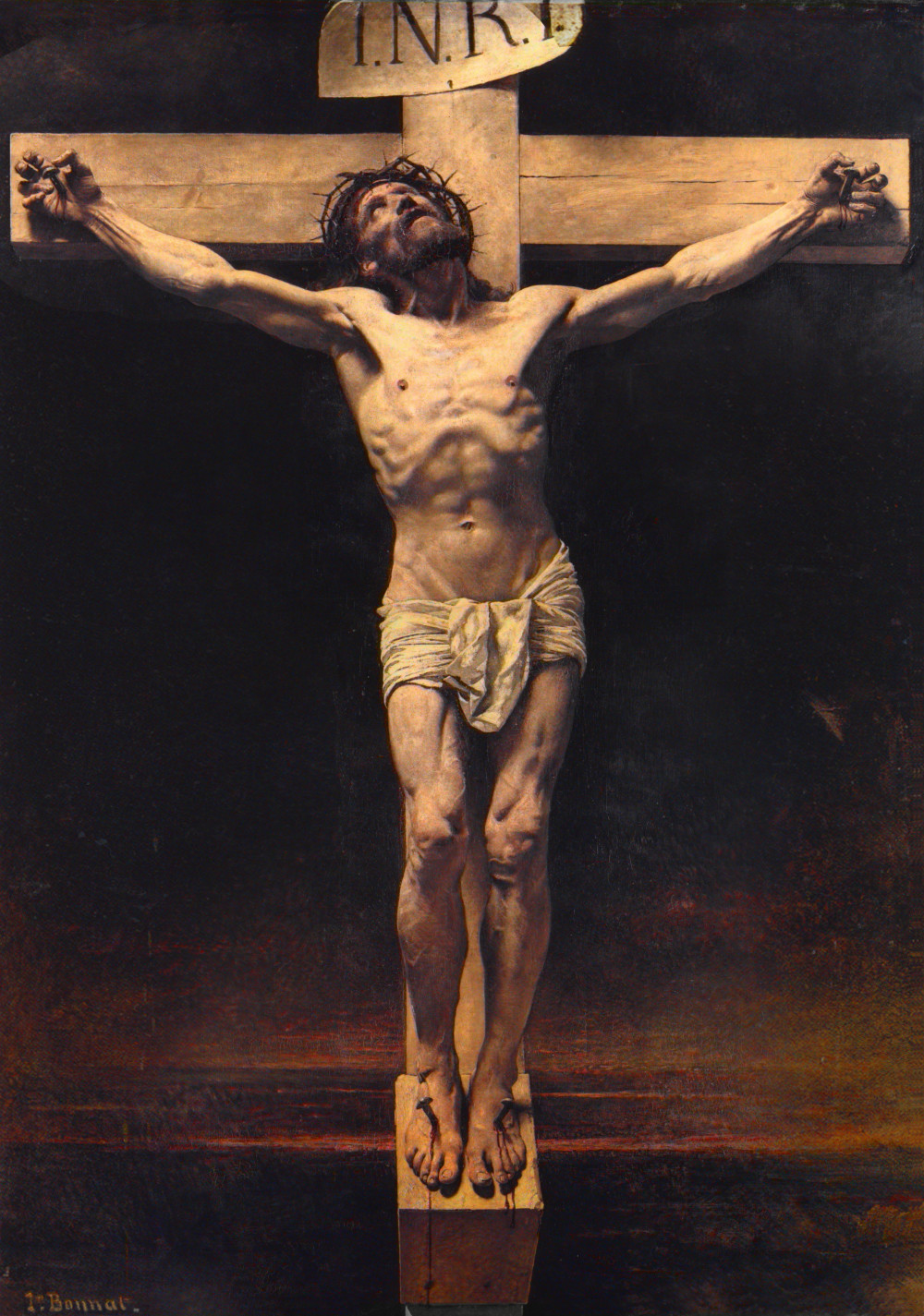
A Meditation for Good Friday: How To Undo the Effects of Sin?
Cardinal Newman, now Saint John Henry Newman, was a towering figure of nineteenth-century Catholicism who is almost universally admired. I say “almost” because not everyone likes him. I knew a priest once, Arthur Caulkins, who has become disenchanted with Newman. As an undergraduate Arthur had been enamoured of Newman, and this interest continued when he[…]Continue reading→
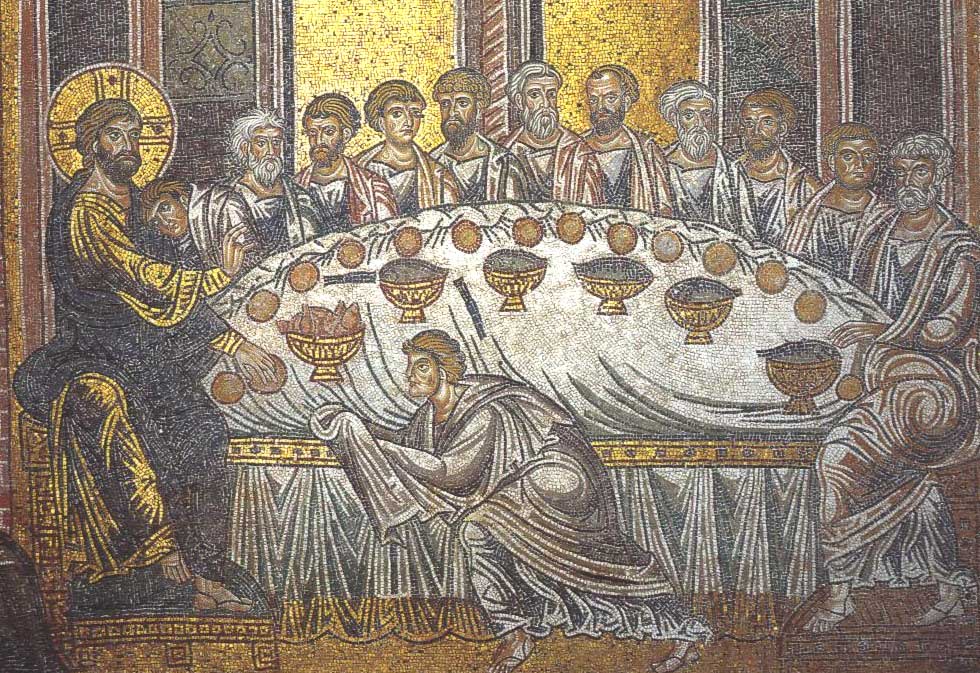
Pope Benedict’s Last Holy Thursday Homily
MASS OF THE LORD’S SUPPER HOMILY OF HIS HOLINESS BENEDICT XVI Basilica of St John Lateran Holy Thursday, 5 April 2012 Photo Gallery (Video) Dear Brothers and Sisters! Holy Thursday is not only the day of the institution of the Most Holy Eucharist, whose splendour bathes all else and in some ways draws it to[…]Continue reading→