
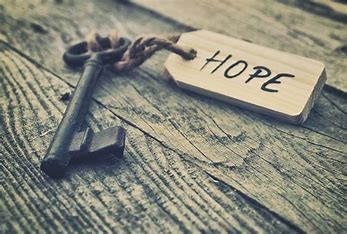
Unlocking the Hope That is In Us
According to St. Thomas Aquinas, “The most hopeful people in the world are the young and the drunk. The first because they have little experience of failures, and the second because they have succeeded in drowning theirs.”
Hope is the least talked about and most constant of all virtues. There is not a day passes that we do not experience hundreds of hopes. As the saying goes, Hope springs eternal. It is the easiest of virtues to acquire and the hardest to abandon. Hope concerns, most of all, not what we think or what we do, but what we desire. We think we shape our own desires, and sometimes we do; but sometimes we do not. God, our parents, and the world compete to influence what we should desire. Even the devil wants to give shape to our desires. The competition is fierce.
When Thomas Jefferson noted that the mass of mankind have always turned to religion, he was touching on hope as the generating power behind religion. The fear of everlasting death will always be trumped by the hope for everlasting life. What was the point of the life, death and resurrection of Jesus if not to give us hope that there is life and happiness beyond the grave? Even the most obstinate atheist hardly ever objects that the prayers of the faithful should be for him.
After the Resurrection, the march of Christianity was forward, never backward. This came from the virtue of Christian hope in the presence of a corrupt and dying Roman Empire. Today one senses that the flame of hope has been diminished. Padre Pio seemed to be addressing this question when he encouraged us to remember that a boat always must go forward or backward. If it drops its oars and remains motionless, the wind alone will blow it back.
So hope is allied to courage. It is the fuel our courage burns when we go up against those who hate even the idea of God. Saint John Climacus said of those enemies: “If they see our spirits cowering and trembling, they will make a more vigorous attack against us. They hesitate to grapple with a bold fighter.” Our hesitation comes only when we have run out of the fuel that hope supplies.
The more we have not, the more we hope. Hope flourishes best in our darkest hour, as when a starving child hopes for food. This is why greedy people who have too much seem not to hope. They have nothing left to hope for. Some kill themselves with boredom and debauchery. Then again, they might have a faint notion of other people’s hopes and give away their bounty that others may prosper. Jesus knew the rich suffer guilt for ill-gotten gains and hope to buy their way into heaven.
Aside from food and water, everything else can be taken from us and we can survive … everything but hope. This is why, where children are concerned, there is cruelty in telling them there is no God, that they have no immortal soul, and that sooner or later they will be food for worms. We cannot know how many children force-fed this dark philosophy have been wounded to the depths of the soul.
Hope is not a thing we may take or leave. It is required of us as a virtue that produces its own reward … peace of mind. If we willfully repudiate hope, we have made a pact with the devil. That is why Dante in his great poem had engraved over the gates of Hell, “Abandon hope, all ye who enter here.” G.K. Chesterton gave the most perfect expression of that sentiment. “If there be anywhere a man who has really lost hope, his face out of a whole crowd of men will strike us like a blow. He may hang himself or become Prime Minister; it matters nothing. The man is dead.”
When hope in a better world is dead, hope in a lesser world will die with it.

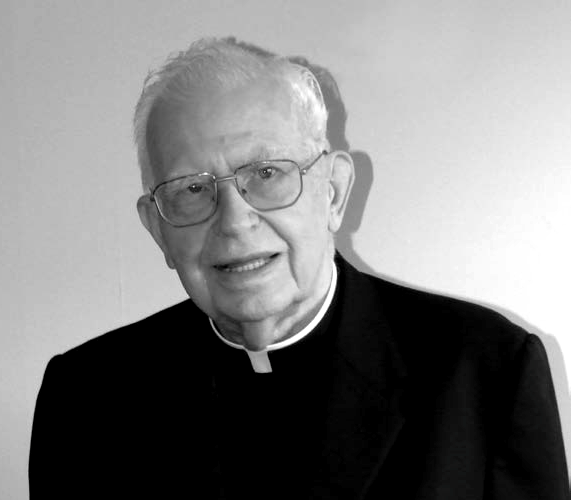
Remembering Father Alphonse de Valk
(Today marks the sixth anniversary of the death of Father Alphonse de Valk, C.S.B., a faithful, courageous and indefatigable Basilian priest, pro-life-and-family apostle, and the founder of Catholic Insight magazine. Here is what we wrote those on his entering into eternity five years ago, as we continue to remember him in our prayers and thoughts)[…]Continue reading→

Divine Mercy Sunday – An Echo of Every Mass
Reach out your hand and put it in my side. Do not doubt but believe’… ‘My Lord and my God!’ (Jn. 20:18)). Today is Divine Mercy Sunday, and as we celebrate the end of the Easter Octave, we contemplate the wounded side of our Saviour, the Church’s source of life. On Good Friday in the[…]Continue reading→

Saint Stanislaus of Szczepanów
We celebrate Saint Stanislaus today (+ April 11, 1079), in light of this Easter Octave, a bishop and martyr who accepted the episcopacy only at the direct order of Pope Alexander II. He proved a wise and courageous leader of his flock, put to death by his own king, Boleslaus, for rebuking the monarch’s ‘immoral[…]Continue reading→
First Holy Communion: Sermon from May 16, 1943
Here is a sermon from the good old days by +Rev. Msgr. Vincent Nicholas Foy (August 14, 1915 – March 13, 2017), from 1943. Readers may recall that Pope Saint Pius X, by the decree Quam Singulari in 1910, lowered the customary age of reception of Holy Communion – after the rigours of the plague[…]Continue reading→
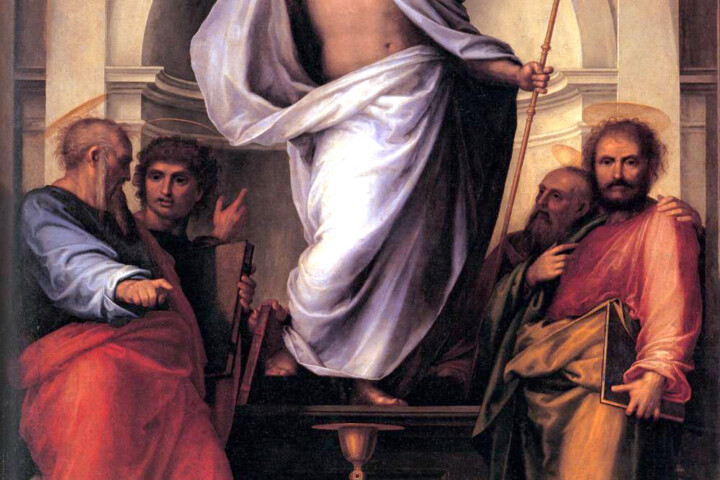
In the Glorious Light of Easter, Alleluia!
Set your minds on things that are above, not on things that are on earth, for you have died, and your life is hidden with Christ in God. When Christ who is your life is revealed, then you also will be revealed with him in glory (Col. 3:3-4). The Resurrection of Our Lord and Saviour[…]Continue reading→
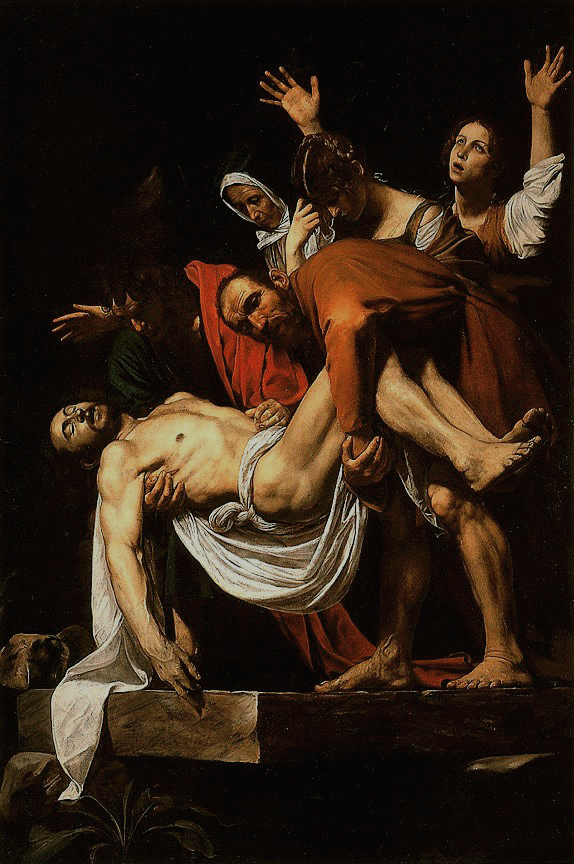
An Ancient Homily for Holy Saturday
The time between Good Friday and Easter Sunday is one of waiting, in silence, as the world wonders – anticipates – what will happen, after the death of Christ. We re-live this time each year in the anamnesis of our liturgy, and in turn look forward to the glorious re-creation of all things at the[…]Continue reading→
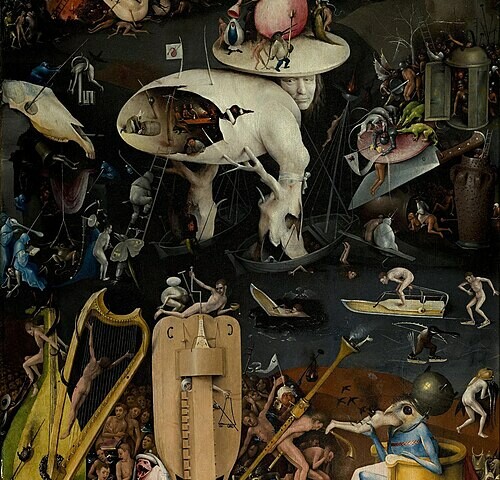
Europe’s Long Descent
(As we meditate on this day on Christ’s burial, and His descent into hell, it is fitting to ponder here with contributor Peter Marcus how the world seems to be heading there as well. The difference is that, although God cannot ‘redeem’ hell, nor those therein, He can and did redeem the world. There is[…]Continue reading→
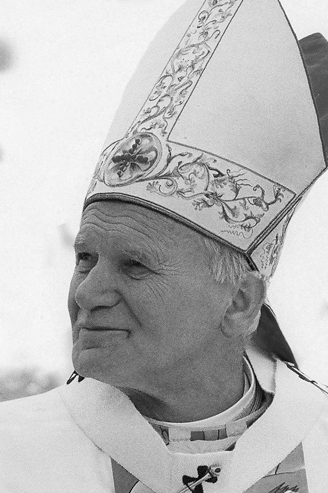
Pope Saint John Paul II’s First Good Friday Homily
ADDRESS OF HIS HOLINESS JOHN PAUL II AT THE CONCLUSION OF THE STATIONS OF THE CROSS AT THE COLOSSEUM Good Friday, 13 April 1979 When we make the Way of the Cross from one station to the next, in spirit we are always at the spot wherethis journey had its “historical” place: where it[…]Continue reading→
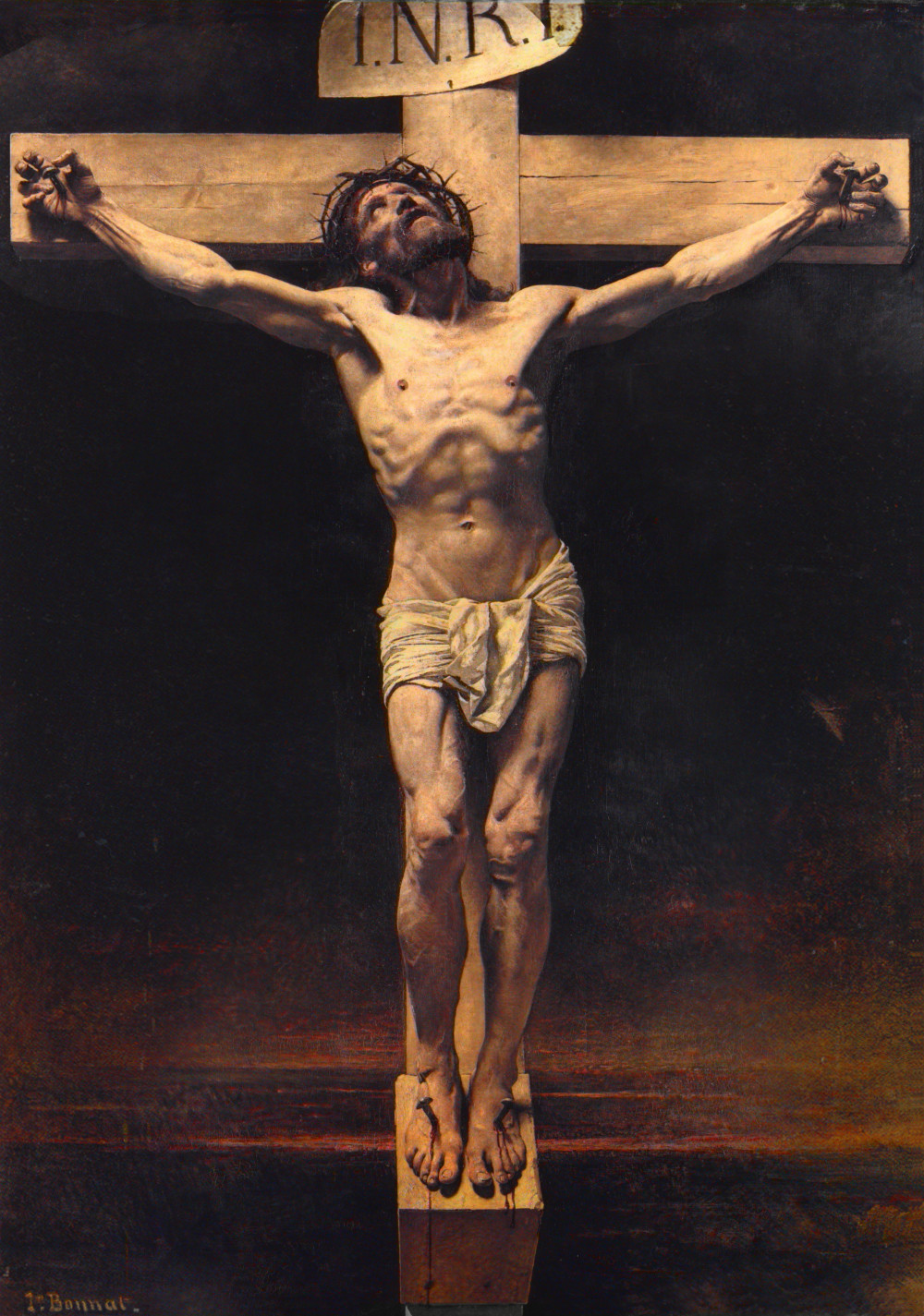
A Meditation for Good Friday: How To Undo the Effects of Sin?
Cardinal Newman, now Saint John Henry Newman, was a towering figure of nineteenth-century Catholicism who is almost universally admired. I say “almost” because not everyone likes him. I knew a priest once, Arthur Caulkins, who has become disenchanted with Newman. As an undergraduate Arthur had been enamoured of Newman, and this interest continued when he[…]Continue reading→
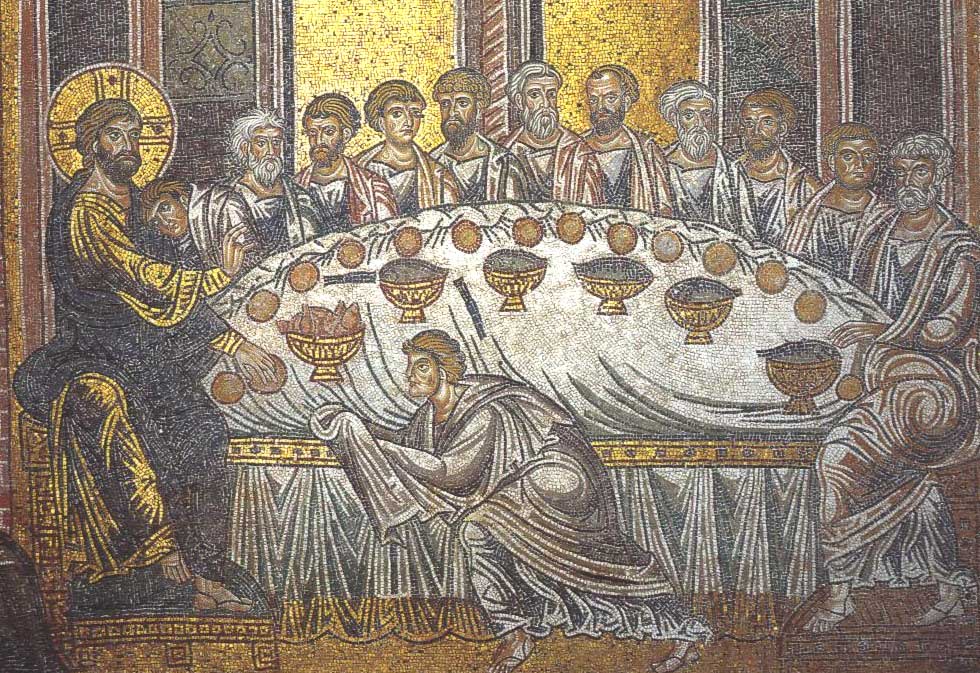
Pope Benedict’s Last Holy Thursday Homily
MASS OF THE LORD’S SUPPER HOMILY OF HIS HOLINESS BENEDICT XVI Basilica of St John Lateran Holy Thursday, 5 April 2012 Photo Gallery (Video) Dear Brothers and Sisters! Holy Thursday is not only the day of the institution of the Most Holy Eucharist, whose splendour bathes all else and in some ways draws it to[…]Continue reading→