
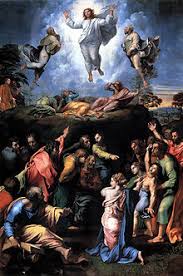
Second Sunday of Lent: Our Transfigured and Suffering Lord
He will transform the body of our humiliation that it may be conformed to the body of his glory, by the power that also enables him to make all things subject to himself (Phil. 3:21). ⧾
On the second Sunday in Lent we always read the Gospel of the Transfiguration our Lord. We do so in order that our focus may be directed towards the glory of Easter. The glory revealed to Peter, James and John is a glimpse of the glory of the Resurrection, a glory that we are destined to share, as St. Paul assures: He will transform the body of our humiliation that it may be conformed to the body of glory (Phil 3:21). We learn from our Gospel text that the disciples saw Moses and Elijah conversing with Our Lord about His departure or exodus which he was to accomplish in Jerusalem (Preface for the Second Sunday in Lent, The Roman Missal): and that St. Peter expresses a desire remain on the mountain, to savour this glory. St. Luke however, tells us that Peter did not know what he said (Lk. 9:33). Peter did not yet understand that Jesus was to accomplish His mission in Jerusalem where He would be delivered into the hands of men (Lk. 9:44).
On the mountain what is revealed is a glory that is manifested both and equally so, in the victory of the Resurrection and the humiliation of the Cross. This revelation of glory in victory and in humiliation reveals to us the nature of God, and by extension, our nature; for we are created in the image and likeness of God. The God who has revealed Himself, and Whom we worship is both absolute power and absolute love; and yet, it is principally by way of LOVE that He reveals Himself and brings about our redemption and our salvation. Because we share in the life of God and because He Himself has shared our life, our suffering and death, we are able to perceive that in our suffering, especially when, through sickness and the diminishment that come with old age, our own bodies resemble the body of our humiliation spoken of by St. Paul, this is no less a revelation of the glory of God. This is a truth not seen but perceived through faith. All the Gospels, especially the Gospel of John, speak of God’s humiliation as His exaltation, His glory.
Our Lord spoke very specifically of this: And I, when I am lifted up from the earth, will draw all people to myself (Jn. 12:32). Our Lord’s crucifixion is, in fact, a moment of glory; and the Mass which is the memorial of His Passion, enables us to share this glory. The Mass is the only moment that transforms man on this earth for here we unite all that we are and all that we suffer to the Mystery that has redeemed the world. When we suffer in union with Christ Our Lord, the words of the Apostle are realized: In my flesh I complete what is lacking in Christ’s afflictions for the sake of his body, that is, the church (Col. 1:24). It is then that we reflect the glory that is manifested in the Passion of Our Lord. When we suffer or assist others as they suffer, we participate in a great mystery. For this reason we pray, Passion of Christ, strengthen me.
St. Thomas Aquinas teaches us that the Passion of Our Lord completely suffices to fashion our lives…for the cross exemplifies every virtue. Hence, Our Crucified Lord is both the power of God and the wisdom of God (1 Cor. 1:24). It is to Him that we look in all our struggles and problems; and if we contemplate His Passion we are sure to receive the guidance needed to live a meaningful and holy life. In so doing, in the midst of a society that has on the whole repudiated its Christian and Catholic foundations, we will shine as lights (Phil. 2:15) for generally speaking, our nation has been seduced by the culture of death; a culture that cannot fathom that there is any value in suffering, let alone sacrifice for the sake of others. We are engaged in a culture war with the culture of death and what is needed from faithful Catholics is a return to the traditional faith and a bold witness and firm commitment to the Gospel of Life; reverence for life from conception to natural death. We have come to this point by degrees chiefly because we have forgotten either deliberately or through negligence that sacrifice is at heart of an authentic and meaningful life.
As we contemplate the Passion of Our Lord during this Lenten time, we are mindful that in the Cross we have the ultimate and only adequate answer to the problem of evil, the only solution to the mystery of sin, and the answer also to life’s meaning and purpose. Our profession of faith, if taken seriously, is journey into the depth of this mystery. Our Crucified Saviour reveals the ineffable love of God for sinners and the power of God veiled in weakness.
St. Luke tells that the day after the experience of Our Lords’ Transfiguration, while the disciples were marveling (Cf. Lk. 9:33) at Our Lord’s glorious deeds, He said to them: let these words sink into your ears; for the Son of man is to be delivered into the hands of men (Lk. 9:44). Perhaps we may not yet fully understand why Our Lord brought about our salvation in such weakness and pain. Yet no human life is exempt from such; and this shared experience cannot be without value and purpose. Traditional Catholic piety is an effective way of communicating these truths, as is most especially an understanding of the sacrificial nature of the Mass.
O Sacred Banquet in which Christ is received as food: the memory of His Passion is recalled, the soul is filled with grace and to us is given a pledge of our future glory. This is a wonderful summary of the Mass which we devoutly celebrate each Sunday. We perceive a purpose in the hidden glory of the Crucified Christ. The Crucifix that hangs before us is a vivid image of the poverty, humility and vulnerability of suffering; but also of suffering’s redemptive power. As we contemplate also Our Lady at the foot of the Cross during Lent, we are inspired by her constancy and faithful witness; for they exemplify the care and compassionate support that we should provide for those who suffer. The Blessed Sacrament which we reverently cherish in our Tabernacle is the Sacrament of the Cross but no less the pledge of our future glory. These reveal a Love so powerful that neither hate nor death could conquer it; and because we receive and worship this Sacrament, this same love is at work in our hearts. By its power great deeds of love are done and by its power our understanding increases and deepens so that in time, we come to see and to understand that the Passion of Our Lord truly is our strength; and that our own sufferings, mysterious as they may be in both their origin and purpose place us in the very heart of the Paschal Mystery. Suffering is not meaningless nor is it without purpose. May our Lenten discipline and prayer help us to enter more fully into the Mystery of Our Lord’s Passion and therein to behold His glory. Passion of Christ, strengthen me. O good Jesus, hear me. Within Thy wounds, Hide me and never permit me to be separated from Thee. ⧾

Remembering Father Alphonse de Valk
(Today marks the sixth anniversary of the death of Father Alphonse de Valk, C.S.B., a faithful, courageous and indefatigable Basilian priest, pro-life-and-family apostle, and the founder of Catholic Insight magazine. Here is what we wrote those on his entering into eternity five years ago, as we continue to remember him in our prayers and thoughts)[…]Continue reading→

Divine Mercy Sunday – An Echo of Every Mass
Reach out your hand and put it in my side. Do not doubt but believe’… ‘My Lord and my God!’ (Jn. 20:18)). Today is Divine Mercy Sunday, and as we celebrate the end of the Easter Octave, we contemplate the wounded side of our Saviour, the Church’s source of life. On Good Friday in the[…]Continue reading→

Saint Stanislaus of Szczepanów
We celebrate Saint Stanislaus today (+ April 11, 1079), in light of this Easter Octave, a bishop and martyr who accepted the episcopacy only at the direct order of Pope Alexander II. He proved a wise and courageous leader of his flock, put to death by his own king, Boleslaus, for rebuking the monarch’s ‘immoral[…]Continue reading→
First Holy Communion: Sermon from May 16, 1943
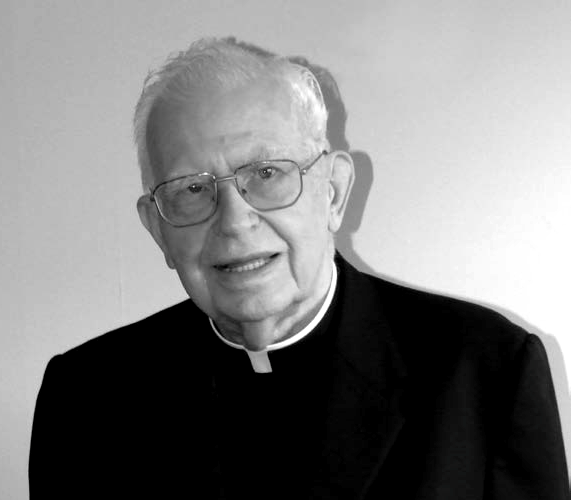
Here is a sermon from the good old days by +Rev. Msgr. Vincent Nicholas Foy (August 14, 1915 – March 13, 2017), from 1943. Readers may recall that Pope Saint Pius X, by the decree Quam Singulari in 1910, lowered the customary age of reception of Holy Communion – after the rigours of the plague[…]Continue reading→
In the Glorious Light of Easter, Alleluia!
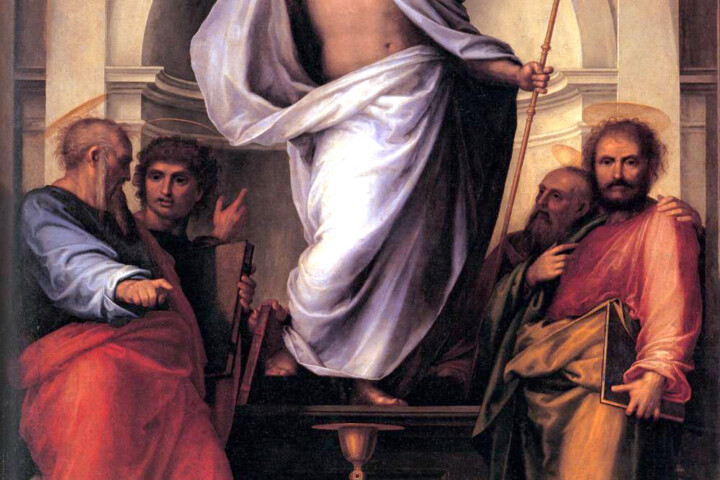
Set your minds on things that are above, not on things that are on earth, for you have died, and your life is hidden with Christ in God. When Christ who is your life is revealed, then you also will be revealed with him in glory (Col. 3:3-4). The Resurrection of Our Lord and Saviour[…]Continue reading→
An Ancient Homily for Holy Saturday
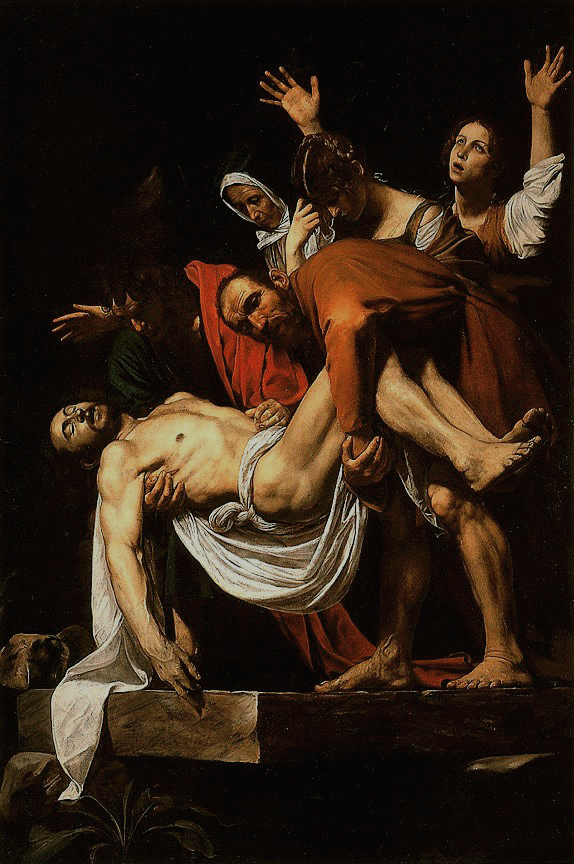
The time between Good Friday and Easter Sunday is one of waiting, in silence, as the world wonders – anticipates – what will happen, after the death of Christ. We re-live this time each year in the anamnesis of our liturgy, and in turn look forward to the glorious re-creation of all things at the[…]Continue reading→
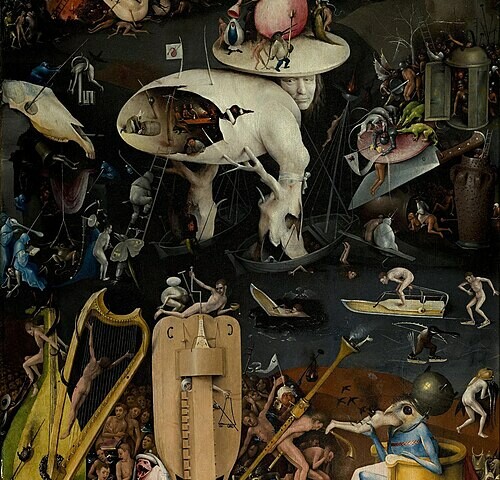
Europe’s Long Descent
(As we meditate on this day on Christ’s burial, and His descent into hell, it is fitting to ponder here with contributor Peter Marcus how the world seems to be heading there as well. The difference is that, although God cannot ‘redeem’ hell, nor those therein, He can and did redeem the world. There is[…]Continue reading→
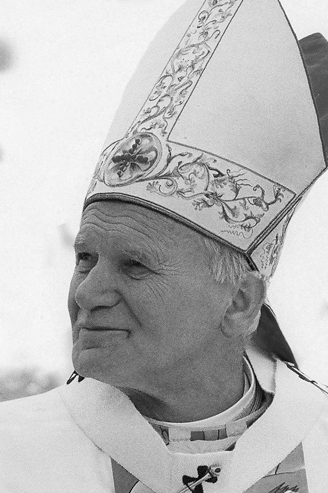
Pope Saint John Paul II’s First Good Friday Homily
ADDRESS OF HIS HOLINESS JOHN PAUL II AT THE CONCLUSION OF THE STATIONS OF THE CROSS AT THE COLOSSEUM Good Friday, 13 April 1979 When we make the Way of the Cross from one station to the next, in spirit we are always at the spot wherethis journey had its “historical” place: where it[…]Continue reading→
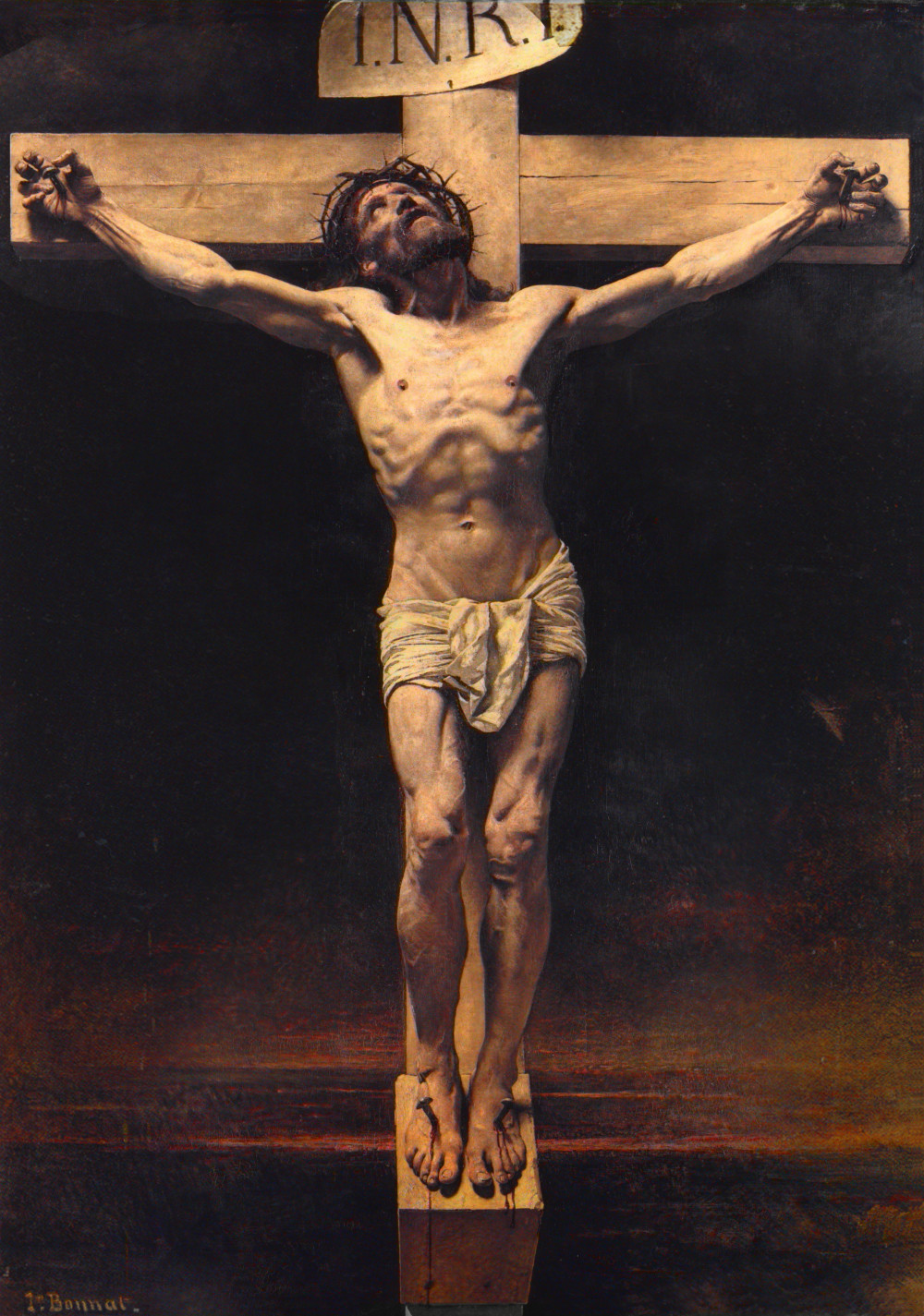
A Meditation for Good Friday: How To Undo the Effects of Sin?
Cardinal Newman, now Saint John Henry Newman, was a towering figure of nineteenth-century Catholicism who is almost universally admired. I say “almost” because not everyone likes him. I knew a priest once, Arthur Caulkins, who has become disenchanted with Newman. As an undergraduate Arthur had been enamoured of Newman, and this interest continued when he[…]Continue reading→
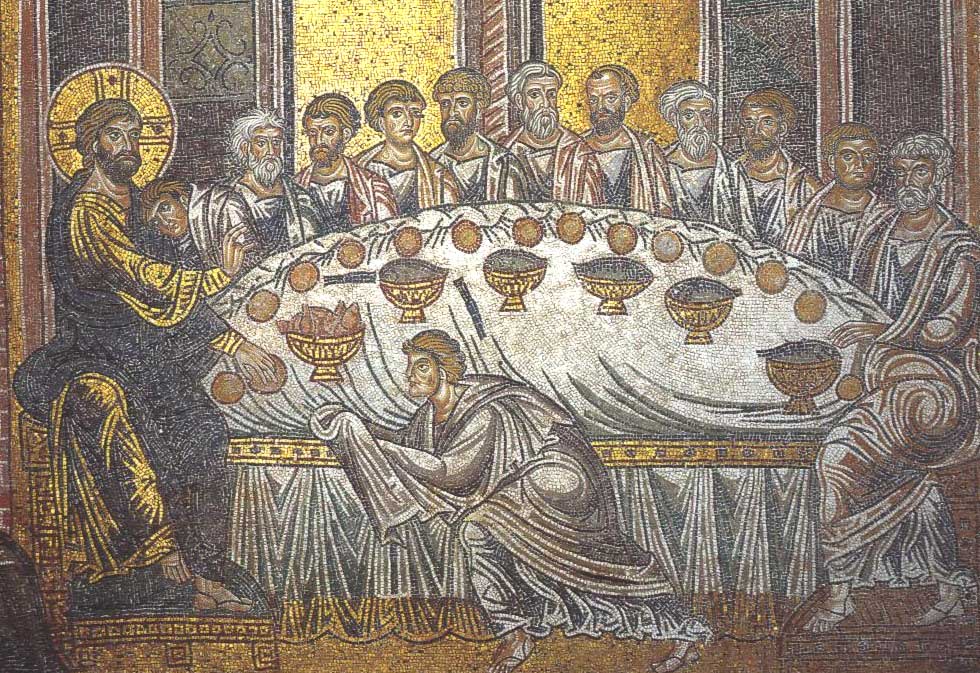
Pope Benedict’s Last Holy Thursday Homily
MASS OF THE LORD’S SUPPER HOMILY OF HIS HOLINESS BENEDICT XVI Basilica of St John Lateran Holy Thursday, 5 April 2012 Photo Gallery (Video) Dear Brothers and Sisters! Holy Thursday is not only the day of the institution of the Most Holy Eucharist, whose splendour bathes all else and in some ways draws it to[…]Continue reading→