
Fifth Sunday: The Mystery of Mercy
But when Simon Peter saw it, he fell down at Jesus’ knees, saying. ‘Go away from me, Lord, for I am a sinful man!’(Lk. 5:8) ⧾
As we continue to commemorate the mysteries of Our Lord’s earthly life, our Gospel reading records the call of the first apostles who left everything and followed Jesus (Lk. 5:11). The radical nature of their response is reflective of the similarly radical nature of the call: ‘Do not be afraid; from now on you will be catching men’ (Lk. 5:10). This scene describes the first of countless other occasions where both men and women, have set all things aside to work for the salvation of souls. Salus animarum est suprema lex; The salvation of souls is the supreme law of the Church. This ancient saying (enshrined in the final canon in the Church’s canon law) helps us to understand both what Our Lord says and does in the Gospel reading that we have just heard, and the Church’s efforts through the ages to be faithful to His command to put out into the deep water and let down your nets for a catch (Lk. 5:4).
Our Lord came into the world to save mankind; and we His disciples, are both the recipients of the gift of salvation and cooperators as the offer of salvation is made to the world today. This has always been the dynamic at work in the life of the Lord’s followers. What we receive is not kept simply for ourselves. It is generously offered and shared with others. Every local Church, that is to say, the Church in every country was founded by men and women sent to share the faith, just as the first Apostles were sent by our Lord. We think of St. Marguerite Bourgeoys, St. Marie of the Incarnation, Blessed Catherine of St. Augustine and of course, of the Jesuit Martyrs whom we know as the Canadian Martyrs. Ever-present in the history of the Church is the reality and witness of martyrdom. While many welcome the Gospel, many do not, and so every age has its martyrs. History however, also clearly illustrates that where the Gospel is received and lived, life improves at every level. So in the grace that is ours as we worship and adore the living God in the sacred action of the Mass, we make our own the words of the Prophet Isaiah: Then I heard the voice of the Lord saying, ‘Whom shall I send, and who will go for us?’ And I said, ‘Here am I; send me!’ (Is. 6:8). It is because we are aware that Our Lord is at work in our lives that we follow Him and rejoice that He has called us to belong to His Church, the visible community of His mercy (Porta Fidei, 15). Our efforts to live the Gospel are a proclamation of God’s merciful love.
The description of the Church as the visible community of His mercy, expresses the very reason for the existence of the Church. In his great encyclical on the Church, Mystici Corporis Christi (Of the Mystical Body of Christ), the Venerable Pope Pius XII taught that:
Dying on the Cross [Our Lord] left to His Church the immense treasury of the Redemption, towards which she contributed nothing. But when those graces come to be distributed, not only does He share this work of sanctification with His Church, but He wills that in some way it be due to her action. This is a deep mystery, and an inexhaustible subject of meditation, that the salvation of many depends on the prayers and voluntary penances which the members of the Mystical Body of Jesus Christ offer for this intention and on the cooperation of pastors of souls and of the faithful, especially of fathers and mothers of families, a cooperation which they must offer to our Divine Savior as though they were His associates (Pope Pius XII, Mystici Corporis Christi, 44).
The deep mystery that he speaks of is the mystery that we participate in through our prayers and voluntary penances, individually and corporately for the salvation of the many. Perhaps the most enigmatic expression of this mystery is found in the witness of the martyrs who not only died for the faith but who also forgave their persecutors. The Church has always been an instrument of reconciliation for the human family. We curse no one in our prayers. We pray and work for the salvation of all, without exception.
God’s greatest mercy is the forgiveness of sin; for sin is the source of all our ills. And the priest, sinner though he be, is nonetheless the instrument of God’s mercy. ‘Go away from me, Lord, for I am a sinful man!’ These words of St. Peter are no exaggeration, especially in the face of the stark reality of sin and a priest’s ministry as an agent of God’s mercy in the Sacrament of Confession. Mysteriously, God has ordained that sins should be forgiven through the agency and ministry of the Church, the ministry of priests. All of us should seek this mercy in the Sacrament of Confession and we ought to foster in ourselves a spirit of penance which is needed more than ever in our hedonistic age.
The greatest work of mercy is the proclamation of the truth; that God calls all humanity to conversion of life through the confession and forgiveness of sins. To speak of mercy without reference to repentance, confession of sin and conversion, that is, a change of life or attitude is a misrepresentation of what God’s mercy is and what it brings about in us. To heed the call to discipleship and to participate in the Church’s mission of salvation gives our life focus and meaning; and in this the Lord’s purpose for each one of us is fulfilled (Cf. Ps. 138). May God grant us the grace of constancy and of perseverance. ⧾

Remembering Father Alphonse de Valk
(Today marks the sixth anniversary of the death of Father Alphonse de Valk, C.S.B., a faithful, courageous and indefatigable Basilian priest, pro-life-and-family apostle, and the founder of Catholic Insight magazine. Here is what we wrote those on his entering into eternity five years ago, as we continue to remember him in our prayers and thoughts)[…]Continue reading→

Divine Mercy Sunday – An Echo of Every Mass
Reach out your hand and put it in my side. Do not doubt but believe’… ‘My Lord and my God!’ (Jn. 20:18)). Today is Divine Mercy Sunday, and as we celebrate the end of the Easter Octave, we contemplate the wounded side of our Saviour, the Church’s source of life. On Good Friday in the[…]Continue reading→

Saint Stanislaus of Szczepanów
We celebrate Saint Stanislaus today (+ April 11, 1079), in light of this Easter Octave, a bishop and martyr who accepted the episcopacy only at the direct order of Pope Alexander II. He proved a wise and courageous leader of his flock, put to death by his own king, Boleslaus, for rebuking the monarch’s ‘immoral[…]Continue reading→
First Holy Communion: Sermon from May 16, 1943
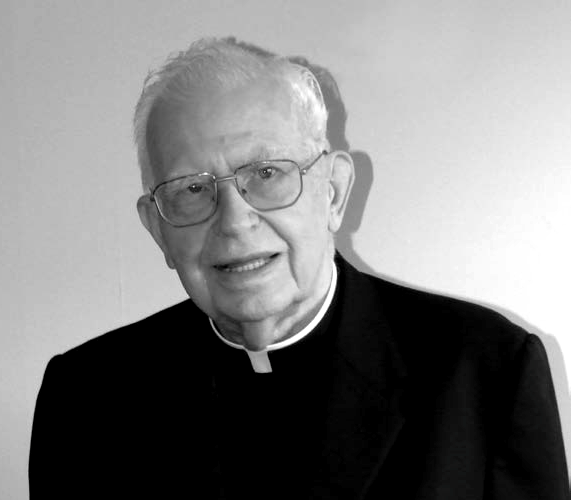
Here is a sermon from the good old days by +Rev. Msgr. Vincent Nicholas Foy (August 14, 1915 – March 13, 2017), from 1943. Readers may recall that Pope Saint Pius X, by the decree Quam Singulari in 1910, lowered the customary age of reception of Holy Communion – after the rigours of the plague[…]Continue reading→
In the Glorious Light of Easter, Alleluia!
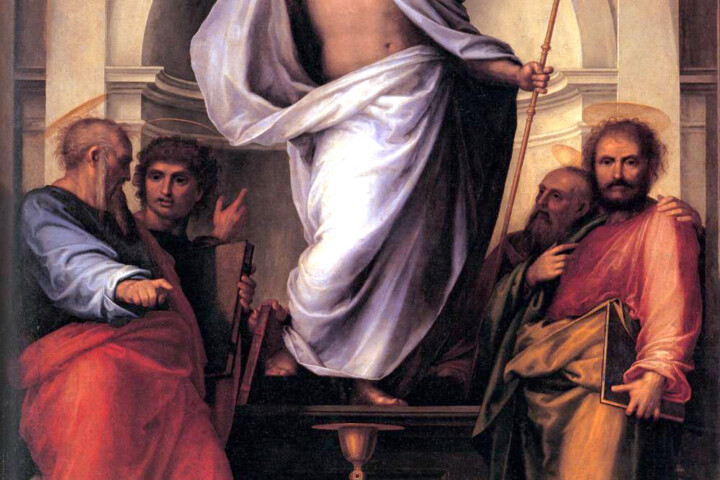
Set your minds on things that are above, not on things that are on earth, for you have died, and your life is hidden with Christ in God. When Christ who is your life is revealed, then you also will be revealed with him in glory (Col. 3:3-4). The Resurrection of Our Lord and Saviour[…]Continue reading→
An Ancient Homily for Holy Saturday
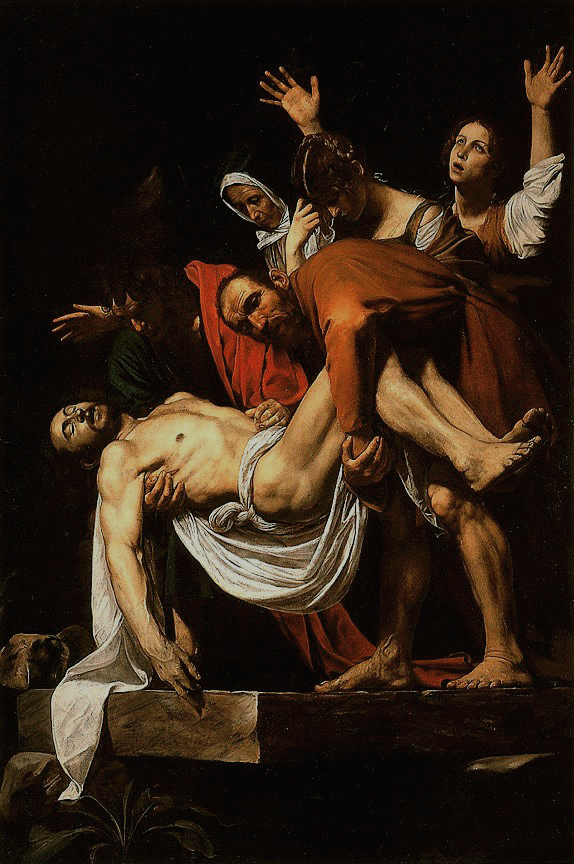
The time between Good Friday and Easter Sunday is one of waiting, in silence, as the world wonders – anticipates – what will happen, after the death of Christ. We re-live this time each year in the anamnesis of our liturgy, and in turn look forward to the glorious re-creation of all things at the[…]Continue reading→
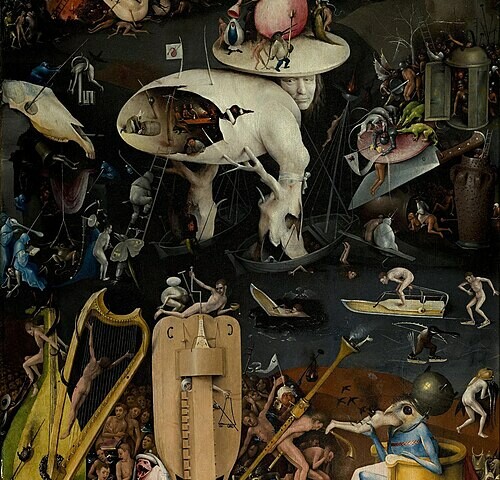
Europe’s Long Descent
(As we meditate on this day on Christ’s burial, and His descent into hell, it is fitting to ponder here with contributor Peter Marcus how the world seems to be heading there as well. The difference is that, although God cannot ‘redeem’ hell, nor those therein, He can and did redeem the world. There is[…]Continue reading→
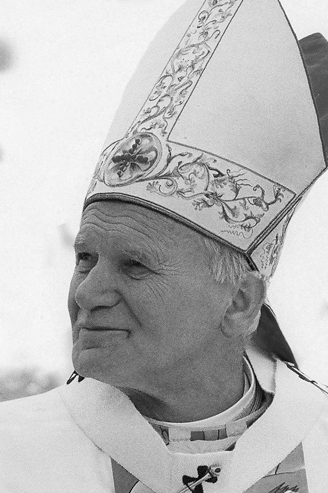
Pope Saint John Paul II’s First Good Friday Homily
ADDRESS OF HIS HOLINESS JOHN PAUL II AT THE CONCLUSION OF THE STATIONS OF THE CROSS AT THE COLOSSEUM Good Friday, 13 April 1979 When we make the Way of the Cross from one station to the next, in spirit we are always at the spot wherethis journey had its “historical” place: where it[…]Continue reading→
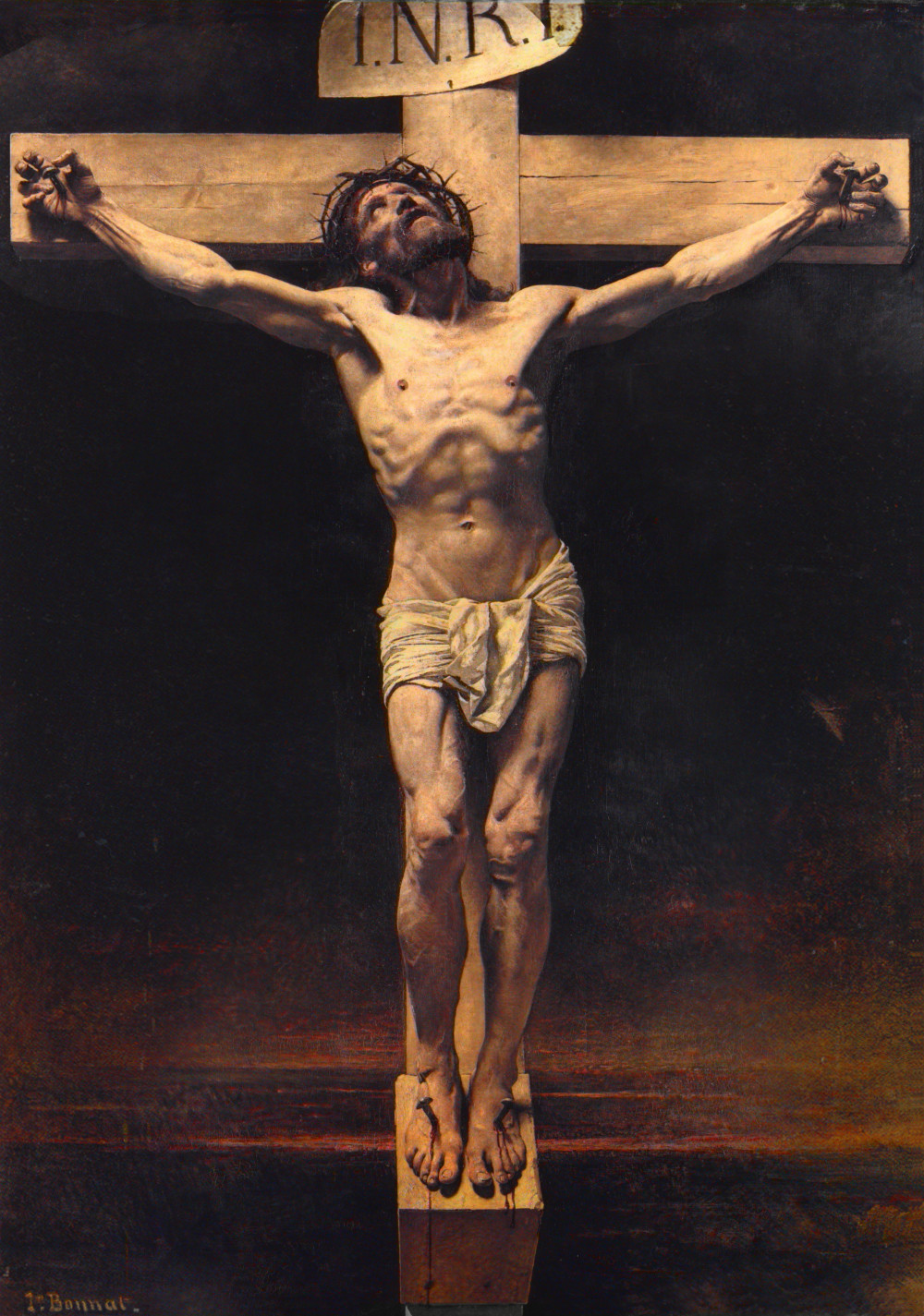
A Meditation for Good Friday: How To Undo the Effects of Sin?
Cardinal Newman, now Saint John Henry Newman, was a towering figure of nineteenth-century Catholicism who is almost universally admired. I say “almost” because not everyone likes him. I knew a priest once, Arthur Caulkins, who has become disenchanted with Newman. As an undergraduate Arthur had been enamoured of Newman, and this interest continued when he[…]Continue reading→
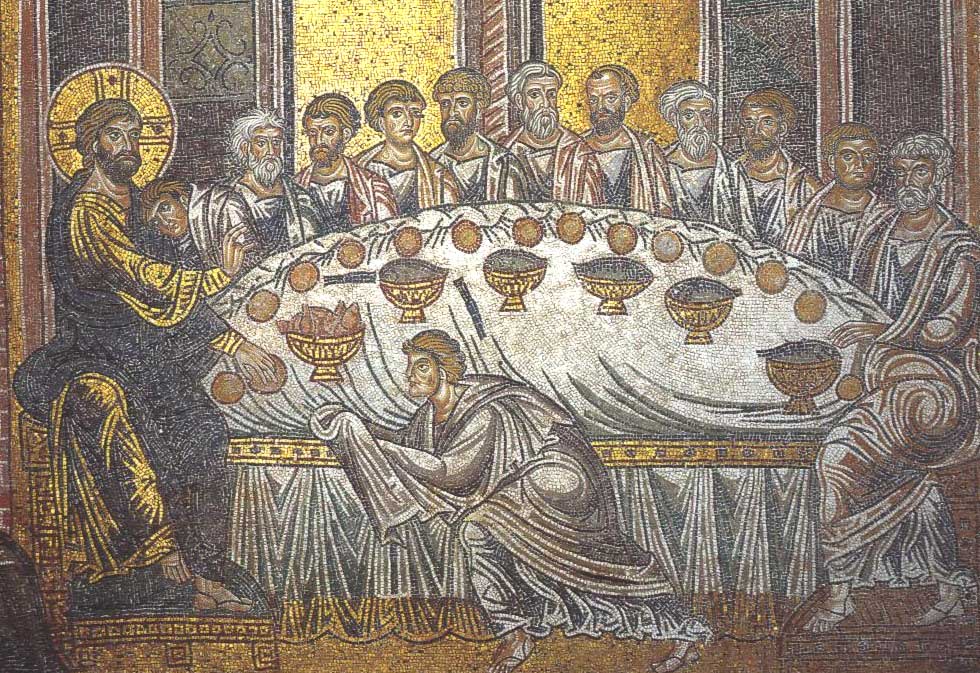
Pope Benedict’s Last Holy Thursday Homily
MASS OF THE LORD’S SUPPER HOMILY OF HIS HOLINESS BENEDICT XVI Basilica of St John Lateran Holy Thursday, 5 April 2012 Photo Gallery (Video) Dear Brothers and Sisters! Holy Thursday is not only the day of the institution of the Most Holy Eucharist, whose splendour bathes all else and in some ways draws it to[…]Continue reading→