
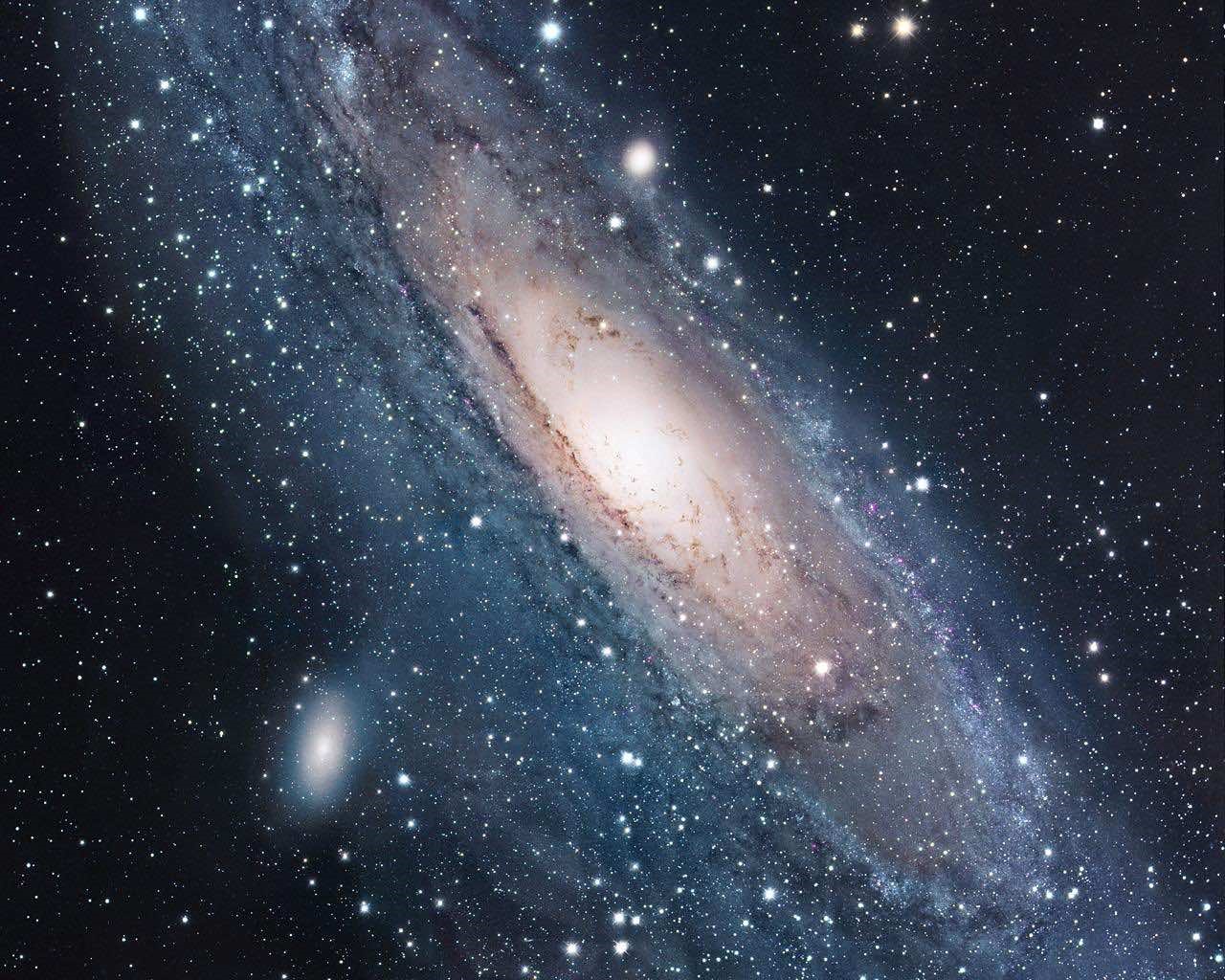
Alien Life and the Glory of God
From a religious point of view, we need not worry about life throughout the universe, though Hollywood makes sure that we do as a cash venture. The Book of Genesis is silent on the matter. The account given there concerns only the Universe at large and Earth in particular. Science fiction concerning space travel only first emerged in the 19th century when sky travel by balloon first was invented and made popular. By 1905 the Wright brothers had opened the door to the heavens and beyond.
So it has been barely more than a century that humans have imagined visiting other worlds or denizens of other worlds visiting ours. There are, of course, altogether too many obstacles in the way of visiting worlds beyond our solar system. If there are civilizations living far beyond our reach, the same must be said for those civilizations reaching us. The argument can be offered that given the possible number of civilizations beyond our reach, it might be that one or more of them have advanced so far beyond us that they could reach us long before we could reach them. But if that is so, why have we no evidence they have already reached us or are even on their way?
Well that’s exactly what geneticist Francis Crick speculated, that aliens reached us long ago. When he and James Watson first cracked the mysterious structure of DNA in 1953, both were adamantly atheistic evolutionists who could not abide the idea of an intelligent creator God. Yet they were deeply perplexed by the complexity of the first cell coming into existence that led to human evolution. The only explanation Crick could come up with was that the first living organisms must have been brought to Earth by a spaceship of an intelligently advanced civilization and planted with the expectation that evolution would produce highly developed life like our own over three and a half billion years later. This theory is called panspermia.
The absurdity of the theory is revealed by the simple fact that it does not explain how such aliens in a spaceship first came to exist in the first place without an intelligent and designing God to create them. The riddle Crick thought he had solved only pushed the problem further back in time until the universe finally runs out of time, since it is now well established with the Big Bang that the universe had a beginning.
Are we alone?
We do not know why God created so vast and variable a universe. Scientists tentatively estimate the size of the universe to be 93 billion light-years in diameter. With present technology it would take an earth spaceship 27,000 Earth years to travel just one light year. The nearest possibly habitable planet outside our solar system is 4.22 light-years away (more than 110,000 Earth years) near the star Proxima Centauri.
Even assuming spaceships in the future are much faster than they are now, it seems inconceivable that we can reach that distant a planet over that long a trip with sufficient fuel, food, supplies and resolve, never mind the awkward reality that many generations of astronauts would have to be born and die on the spaceship before it reached its destination. Moreover, a “shot in the dark” seems the right way to sum up such a venture. What would we get when we got there?
If there are habitable regions of the universe far beyond our own, it seems God has kept us apart as much as possible for a reason. Could it be that our planet is and always has been the only inhabited and supremely inhabitable planet in the universe? For now anyway that is a reasonable hypothesis, so long as we do not set on a path of blowing us all to smithereens!
But no doubt the Lord had yet another reason to create so big and marvelous a universe. It was to give the Psalmist and the excitable poet in every one of us the impulse to exclaim:
“The heavens declare the glory of God; the skies proclaim the work of his hands.” Psalm 19:1

Remembering Father Alphonse de Valk
(Today marks the sixth anniversary of the death of Father Alphonse de Valk, C.S.B., a faithful, courageous and indefatigable Basilian priest, pro-life-and-family apostle, and the founder of Catholic Insight magazine. Here is what we wrote those on his entering into eternity five years ago, as we continue to remember him in our prayers and thoughts)[…]Continue reading→

Divine Mercy Sunday – An Echo of Every Mass
Reach out your hand and put it in my side. Do not doubt but believe’… ‘My Lord and my God!’ (Jn. 20:18)). Today is Divine Mercy Sunday, and as we celebrate the end of the Easter Octave, we contemplate the wounded side of our Saviour, the Church’s source of life. On Good Friday in the[…]Continue reading→

Saint Stanislaus of Szczepanów
We celebrate Saint Stanislaus today (+ April 11, 1079), in light of this Easter Octave, a bishop and martyr who accepted the episcopacy only at the direct order of Pope Alexander II. He proved a wise and courageous leader of his flock, put to death by his own king, Boleslaus, for rebuking the monarch’s ‘immoral[…]Continue reading→
First Holy Communion: Sermon from May 16, 1943
Here is a sermon from the good old days by +Rev. Msgr. Vincent Nicholas Foy (August 14, 1915 – March 13, 2017), from 1943. Readers may recall that Pope Saint Pius X, by the decree Quam Singulari in 1910, lowered the customary age of reception of Holy Communion – after the rigours of the plague[…]Continue reading→
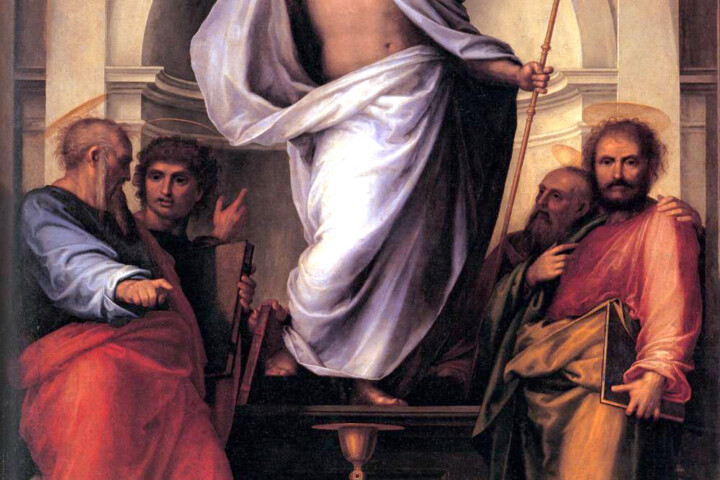
In the Glorious Light of Easter, Alleluia!
Set your minds on things that are above, not on things that are on earth, for you have died, and your life is hidden with Christ in God. When Christ who is your life is revealed, then you also will be revealed with him in glory (Col. 3:3-4). The Resurrection of Our Lord and Saviour[…]Continue reading→
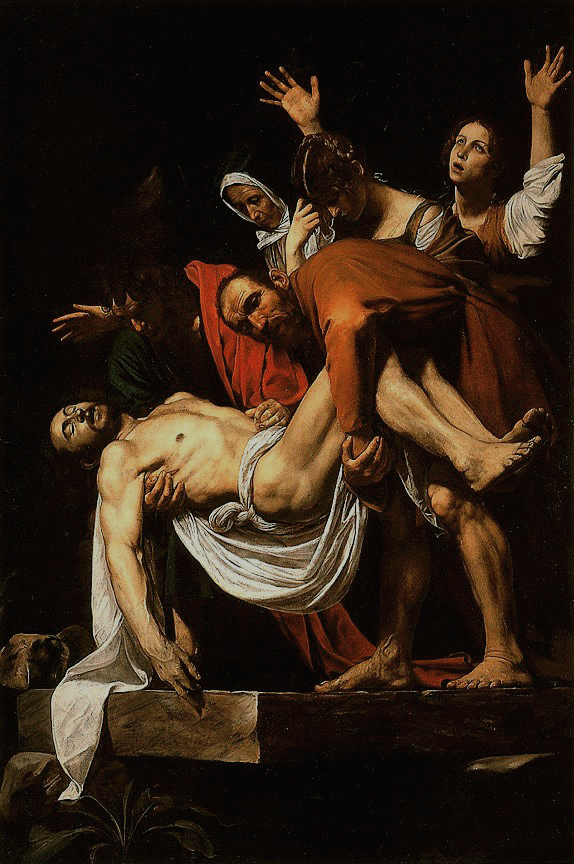
An Ancient Homily for Holy Saturday
The time between Good Friday and Easter Sunday is one of waiting, in silence, as the world wonders – anticipates – what will happen, after the death of Christ. We re-live this time each year in the anamnesis of our liturgy, and in turn look forward to the glorious re-creation of all things at the[…]Continue reading→
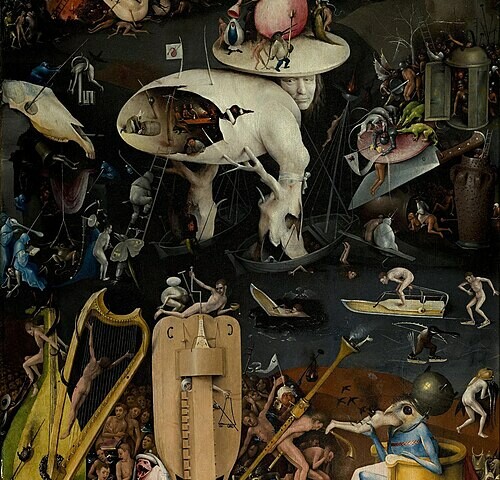
Europe’s Long Descent
(As we meditate on this day on Christ’s burial, and His descent into hell, it is fitting to ponder here with contributor Peter Marcus how the world seems to be heading there as well. The difference is that, although God cannot ‘redeem’ hell, nor those therein, He can and did redeem the world. There is[…]Continue reading→
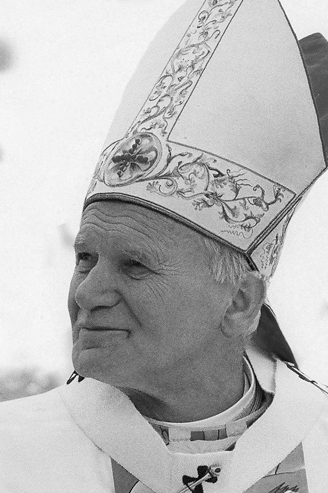
Pope Saint John Paul II’s First Good Friday Homily
ADDRESS OF HIS HOLINESS JOHN PAUL II AT THE CONCLUSION OF THE STATIONS OF THE CROSS AT THE COLOSSEUM Good Friday, 13 April 1979 When we make the Way of the Cross from one station to the next, in spirit we are always at the spot wherethis journey had its “historical” place: where it[…]Continue reading→
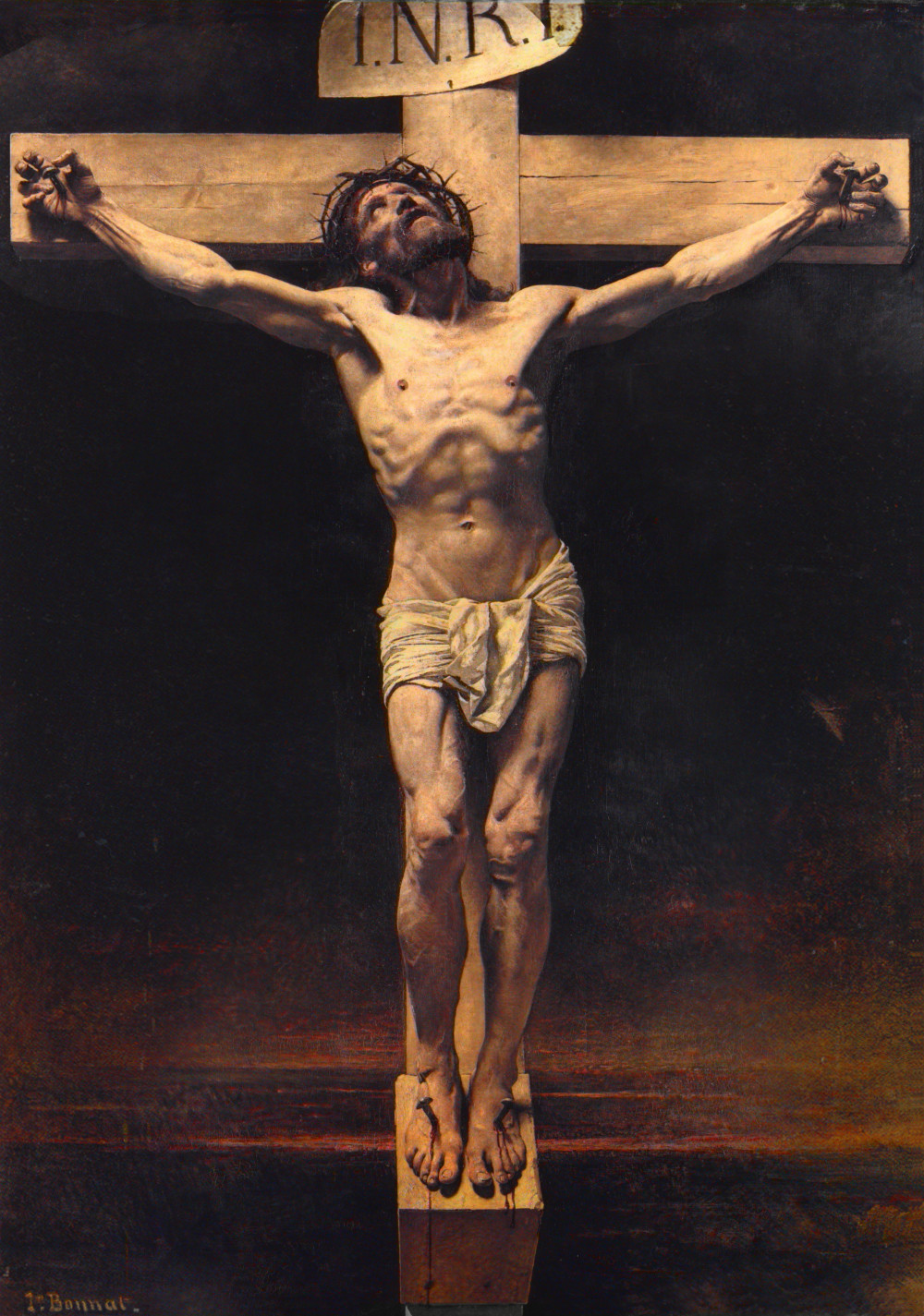
A Meditation for Good Friday: How To Undo the Effects of Sin?
Cardinal Newman, now Saint John Henry Newman, was a towering figure of nineteenth-century Catholicism who is almost universally admired. I say “almost” because not everyone likes him. I knew a priest once, Arthur Caulkins, who has become disenchanted with Newman. As an undergraduate Arthur had been enamoured of Newman, and this interest continued when he[…]Continue reading→
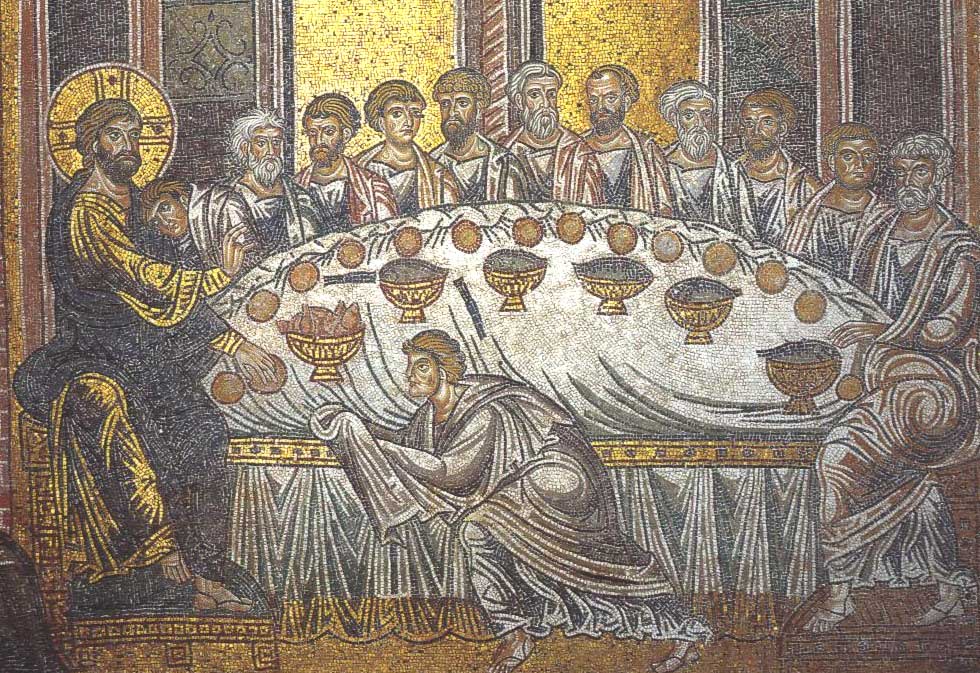
Pope Benedict’s Last Holy Thursday Homily
MASS OF THE LORD’S SUPPER HOMILY OF HIS HOLINESS BENEDICT XVI Basilica of St John Lateran Holy Thursday, 5 April 2012 Photo Gallery (Video) Dear Brothers and Sisters! Holy Thursday is not only the day of the institution of the Most Holy Eucharist, whose splendour bathes all else and in some ways draws it to[…]Continue reading→