
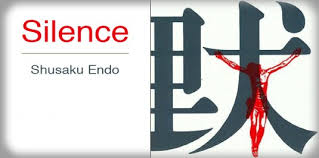
Shūsaku Endō’s novel Chinmoku [Silence]: Christ’s Sabachthani versus Fr. Rodrigues’ Apostasy
(Please note: this article refers to the book; admittedly, I have not seen the film.)
Chinmoku – a Tragedy
Contrary to the interpretation of many Western Catholics, Shūsaku Endō’s historical novel Silence (Chinmoku – as transliterated from the original Japanese title), properly understood, is a tragedy: It explores the apostasy of a Western Catholic missionary priest; at the end of the book, the missionary priest tragically presents his apostasy as a new form of faith.
Many Western readers tragically (excuse the pun) presume the priest’s interpretation of his apostacy is the author’s voice endorsing apostacy, at least in the select cases where this is demanded by ‘love’. But a heretical notion of ‘love’ which rejects commitment to truth and therein also rejects he who is Truth. The result of this interpretation is failure to delve into the true depth of the work.
Properly understood, the novel of Endo, a Japanese convert, far from endorsing apostacy, challenges its reader to develop deeper faith through his Christianized presentation of the significance to chinmoku (silence): the tragic ‘hero’ Fr. Rodrigues overlooked the deep theological truth recognized through chinmoku, and thereby, his faith was more sentimentalism than rational service (Rom. 12: 1; Latin: rationabile obsequium) of God. Does our faith likewise lack proper depth to delve into the deeper questions and recognize the Word amidst the silence (chinmoku)?
From the cross, Christ cried “Eli, Eli, lama sabachthani” (“My God, my God, why have you forsaken me” – Mk 15:34) a quotation of the psalm which begins as a cry of anguish to God amidst God’s apparent abandonment and ends in an act of faith, hoping in the life in YHWH to come (Ps. 22 [Ps. 21 in Greek numbering]). Shūsaku Endō’s novel Silence provides an antithesis: like with the High Priest, God invited the protagonist Fr. Rodrigues into his silence (chinmoku), but this priest’s response was apostasy.
Cultural Practice of Chinmoku in Japan
Tragic dismissal of the novel lies, in part, in lack of knowledge of Japanese culture and therefore of the significance of the novel’s title, Chinmoku. The term “chinmoku” in Japanese culture refers to a receptive and communicative silence, that is a deeper communication of the truth through absence of spoken word. It is receptive quietness contrasted with arrogant, unreflective, outspokenness. It fosters an interpersonal approach in which one observes his surroundings and the signals other people give, intentionally or otherwise, about how they are doing, the joy and sorrows affecting them. Chinmoku teaches interpersonal approaches to other people, which is reflective and not self-absorbed. In contrast, the spoken word becomes “associated with moral and cognitive falsity,” for one can more readily lie to himself or others through assertive spoken word than within subconscious non-verbal dialogue. [1]
For an incomplete analogy, Western culture recognizes that effective communication is not merely speaking at someone, but speaking to someone, which includes attentive listening; Japanese culture expounds this concept further, recognizing that outspokenness can be a detriment to true listening, to deeper self-reflection, and, therefore, to real conversation; if one is too focused on ensuring he has a chance to speak his mind, attention turns away from actual reflection on whether what he has to say is truly reflective of the situation in the context of the other people in the conversation and their concerns. It becomes a self-focused desire for one’s own way.
As a continuation of this analogy, Western culture also recognizes that communication is 90% non-verbal (or at least that is the number usually quoted). It is not only what is said that is important, but the tone of voice, the non-verbal body signs, the way in which one responds to others within a group. Sarcasm, for example, is normally recognized in tone of voice. Antagonism towards or belittling of another person can be recognized in intentionally interrupting a person every time he tries to speak. A traumatized child is more likely to communicate a fear in what he doesn’t say than what he actually voices in words; in fact, he is more likely to become abnormally silent than to offer verbal explanation for his fears. Chinmoku, then, is a recognition of the importance of silence to gain a deeper understanding of a person and of the greater communication of another person one can receive through reflection on their non-verbal communication.
Chinmoku: The Significance of the Title
Chinmoku, as the title of the novel, therefore provides framework to proper interpretation: the missionary priest is constantly asking God why he is silent amidst the suffering, but this constant outspokenness becomes a demand that God stop being silent, instead of a true question receptive to a response: the spoken “why” becomes better interpreted as “God, you must respond in a non-silent manner to this suffering because I believe it is the right response for you to make” instead of “please explain to me, Lord, why your response is silence (chinmoku).” It becomes an arrogance towards the greater seniority of God which cannot accept God’s chinmoku as a deeper revelation of and participation in himself, a revelation perfected in the chinmoku of the Cross where the Son, in his humanity, feels the abandonment of God to the degree that he cries out “My God, my God why have you forsaken me!” While the Japanese in the novel humbly receive participation in the silence of God and the resulting persecution, the missionary pridefully desires to become the Japanese people’s saviour both temporally and eternally through his missionary work, and rejects the silent (chinmoku) call to participate in the Cross. Therefore, when the missionary keeps asking God why he is silent, the novel presents the Japanese response: yes, God is chinmoku, and one must likewise be chinmoku to receive that which God offers through chinmoku. In other words, the missionary’s apostasy begins in a prideful approach to God which fails to participate in God’s chinmoku and therefore fails to recognize the true significance of the cross which is so essential to faith itself. It consummates with the outward confirmation of that apostacy: the missionary pridefully fails in receptive chinmoku, desiring to save the Japanese without preaching and living the cross and this prideful, outspoken, lack of receptivity leads, in truth, to his apostasy even while he outwardly professes to have a more perfect faith.
The book ends with a contrast between the missionary priest living the lie and a most detestable Japanese who sold out his Catholic brethren now seeking God’s forgiveness: God makes use of the apostatized missionary priest to offer the apostatized Japanese convert the sacrament of Penance. While the once-detestable Japanese repents, leaving with joy, the apostatized priest dies in his lie, unwilling to admit his need for repentance. Therein, the catharsis: repentance can lead to redemption even for the most detestable; however, despite the witness of the Japanese penitent, the priest chooses the lie and dies in his sin.
Some Closing Thoughts
This novel is an artistic genius well worth the read! As a tragedy, it delves into the nature of faith, the nature of prayer, and the problem of evil while the reader instinctively sympathizes with the concerns of the tragic protagonist and thereby receives insight into himself; the novel consummates in the protagonist’s tragedy. Counterintuitively, God’s powerful work is also proclaimed therein, as God’s silence likewise powerfully brings good from evil, even the evil of sin: the missionary (despite himself) becomes God’s instrument for the Japanese repentant. Herein, lies the call to true faith: for those who seek the truth with sincerity via chinmoku, God can use suffering, even suffering caused by the sins of others, for his true good (see Rom. 8:28 and Jn. 8:32); in other words, God invites man into his chinmoku and, in humbly accepting the invitation, man ultimately experiences God’s victory!
To the one who reads this novel in the spirit of chinmoku, self-reflection remains: am I the apostatized Catholic who rejects the cross and lives a lie, or will I choose to become the Japanese convert recognizing the need for repentance and union to the cross and God’s chinmoku therein; in other words, am I the Pharisee more focused on painting a picture of myself as faithful through prideful sensational prayer and showy exterior works or am I the tax collector seeking God’s mercy in quiet, repentant, receptivity?
However, repentance implies union to the cross and therein union with the Christ’s Sabachthani (Mk 15:34), that is his experience of the Father’s chinmoku in the moment when Hell seemed to have conquered. Humbled human weakness recognizes therein a dependence on grace to enable loving embrace of the cross; only through union with the Person of the Word can man enter God’s chinmoku. Can we, as Catholics, learn to properly seek the strength of the sacraments in humility, participating therein with the spirit of chinmoku (i.e. interiorized, meditative, prayer) in Christ. Further, can this interiorized prayer extend, according with the inspiration of the liturgy, to a sacramental life in developing chinmoku toward God and offering in love all trials, sufferings, joys, all that we are, and all God calls us to become to the Father in union with Christ’s cross? Lastly, through a chinmoku-like approach to God, can we learn to humbly acknowledge our lack of understanding of God’s ways, our continual need for his instruction in (or union to) his Revelation entrusted to his Church, and, most of all, our sinfulness and our continual need for repentance? In other words, will we enter the type of relation to God which Fr. Rodrigues refused and which the Japanese repentant committed to beginning?
[1] “The Japanese Mind: Communication,” August 11, 2021, https://www.toki.tokyo/blogt/2016/9/15/the-japanese-mind-communication

Remembering Father Alphonse de Valk
(Today marks the sixth anniversary of the death of Father Alphonse de Valk, C.S.B., a faithful, courageous and indefatigable Basilian priest, pro-life-and-family apostle, and the founder of Catholic Insight magazine. Here is what we wrote those on his entering into eternity five years ago, as we continue to remember him in our prayers and thoughts)[…]Continue reading→

Divine Mercy Sunday – An Echo of Every Mass
Reach out your hand and put it in my side. Do not doubt but believe’… ‘My Lord and my God!’ (Jn. 20:18)). Today is Divine Mercy Sunday, and as we celebrate the end of the Easter Octave, we contemplate the wounded side of our Saviour, the Church’s source of life. On Good Friday in the[…]Continue reading→

Saint Stanislaus of Szczepanów
We celebrate Saint Stanislaus today (+ April 11, 1079), in light of this Easter Octave, a bishop and martyr who accepted the episcopacy only at the direct order of Pope Alexander II. He proved a wise and courageous leader of his flock, put to death by his own king, Boleslaus, for rebuking the monarch’s ‘immoral[…]Continue reading→
First Holy Communion: Sermon from May 16, 1943
Here is a sermon from the good old days by +Rev. Msgr. Vincent Nicholas Foy (August 14, 1915 – March 13, 2017), from 1943. Readers may recall that Pope Saint Pius X, by the decree Quam Singulari in 1910, lowered the customary age of reception of Holy Communion – after the rigours of the plague[…]Continue reading→
In the Glorious Light of Easter, Alleluia!
Set your minds on things that are above, not on things that are on earth, for you have died, and your life is hidden with Christ in God. When Christ who is your life is revealed, then you also will be revealed with him in glory (Col. 3:3-4). The Resurrection of Our Lord and Saviour[…]Continue reading→
An Ancient Homily for Holy Saturday
The time between Good Friday and Easter Sunday is one of waiting, in silence, as the world wonders – anticipates – what will happen, after the death of Christ. We re-live this time each year in the anamnesis of our liturgy, and in turn look forward to the glorious re-creation of all things at the[…]Continue reading→
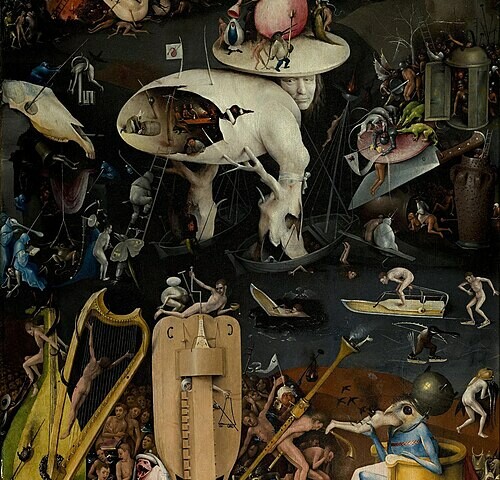
Europe’s Long Descent
(As we meditate on this day on Christ’s burial, and His descent into hell, it is fitting to ponder here with contributor Peter Marcus how the world seems to be heading there as well. The difference is that, although God cannot ‘redeem’ hell, nor those therein, He can and did redeem the world. There is[…]Continue reading→
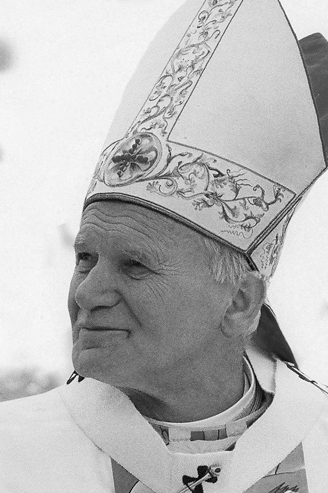
Pope Saint John Paul II’s First Good Friday Homily
ADDRESS OF HIS HOLINESS JOHN PAUL II AT THE CONCLUSION OF THE STATIONS OF THE CROSS AT THE COLOSSEUM Good Friday, 13 April 1979 When we make the Way of the Cross from one station to the next, in spirit we are always at the spot wherethis journey had its “historical” place: where it[…]Continue reading→
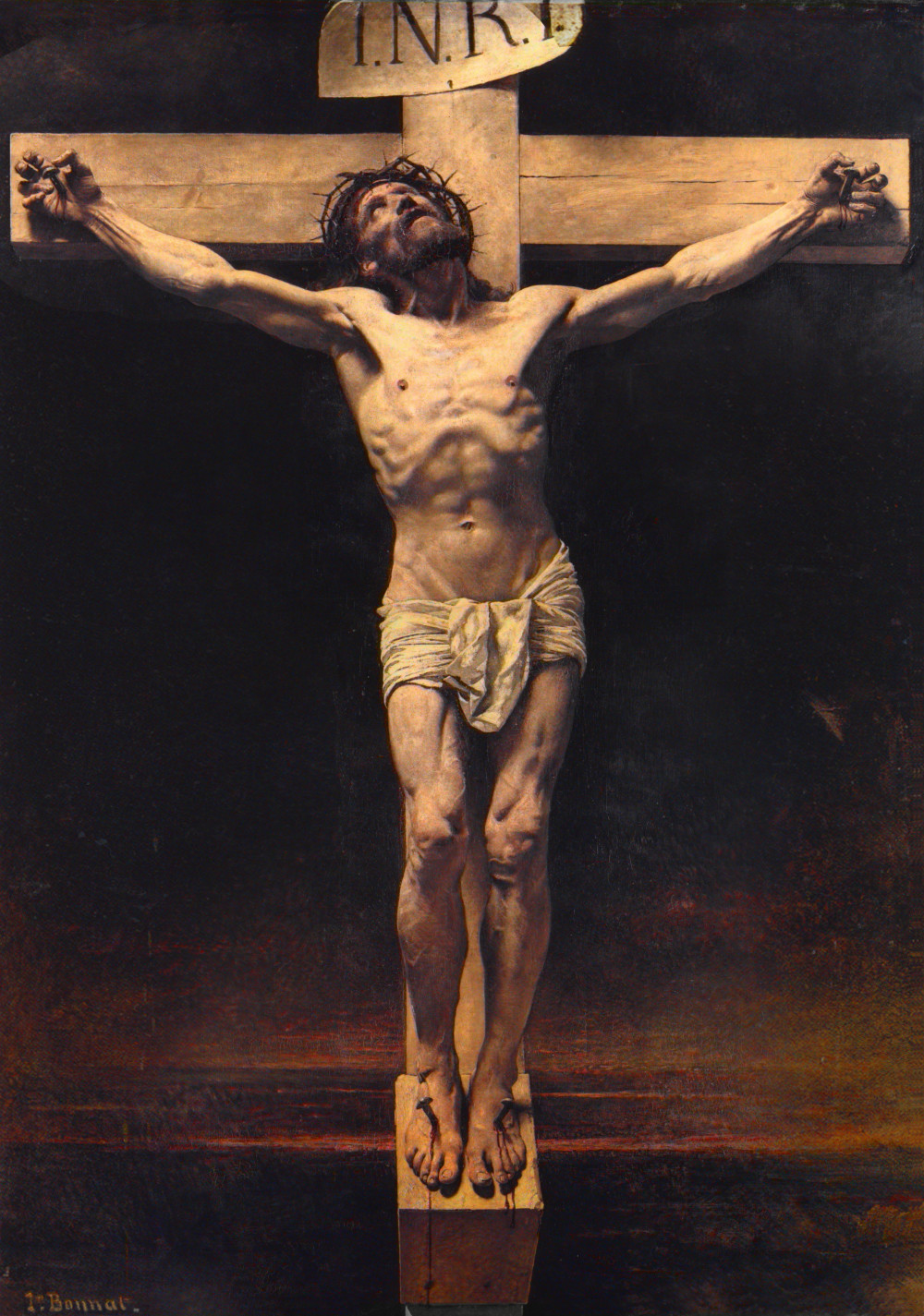
A Meditation for Good Friday: How To Undo the Effects of Sin?
Cardinal Newman, now Saint John Henry Newman, was a towering figure of nineteenth-century Catholicism who is almost universally admired. I say “almost” because not everyone likes him. I knew a priest once, Arthur Caulkins, who has become disenchanted with Newman. As an undergraduate Arthur had been enamoured of Newman, and this interest continued when he[…]Continue reading→
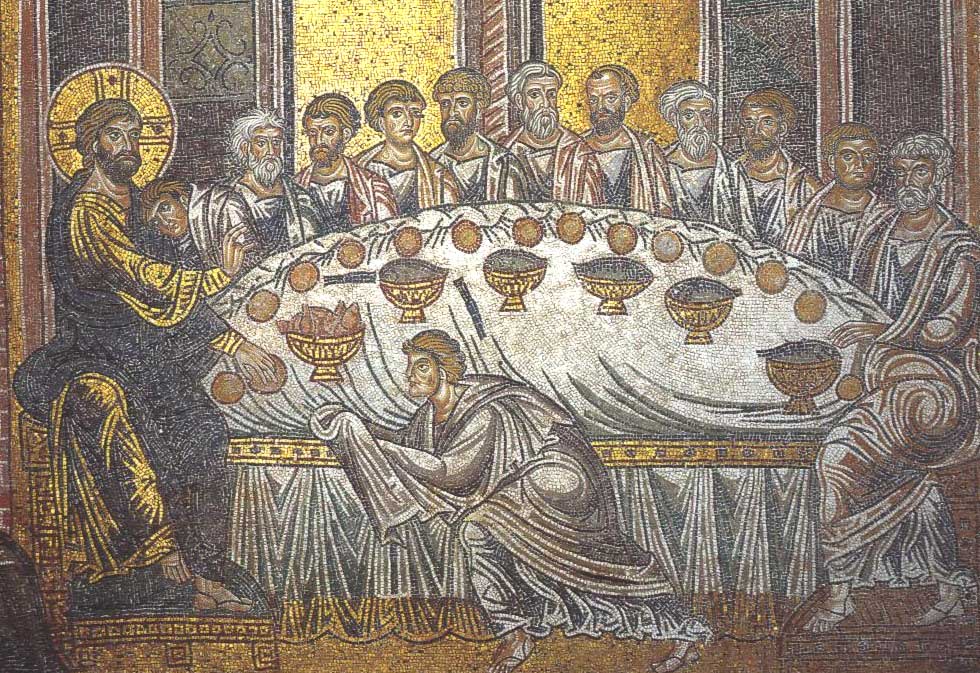
Pope Benedict’s Last Holy Thursday Homily
MASS OF THE LORD’S SUPPER HOMILY OF HIS HOLINESS BENEDICT XVI Basilica of St John Lateran Holy Thursday, 5 April 2012 Photo Gallery (Video) Dear Brothers and Sisters! Holy Thursday is not only the day of the institution of the Most Holy Eucharist, whose splendour bathes all else and in some ways draws it to[…]Continue reading→