
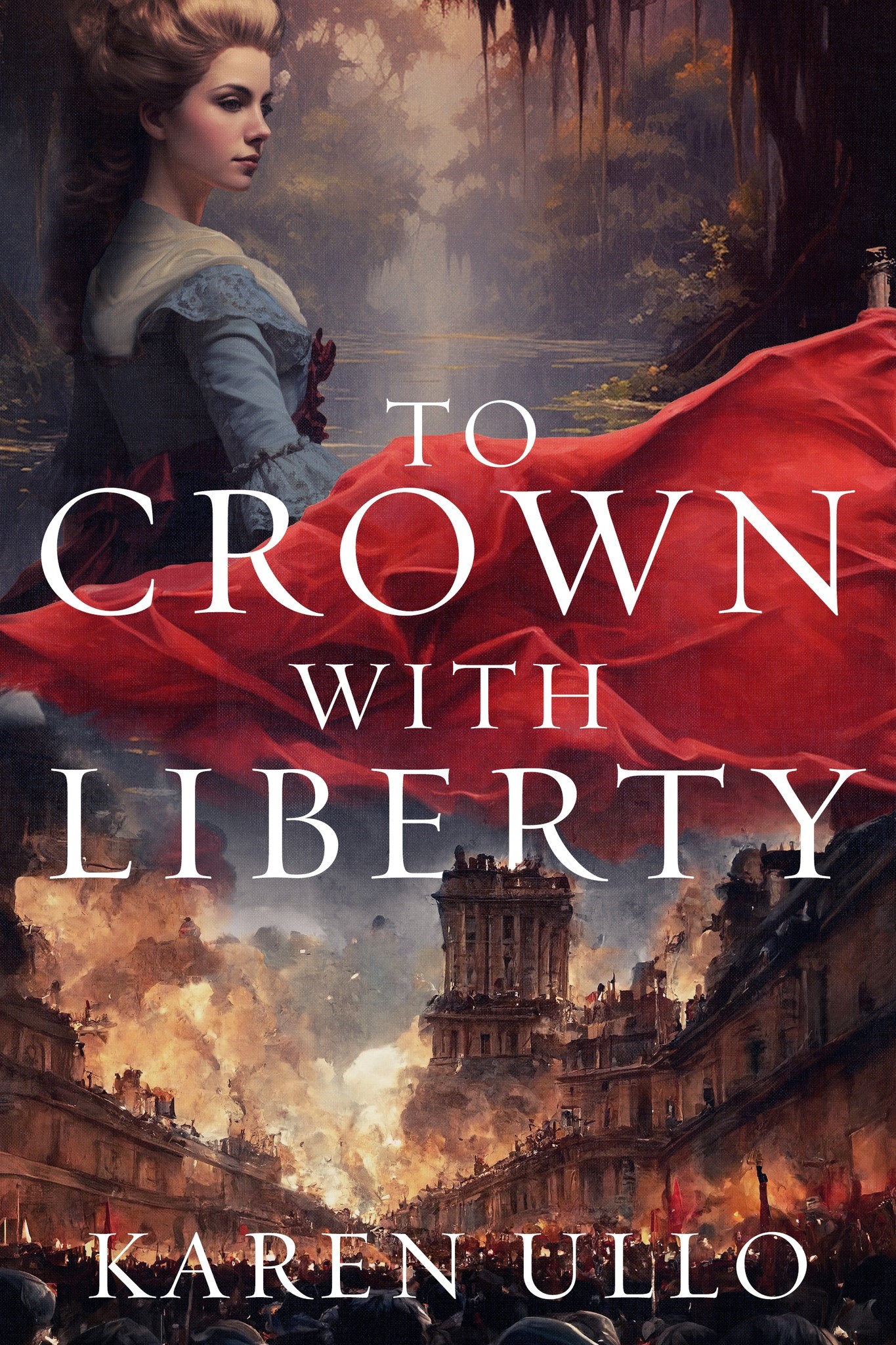
History, Humanity, and Redemption: A Review of “To Crown With Liberty”
I hope this review might provide a double service to readers. I am excited to promote both a new novel, which provides the core subject of this piece, as well as the existence of a new, Catholic press, which makes it possible to read such novels. My first business, however, is to write of the novel, relaying my thoughts and reactions to the work. I do not endeavor to lay out a summary or synopsis here – such information may be found elsewhere – so I shall only refer to the most basic points concerning the novel.
Karen Ullo presents a brilliant work of Catholic fiction, quite recently released on May 1, 2024, in her latest novel To Crown With Liberty. The novel brings readers back to the days of the French Revolution and the years shortly after the American Revolution. The narrative follows the life of one young woman, Alix de Morainville, through the trials afforded her in both France and America during such a tumultuous period. It would be difficult to choose which timeline was more intriguing – angry French mobs in one timeline and muddy, dangerous Louisiana swamps encumbering the journeys in the other. Not only are both timelines riddled with physical difficulties, Alix also encounters social and emotional trails, woven together into a rich plot. In picking up To Crown With Liberty, one need not fear a weak Christian novel that loses sight of good storytelling in the midst of insipid sermonizing – this novel offers morality and entertainment all at once. One must read with care lest the novel sweep the mind away from duties to a world of fiction.
Something truly impressive about Ullo’s writing is her attention to historical detail and accuracy. Having followed Ullo on social media for a time, I have seen her posts from travels in France where she explored the physical landscape for her historical research. The rigour and care in study shows throughout the work. One of the best examples of historical detail is Alix’s interactions at the Royal French court. From the monarchs, Marie Antoinette and Louis XVI, to the nameless servants and ladies in waiting, the Court is a vivid, real part of the story. There is such a humanizing effect which good storytelling has upon historical figures – they cease to exist only as textbook terms and become living humans. One encounters both the good, the bad, and the complicated characters from the historical period through the pages of To Crown With Liberty.
The cast of characters more predominately fictional are also very vivid and human. Ullo touches well upon the human condition of complexity, rarely presenting readers with any clear-cut heroes or villains but preferring a truly human mixture of virtue and vice. In her role as the narrator of the story and the ‘heroine’, Alix herself is not free from flaws. She battles both with physical deformity and spiritual issues of guilt, sorrow, and temptations. Alix’s husband, Joseph Carpentier, himself has no lack of struggles and dilemmas to reckon with throughout the novel. Ullo does not shy away from a beautiful, gritty honesty about human nature. The main characters do not wear halos, they do not always embody a virtuous role-model – they are horrendously broken at some points. Though we may be drawn to the pleasantness of perfect stories, with the good folks beautifully arrayed in white and living virtuously, stories of broken people are the only way to truly touch hearts.
Whether a reader is in search of historical research, vivid character development, or a real, living story of suffering and redemption, Ullo offers something for all such readerly appetites. I will admit, many points in the novel left me wondering “why do things like this have to happen? This is based on true, historical events, but why must we acknowledge this dark part of our history?” Yet, it was the very presentation of suffering that made the story all the more captivating. We know, almost innately, that this world is fallen and the Christ only redeemed us through the ugliest form of suffering. Depicting humanity realistically, even in the more horrible circumstances, is something we must not shy away from. Ullo goes into the violence and sin of her characters, giving some of them a beautiful, albeit brutal and humiliating, chance at redemption. That being said, please do not consider this a novel for young readers – there is heavy, dark subject material involved in the story which would not be appropriate for children.
In our modern world of literature, it is becoming increasingly necessary for the Catholic voice to be heard amidst the secular junk predominantly available to readers. It gives me hope, as a lover of good literature, to see that presses such as Ignatius Press, Wiseblood Books, and Chrism Press are making a stand in the world of modern literature and presenting the world with something that is both a delight to read and an opportunity to think and consider moral issues. Christian fiction of the type that is apparently such, has a place and value for Christian readers, but there is something even more attractive and engaging about novels that are written by Catholics, with deep human experiences of good and evil, sin and merit.
Do stop by Chrism Press on their website to see other great works of fiction. Even if historical fiction is not quite your cup of tea, Chrism Press may yet have something to offer your readerly appetite!

Saint Kateri , Canada’s Protectress
This was the title given to Saint Kateri Tekakwitha, by Pope Benedict XVI, when he canonized her on October 28th, 2012, along with six others, in Saint Peter’ Square (she had been beatified by Pope John Paul II back in 1980). With Saint Joseph as our protector, along with the Canadian martyrs, we seem to[…]Continue reading→

Remembering Father Alphonse de Valk
(Today marks the sixth anniversary of the death of Father Alphonse de Valk, C.S.B., a faithful, courageous and indefatigable Basilian priest, pro-life-and-family apostle, and the founder of Catholic Insight magazine. Here is what we wrote those on his entering into eternity five years ago, as we continue to remember him in our prayers and thoughts)[…]Continue reading→

My Name is Bernadette
April 16th is a propitious day, for besides the anniversary of Father de Valk’s death, who founded Catholic Insight in its print form decades ago, and the commemoration of the ‘two Benedicts’, mentioned in accompanying posts, today we also recall Saint Bernadette Soubirous, the young visionary to whom the Virgin Mary appeared numerous times at[…]Continue reading→
Canonizing Sister Faustina and Divine Mercy
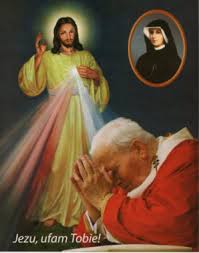
HOMILY OF THE HOLY FATHER MASS IN ST PETER’S SQUARE FOR THE CANONIZATION OF SR MARY FAUSTINA KOWALSKA Sunday, 30 April 2000 1. “Confitemini Domino quoniam bonus, quoniam in saeculum misericordia eius”; “Give thanks to the Lord for he is good; his steadfast love endures for ever” (Ps 118: 1). So the Church sings on the Octave of[…]Continue reading→

Divine Mercy Sunday – An Echo of Every Mass
Reach out your hand and put it in my side. Do not doubt but believe’… ‘My Lord and my God!’ (Jn. 20:18)). Today is Divine Mercy Sunday, and as we celebrate the end of the Easter Octave, we contemplate the wounded side of our Saviour, the Church’s source of life. On Good Friday in the[…]Continue reading→
First Holy Communion: Sermon from May 16, 1943
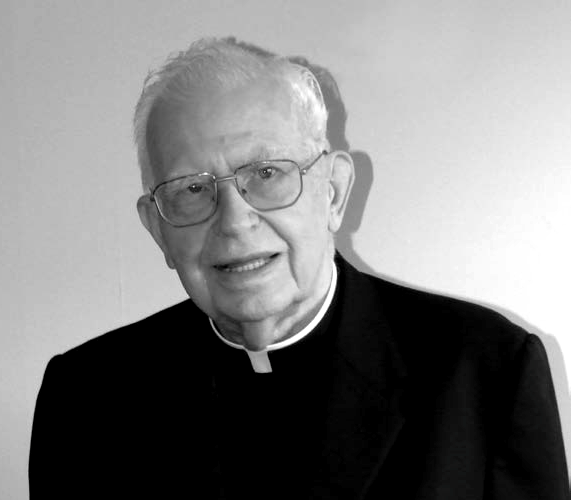
Here is a sermon from the good old days by +Rev. Msgr. Vincent Nicholas Foy (August 14, 1915 – March 13, 2017), from 1943. Readers may recall that Pope Saint Pius X, by the decree Quam Singulari in 1910, lowered the customary age of reception of Holy Communion – after the rigours of the plague[…]Continue reading→
In the Glorious Light of Easter, Alleluia!
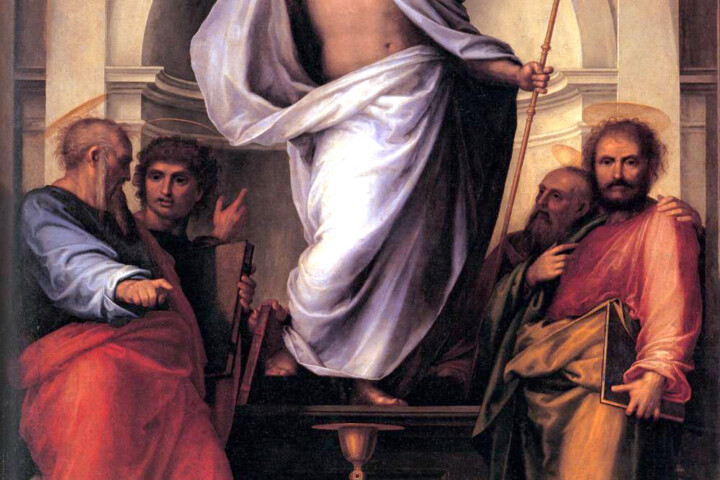
Set your minds on things that are above, not on things that are on earth, for you have died, and your life is hidden with Christ in God. When Christ who is your life is revealed, then you also will be revealed with him in glory (Col. 3:3-4). The Resurrection of Our Lord and Saviour[…]Continue reading→
An Ancient Homily for Holy Saturday
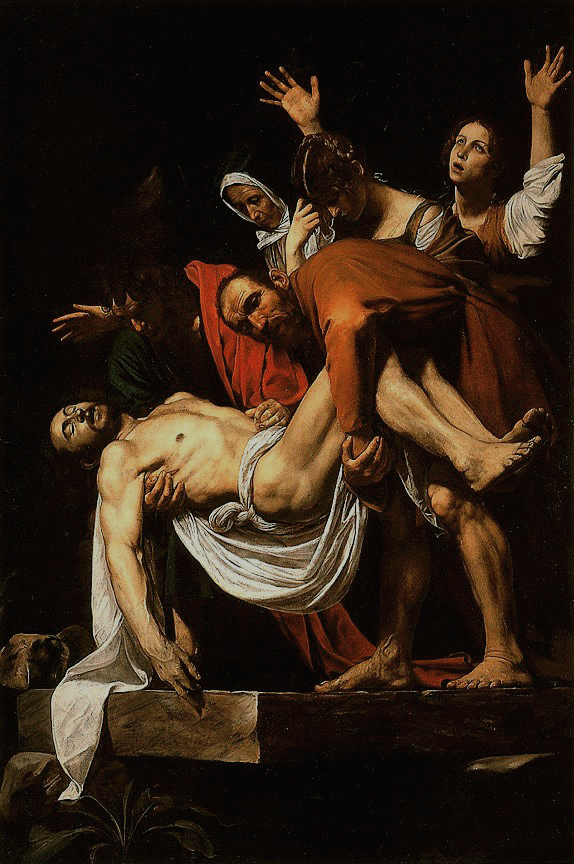
The time between Good Friday and Easter Sunday is one of waiting, in silence, as the world wonders – anticipates – what will happen, after the death of Christ. We re-live this time each year in the anamnesis of our liturgy, and in turn look forward to the glorious re-creation of all things at the[…]Continue reading→
Europe’s Long Descent
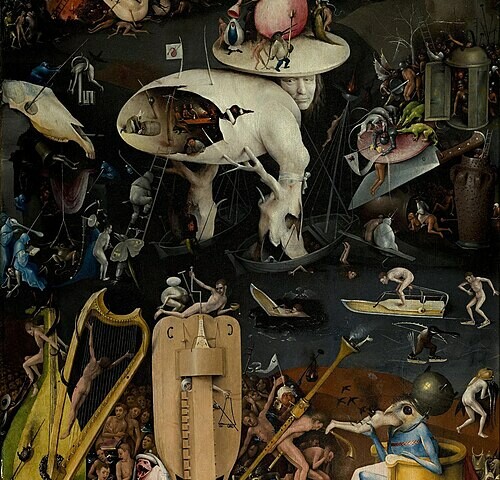
(As we meditate on this day on Christ’s burial, and His descent into hell, it is fitting to ponder here with contributor Peter Marcus how the world seems to be heading there as well. The difference is that, although God cannot ‘redeem’ hell, nor those therein, He can and did redeem the world. There is[…]Continue reading→
Pope Saint John Paul II’s First Good Friday Homily
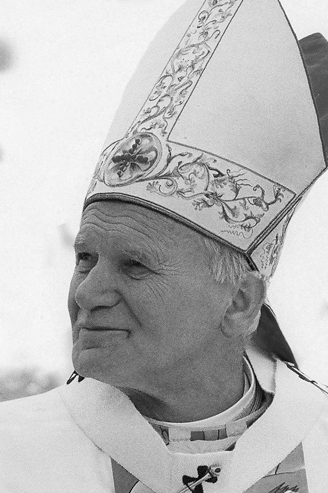
ADDRESS OF HIS HOLINESS JOHN PAUL II AT THE CONCLUSION OF THE STATIONS OF THE CROSS AT THE COLOSSEUM Good Friday, 13 April 1979 When we make the Way of the Cross from one station to the next, in spirit we are always at the spot wherethis journey had its “historical” place: where it[…]Continue reading→