
Should Christians Judge?
Jesus said, “Stop judging that you may not be judged.” (Matthew 7:1)
“Who are you to judge?” is the common refrain of those who might have good reason for not wanting themselves to be judged. But the admonition of Jesus was aimed only at those hypocrites who judge others for the very same sins they have committed. “Let he who is without sin cast the first stone,” Jesus said, challenging those who would stone to death the woman caught in adultery. And, one by one, the stone-bearing adulterers did slink away.
This makes sense, doesn’t it? Would we put murderers on a jury to judge a person accused of murder? Would we put child molesters on a jury to judge those accused of child molesting? No. But we would ask people guilty of neither murder nor child molestation to sit on such a jury to judge, would we not? Wouldn’t we say that to protect others from being murdered or molested, the innocent certainly ought to be in the business of judging, and if need be, sentencing guilty parties to their just punishment? This is the only way we can interpret the words of Jesus, who certainly did not mean us to let murderers and child molesters run amok, and who certainly did not mean to dismiss the whole profession of the law and the courts.
So yes, Christians can judge. As Jesus said in John 7:24, “Stop judging by appearances, but judge justly.” And, of course, just judgment begins with judging ourselves. Are we worthy enough to judge ourselves? We are, and we should judge ourselves first if we are going to be in the business of judging others. As Paul says in Colossians 3:16, “Let the word of Christ dwell in you richly as you teach and admonish one another with all wisdom ….”
When we behave in such a way as to commit an outrage against truth and common sense, others are right to take us to task and try to show us the error of our ways. If a man runs a lawn mower up and down his concrete driveway, we may try to reason with him and strongly urge him to cease and desist. If someone should ask, “Who are you to judge?” we may as well answer simply and directly: “I, by the grace of God, am a person who respects truth and common sense.”
Saint Paul, writing to the Corinthians about a case of incest, teaches us our duty to judge, and even to judge harshly if need be. This is what Paul said: “It is widely reported that there is immorality among you, and immorality of a kind not found even among pagans—a man living with his father’s wife. And you are inflated with pride. Should you not rather have been sorrowful? The one who did this deed should be expelled from your midst. I for my part, although absent in body but present in spirit, have already, as if present, pronounced judgment on the one who has committed this deed….” (I Corinthians 5:1-4)
Christ came into the world to save the world, not to judge it. The judgment comes later, after we have crossed over. So our mission on earth is ultimately the same as our Lord’s mission while he lived among us. We are here to save others along with ourselves. But how can we do that if we have not judged, and judged rightly, the ways to be saved?
As Ronald Knox said in his book Occasional Sermons, when it comes to the final judgment, Christ “,,, will show us that his choice fell upon a soul which was never the world’s candidate, never the world’s hero; he will floodlight with the aura of sanctity some obscure niche in a convent cell or within the walls of a prison.” In other words, at the end when it comes to our own final judgment, we may well be surprised by those who made it through the heavenly gates and those who didn’t.

Remembering Father Alphonse de Valk
(Today marks the sixth anniversary of the death of Father Alphonse de Valk, C.S.B., a faithful, courageous and indefatigable Basilian priest, pro-life-and-family apostle, and the founder of Catholic Insight magazine. Here is what we wrote those on his entering into eternity five years ago, as we continue to remember him in our prayers and thoughts)[…]Continue reading→

Divine Mercy Sunday – An Echo of Every Mass
Reach out your hand and put it in my side. Do not doubt but believe’… ‘My Lord and my God!’ (Jn. 20:18)). Today is Divine Mercy Sunday, and as we celebrate the end of the Easter Octave, we contemplate the wounded side of our Saviour, the Church’s source of life. On Good Friday in the[…]Continue reading→

Saint Stanislaus of Szczepanów
We celebrate Saint Stanislaus today (+ April 11, 1079), in light of this Easter Octave, a bishop and martyr who accepted the episcopacy only at the direct order of Pope Alexander II. He proved a wise and courageous leader of his flock, put to death by his own king, Boleslaus, for rebuking the monarch’s ‘immoral[…]Continue reading→
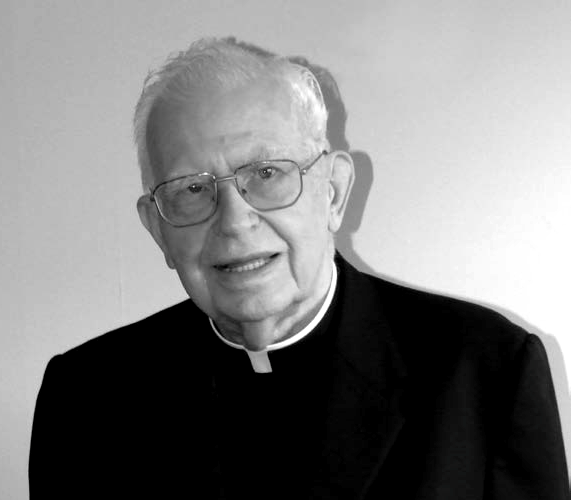
First Holy Communion: Sermon from May 16, 1943
Here is a sermon from the good old days by +Rev. Msgr. Vincent Nicholas Foy (August 14, 1915 – March 13, 2017), from 1943. Readers may recall that Pope Saint Pius X, by the decree Quam Singulari in 1910, lowered the customary age of reception of Holy Communion – after the rigours of the plague[…]Continue reading→
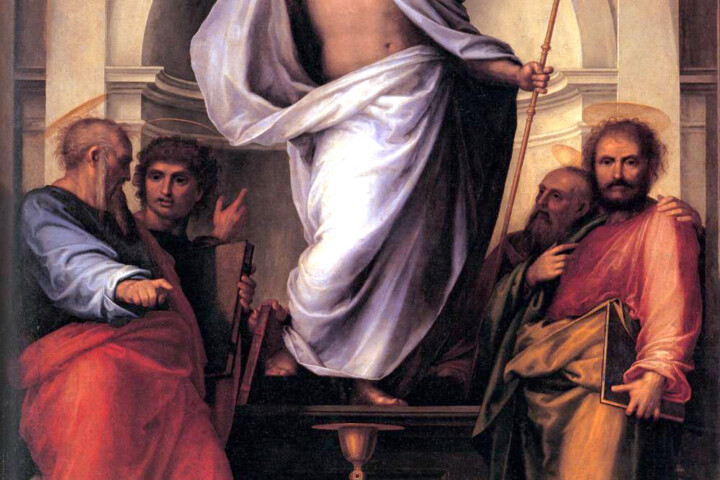
In the Glorious Light of Easter, Alleluia!
Set your minds on things that are above, not on things that are on earth, for you have died, and your life is hidden with Christ in God. When Christ who is your life is revealed, then you also will be revealed with him in glory (Col. 3:3-4). The Resurrection of Our Lord and Saviour[…]Continue reading→
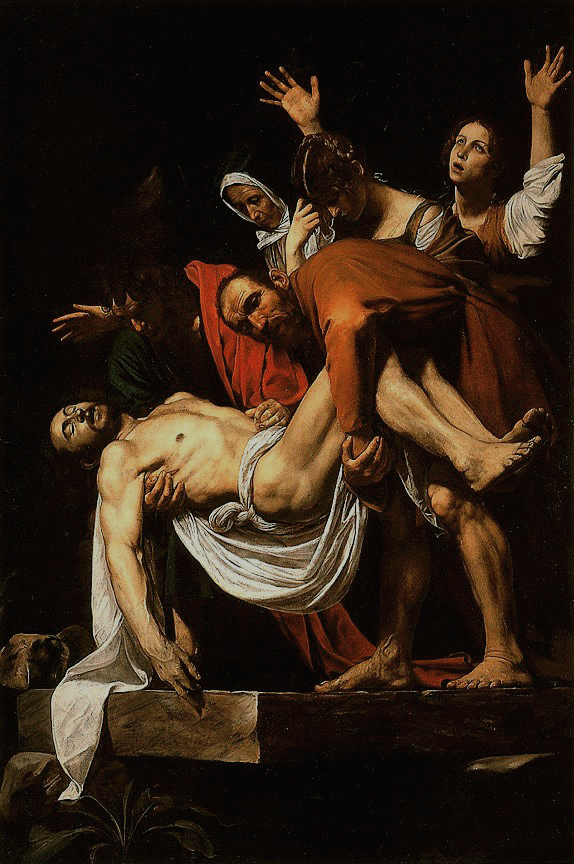
An Ancient Homily for Holy Saturday
The time between Good Friday and Easter Sunday is one of waiting, in silence, as the world wonders – anticipates – what will happen, after the death of Christ. We re-live this time each year in the anamnesis of our liturgy, and in turn look forward to the glorious re-creation of all things at the[…]Continue reading→
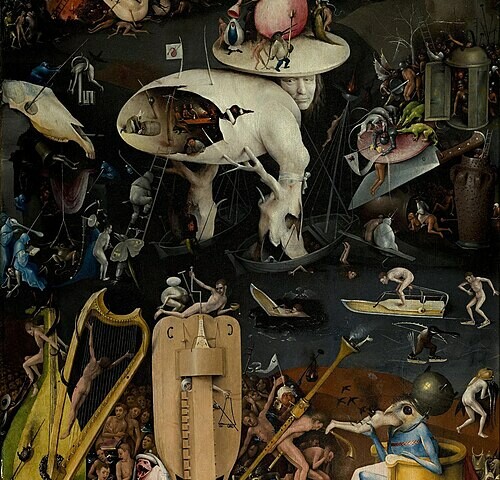
Europe’s Long Descent
(As we meditate on this day on Christ’s burial, and His descent into hell, it is fitting to ponder here with contributor Peter Marcus how the world seems to be heading there as well. The difference is that, although God cannot ‘redeem’ hell, nor those therein, He can and did redeem the world. There is[…]Continue reading→
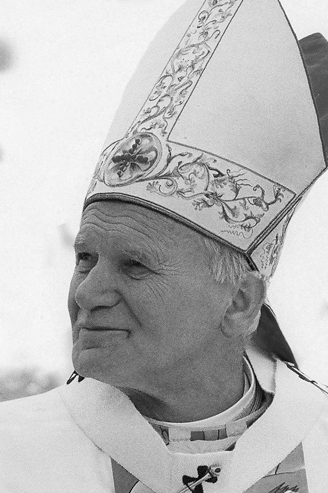
Pope Saint John Paul II’s First Good Friday Homily
ADDRESS OF HIS HOLINESS JOHN PAUL II AT THE CONCLUSION OF THE STATIONS OF THE CROSS AT THE COLOSSEUM Good Friday, 13 April 1979 When we make the Way of the Cross from one station to the next, in spirit we are always at the spot wherethis journey had its “historical” place: where it[…]Continue reading→
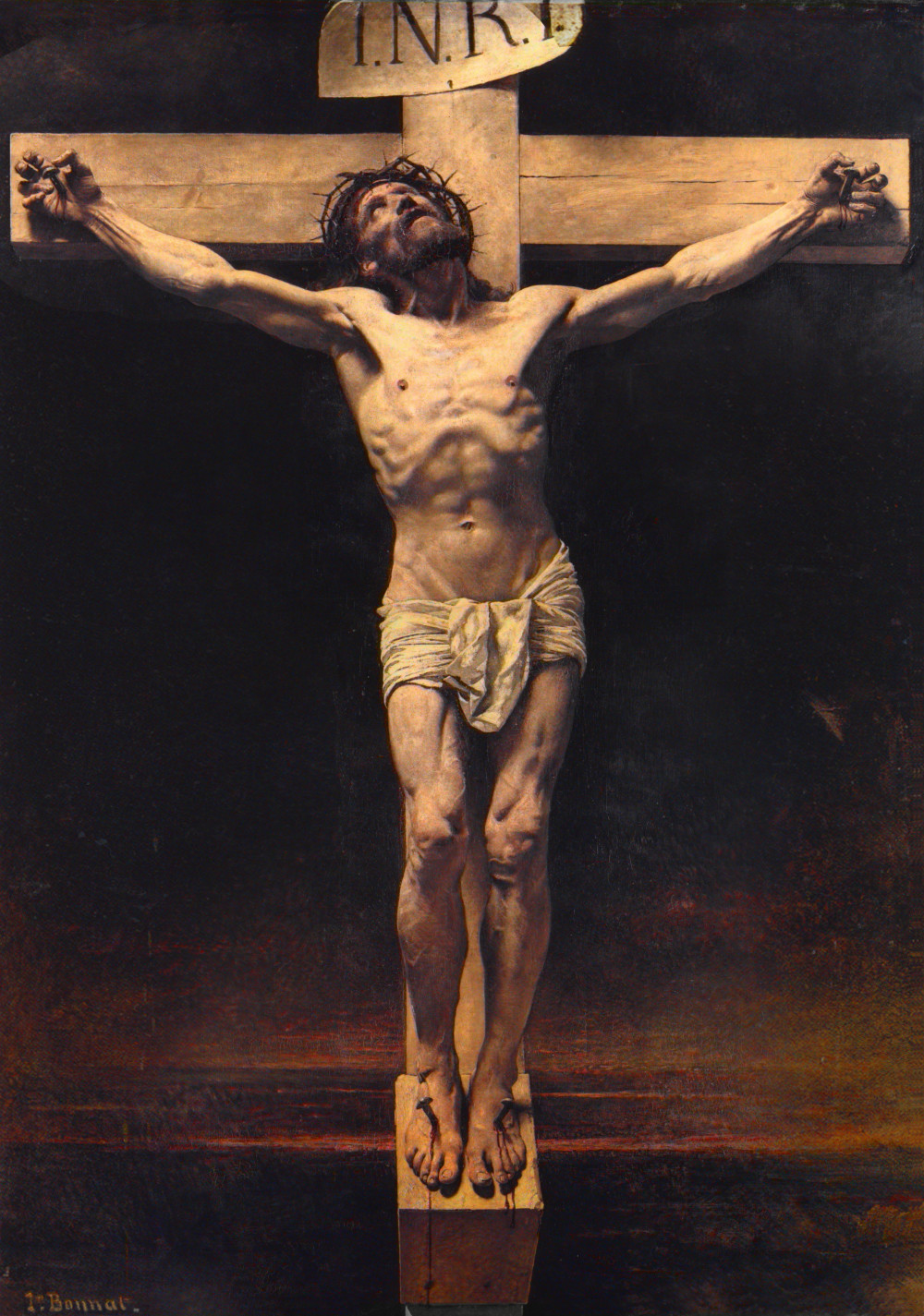
A Meditation for Good Friday: How To Undo the Effects of Sin?
Cardinal Newman, now Saint John Henry Newman, was a towering figure of nineteenth-century Catholicism who is almost universally admired. I say “almost” because not everyone likes him. I knew a priest once, Arthur Caulkins, who has become disenchanted with Newman. As an undergraduate Arthur had been enamoured of Newman, and this interest continued when he[…]Continue reading→
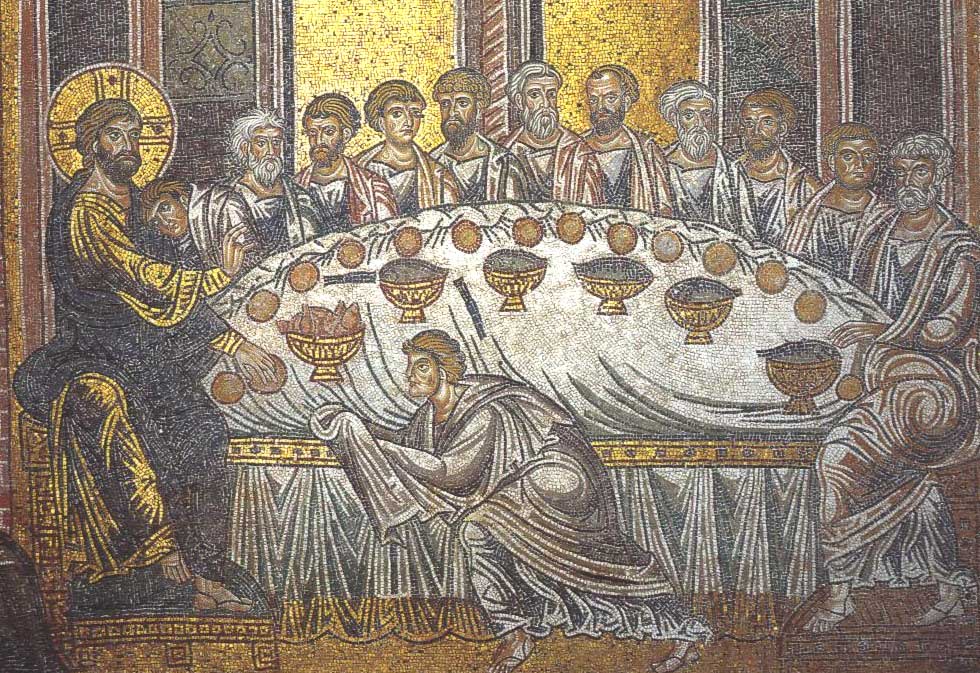
Pope Benedict’s Last Holy Thursday Homily
MASS OF THE LORD’S SUPPER HOMILY OF HIS HOLINESS BENEDICT XVI Basilica of St John Lateran Holy Thursday, 5 April 2012 Photo Gallery (Video) Dear Brothers and Sisters! Holy Thursday is not only the day of the institution of the Most Holy Eucharist, whose splendour bathes all else and in some ways draws it to[…]Continue reading→