
Preaching Christ Crucified
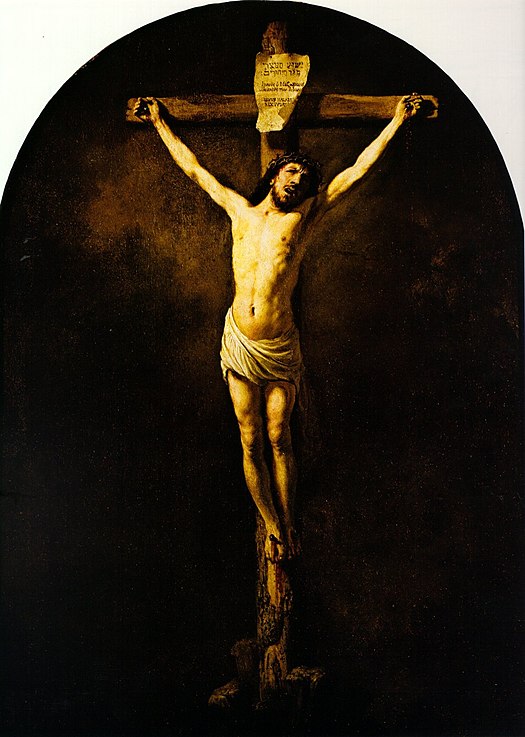
Go into most Protestant churches and you may find a cross, but you will not find a crucifix located anywhere. Go into any Catholic Church and you will find the crucifix located front and center above the altar. Catholicism proves itself a biblical religion once again as it follows the words of Saint Paul: “but we preach Christ crucified: a stumbling block to Jews and foolishness to Gentiles.” (1 Corinthians 1:23)
The cross is a royal symbol of a royal religion, but the crucifix is the royal symbol of Christ the King on his wooden throne. Why should we remove Christ from the cross when that moment of supreme agony shows him triumphant over sin and death and the serpent? Christ on his cross must have seemed to the disciples an abject and impotent figure, when in fact at that moment of supreme suffering he summoned herculean strength to break open the gates of heaven, locked against mankind since the Fall. The crucifix, then, is not a symbol of defeat, but of victory in the immortal battle between Christ and Satan.
No king is worth the title if he does not serve the people he rules. Christ demonstrated the wisdom of serving those he loved by preaching, first, that there is no greater love a man has than when he lays down his life for his friend; and second, doing exactly what he had preached. Christ deserves our friendship not just because he died for us, but because he taught us that he died for us because he loved us. Love hangs on the crucifix. An empty cross only suggests love. A crucifix proves it. What other gods in the history of mankind could lay claim to such a passionate and profound love?
Christ crucified is preached to every kind of sinner, from the least to the greatest. Whether or not we acknowledge it, to be in sin is to be in suffering. How can we cease to suffer from sin without seeing Christ, who bore and suffered all our sins on his shoulders, rise triumphant in glory from the tomb into which, it was supposed by his enemies, he and all memory of him would be banished forever?
In Those Mysterious Priests Archbishop Fulton Sheen makes the point. “The law that runs through Nature is there is never a sacrament without a sacrifice. Nothing contributes to our living except through something that has experienced dying. Here is the fallacy of those who would reduce the Eucharist to a meal – What meal is ever put on a dish except through its death? It seems a hard law, but it is true; we live by what we slay. We slew Him by our sins. But through His Mercy we live by what we have slain.”
The crucifix, better than the cross, stands for the great sacrament of his love. And that is why in nearly every Catholic Church you will find a large crucifix hanging from the ceiling above or placed on the wall behind the main altar. That crucifix reminds us of another central teaching of our faith uttered by Saint Paul: “Where sin increased, grace abounded all the more.” (Romans 5:20) That grace was the gift of his body bloodied and wracked in pain for our redemption.
Certainly we do not rejoice in the crucifixion of Jesus. That would be blasphemy. Yet we rejoice in the fact that Jesus used our sins as a way to express his love. As Saint Ambrose put it in the Exultet, in a phrase adopted by Saint Augustine and many others: “O happy fault that merited such and so great a Redeemer.” Our happiness is not in our fault, which offends God; our happiness is our seeing that Christ saw fit to use our fault to draw us closer to Him. We are now closer to God than Adam and Eve were before the Fall, because Christ now gives us his own blood to drink and body to eat for our perfect nourishment.
Again from Paul about the glory of Christ crucified: “… we are children of God, and if children, then heirs, heirs of God and joint heirs with Christ, if only we suffer with him so that we may also be glorified with him.” (Romans 8:16-17)

Remembering Father Alphonse de Valk
(Today marks the sixth anniversary of the death of Father Alphonse de Valk, C.S.B., a faithful, courageous and indefatigable Basilian priest, pro-life-and-family apostle, and the founder of Catholic Insight magazine. Here is what we wrote those on his entering into eternity five years ago, as we continue to remember him in our prayers and thoughts)[…]Continue reading→

Divine Mercy Sunday – An Echo of Every Mass
Reach out your hand and put it in my side. Do not doubt but believe’… ‘My Lord and my God!’ (Jn. 20:18)). Today is Divine Mercy Sunday, and as we celebrate the end of the Easter Octave, we contemplate the wounded side of our Saviour, the Church’s source of life. On Good Friday in the[…]Continue reading→

Saint Stanislaus of Szczepanów
We celebrate Saint Stanislaus today (+ April 11, 1079), in light of this Easter Octave, a bishop and martyr who accepted the episcopacy only at the direct order of Pope Alexander II. He proved a wise and courageous leader of his flock, put to death by his own king, Boleslaus, for rebuking the monarch’s ‘immoral[…]Continue reading→
First Holy Communion: Sermon from May 16, 1943
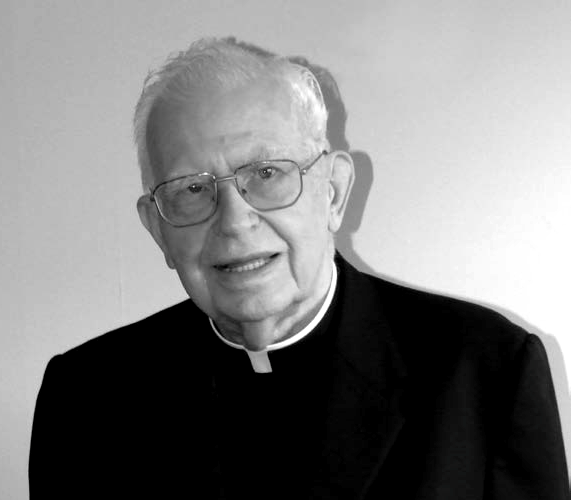
Here is a sermon from the good old days by +Rev. Msgr. Vincent Nicholas Foy (August 14, 1915 – March 13, 2017), from 1943. Readers may recall that Pope Saint Pius X, by the decree Quam Singulari in 1910, lowered the customary age of reception of Holy Communion – after the rigours of the plague[…]Continue reading→
In the Glorious Light of Easter, Alleluia!
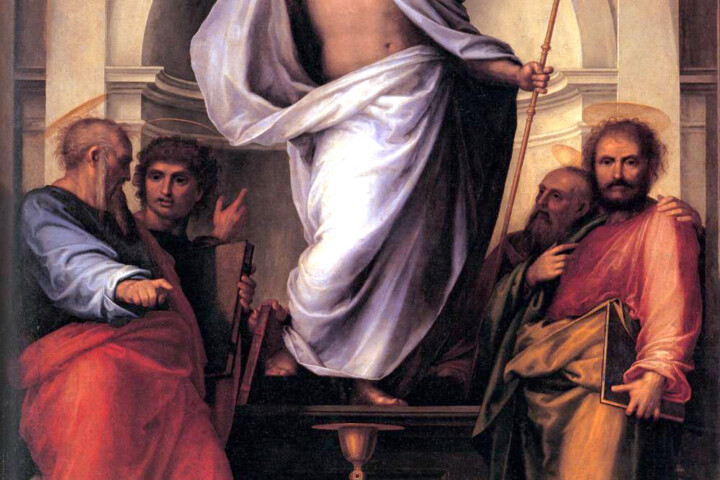
Set your minds on things that are above, not on things that are on earth, for you have died, and your life is hidden with Christ in God. When Christ who is your life is revealed, then you also will be revealed with him in glory (Col. 3:3-4). The Resurrection of Our Lord and Saviour[…]Continue reading→
An Ancient Homily for Holy Saturday
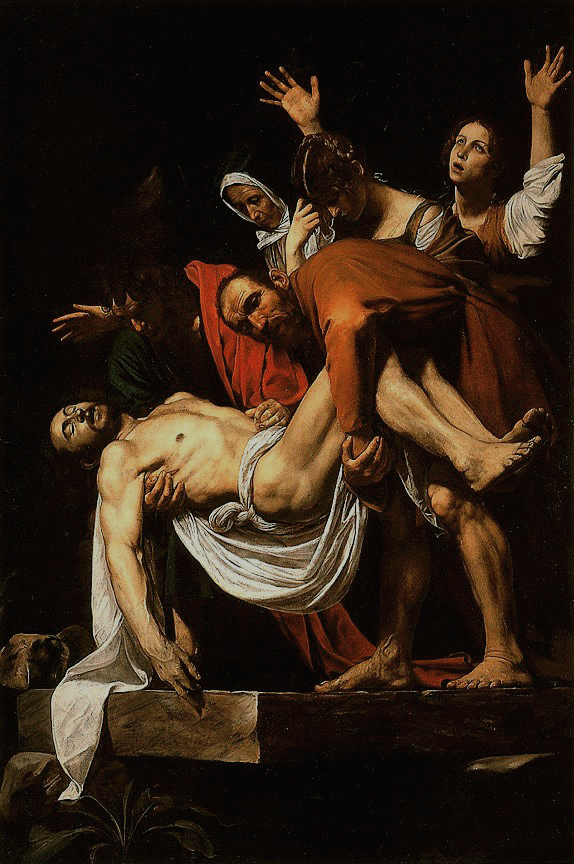
The time between Good Friday and Easter Sunday is one of waiting, in silence, as the world wonders – anticipates – what will happen, after the death of Christ. We re-live this time each year in the anamnesis of our liturgy, and in turn look forward to the glorious re-creation of all things at the[…]Continue reading→
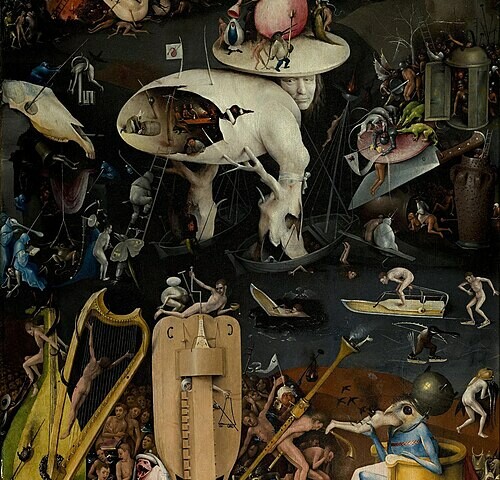
Europe’s Long Descent
(As we meditate on this day on Christ’s burial, and His descent into hell, it is fitting to ponder here with contributor Peter Marcus how the world seems to be heading there as well. The difference is that, although God cannot ‘redeem’ hell, nor those therein, He can and did redeem the world. There is[…]Continue reading→
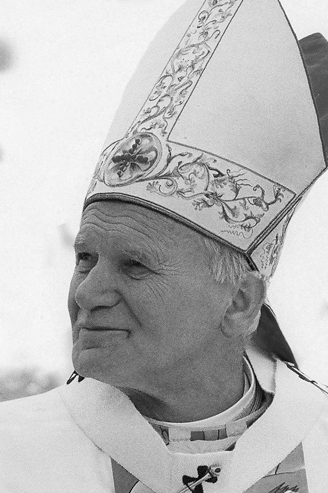
Pope Saint John Paul II’s First Good Friday Homily
ADDRESS OF HIS HOLINESS JOHN PAUL II AT THE CONCLUSION OF THE STATIONS OF THE CROSS AT THE COLOSSEUM Good Friday, 13 April 1979 When we make the Way of the Cross from one station to the next, in spirit we are always at the spot wherethis journey had its “historical” place: where it[…]Continue reading→
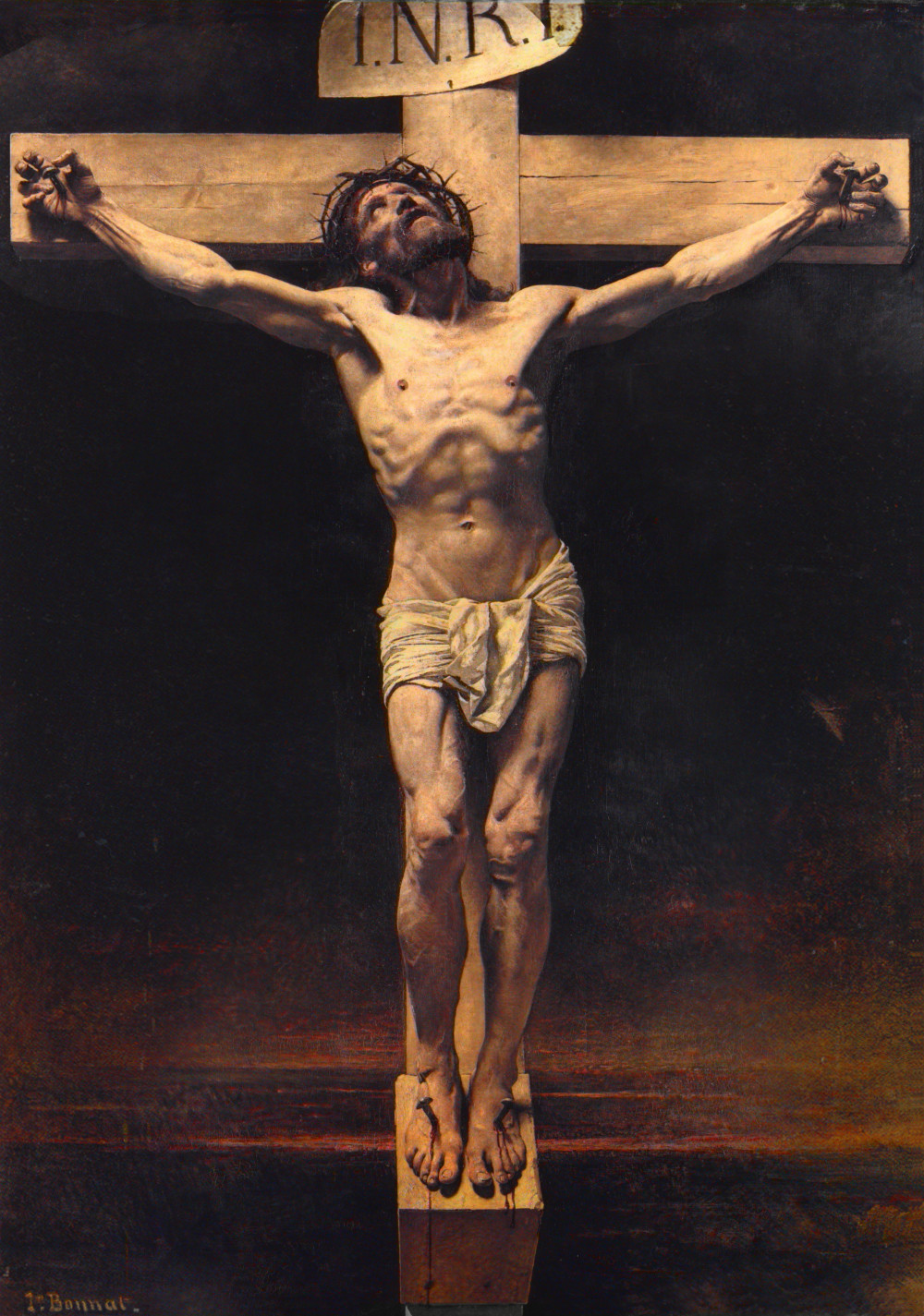
A Meditation for Good Friday: How To Undo the Effects of Sin?
Cardinal Newman, now Saint John Henry Newman, was a towering figure of nineteenth-century Catholicism who is almost universally admired. I say “almost” because not everyone likes him. I knew a priest once, Arthur Caulkins, who has become disenchanted with Newman. As an undergraduate Arthur had been enamoured of Newman, and this interest continued when he[…]Continue reading→
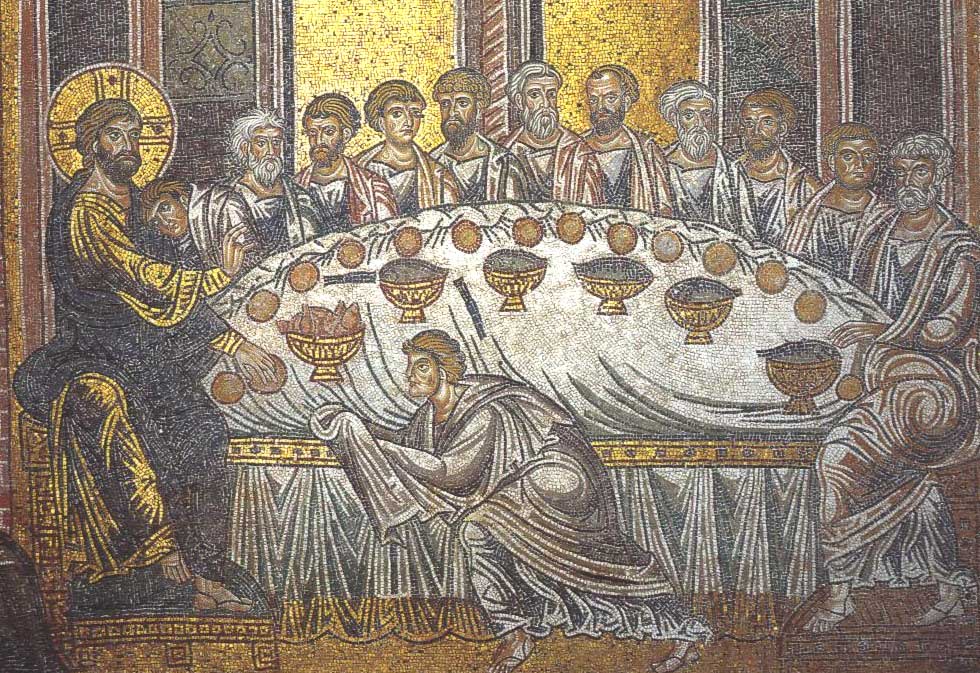
Pope Benedict’s Last Holy Thursday Homily
MASS OF THE LORD’S SUPPER HOMILY OF HIS HOLINESS BENEDICT XVI Basilica of St John Lateran Holy Thursday, 5 April 2012 Photo Gallery (Video) Dear Brothers and Sisters! Holy Thursday is not only the day of the institution of the Most Holy Eucharist, whose splendour bathes all else and in some ways draws it to[…]Continue reading→