
The Last Gospel as the Mass in Miniature
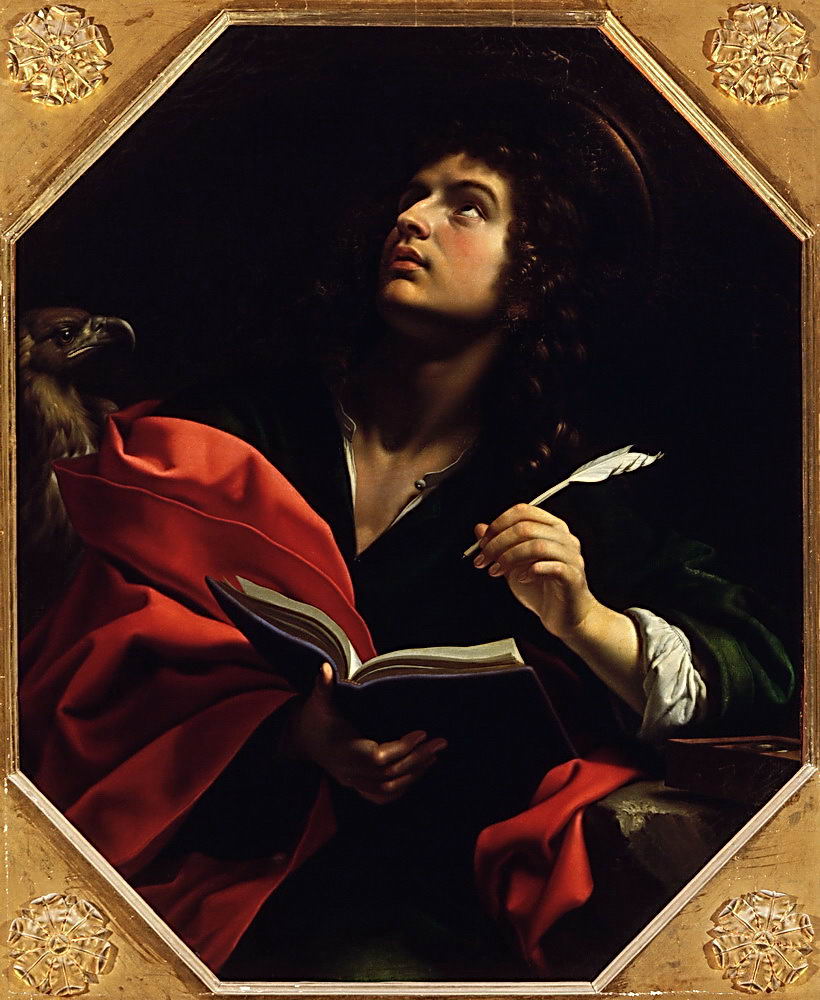
The prologue of the Gospel of St. John (Jn 1:1–14), often referred to as the Last Gospel, forms part of the concluding rites of the Traditional Latin Mass (also called the “Extraordinary Form of the Mass”). A customary devotion in Catholic England from the 12th century, the Last Gospel was originally recited by the priest as a private devotion, but eventually was proclaimed publicly at the altar immediately after the Ite missa est. St. Pius V made it universal practice when he included it in the Missal of 1570. The Last Gospel was sadly omitted in the Novus Ordo Mass (or the “Ordinary Form of the Mass”). Here is the text in full:
| In principio erat Verbum, et Verbum erat apud Deum, et Deus erat Verbum.
Hoc erat in principio apud Deum. Omnia per ipsum facta sunt: et sine ipso factum est nihil quod factum est: in ipso vita erat, et vita erat lux hominum: et lux in tenebris lucet, et tenebrae eam non comprehenderunt. Fuit homo missus a Deo, cui nomen erat Ioannes. Hic venit in testimonium, ut testimonium perhiberet de lumine, ut omnes crederent per illum. Non erat ille lux, sed ut testimonium perhiberet de lumine. Erat lux vera quae illuminat omnem hominem venientem in hunc mundum. In mundo erat, et mundus per ipsum factus est et mundus eum non cognovit. In propria venit, et sui eum non receperunt. Quotquot autem receperunt eum, dedit eis potestatem filios Dei fieri, his, qui credunt in nomine eius: qui non ex sanguinibus, neque ex voluntate carnis, neque ex voluntate viri, sed ex Deo nati sunt. ET VERBUM CARO FACTUM EST, et habitavit in nobis: et vidimus gloriam eius, gloriam quasi Unigeniti a Patre, plenum gratiae et veritatis. |
In the beginning was the Word, and the Word was with God, and the Word was God. The same was in the beginning with God. All things were made by Him, and without Him was made nothing that was made: in Him was life, and the life was the Light of men; and the Light shineth in darkness, and the darkness did not comprehend it. There was a man sent from God, whose name was John. This man came for a witness, to give testimony of the Light, that all men might believe through him. He was not the Light, but was to give testimony of the Light. That was the true Light, which enlighteneth every man that cometh into this world. He was in the world, and the world was made by Him, and the world knew Him not. He came unto His own, and His own received Him not. But as many as received Him, He gave them power to be made the sons of God, to them that believe in His Name, who are born not of blood, nor of the will of the flesh, nor of the will of man, but of God. AND THE WORD WAS MADE FLESH, and dwelt among us: and we saw His glory, the glory as it were of the Only begotten of the Father, full of grace and truth. |
The priest and the congregation genuflect on the words, “et Verbum caro factum est,” recognizing the great mystery and gift of the Incarnation. In the seven years in which I have attended the Traditional Latin Mass, the Last Gospel has always been one of my favourite moments therein. It is, in many ways, a summary of the truth of Christ, the Second Person of the Trinity. Christ as the Logos in Greek, or Verbum in Latin. The Greek has a layered meaning, implying “the ordering of the cosmos, divine emanation, and also the principle of divine reason.”[1] The Nicene Creed states, in what is an elaboration of the prologue of St. John’s Gospel, “I believe in one Lord Jesus Christ, the Only Begotten Son of God, born of the Father before all ages. God from God, Light from Light, true God from true God, begotten, not made, consubstantial with the Father; through him all things were made.”
It once occurred to me that the Last Gospel is analogous to the Mass in miniature. The Mass itself begins with sections that are, in a rhythmic sense, larger in proportion. This is most noticeable in a Sung Mass. The Introit through to the end of the Collect has the feeling of being one broad movement, and the Epistle through the end of Gospel being another. After the sermon, the Creed is a short movement, and the Offertory prayers are also proportionally a smaller movement than those which precede the sermon. The prayers which open the Canon of the Mass, first with “Te igitur clementissime Pater” (“to Thee, therefore, most merciful Father”) are briefer still, before Our Lord becomes truly present on the altar at the Consecration. There is a sense in which the rhythm of the Mass becomes quicker toward the Consecration, as if an accelerating anticipation propels us toward the profound moment when Heaven and earth are joined together in the Blessed Sacrament at the summit of the Mass.
There is a similar sense of anticipation in the Last Gospel. The majority of the sentences in the first two thirds are longer with little use of punctuation. As we grow closer to “et Verbum caro factum est,” we hear, “Quotquot autem receperunt eum, dedit eis potestatem filios Dei fieri, his, qui credunt in nomine eius: qui non ex sanguinibus, neque ex voluntate carnis, neque ex voluntate viri, sed ex Deo nati sunt.” (“But as many as received Him, He gave them power to be made the sons of God, to them that believe in His Name, who are born not of blood, nor of the will of the flesh, nor of the will of man, but of God.”) The phrases become shorter, propelling us toward the summit of the Last Gospel when we genuflect as we recognize the great reality of the Incarnation. “And the Word was made Flesh,” points not only to the moment when Christ took on human flesh, but also reminds us of the Holy Eucharist, which is that same Christ, Whom we have just received into our souls, in His Body and Blood, Soul, and Divinity.
The Last Gospel serves as a summation of the Mass, analogous to the Mass in miniature, and serves as a meditation on the mysteries in which we have just participated. What a great gift England gave the Church, codified by St. Pius V. I hope to the live to see the day when the Last Gospel is once again prayed after Mass in every parish around the world, when we will all bend the knee at “And the Word was made Flesh.”
[1] https://adoremus.org/2021/02/the-last-gospel-speaks-the-first-word-of-faith/

Saint Kateri , Canada’s Protectress
This was the title given to Saint Kateri Tekakwitha, by Pope Benedict XVI, when he canonized her on October 28th, 2012, along with six others, in Saint Peter’ Square (she had been beatified by Pope John Paul II back in 1980). With Saint Joseph as our protector, along with the Canadian martyrs, we seem to[…]Continue reading→

Remembering Father Alphonse de Valk
(Today marks the sixth anniversary of the death of Father Alphonse de Valk, C.S.B., a faithful, courageous and indefatigable Basilian priest, pro-life-and-family apostle, and the founder of Catholic Insight magazine. Here is what we wrote those on his entering into eternity five years ago, as we continue to remember him in our prayers and thoughts)[…]Continue reading→

My Name is Bernadette
April 16th is a propitious day, for besides the anniversary of Father de Valk’s death, who founded Catholic Insight in its print form decades ago, and the commemoration of the ‘two Benedicts’, mentioned in accompanying posts, today we also recall Saint Bernadette Soubirous, the young visionary to whom the Virgin Mary appeared numerous times at[…]Continue reading→
Canonizing Sister Faustina and Divine Mercy
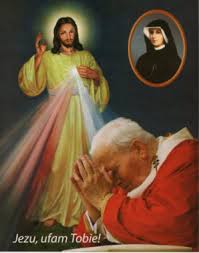
HOMILY OF THE HOLY FATHER MASS IN ST PETER’S SQUARE FOR THE CANONIZATION OF SR MARY FAUSTINA KOWALSKA Sunday, 30 April 2000 1. “Confitemini Domino quoniam bonus, quoniam in saeculum misericordia eius”; “Give thanks to the Lord for he is good; his steadfast love endures for ever” (Ps 118: 1). So the Church sings on the Octave of[…]Continue reading→

Divine Mercy Sunday – An Echo of Every Mass
Reach out your hand and put it in my side. Do not doubt but believe’… ‘My Lord and my God!’ (Jn. 20:18)). Today is Divine Mercy Sunday, and as we celebrate the end of the Easter Octave, we contemplate the wounded side of our Saviour, the Church’s source of life. On Good Friday in the[…]Continue reading→

Saint Stanislaus of Szczepanów
We celebrate Saint Stanislaus today (+ April 11, 1079), in light of this Easter Octave, a bishop and martyr who accepted the episcopacy only at the direct order of Pope Alexander II. He proved a wise and courageous leader of his flock, put to death by his own king, Boleslaus, for rebuking the monarch’s ‘immoral[…]Continue reading→
First Holy Communion: Sermon from May 16, 1943
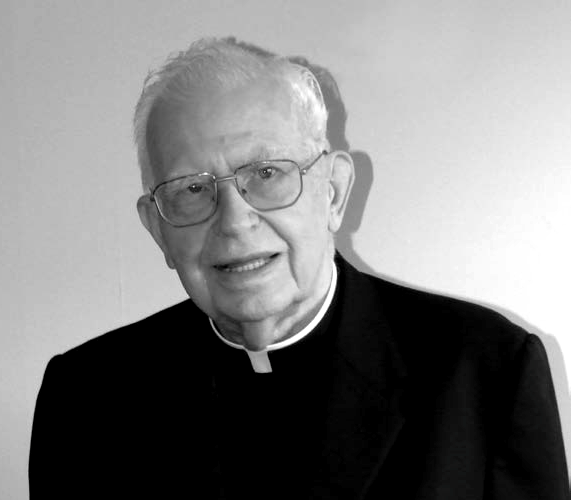
Here is a sermon from the good old days by +Rev. Msgr. Vincent Nicholas Foy (August 14, 1915 – March 13, 2017), from 1943. Readers may recall that Pope Saint Pius X, by the decree Quam Singulari in 1910, lowered the customary age of reception of Holy Communion – after the rigours of the plague[…]Continue reading→
In the Glorious Light of Easter, Alleluia!
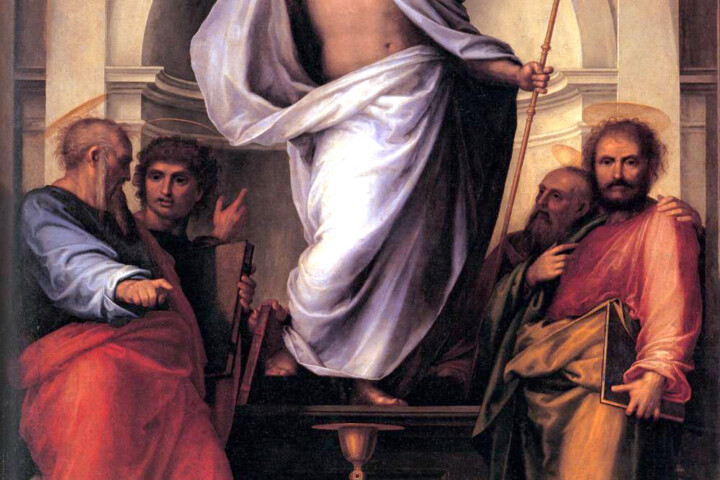
Set your minds on things that are above, not on things that are on earth, for you have died, and your life is hidden with Christ in God. When Christ who is your life is revealed, then you also will be revealed with him in glory (Col. 3:3-4). The Resurrection of Our Lord and Saviour[…]Continue reading→
An Ancient Homily for Holy Saturday
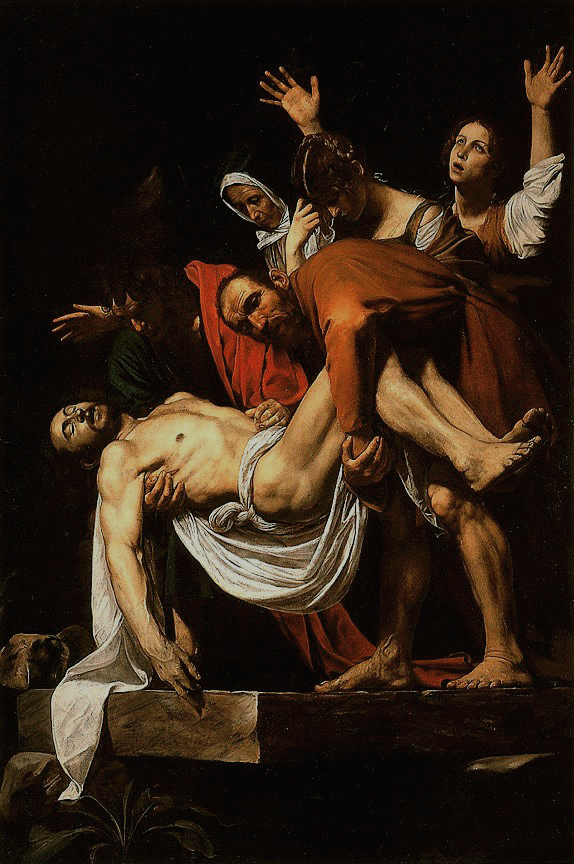
The time between Good Friday and Easter Sunday is one of waiting, in silence, as the world wonders – anticipates – what will happen, after the death of Christ. We re-live this time each year in the anamnesis of our liturgy, and in turn look forward to the glorious re-creation of all things at the[…]Continue reading→
Europe’s Long Descent
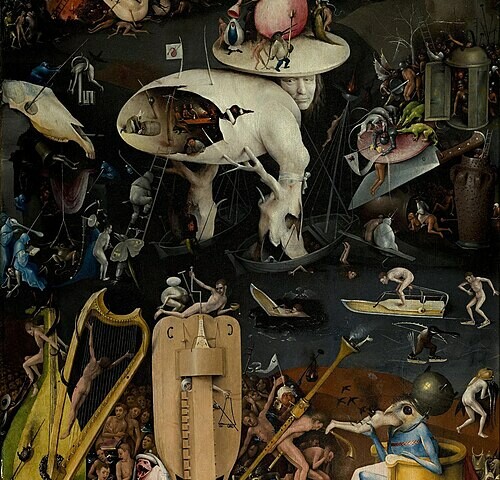
(As we meditate on this day on Christ’s burial, and His descent into hell, it is fitting to ponder here with contributor Peter Marcus how the world seems to be heading there as well. The difference is that, although God cannot ‘redeem’ hell, nor those therein, He can and did redeem the world. There is[…]Continue reading→