
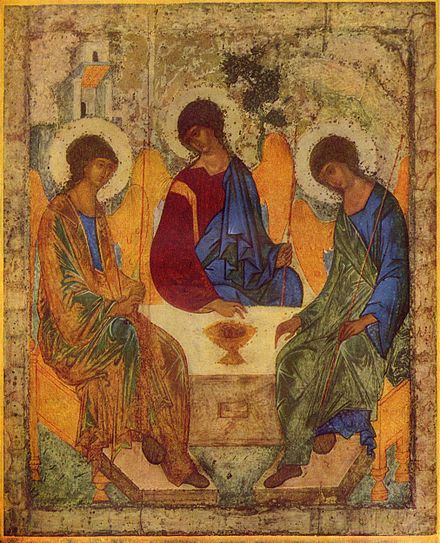
The Most Holy Trinity
He who believes in him is not condemned; he who does not believe is condemned already, because he has not believed in the name of the only son of God (Jn. 3:18).
Each year, the Sunday following the Solemnity of Pentecost commemorates the Mystery of the Most Blessed Trinity, the central mystery of Christian faith and life. It is the Mystery of God Himself (The Catechism of the Catholic Church, #234). The place of this Feast in the chronology of the liturgical year logically follows the revelation of the Holy Spirit as a Divine Person at Pentecost. The Mystery of the Most Holy Trinity is an absolute mystery. It is a mystery of faith in the strict sense, one of the mysteries that are hidden in God, which can never be known unless they are revealed by God (The Catechism of the Catholic Church, #237). The mystery hidden for ages and generations [is] now made manifest to His saints (Col. 1:26). As the central mystery of the Christian faith, this mystery reveals both the truth about God and the truth about man because the human person is created in the image and likeness of this God. The truth about God necessarily informs the way we understand ourselves and the world and for this reason it is absolutely necessary that we understand this truth correctly for we live is a world of conflicting ideas about the very existence of God, about God and the nature of God, the purpose of religion and their multiplicity and by consequence, man and the nature of man. Religious differences evidently exist; but to assert that the multiplicity of religions is willed by God seems to call to question the truth of God’s Revelation and Christ’s saving mission. The illusion of a one world religion of shared philosophical principles or vague generalities about a common god or deity can never replace the truth that has been revealed by God.
Since you are children of God, God has sent into your hearts the Spirit of His Son, the Spirit who cries out: Abba Father (Gal. 4:6). Our Lord has revealed to us that the living and true God is a Father. What does this reveal to us about the created order? Creation is a pure gift and in the immensity of this creation man is at its centre. In the liturgical poem found in the book of Genesis that describes the creation of man, God does not say, ‘Let there be men!’ as He does for all other creatures. He says, rather, ‘Let us make man in our own image, in the likeness of ourselves’ (Gen. 1:26). At the origin of the human person – of each and every human being – there is [an] outpouring of love within the Trinity (Jean Corbon, The Wellspring of Worship, p. 33). Truly, (in the words of Pope Benedict XVI), we are not some casual and meaningless product of evolution. Each of us is the result of the thought of God. Each of us is willed, each of us is loved, each of us is necessary. We do not worship an abstract thought or theory, a force or ‘Supreme Being’, but a Trinity of Persons who dwells in us through grace. The complexity of this Mystery, at face value, speaks to its truth. Sometimes we hear it said that the complexity of Christianity is a hindrance; as opposed to the simplicity of other monotheistic religions. C. S. Lewis observed: If Christianity was something we were making up, of course we could make it easier. But it is not. We cannot compete, in simplicity, with people who are inventing religions. How could we? We are dealing with Fact. Of course anyone can be simple if he has no facts to bother about (C. S. Lewis, Mere Christianity).
The Mystery of the Most Holy Trinity reveals to us the inner life of God; that God is personal and relational. It is in the image and likeness of this God that we were created and we too therefore, are personal and relational beings, equal in dignity and in value. Thus in contemplating the Trinity we come to know who we are and what we are called to be. The Mystery of the Holy Trinity provides us with a proper and true anthropology, or understanding of the human person. To understand this Mystery is to live well and therefore to be happy. This is why St John says: He who believes in him is not condemned; he who does not believe is condemned already, because he has not believed in the name of the only son of God. Condemned to what already? To an incomplete if not altogether erroneous understanding of the human person and for this reason, in extreme cases, condemned to a life of misery and oppression. Humans have a natural desire for happiness and a supernatural desire for beatitude or blessedness. This also is a natural consequence of our origin in God. The failure to teach this truth about our human nature, and the reduction of the human person simply to the material, has resulted in the madness that we now experience and the reduction of individuals to a matter of so-called sexual preferences and the propagation of the destructive philosophy of gender ideology, a blatant rejection of the biblical account of the creation of man and of nature itself.
It is important for us to appreciate that when we gather to worship God in the Holy Sacrifice of the Mass everything that we do within the confines of the sacred liturgy is an invitation to enter more and more deeply into the Mystery of the Triune God. There is a word in our sacred Tradition that describes what takes place when we worship the Triune God. The word is anaphora, literally, a carrying on high. Every liturgical celebration is an anaphora because it shares in the present movement of the Lord’s Ascension. More precisely, the anaphora is the central movement of the Eucharist Prayer. During the most important prayer of the Mass we are taken up into this Mystery which enables us to experience and live the communion of the Trinity.
If through our prayerful, conscious and active participation in the Mass we consent to the action of God in our life; that is, if we respond to His love with our own self-giving love, then surely we will come to understand that as we live this life of ours in Christ, we are ever becoming, ever growing in our likeness to God, ever being conformed to a Mystery which engenders and fosters life. In and through Christ Our Saviour we have come to know God’s purpose for us and for all humanity. Only where God is seen does life truly begin. Only when we meet the living God in Christ do we know what life is. There is nothing more beautiful than to be surprised by the Gospel, by the encounter with Christ. There is nothing more beautiful than to know Him and to speak to others of our friendship with Him (Pope Benedict XVI).
The Mystery of the Most Holy Trinity is the central mystery of faith and life. Our task as believers and disciples is to make this truth known most especially by the manner of our life because it is a truth that liberates. The proclamation of the truth of the Gospel continues to be a source of liberation from the darkness of unbelief, from violent superstitions, from the oppressive burden of religions that subjugate and denigrate, and from oppressive political ideologies and most especially in our day, from ideologies vitiate our human nature as constituted by God our Father in the natural order. The profession of the true faith is already a share in the eternal glory of the Triune God. May it be our glory to praise Him and to be changed into his likeness from one degree of glory to another; for this comes from the Lord who is the Spirit (2 Cor. 3:18).

Remembering Father Alphonse de Valk
(Today marks the sixth anniversary of the death of Father Alphonse de Valk, C.S.B., a faithful, courageous and indefatigable Basilian priest, pro-life-and-family apostle, and the founder of Catholic Insight magazine. Here is what we wrote those on his entering into eternity five years ago, as we continue to remember him in our prayers and thoughts)[…]Continue reading→
Divine Mercy Sunday – An Echo of Every Mass
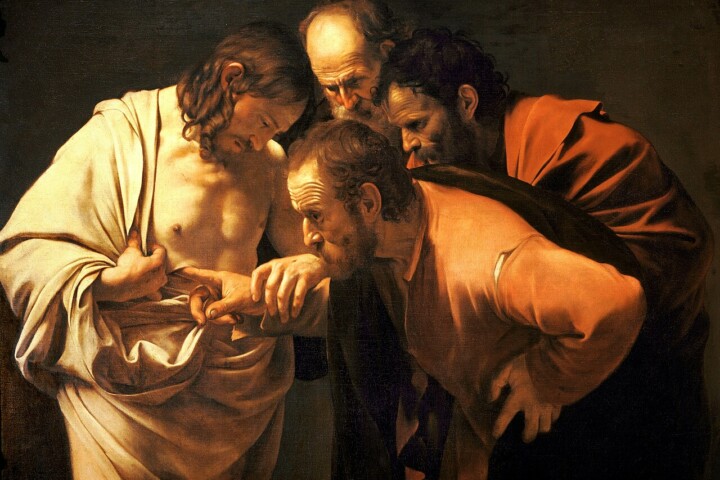
Reach out your hand and put it in my side. Do not doubt but believe’… ‘My Lord and my God!’ (Jn. 20:18)). Today is Divine Mercy Sunday, and as we celebrate the end of the Easter Octave, we contemplate the wounded side of our Saviour, the Church’s source of life. On Good Friday in the[…]Continue reading→

Saint Stanislaus of Szczepanów
We celebrate Saint Stanislaus today (+ April 11, 1079), in light of this Easter Octave, a bishop and martyr who accepted the episcopacy only at the direct order of Pope Alexander II. He proved a wise and courageous leader of his flock, put to death by his own king, Boleslaus, for rebuking the monarch’s ‘immoral[…]Continue reading→
First Holy Communion: Sermon from May 16, 1943
Here is a sermon from the good old days by +Rev. Msgr. Vincent Nicholas Foy (August 14, 1915 – March 13, 2017), from 1943. Readers may recall that Pope Saint Pius X, by the decree Quam Singulari in 1910, lowered the customary age of reception of Holy Communion – after the rigours of the plague[…]Continue reading→
In the Glorious Light of Easter, Alleluia!
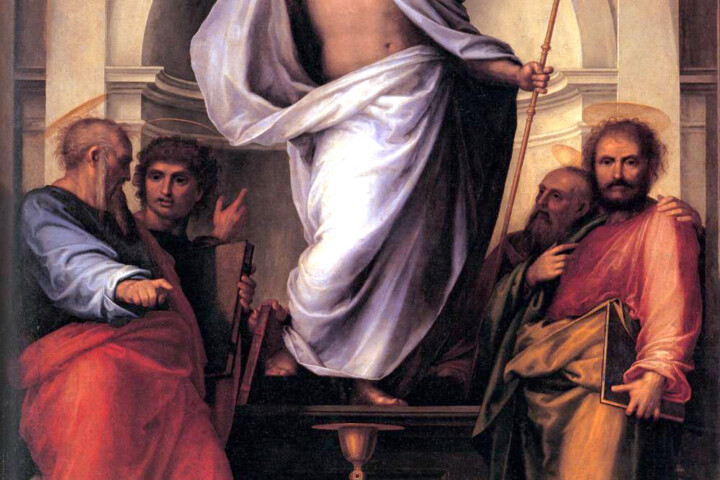
Set your minds on things that are above, not on things that are on earth, for you have died, and your life is hidden with Christ in God. When Christ who is your life is revealed, then you also will be revealed with him in glory (Col. 3:3-4). The Resurrection of Our Lord and Saviour[…]Continue reading→
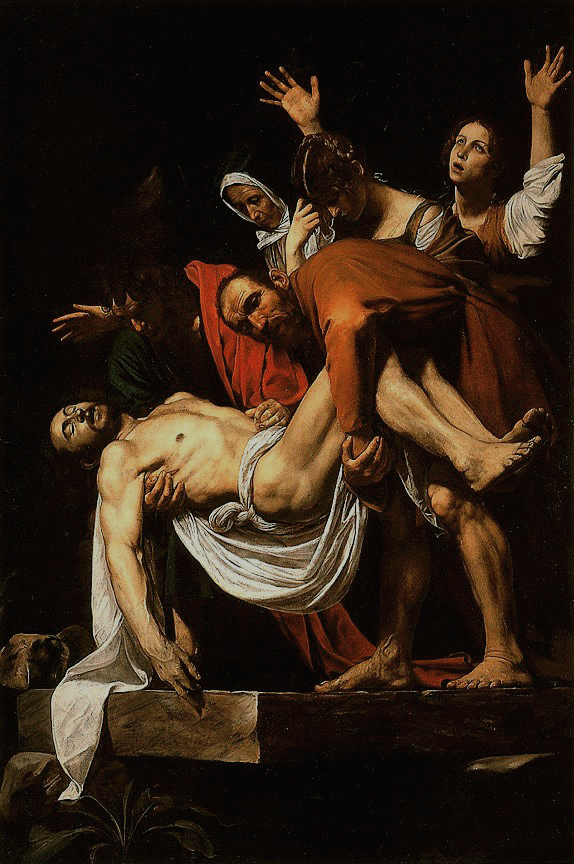
An Ancient Homily for Holy Saturday
The time between Good Friday and Easter Sunday is one of waiting, in silence, as the world wonders – anticipates – what will happen, after the death of Christ. We re-live this time each year in the anamnesis of our liturgy, and in turn look forward to the glorious re-creation of all things at the[…]Continue reading→
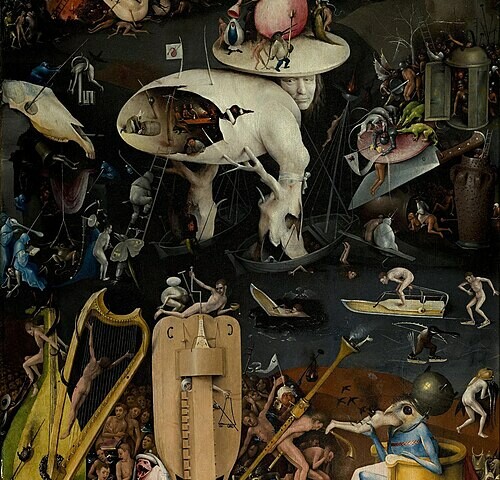
Europe’s Long Descent
(As we meditate on this day on Christ’s burial, and His descent into hell, it is fitting to ponder here with contributor Peter Marcus how the world seems to be heading there as well. The difference is that, although God cannot ‘redeem’ hell, nor those therein, He can and did redeem the world. There is[…]Continue reading→
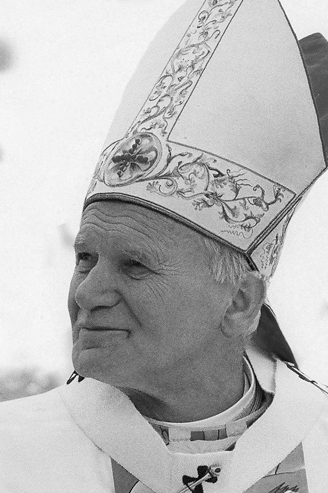
Pope Saint John Paul II’s First Good Friday Homily
ADDRESS OF HIS HOLINESS JOHN PAUL II AT THE CONCLUSION OF THE STATIONS OF THE CROSS AT THE COLOSSEUM Good Friday, 13 April 1979 When we make the Way of the Cross from one station to the next, in spirit we are always at the spot wherethis journey had its “historical” place: where it[…]Continue reading→
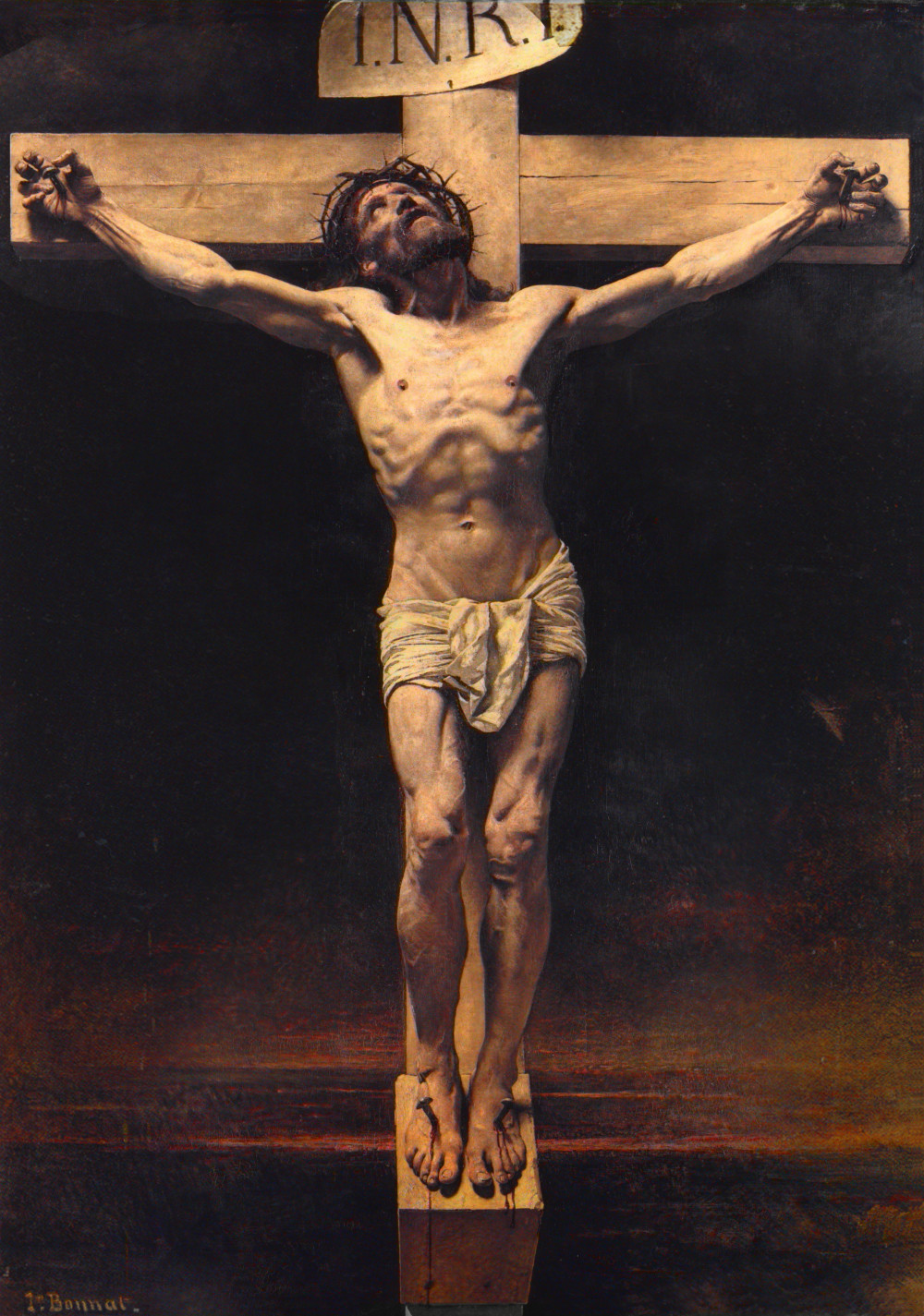
A Meditation for Good Friday: How To Undo the Effects of Sin?
Cardinal Newman, now Saint John Henry Newman, was a towering figure of nineteenth-century Catholicism who is almost universally admired. I say “almost” because not everyone likes him. I knew a priest once, Arthur Caulkins, who has become disenchanted with Newman. As an undergraduate Arthur had been enamoured of Newman, and this interest continued when he[…]Continue reading→
Pope Benedict’s Last Holy Thursday Homily
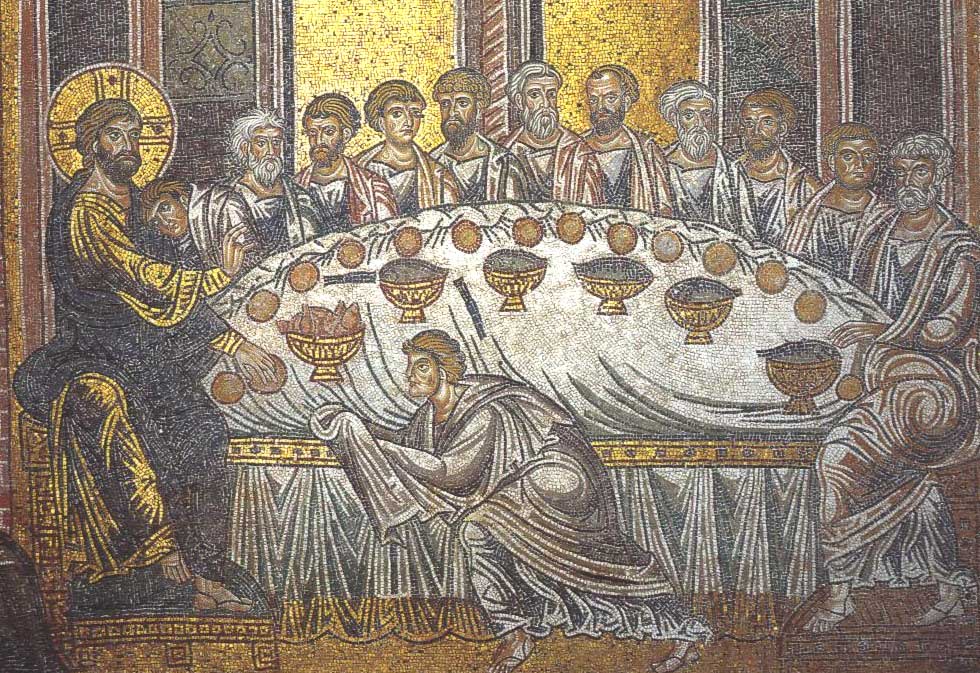
MASS OF THE LORD’S SUPPER HOMILY OF HIS HOLINESS BENEDICT XVI Basilica of St John Lateran Holy Thursday, 5 April 2012 Photo Gallery (Video) Dear Brothers and Sisters! Holy Thursday is not only the day of the institution of the Most Holy Eucharist, whose splendour bathes all else and in some ways draws it to[…]Continue reading→