
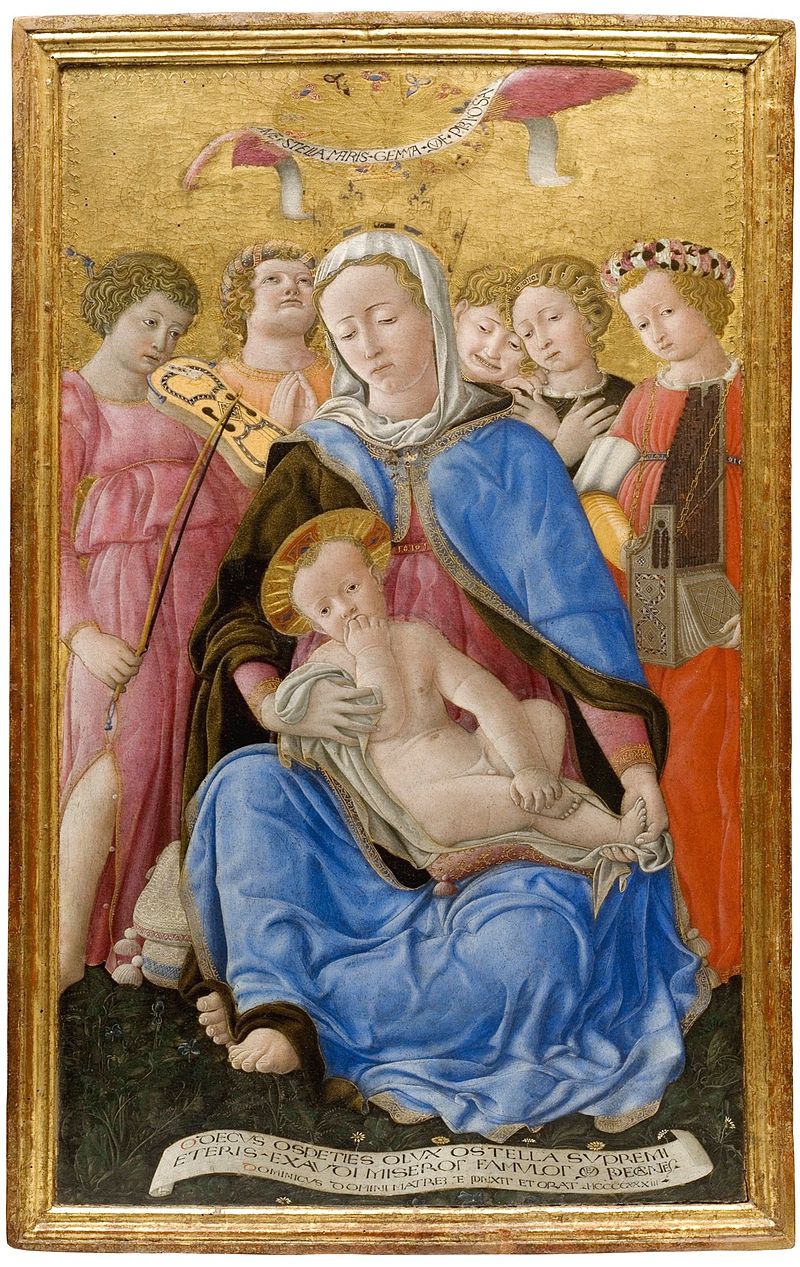
Matthew’s Lessons on Lenten Humility
If one can get past the nauseating image of John the Baptist dining on locusts, (which may our own lot soon – Ed.) chapter three of Matthew’s Gospel reinforces the identity of Christ as Son of God and sets the scene for His humble ministry and servant leadership. When John foretells the coming of Christ to the sinners he baptizes, he counts himself “not worthy to carry His sandals” (Matthew 3:11 NAB). Now, when Jesus arrives, He insists on being baptized by John – who eventually concedes despite his evident feeling of inferiority. This is one of many examples of Jesus’ teaching humility. In this case—as Francis of Assisi preached 1200 years later—by actions and not words, though both used words when necessary.
At this moment, not only is Jesus’ identity as the Son of God made clear again, it is important to note that all three Persons of the Trinity are present. Jesus emerges from the waters of the Jordan as the Holy Spirit descends like a dove and God the Father speaks from the heavens. “After Jesus was baptized, he came up from the water and behold, the heavens were opened for him, and he saw the Spirit of God descending like a dove and coming upon him. And a voice came from the heavens, saying, ‘This is my beloved Son, with whom I am well pleased.’” (Matthew 3:16-17).
In chapter four, Jesus is tempted as he fasts in the desert for 40 days. Here we see the scriptural roots of our own Lenten sacrifices. “And afterwards he was hungry” (Matthew 4:2). When we empty ourselves of vices and material things during fasting, we make room for Christ, we create a hunger for him.
A rich chapter, number five presents us with Jesus laying out the basics of his teachings. He essentially offers his syllabus for his ministry, clarifying old teachings and the law of the prophets. Humility remains a consistent theme in the beatitudes: Blessed are the poor in spirit, the merciful, the persecuted; and in teachings on retaliation and enemies:
“Offer no resistance to one who is evil. When someone strikes you on [your] right cheek, turn the other one to him as well” (Matthew 5:39).
“Love your enemies, and pray for those who persecute you” (Matthew 5:44).
Probably the most popular content of the sixth chapter of Matthew is the Lord’s Prayer, known by many as “The Our Father.” This is, however, only a small part of a robust chapter in which we are provided with more specific teachings relating to the concepts presented in chapter five and continuing the theme of humility: Do not be like the hypocrites. In his teachings on almsgiving, prayer, fasting, and material wealth, Jesus calls out those who desire to be perceived as holy. During my year of discernment in seminary, we called them naval-gazers: those men who walked around with hands folded, staring down in order to be seen as praying all the time.
Today, we see a fine example of the hypocrites Jesus addresses. One merely need log onto a social media platform on Ash Wednesday to see the plethora of posts about what each individual is giving up for Lent. “Look how holy I am,” they seem to proclaim, “Pay attention to my sacrifice.” My response:
When you fast, do not look gloomy and share that gloom on Facebook and Instagram like the hypocrites. They neglect their appearance and announce their holiness publicly, so that they may appear to others to be fasting. Amen, I say to you, they have received their reward. But when you fast, anoint your head and wash your face before posting a selfie to Instagram or a video to TikTok, so that you may not appear to others to be fasting, except to your Father who is hidden. And your Father who sees what is hidden will repay you. He’s probably not one of your social media followers anyway.
The seventh chapter continues the key teachings of Christ, the first of which I must heed before posting the above in self-righteous response to others’ social media activity: “Stop judging, that you may not be judged” (Matthew 7:1).
In verse 12, Jesus sums up his teachings on humility while returning to his original point of keeping the law. “Do to others whatever you would have them do to you,” he says. “This is the law and the prophets” (Matthew 7:12).
When searching for a concise guide of the teachings of Christ—especially during the season of Lent—the Gospel of Matthew is a perfect place to start.

Saint Kateri , Canada’s Protectress
This was the title given to Saint Kateri Tekakwitha, by Pope Benedict XVI, when he canonized her on October 28th, 2012, along with six others, in Saint Peter’ Square (she had been beatified by Pope John Paul II back in 1980). With Saint Joseph as our protector, along with the Canadian martyrs, we seem to[…]Continue reading→

Remembering Father Alphonse de Valk
(Today marks the sixth anniversary of the death of Father Alphonse de Valk, C.S.B., a faithful, courageous and indefatigable Basilian priest, pro-life-and-family apostle, and the founder of Catholic Insight magazine. Here is what we wrote those on his entering into eternity five years ago, as we continue to remember him in our prayers and thoughts)[…]Continue reading→

My Name is Bernadette
April 16th is a propitious day, for besides the anniversary of Father de Valk’s death, who founded Catholic Insight in its print form decades ago, and the commemoration of the ‘two Benedicts’, mentioned in accompanying posts, today we also recall Saint Bernadette Soubirous, the young visionary to whom the Virgin Mary appeared numerous times at[…]Continue reading→
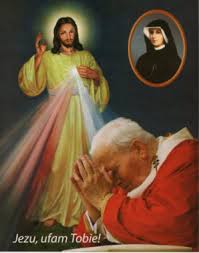
Canonizing Sister Faustina and Divine Mercy
HOMILY OF THE HOLY FATHER MASS IN ST PETER’S SQUARE FOR THE CANONIZATION OF SR MARY FAUSTINA KOWALSKA Sunday, 30 April 2000 1. “Confitemini Domino quoniam bonus, quoniam in saeculum misericordia eius”; “Give thanks to the Lord for he is good; his steadfast love endures for ever” (Ps 118: 1). So the Church sings on the Octave of[…]Continue reading→

Divine Mercy Sunday – An Echo of Every Mass
Reach out your hand and put it in my side. Do not doubt but believe’… ‘My Lord and my God!’ (Jn. 20:18)). Today is Divine Mercy Sunday, and as we celebrate the end of the Easter Octave, we contemplate the wounded side of our Saviour, the Church’s source of life. On Good Friday in the[…]Continue reading→

Saint Stanislaus of Szczepanów
We celebrate Saint Stanislaus today (+ April 11, 1079), in light of this Easter Octave, a bishop and martyr who accepted the episcopacy only at the direct order of Pope Alexander II. He proved a wise and courageous leader of his flock, put to death by his own king, Boleslaus, for rebuking the monarch’s ‘immoral[…]Continue reading→
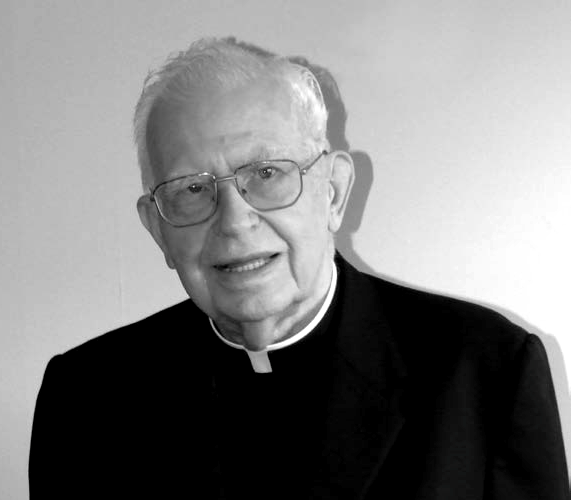
First Holy Communion: Sermon from May 16, 1943
Here is a sermon from the good old days by +Rev. Msgr. Vincent Nicholas Foy (August 14, 1915 – March 13, 2017), from 1943. Readers may recall that Pope Saint Pius X, by the decree Quam Singulari in 1910, lowered the customary age of reception of Holy Communion – after the rigours of the plague[…]Continue reading→
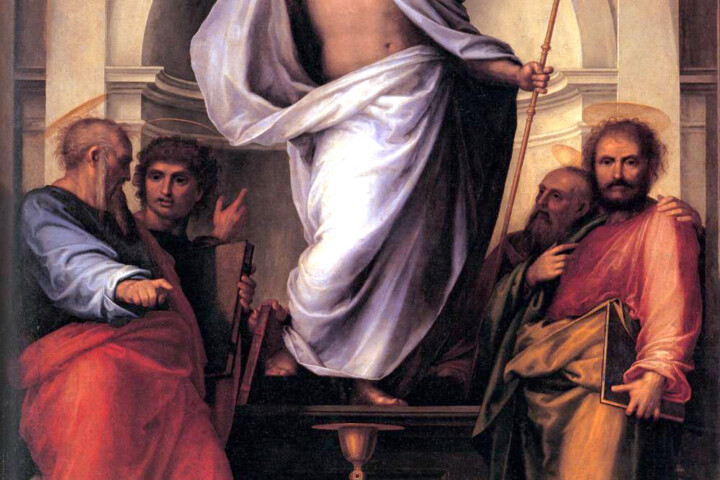
In the Glorious Light of Easter, Alleluia!
Set your minds on things that are above, not on things that are on earth, for you have died, and your life is hidden with Christ in God. When Christ who is your life is revealed, then you also will be revealed with him in glory (Col. 3:3-4). The Resurrection of Our Lord and Saviour[…]Continue reading→
An Ancient Homily for Holy Saturday
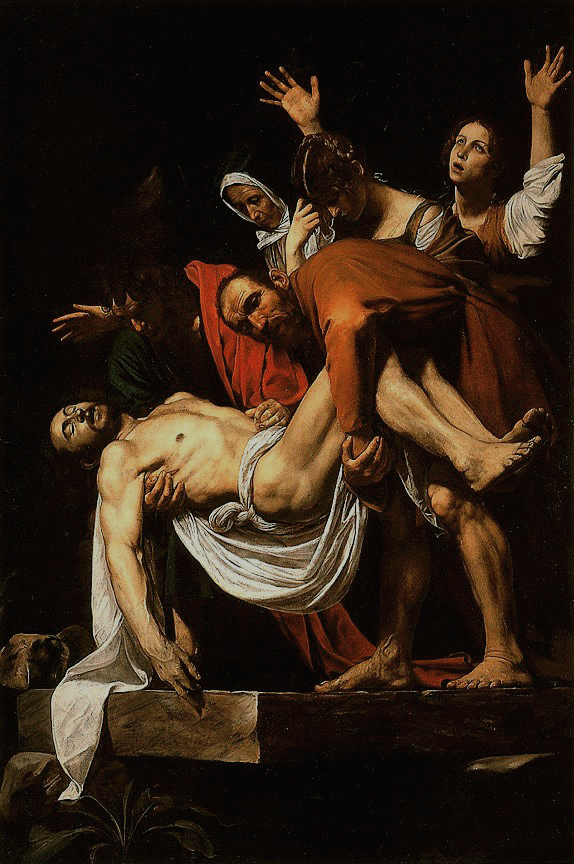
The time between Good Friday and Easter Sunday is one of waiting, in silence, as the world wonders – anticipates – what will happen, after the death of Christ. We re-live this time each year in the anamnesis of our liturgy, and in turn look forward to the glorious re-creation of all things at the[…]Continue reading→

Europe’s Long Descent
(As we meditate on this day on Christ’s burial, and His descent into hell, it is fitting to ponder here with contributor Peter Marcus how the world seems to be heading there as well. The difference is that, although God cannot ‘redeem’ hell, nor those therein, He can and did redeem the world. There is[…]Continue reading→