
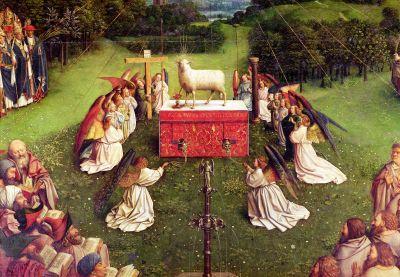
Second Sunday: The Lamb of God and the Culture Wars
‘Behold, the Lamb of God, who takes away the sin of the world!’ (Jn. 1:29). ⧾
This declaration made by John the Baptist and which we hear before the reception of Holy Communion at every Mass, is a succinct summary of the mission of the Messiah. As presented in the gospels, Our Lord’s Baptism is the beginning of His public life and the inauguration of His mission as the Suffering Servant, a mission that ended with His Sacrificial Death upon the Cross; the fullest manifestation or theophany of the nature of God. When we speak of God’s nature, what is meant is who God really is in Himself. In the Mystery of His Redemptive Incarnation God reveals Himself as the God of Salvation. The name Jesus (Jeshua) means GOD is salvation. Concealed within the name of Jesus is the tetragrammaton, the mysterious name from Mount Horeb, here expanded into the statement: God saves…The God who is, is the saving God (Pope Benedict XVI, Jesus of Nazareth, the Infancy Narratives, p. 30). Therefore, we who profess belief in this God, the True God, confess that to believe in Him is to be saved. But to all who received him, who believed in his name, he gave power to become children of God (Jn. 1:12).
Having celebrated the Feast of Christmas and the Epiphany, we now begin anew our commemoration of the mysteries of our Lord’s earthly life; preparing for the annual celebration of the Paschal Mystery of Our Lord’s Passion, Death and Resurrection. Every new year is a year of grace during which we endeavour to grow in our likeness to Christ Our Saviour and become one with Him in His saving work. Salvation is very personal, intimate even; and with this gift there also comes a mandate, a personal commission which the Prophet Isiah expresses with these words: I will give you as a light to the nations; that my salvation may reach to the end of the earth (Is. 49:6). We do this individually in the particular circumstances of our personal lives, and collectively; not on our own strength however, but by virtue of our union with Christ Our Lord. We live our lives in Christ, by the power and presence of the Holy Spirit.
‘Behold, the Lamb of God, who takes away the sin of the world!’ (Jn. 1:29). During the celebration of the Sacred Liturgy it is Christ Our Saviour that we endeavour to hear and to see; to encounter, to love and to serve. And from this encounter we go forth as others have done before us and please God, will do so after us, to continue Christ’s saving work. As St. Paul expresses it in our epistle reading, we are called to be saints, together with all those who in every place call on the name of our Lord Jesus Christ, both their Lord and ours (1Cor. 1:2). There is overwhelming historical and contemporary evidence that when the individual person resolves to follow Christ along the path of devout discipleship, there is nothing better for extending human freedom, maturity and self-knowledge. These virtues form the basis of any just and virtuous society; be it the individual family or the greater community or culture to which we belong.
Although we sometimes hear it said that we ought not to engage in culture wars or conflicts, the truth of the matter is that such a conflict is inevitable. St. John writes, And this is the judgment, that the light has come into the world and men loved darkness rather than light, because their deeds were evil (Jn. 3:19). Generally speaking, it could be said that the greater culture has lost a religious understanding of the human condition – that man is a fallen creature for whom virtue is necessary. The secular substitute – the belief in the perfection of human life on earth by the endless extension of a choice of pleasures – is both unattainable and unrealistic in its understanding of human nature (Cf. Theodore Dalrymple, Our Culture, What’s Left of It, p. 53). This however, does not deter many for trying; and the casualties are everywhere to be seen because ours is a culture that is gripped by a willful misunderstanding of human nature (Fr. James Schall, s.j.). If human nature, created in God’s image and likeness, and destined to share in the Divine Nature is to be perfected and fulfilled; then it can only do so if conformed to the One who has redeemed it and by the gift of the Holy Spirit is at work purifying it, sanctifying it and transforming it into the likeness of the One who has called us out of darkness into his marvellous light (1 Pet. 2:9). This is our conviction and therefore, also our mission. And we best engage in this work by striving to live in the spirit of faith and charity, both of which are celebrated and strengthened by our divine worship.
The proclamation of Christ, the Lamb of God who takes away the sin of the world, that we make each and every day at the celebration of the Holy Sacrifice of the Mass actively engages us in the work of salvation because we rightly understand that the sacred liturgy is the vehicle of faith. It does so firstly, in the personal assent that we give to the truth of these words and their implication, and then, in the manner that we endeavour to see and do all things in light of this truth. The world, our own times in fact, need to be redeemed; and atonement and reparation are the means by which we do this. As Catholics we engage the world that Christ Our Lord has redeemed and those who live in this world with the same desire for salvation, for freedom, for illumination and for the peace that God alone can give. This approach may be described as Eucharistic tenderness, the tenderness of the Saviour who becomes for us the Lamb of Sacrifice and the Bread of Life necessarily becomes the pattern with which we engage the world and those in it who know not the truth, goodness and beauty of Christ Our Saviour.
Pope John Paul II reminded us that it is part of the grandeur of Christ’s love not to leave us in the condition of passive recipients, but to draw us into His saving work (John Paul II, Incarnationis Mysterium; Nov. 29, 1998). When we unite ourselves sacramentally to the Lamb of God who takes away the sin of the world, we become one with Him in the work of salvation. Like Him we seek to alleviate the burden of sin that weighs heavily on humanity. This has always been the work of devout Catholics who rightly understand that human nature though fallen and wounded, can be restored and healed and sanctified by grace.
Let us hold fast to these truths and firmly reject and all attempts to alter them in any way. In the words of the late George Cardinal Pell, let us have nothing of the toxic nightmare presently being devised by dreamers who at face value betray very little knowledge of the true condition of a fallen humanity always in need of redemption and salvation. ⧾

Remembering Father Alphonse de Valk
(Today marks the sixth anniversary of the death of Father Alphonse de Valk, C.S.B., a faithful, courageous and indefatigable Basilian priest, pro-life-and-family apostle, and the founder of Catholic Insight magazine. Here is what we wrote those on his entering into eternity five years ago, as we continue to remember him in our prayers and thoughts)[…]Continue reading→

Divine Mercy Sunday – An Echo of Every Mass
Reach out your hand and put it in my side. Do not doubt but believe’… ‘My Lord and my God!’ (Jn. 20:18)). Today is Divine Mercy Sunday, and as we celebrate the end of the Easter Octave, we contemplate the wounded side of our Saviour, the Church’s source of life. On Good Friday in the[…]Continue reading→

Saint Stanislaus of Szczepanów
We celebrate Saint Stanislaus today (+ April 11, 1079), in light of this Easter Octave, a bishop and martyr who accepted the episcopacy only at the direct order of Pope Alexander II. He proved a wise and courageous leader of his flock, put to death by his own king, Boleslaus, for rebuking the monarch’s ‘immoral[…]Continue reading→

First Holy Communion: Sermon from May 16, 1943
Here is a sermon from the good old days by +Rev. Msgr. Vincent Nicholas Foy (August 14, 1915 – March 13, 2017), from 1943. Readers may recall that Pope Saint Pius X, by the decree Quam Singulari in 1910, lowered the customary age of reception of Holy Communion – after the rigours of the plague[…]Continue reading→

In the Glorious Light of Easter, Alleluia!
Set your minds on things that are above, not on things that are on earth, for you have died, and your life is hidden with Christ in God. When Christ who is your life is revealed, then you also will be revealed with him in glory (Col. 3:3-4). The Resurrection of Our Lord and Saviour[…]Continue reading→

An Ancient Homily for Holy Saturday
The time between Good Friday and Easter Sunday is one of waiting, in silence, as the world wonders – anticipates – what will happen, after the death of Christ. We re-live this time each year in the anamnesis of our liturgy, and in turn look forward to the glorious re-creation of all things at the[…]Continue reading→

Europe’s Long Descent
(As we meditate on this day on Christ’s burial, and His descent into hell, it is fitting to ponder here with contributor Peter Marcus how the world seems to be heading there as well. The difference is that, although God cannot ‘redeem’ hell, nor those therein, He can and did redeem the world. There is[…]Continue reading→
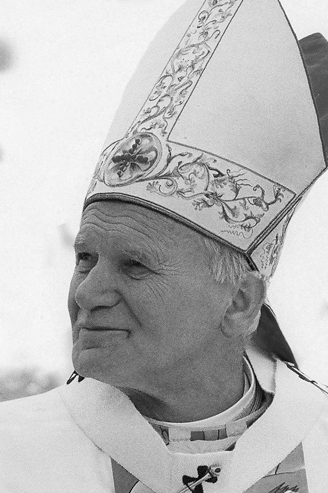
Pope Saint John Paul II’s First Good Friday Homily
ADDRESS OF HIS HOLINESS JOHN PAUL II AT THE CONCLUSION OF THE STATIONS OF THE CROSS AT THE COLOSSEUM Good Friday, 13 April 1979 When we make the Way of the Cross from one station to the next, in spirit we are always at the spot wherethis journey had its “historical” place: where it[…]Continue reading→
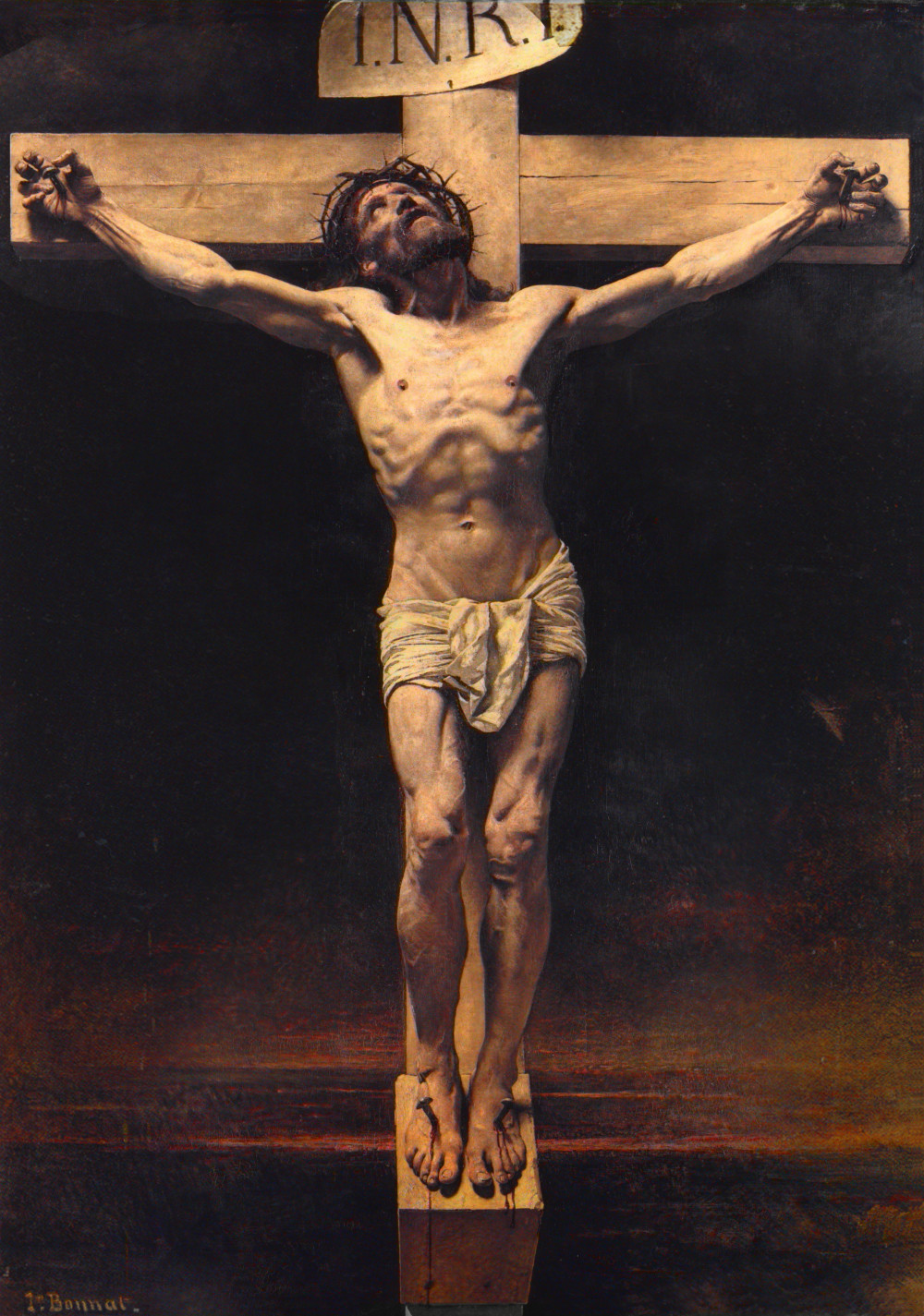
A Meditation for Good Friday: How To Undo the Effects of Sin?
Cardinal Newman, now Saint John Henry Newman, was a towering figure of nineteenth-century Catholicism who is almost universally admired. I say “almost” because not everyone likes him. I knew a priest once, Arthur Caulkins, who has become disenchanted with Newman. As an undergraduate Arthur had been enamoured of Newman, and this interest continued when he[…]Continue reading→
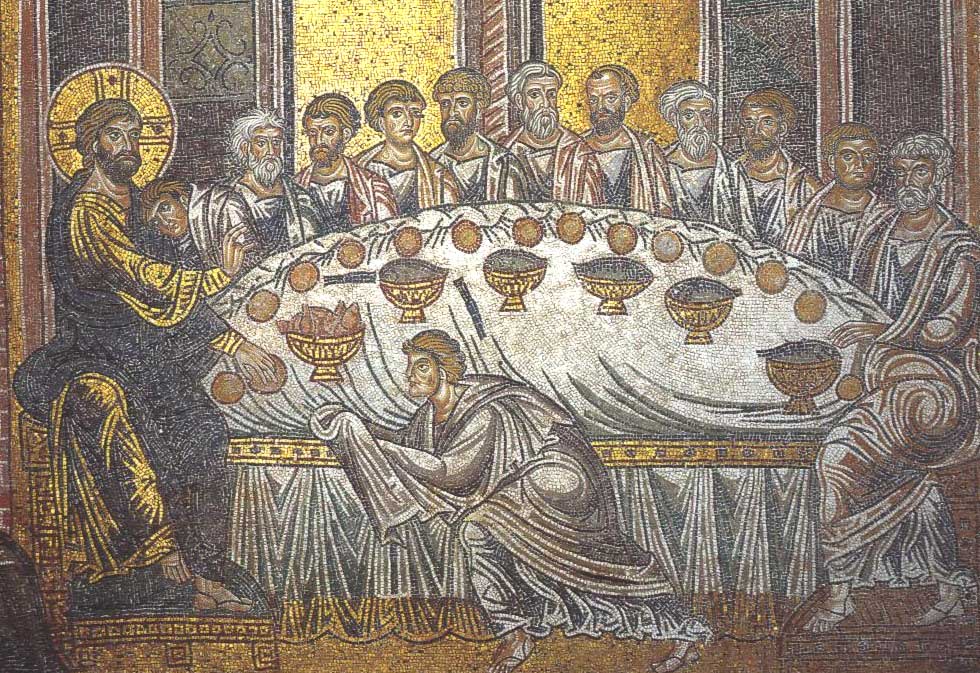
Pope Benedict’s Last Holy Thursday Homily
MASS OF THE LORD’S SUPPER HOMILY OF HIS HOLINESS BENEDICT XVI Basilica of St John Lateran Holy Thursday, 5 April 2012 Photo Gallery (Video) Dear Brothers and Sisters! Holy Thursday is not only the day of the institution of the Most Holy Eucharist, whose splendour bathes all else and in some ways draws it to[…]Continue reading→