
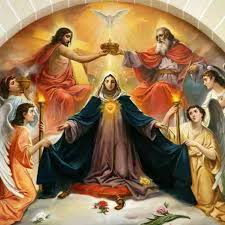
Mary’s Birthday: A Day of Universal Joy
Wednesday, September 8th, is the feast of the Nativity of Mary, the Mother of God. It was the great Greek Church Father, St John Damascene, who wrote:
The day of the Nativity of the Mother of God is a day of universal joy because through the Mother of God, the entire human race was renewed, and the sorrow of the first mother, Eve, was transformed into joy.
St John Damascene gives us the reasons why we should be rejoicing on this special day. Thanks to Mary’s birth the entire human race is renewed because it is set into the process of its salvation, which comes from the unique Redeemer, the Lord Jesus Christ, born of the Virgin Mary. Mary’s presence in our midst is the joy that God the Father is turning our tears of sorrow into tears of joy!
Today we rejoice at the birth of Mary, the Mother of God, because Mary teaches us to love God immediately and always. Thus, Mary accompanies us in our journey of a loving perseverance of Our Lord. Saint Alphonsus Liguori writes:
As soon as she [Mary] had the use of reason, that is, from the first moment of her immaculate conception in the womb of St. Ann, from that time she began with all her powers to love her God; and thus she continued to do, ever-advancing more in perfection and love through her whole life. All her thoughts, her desires, her affections, were wholly given to God; not a word, not a motion, not a glance of the eye, not a breath of hers that was not for God and for his glory, never departing one step, nor separating herself for one moment from the divine love.
In Saint Alphonsus’ view Mary is the exemplar of how to love one’s neighbour. In his characteristic style this great Doctor of the Church tells us:
Think of what the Saints have done for their neighbor because they loved God. But what Saint’s love for God can match Mary’s? She loved Him more in the first moment of her existence than all the Saints and angels ever loved Him or will love Him. Our Lady herself revealed to Sister Mary Crucified that the fire of her love was most extreme. If Heaven and earth were placed in it, they would be instantly consumed. And the ardors of the seraphim, compared with it, are like cool breezes. Just as there is not one among all the Blessed who loves God as Mary does, so there is no one, after God, who loves us as much as this most loving Mother does. Furthermore, if we heaped together all the love that mothers have for their children, all the love of husbands and wives, all the love of all the angels and Saints for their clients, it could never equal Mary’s love for even a single soul.
The nativity of Mary is for us an extraordinary occasion for exulting with joy because the Mother of God inspires us to be faithful in our commitment to God. Pope Emeritus Benedict XVI says: Her [Mary’s] example of faithful perseverance in doing the will of God and her heavenly reward are a source of courage and hope for all of us. As a bold woman of faith Mary risked everything to conform herself with God’s will. Thus adds Pope Benedict: Mary was the first person to take the ‘way’ to enter the Kingdom of God that Christ opened, a way which is accessible to the humble, to all who trust in the word of God and endeavor to put it into practice.
In his mariological reflection Pope Benedict once again returns to the central focal point of all his reflection on Mary: Mary is a woman who loves. In view of contemporary culture who is lost because it cannot love, Benedict wisely puts Mary as a concrete example of what it really means to love. He therefore says:
Mary is a woman who loves. We see it in the delicacy with which she recognizes the need of the spouses at Cana and makes it known to Jesus. We see it in the humility with which she recedes into the background during Jesus’s public life, knowing that the Son must establish a new family and that the Mother’s hour will come only with the cross, which will be Jesus’ true hour. When the disciples flee, Mary will remain beneath the cross; later, at the hour of Pentecost, it will be they who gather around her as they wait for the Holy Spirit.
In other words, Mary teaches us that noticing the needs of others, interceding before Jesus for them, accompanying and being faithful to those whom we love characterise true loving!
Mary’s birthday reminds us that compassion is the word, attitude and deed we should be learning in the school of Mary which authentically prepares us for the school of life. True love suffers for those it claims to love. St Jerome writes: Even while living in the world, the heart of Mary was so filled with motherly tenderness and compassion for men that no-one ever suffered so much for their own pains, as Mary suffered for the pains of her children.
The nativity of Mary, the Mother of God and Our Mother, helps us to be aware of the fact that in life being comes before doing. Our total surrender to God makes us truly his children and the children of Mary too. Pope Francis encourages in this direction when he says: The attitude of Mary of Nazareth shows us that being comes before doing, and to leave the doing to God in order to be truly as he wants us.
On a personal note, the feast of the Nativity of Mary is one of the national holidays of Malta. On this day Malta won its siege against the Ottoman Turks in 1565, the French of Napoleon Bonaparte surrendered, and the end of the attacks by the Axis power came to a halt. For us Maltese today is a great feast day because we see the miraculous hand of God through Mary to save us from those who wanted to destroy us. The Rosary was the weapon with which we defeated every attack on our beloved country and its people. Thanks to our history, we call Mary ‘Our Lady of Victories’.
And may Our Lady of Victories help us have a heart like Jesus. Amen.

Remembering Father Alphonse de Valk
(Today marks the sixth anniversary of the death of Father Alphonse de Valk, C.S.B., a faithful, courageous and indefatigable Basilian priest, pro-life-and-family apostle, and the founder of Catholic Insight magazine. Here is what we wrote those on his entering into eternity five years ago, as we continue to remember him in our prayers and thoughts)[…]Continue reading→

Divine Mercy Sunday – An Echo of Every Mass
Reach out your hand and put it in my side. Do not doubt but believe’… ‘My Lord and my God!’ (Jn. 20:18)). Today is Divine Mercy Sunday, and as we celebrate the end of the Easter Octave, we contemplate the wounded side of our Saviour, the Church’s source of life. On Good Friday in the[…]Continue reading→

Saint Stanislaus of Szczepanów
We celebrate Saint Stanislaus today (+ April 11, 1079), in light of this Easter Octave, a bishop and martyr who accepted the episcopacy only at the direct order of Pope Alexander II. He proved a wise and courageous leader of his flock, put to death by his own king, Boleslaus, for rebuking the monarch’s ‘immoral[…]Continue reading→
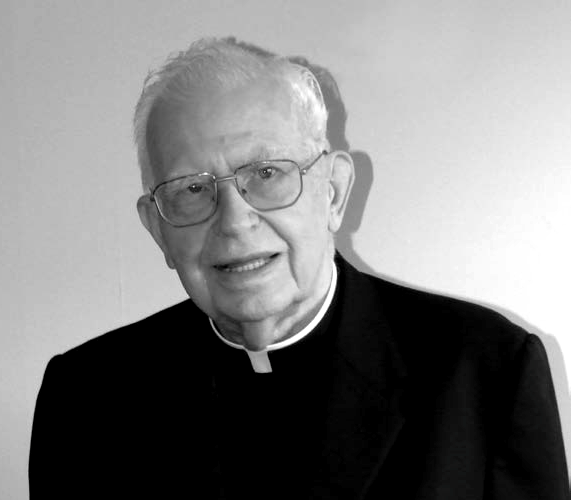
First Holy Communion: Sermon from May 16, 1943
Here is a sermon from the good old days by +Rev. Msgr. Vincent Nicholas Foy (August 14, 1915 – March 13, 2017), from 1943. Readers may recall that Pope Saint Pius X, by the decree Quam Singulari in 1910, lowered the customary age of reception of Holy Communion – after the rigours of the plague[…]Continue reading→
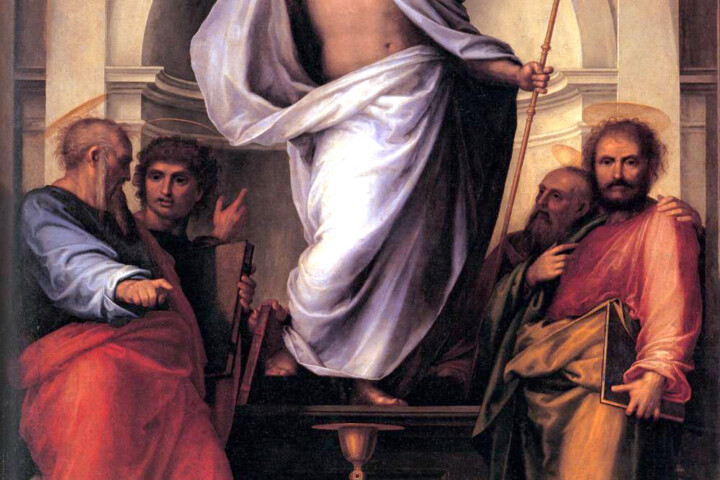
In the Glorious Light of Easter, Alleluia!
Set your minds on things that are above, not on things that are on earth, for you have died, and your life is hidden with Christ in God. When Christ who is your life is revealed, then you also will be revealed with him in glory (Col. 3:3-4). The Resurrection of Our Lord and Saviour[…]Continue reading→
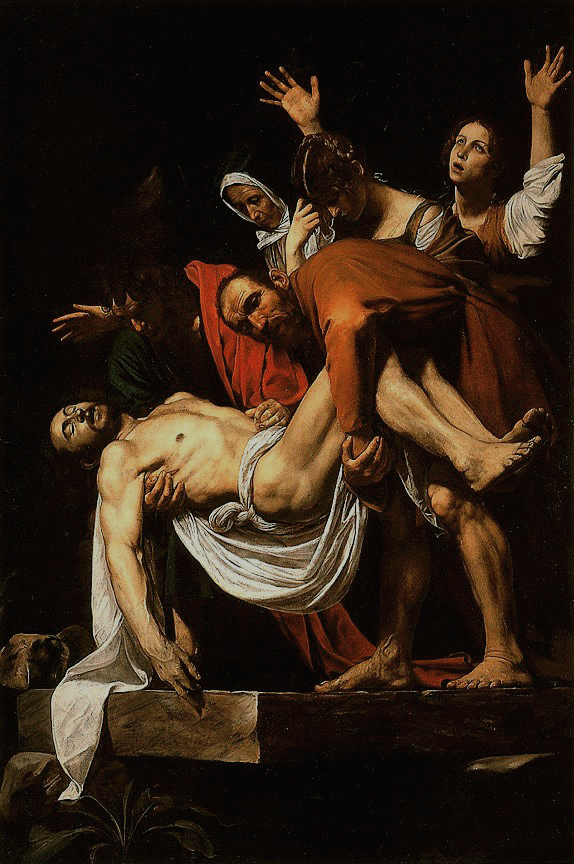
An Ancient Homily for Holy Saturday
The time between Good Friday and Easter Sunday is one of waiting, in silence, as the world wonders – anticipates – what will happen, after the death of Christ. We re-live this time each year in the anamnesis of our liturgy, and in turn look forward to the glorious re-creation of all things at the[…]Continue reading→
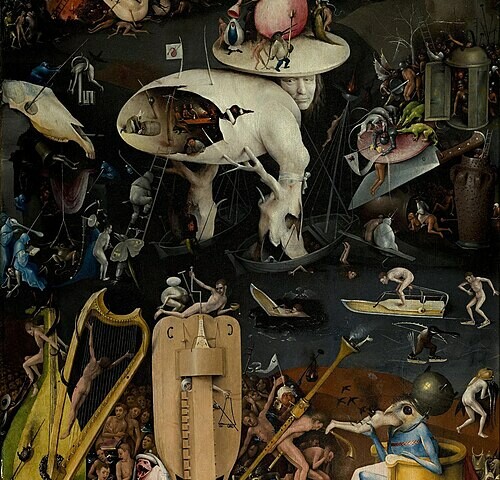
Europe’s Long Descent
(As we meditate on this day on Christ’s burial, and His descent into hell, it is fitting to ponder here with contributor Peter Marcus how the world seems to be heading there as well. The difference is that, although God cannot ‘redeem’ hell, nor those therein, He can and did redeem the world. There is[…]Continue reading→
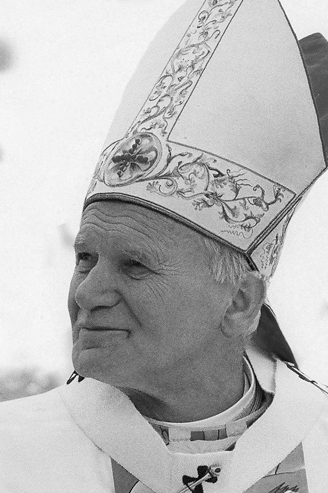
Pope Saint John Paul II’s First Good Friday Homily
ADDRESS OF HIS HOLINESS JOHN PAUL II AT THE CONCLUSION OF THE STATIONS OF THE CROSS AT THE COLOSSEUM Good Friday, 13 April 1979 When we make the Way of the Cross from one station to the next, in spirit we are always at the spot wherethis journey had its “historical” place: where it[…]Continue reading→
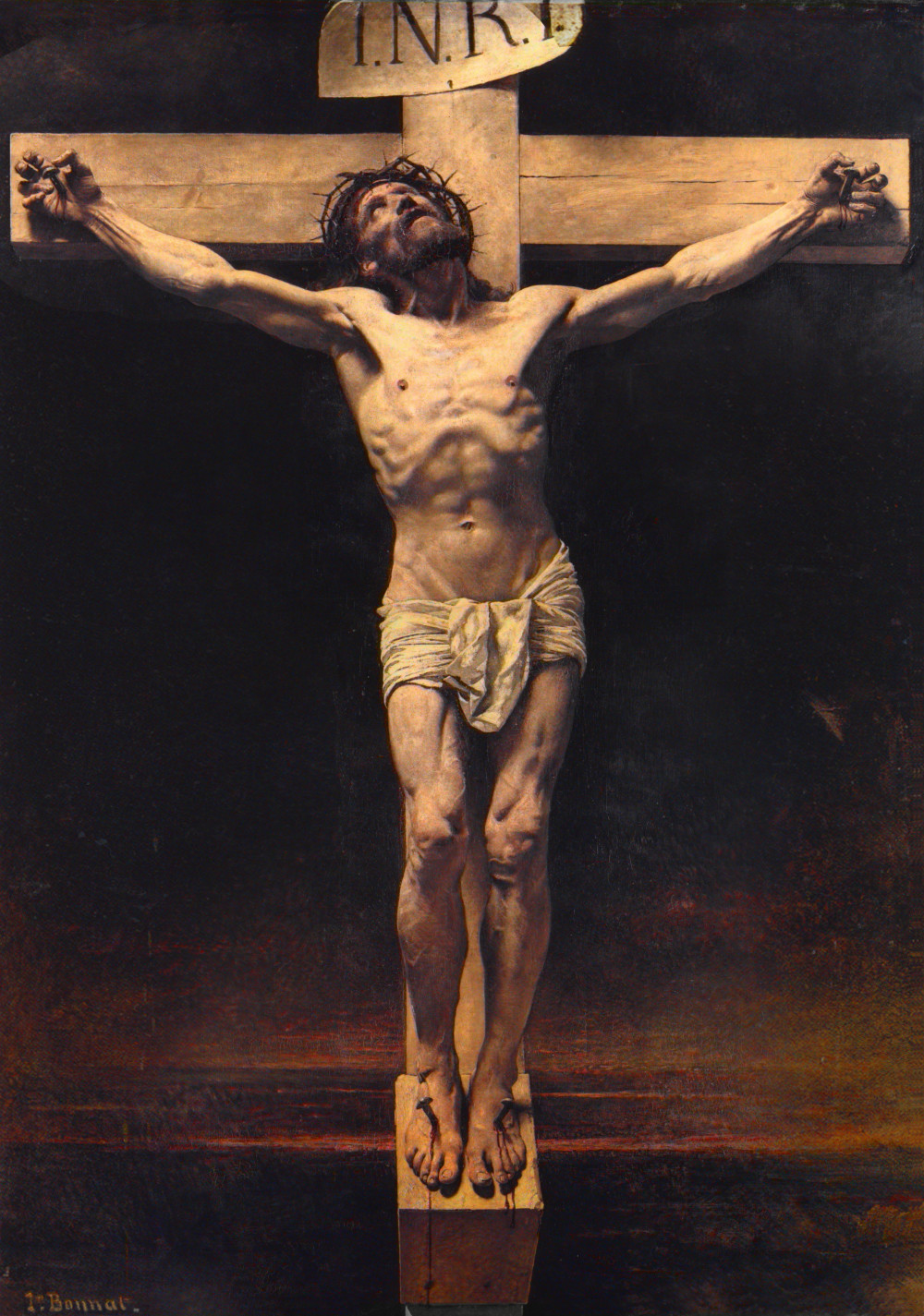
A Meditation for Good Friday: How To Undo the Effects of Sin?
Cardinal Newman, now Saint John Henry Newman, was a towering figure of nineteenth-century Catholicism who is almost universally admired. I say “almost” because not everyone likes him. I knew a priest once, Arthur Caulkins, who has become disenchanted with Newman. As an undergraduate Arthur had been enamoured of Newman, and this interest continued when he[…]Continue reading→
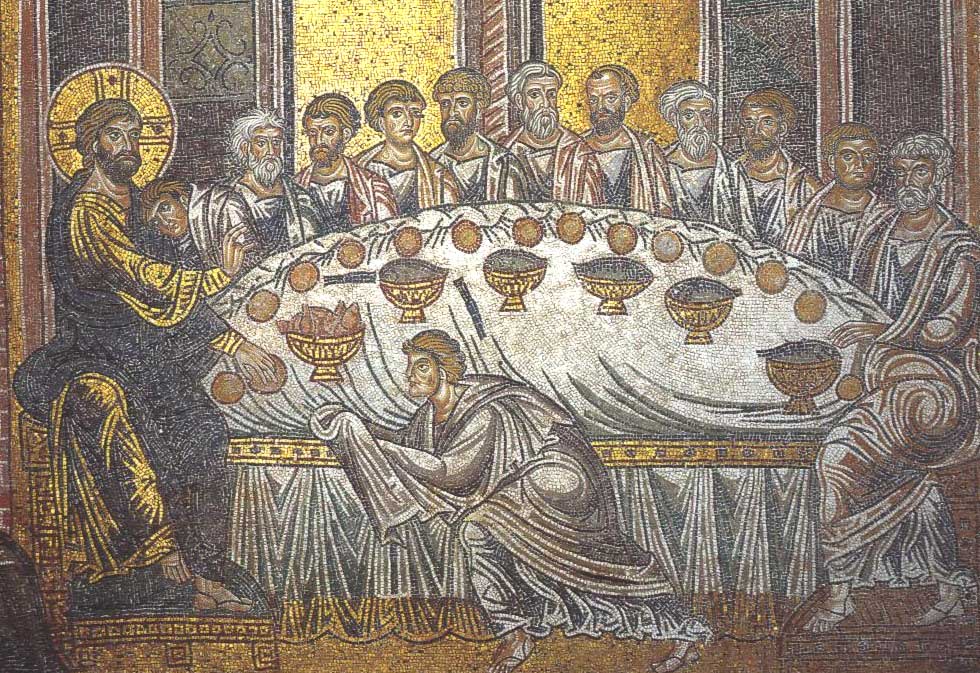
Pope Benedict’s Last Holy Thursday Homily
MASS OF THE LORD’S SUPPER HOMILY OF HIS HOLINESS BENEDICT XVI Basilica of St John Lateran Holy Thursday, 5 April 2012 Photo Gallery (Video) Dear Brothers and Sisters! Holy Thursday is not only the day of the institution of the Most Holy Eucharist, whose splendour bathes all else and in some ways draws it to[…]Continue reading→