
Baptism and Hearing the Word of God
‘Ephphatha,’ that is ‘Be opened.’ And immediately the man’s ears were opened, his tongue was released, and he spoke plainly (Mk. 6:51). ⧾
At the celebration of the Sacrament of Baptism for Children this miracle is ritually recalled in what is known as the rite of Ephphatha. The celebrant touches the mouth and the ears of the child with his thumb and says, The Lord Jesus made the deaf hear and the mute speak. May he soon touch your ears to receive his word and your mouth to proclaim his faith, to the praise and glory of God the Father. Amen. At the very beginning of our life of grace we are reminded that the word of God is received for a reason – that it may be proclaimed. The form that this proclamation takes varies; but the purpose of this proclamation is a progressive evangelization of our lives so that we may fully live what we proclaim. In all our efforts to proclaim the word of God, whether in the sacred liturgy, in our own prayer with Sacred Scripture, or in what is known as lectio divina, sacred reading, the desired goal is that the word of Christ may dwell in us (Col. 3:16) and that we may be doers of the word and not just hearers (Jas. 1:22).
Our Lord said to those who believed in Him: If you continue in my word, you are truly my disciples, and you will know the truth and the truth will set you free (Jn. 8:31-32). We believe in Him and because we wish to continue in His word; that is, we seek to enter evermore deeply into the meaning of the word of God so that in the words of the Psalmist it may be a lamp for [our] steps and a light for [our] path. (Ps. 119:105). The author of the Epistle to the Hebrews declares: For the word of God is living and active, sharper than any two-edged sword, piercing to the division of soul and spirit, of joints and marrow, and discerning the thoughts and intentions of the heart (4:12). There is power in God’s word and by this power we are able to discern and understand the signs of our times in a manner that is not accessible to those who do not believe in the inerrancy of Sacred Scripture. At the Last Supper, in His high priestly prayer, Our Lord prayed for those who would follow Him throughout the ages: ‘Sanctify them in the truth. Thy word is truth’ (Jn. 17:17). By God’s grace, we stand in the truth of God’s word in the assurance that God will not allow us to be deceived. Our instruction in the Gospel is always ongoing and in this sense, we are truly always disciples. We are men and women, young and old, constantly seeking to understand the word of the Lord which abides for ever (cf. 1 Pet. 1:25). This Word is the foundation of our faith and the light of our lives. By entering into a loving dialogue with God’s living Word we endeavour to bring this word to bear on the circumstances of our lives; and in this manner we exercise a prophetic office and service to both believers and unbelievers alike.
This journey of faith that began with our Baptism requires of each one of us one thing alone: a heart that allows itself to be shaped by the healing and transforming grace of God. St. Paul says that faith comes from what is heard, and what is heard comes by the preaching of Christ (Rom. 10:17). All instruction, including instruction in the faith, presupposes attentiveness, an open mind and docile heart. As Christians, we seek quite simply to learn Christ so that we may have the mind of Christ (1 Cor. 2:16) and so credibly live Christ.
All of us must seek to approach the word of God with reverence; that is, with a sobriety of spirit that recognises that the word of God is not like any other word. St. Paul exhorts us: let the word of Christ dwell in you richly, teach and admonish one another in all wisdom (Col. 3:16). An early Christian saint, Caeserius of Arles (d. 542), said that one who listens negligently to God’s word is just as guilty as one who through carelessness allows Christ’s body to fall to the ground.
Ours is a very noisy world, filled perhaps with too many words. It may be said that our condition is the opposite of that of the man in the Gospel who was brought to Jesus because he was deaf and had an impediment in his speech. Our lives are filled with words, many of them empty. In the midst of all this noise and all these words, people are alienated not only from God but also from others and even from themselves. The words of the Prophet Isaiah seem to describe the alienation that is felt and experienced by many in our noisy world. My people go into exile for want of knowledge (5:13). It may very well be that the noise and din of so many words has caused us to turn a deaf ear to the word of God which is living and active… discerning the thoughts and intentions of the heart (Heb. 4:12). Our call to Christian discipleship invites us to enter into a dialogue with the word of God. This Word (Logos) contains a logic that can and does give meaning and purpose to our lives – and not our lives alone; for history proves that following Christ is the greatest good for man. Our faithful witness is especially needed at this time in history.
‘Ephphatha,’ that is ‘Be opened.’ Let us open our hearts and minds today to the power and wisdom of the word of God; for there is nothing more beautiful than to be surprised by the Gospel, by the encounter with Christ. There is nothing more beautiful than to know Him and to speak to others of our friendship with Him. (Pope Benedict XVI). ⧾

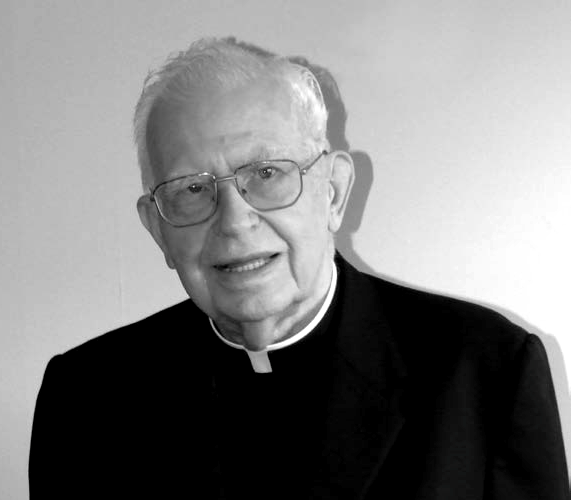
Remembering Father Alphonse de Valk
(Today marks the sixth anniversary of the death of Father Alphonse de Valk, C.S.B., a faithful, courageous and indefatigable Basilian priest, pro-life-and-family apostle, and the founder of Catholic Insight magazine. Here is what we wrote those on his entering into eternity five years ago, as we continue to remember him in our prayers and thoughts)[…]Continue reading→

Divine Mercy Sunday – An Echo of Every Mass
Reach out your hand and put it in my side. Do not doubt but believe’… ‘My Lord and my God!’ (Jn. 20:18)). Today is Divine Mercy Sunday, and as we celebrate the end of the Easter Octave, we contemplate the wounded side of our Saviour, the Church’s source of life. On Good Friday in the[…]Continue reading→

Saint Stanislaus of Szczepanów
We celebrate Saint Stanislaus today (+ April 11, 1079), in light of this Easter Octave, a bishop and martyr who accepted the episcopacy only at the direct order of Pope Alexander II. He proved a wise and courageous leader of his flock, put to death by his own king, Boleslaus, for rebuking the monarch’s ‘immoral[…]Continue reading→
First Holy Communion: Sermon from May 16, 1943
Here is a sermon from the good old days by +Rev. Msgr. Vincent Nicholas Foy (August 14, 1915 – March 13, 2017), from 1943. Readers may recall that Pope Saint Pius X, by the decree Quam Singulari in 1910, lowered the customary age of reception of Holy Communion – after the rigours of the plague[…]Continue reading→
In the Glorious Light of Easter, Alleluia!
Set your minds on things that are above, not on things that are on earth, for you have died, and your life is hidden with Christ in God. When Christ who is your life is revealed, then you also will be revealed with him in glory (Col. 3:3-4). The Resurrection of Our Lord and Saviour[…]Continue reading→
An Ancient Homily for Holy Saturday
The time between Good Friday and Easter Sunday is one of waiting, in silence, as the world wonders – anticipates – what will happen, after the death of Christ. We re-live this time each year in the anamnesis of our liturgy, and in turn look forward to the glorious re-creation of all things at the[…]Continue reading→
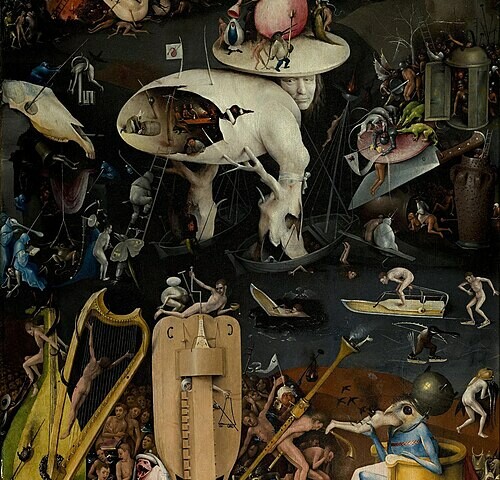
Europe’s Long Descent
(As we meditate on this day on Christ’s burial, and His descent into hell, it is fitting to ponder here with contributor Peter Marcus how the world seems to be heading there as well. The difference is that, although God cannot ‘redeem’ hell, nor those therein, He can and did redeem the world. There is[…]Continue reading→
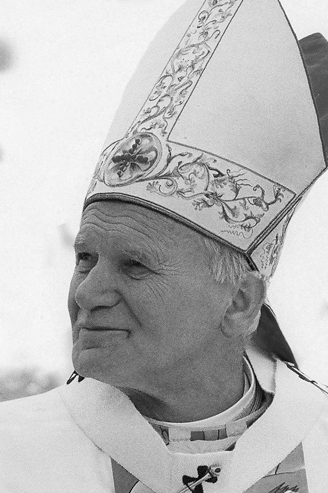
Pope Saint John Paul II’s First Good Friday Homily
ADDRESS OF HIS HOLINESS JOHN PAUL II AT THE CONCLUSION OF THE STATIONS OF THE CROSS AT THE COLOSSEUM Good Friday, 13 April 1979 When we make the Way of the Cross from one station to the next, in spirit we are always at the spot wherethis journey had its “historical” place: where it[…]Continue reading→
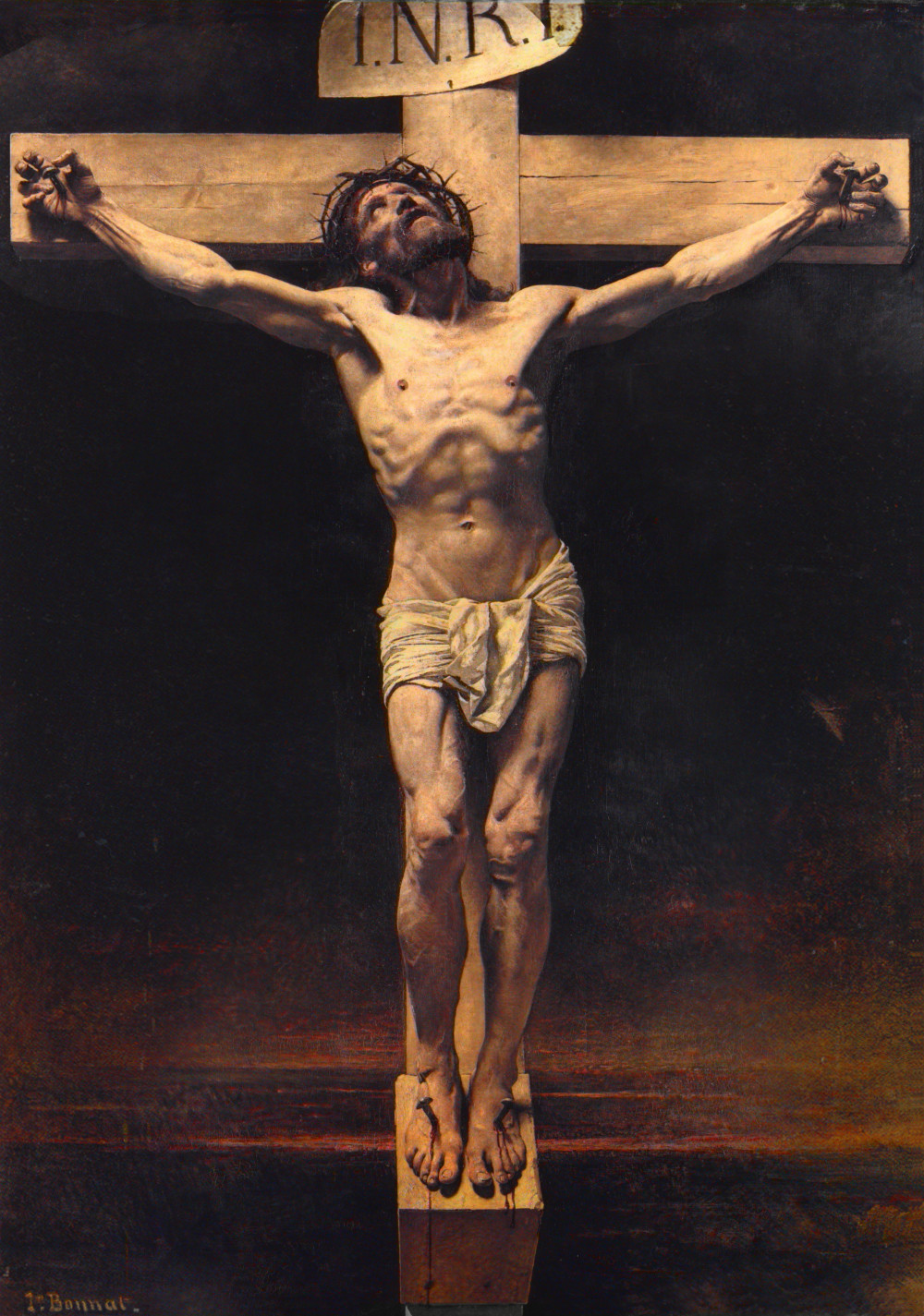
A Meditation for Good Friday: How To Undo the Effects of Sin?
Cardinal Newman, now Saint John Henry Newman, was a towering figure of nineteenth-century Catholicism who is almost universally admired. I say “almost” because not everyone likes him. I knew a priest once, Arthur Caulkins, who has become disenchanted with Newman. As an undergraduate Arthur had been enamoured of Newman, and this interest continued when he[…]Continue reading→
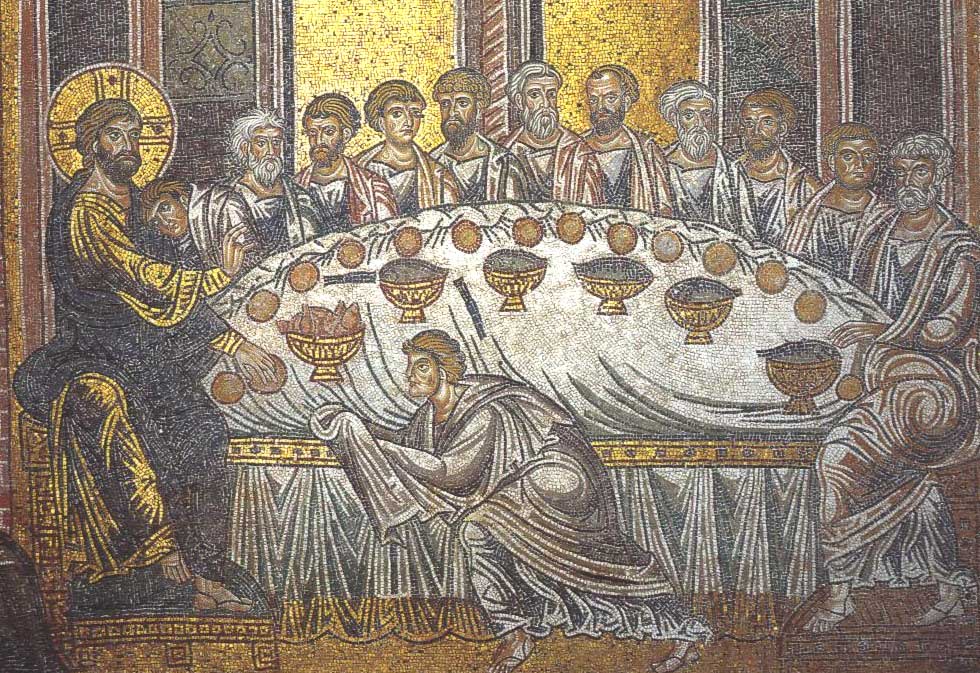
Pope Benedict’s Last Holy Thursday Homily
MASS OF THE LORD’S SUPPER HOMILY OF HIS HOLINESS BENEDICT XVI Basilica of St John Lateran Holy Thursday, 5 April 2012 Photo Gallery (Video) Dear Brothers and Sisters! Holy Thursday is not only the day of the institution of the Most Holy Eucharist, whose splendour bathes all else and in some ways draws it to[…]Continue reading→