
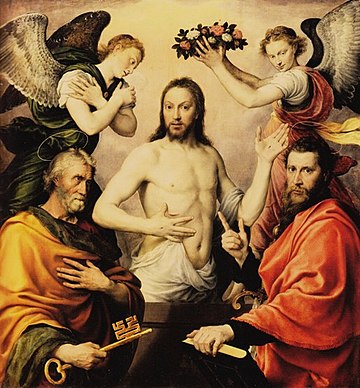
Thou Art Christ, Son of the Living God
Who do people say that the Son of Man is? (Mt. 16:16) ⧾
You are the Christ, the Son of the living God (Mt. 16:16). St. Peter’s definitive response to Our Lord’s question is the foundation of the Christian faith; and it is no less the foundation of the Church’s life and mission. Christians are so called because we believe in the divinity of Christ; namely, that Jesus Christ is the Only Begotten Son of God, born of the Father before all ages. God from God, Light from Light true God from true God, begotten, not made, consubstantial with the Father (The Nicene Creed). This affirmation is the leaven of Christians; the teaching upon which all of the Church’s doctrines are based; and for this reason we bear His Holy Name, we are Christians.
St. Peter’s confession of faith is no less an act of worship for if we acknowledge the truth of God’s existence it necessarily follows that we must also worship Him above all else. The true believer practises what he believes (St. Gregory the Great) and so, in the year 64 or 67 A.D., St Peter witnessed to the truth of his confession of faith and worship by his martyrdom. This was no less true of St. Paul, the Apostle to the Gentiles who declared: Indeed I count everything as loss because of the surpassing worth of knowing Christ Jesus my Lord (Phil. 3:8). These two champions of our faith and the multitude of believers who have faithfully and even heroically followed Our Lord teach us by their example that worship must always involve the offering of a sacrifice. Self-giving, self-sacrificing love is the defining characteristic of the authentic Christian and Our Lord has left us the Eucharistic Sacrifice both as an affirmation of the truth of His identity as the Son of the living God, and as the means by which we can grow in our knowledge of the mind and heart of Christ.
The prayer and self-denial or sacrifices that accompany our act of faith ensure that our knowledge of the Mystery of Christ is correct or orthodox, to use a Christian adjective. You may know that the first great crisis in the Church was what is known as the Arian heresy; so named because of the heretic priest named Arius who claimed that Our Lord Jesus Christ was an exceptional human being but not God. The Council of Nicaea was convened to deal with this crisis and the Nicene Creed that we recite every Sunday is a clear and concise expression of the orthodox, Catholic belief in Our Lord’s divinity. The great defender of this doctrine was St. Athanasius, Bishop of Alexandria in Egypt. His episcopacy spanned forty-five years, of which seventeen encompassed five exiles – all because of his defence of orthodox Christian teaching.
Just as Our Lord’s divinity was rejected by the religious authorities of His day, so this great defender of the truth of Our Lord’s divinity suffered rejection and persecution on the part of both the civil and ecclesiastical powers of his time. There really is nothing new under the sun. This pattern of rejection, persecution, exile and even martyrdom is the cost of discipleship. Divine Providence permits that some individuals or saints experience all the bitterness of Our Lord’s rejection as well as the bitterness of the Church’s agony in Gethsemane. In our time the Church is undergoing her own passion and unlike the apostles who slept while Our Lord prayed, we must watch and pray and also imitate the steadfastness of Our Lady and St John at the foot of the Cross.
To deny the divinity of Our Lord is an act of betrayal and a rejection of the Christian Faith. You are the Christ, the Son of the living God (Mt. 16:16). This is what we believe and hold. And I tell you, you are Peter, and on this rock I will build my church, and the gates of Hades will not prevail against it (Mt. 16:18). Our Lord established the Church on the rock of St. Peter’s confession: We who share the faith of St. Peter are members of the household of God, built upon the foundation of the apostles and prophets, Christ Jesus himself being the cornerstone, in whom the whole structure is joined together and grown into a holy temple in the Lord (Eph. 2:20-21). In his first epistle St. Peter employs the same metaphor or image: Come to him, to that living stone, rejected by men but in God’s sight chosen and precious; and like living stones be yourselves built into a spiritual house, to be a holy priesthood, to offer spiritual sacrifices acceptable to God through Jesus Christ (1 Pet. 2: 45).
The invitation is timeless. Sunday after Sunday we make our way to assist at the Holy Sacrifice of the Mass because we also have come to know and believe that Jesus Christ is the Son of the living God and perhaps also because we may have strayed; and having returned to Our Lord, we have made our own these words of the Apostle Peter: Lord, to whom shall we go? You have the words of eternal life; and we have believed and have come to know, that you are the Holy One of God (Jn. 6: 68-69). This knowledge is the source of our never ending renewal and growth as disciples of Our Lord, and as the Church of God. The source of the Church’s vibrancy and effectiveness in calling all people to salvation in Christ in every age is the confession of faith that St. Peter made in the district of Caesarea Philippi: You are the Christ, the Son of the living God (Mt. 16:16). This is the foundation upon which the whole structure of the Church is founded and for this reason St. Peter’s confession of faith is followed by the promise which makes us secure in our Catholic faith. And I tell you, you are Peter, and on this rock I will build my Church, and the gates of Hades will not prevail against it. (Mt. 16:18). Provided we remain steadfast in this faith, and uphold and defend the integrity of the faith, no enemy of the faith, whoever and wherever they be, will overwhelm us.
Every heresy or error in the Church is ultimately bound to a denial of this truth about Christ Our Lord. We submit in faith to Christ Our Lord because He speaks to us not as a mere man but with His divine voice as God. If our history teaches us anything it teaches us that whenever our Christology (that is, our belief in the truth about Our Lord Jesus Christ) is impoverished in any way, the Church grows weak. Whenever this fundamental Christian truth is affirmed or reaffirmed the Church is reinvigorated. In addition to clear and unambiguous teaching about this fundamental truth, there is no better affirmation and defence of it than attendance at Holy Mass every Sunday and by extension, Eucharistic Adoration. These are the most effective means of evangelization; and this is why the restoration of the Church will only come about through the restoration of the Mass.
The divinity of Our Lord which we affirm in the Creed, in the Eucharistic Sacrifice, in the observance of His moral law and in our life of prayer and of piety is the foundation upon which we seek to establish and restore all things in Christ (instaurare omnia in Christo) as did Pope St. Pius X, whose memory we kept on Friday. I am edified by the large numbers at our Thursday Adoration and again, I encourage all of you to join in the Crusade of Eucharistic Reparation called for by Bishop Athanasius Schneider. The Bishop proposes that each Catholic promise to offer monthly at least one full hour of Eucharistic adoration, either before the Blessed Sacrament in the tabernacle or before the Blesses Sacrament exposed in the monstrance. In Our Lord’s Eucharistic Presence our profound worship and devotion declare: You are the Christ, the Son of the living God (Mt. 16:16). ⧾

Remembering Father Alphonse de Valk
(Today marks the sixth anniversary of the death of Father Alphonse de Valk, C.S.B., a faithful, courageous and indefatigable Basilian priest, pro-life-and-family apostle, and the founder of Catholic Insight magazine. Here is what we wrote those on his entering into eternity five years ago, as we continue to remember him in our prayers and thoughts)[…]Continue reading→

Divine Mercy Sunday – An Echo of Every Mass
Reach out your hand and put it in my side. Do not doubt but believe’… ‘My Lord and my God!’ (Jn. 20:18)). Today is Divine Mercy Sunday, and as we celebrate the end of the Easter Octave, we contemplate the wounded side of our Saviour, the Church’s source of life. On Good Friday in the[…]Continue reading→

Saint Stanislaus of Szczepanów
We celebrate Saint Stanislaus today (+ April 11, 1079), in light of this Easter Octave, a bishop and martyr who accepted the episcopacy only at the direct order of Pope Alexander II. He proved a wise and courageous leader of his flock, put to death by his own king, Boleslaus, for rebuking the monarch’s ‘immoral[…]Continue reading→

First Holy Communion: Sermon from May 16, 1943
Here is a sermon from the good old days by +Rev. Msgr. Vincent Nicholas Foy (August 14, 1915 – March 13, 2017), from 1943. Readers may recall that Pope Saint Pius X, by the decree Quam Singulari in 1910, lowered the customary age of reception of Holy Communion – after the rigours of the plague[…]Continue reading→

In the Glorious Light of Easter, Alleluia!
Set your minds on things that are above, not on things that are on earth, for you have died, and your life is hidden with Christ in God. When Christ who is your life is revealed, then you also will be revealed with him in glory (Col. 3:3-4). The Resurrection of Our Lord and Saviour[…]Continue reading→

An Ancient Homily for Holy Saturday
The time between Good Friday and Easter Sunday is one of waiting, in silence, as the world wonders – anticipates – what will happen, after the death of Christ. We re-live this time each year in the anamnesis of our liturgy, and in turn look forward to the glorious re-creation of all things at the[…]Continue reading→

Europe’s Long Descent
(As we meditate on this day on Christ’s burial, and His descent into hell, it is fitting to ponder here with contributor Peter Marcus how the world seems to be heading there as well. The difference is that, although God cannot ‘redeem’ hell, nor those therein, He can and did redeem the world. There is[…]Continue reading→
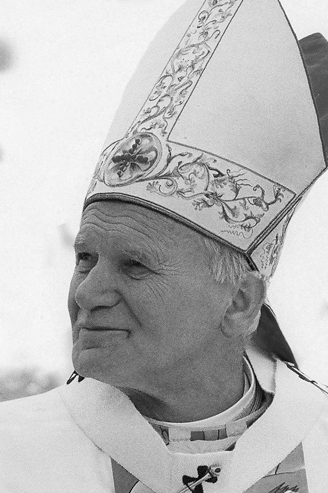
Pope Saint John Paul II’s First Good Friday Homily
ADDRESS OF HIS HOLINESS JOHN PAUL II AT THE CONCLUSION OF THE STATIONS OF THE CROSS AT THE COLOSSEUM Good Friday, 13 April 1979 When we make the Way of the Cross from one station to the next, in spirit we are always at the spot wherethis journey had its “historical” place: where it[…]Continue reading→
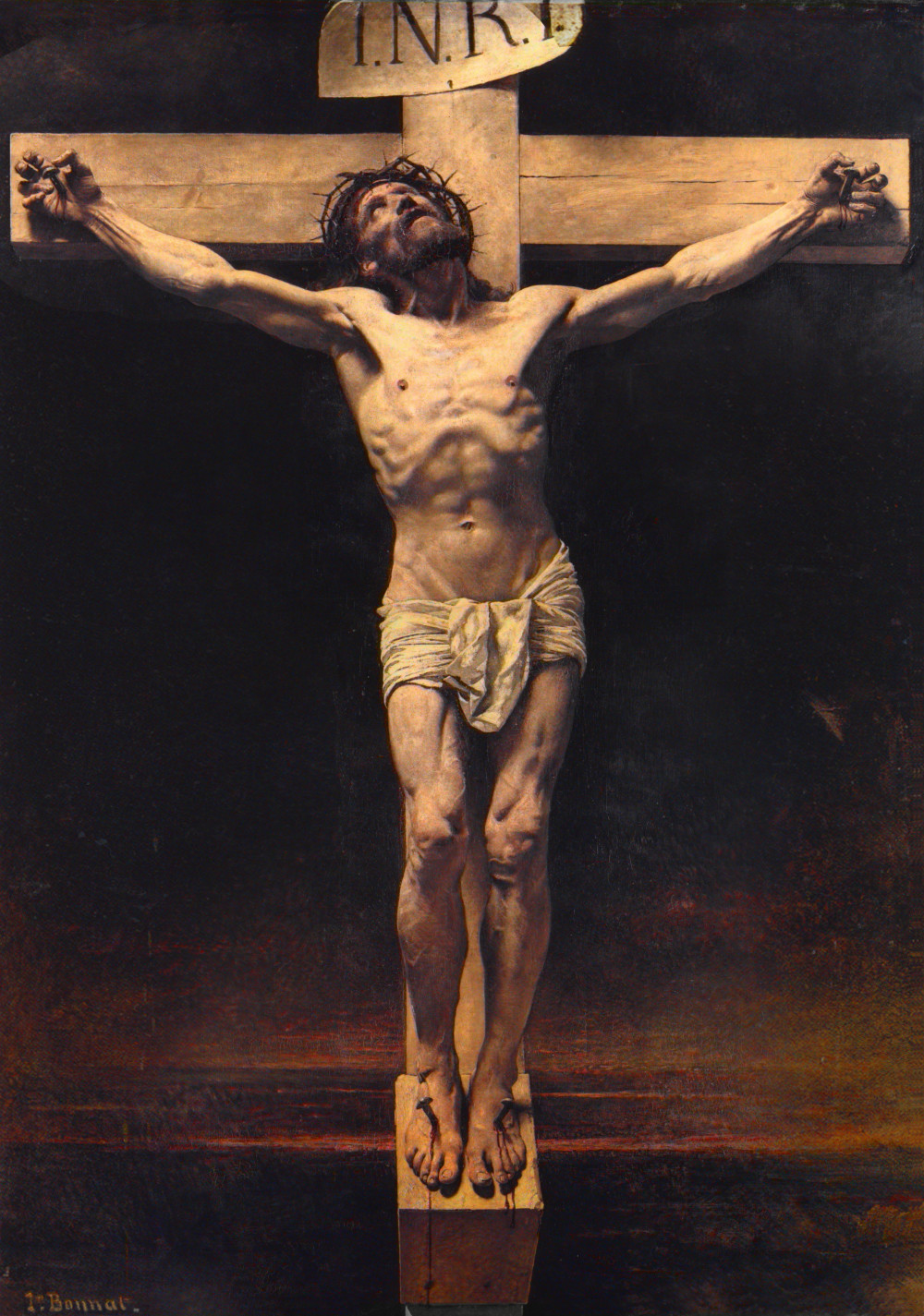
A Meditation for Good Friday: How To Undo the Effects of Sin?
Cardinal Newman, now Saint John Henry Newman, was a towering figure of nineteenth-century Catholicism who is almost universally admired. I say “almost” because not everyone likes him. I knew a priest once, Arthur Caulkins, who has become disenchanted with Newman. As an undergraduate Arthur had been enamoured of Newman, and this interest continued when he[…]Continue reading→
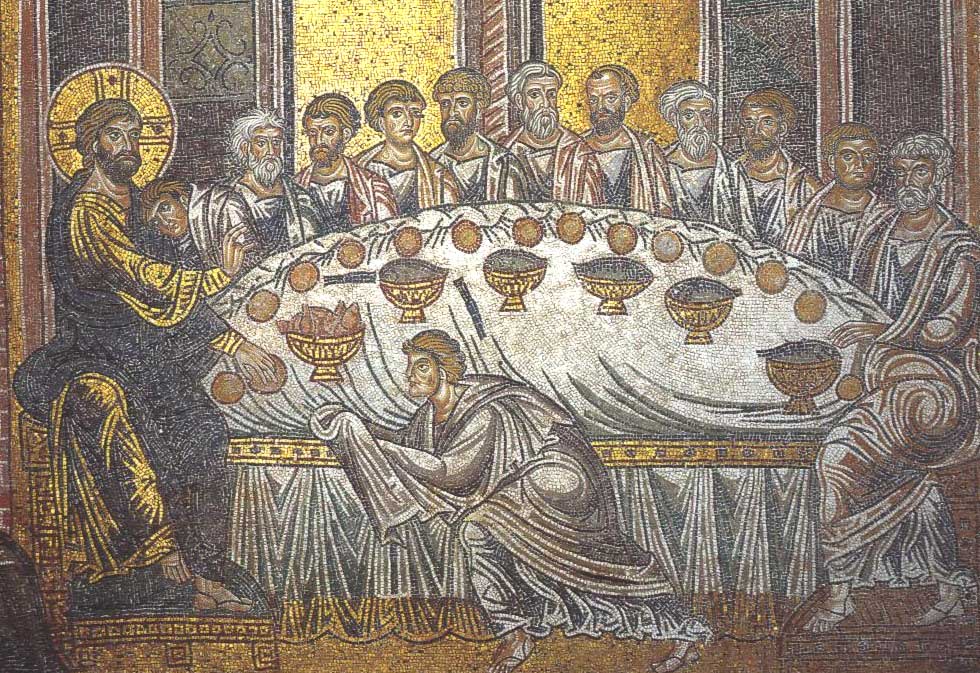
Pope Benedict’s Last Holy Thursday Homily
MASS OF THE LORD’S SUPPER HOMILY OF HIS HOLINESS BENEDICT XVI Basilica of St John Lateran Holy Thursday, 5 April 2012 Photo Gallery (Video) Dear Brothers and Sisters! Holy Thursday is not only the day of the institution of the Most Holy Eucharist, whose splendour bathes all else and in some ways draws it to[…]Continue reading→