
Return From Exile
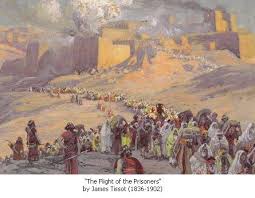
The books of Ezra and Nehemiah are two of the lesser-known books of the Bible, but they are actually very important to understanding God’s plan of salvation, recounting the three waves in which the Jews returned to Judah from their exile in Babylon, which take place over the course of almost 100 years (538 BC – 444 BC).
The book of Ezra begins with King Cyrus, prompted by God, making a decree that the Jews should return to Judah and rebuild the Temple in Jerusalem. He even tells his own people that they should assist the Jews with silver, gold, and other necessities to complete the task, and he returns the vessels that were taken by Nebuchadnezzar from the former Temple. The next several chapters describe how Zerubbabel led the first wave of Jews back to Jerusalem and, despite opposition from those who had taken over the land, rebuilt the Temple. The book also makes reference to the importance of the prophetic ministry of Haggai and Zechariah during the time of rebuilding the Temple.
Following the completion of the Temple (537 BC), Ezra led the second wave of exiles back to Jerusalem. Ezra was a scribe, and he was well educated in the Law. Their journey was perilous because they were travelling without military escort, but Ezra emphasizes that through prayer, fasting, and trusting in the Lord they reached Jerusalem safely. Upon his return, Ezra begins the moral reform of the Jews. He condemns those who married gentile women and calls them to repentance. The fall of Israel began through Solomon’s infidelity to the law; therefore, if they hope to rebuild Israel, they must repent and become faithful to the law.
The third wave of exiles to return was led by Nehemiah. The book of Nehemiah begins by describing his return to Jerusalem and his recognition that God was calling him to lead the people in rebuilding the city walls. He became the governor of Jerusalem and, through obedience to God’s law and despite the opposition of many Jews and enemies of Jerusalem, he rebuilt the walls in 52 days, which was seen by all as a work of God.
The pairing of the reading from Nehemiah with Luke 4:14-21 on the 3rd Sunday in Ordinary Time reminds us that the fullest interpretation of these books is found in Christ Jesus, Who reads from Isaiah, The Spirit of the Lord is upon me, because he has anointed me to preach good news to the poor. He has sent me to proclaim release to the captives and recovery of sight to the blind, to set at liberty those who are oppressed, to proclaim the acceptable year of the Lord (Luke 4:18-19). The exile in Babylon is symbolic of the alienation from God that we experience when we sin. The sins of the Israelites were the cause of their physical exile, but, more importantly, their sins also destroyed their relationship with God. Jesus says, Today this Scripture has been fulfilled in your hearing (Lk 4:21). Jesus reconciles man to God, by bringing us out of our own spiritual exile, and the books of Ezra and Nehemiah show us the structure of that reconciliation.
The return from exile begins with the rebuilding of the Temple in Jerusalem. It is necessary to have a physical centre of prayer and worship that unites and focuses the religion of the people. Individual prayer in their own homes was insufficient to keep the Israelites faithful. They had to repent of having worshipped false idols and resume right religion. Likewise, when we sin, we are tempted to separate ourselves from the rites of the Church. If we are to return to the Lord, we must continue to pray and worship Him according to the rites that He has prescribed; namely, we must repent, go to confession, and resume going to Mass.
The second phase of the return from exile is to become re-acquainted with the Law and begin ascetical practices. The Jews had ceased studying the Word of God, and so they were ignorant of what God had taught them. They were also accustomed to trusting their own power instead of relying on the Lord. The same is true for those who fall into sin and depart from God’s ways. The return requires a discipline of prayer, fasting, and study. If we want to stay close to the Lord, we must know His Word and we must be disciplined. For us that means knowing Scripture and Tradition, and, through prayer and fasting, cultivating the soil of our heart and mind so that the Word will take root. Ignorance of the Bible and ignorance of the teachings that have been passed down to us through the Church is a sure path back into exile. We must know God in order to love Him, and in order to know Him, we must study His Self-Revelation in Scripture and Tradition.
The third phase of the return from exile is rebuilding the walls of Jerusalem. For the Jews, this was the most challenging aspect of the return. Many Jews and gentiles opposed Nehemiah’s efforts. The walls provoked fear because they indicated that the Jews wanted to separate themselves from everyone else. Many people interpreted the walls as a sign of aggression towards outsiders and subversion of imperial authority. Walls remain controversial today, and yet God is telling us that they are essential to the return from exile. Building walls means clearly defining an identity. In order to be Catholic, we must know what is Catholic and what is alien to Catholicism. Nehemiah makes clear that the walls aren’t an impenetrable barrier – there are gates! However, the gates are guarded and there is discretion regarding what is allowed in and out of the city. Being a true Catholic doesn’t mean totally closing ourselves off from outside influences, but it does mean being as vigilant as a soldier in guarding our hearts and minds against what is foreign to Christ and His Church.
Once again, Christ is the path from exile back to God. He is the New Temple – Through the Sacraments we enter the Temple and are united to Christ. He is the Word made flesh – Through prayer, fasting, and study, we come to know and love the Word. His bride, the Church, is the New Jerusalem – We must know what is and is not Catholic. The Apostle John says in Revelation, “[The New Jerusalem] had a great, high wall, with twelve gates, and at the gates twelve angels” (Rev 21:12). This is the structure of our return from exile.

Remembering Father Alphonse de Valk
(Today marks the sixth anniversary of the death of Father Alphonse de Valk, C.S.B., a faithful, courageous and indefatigable Basilian priest, pro-life-and-family apostle, and the founder of Catholic Insight magazine. Here is what we wrote those on his entering into eternity five years ago, as we continue to remember him in our prayers and thoughts)[…]Continue reading→

Divine Mercy Sunday – An Echo of Every Mass
Reach out your hand and put it in my side. Do not doubt but believe’… ‘My Lord and my God!’ (Jn. 20:18)). Today is Divine Mercy Sunday, and as we celebrate the end of the Easter Octave, we contemplate the wounded side of our Saviour, the Church’s source of life. On Good Friday in the[…]Continue reading→

Saint Stanislaus of Szczepanów
We celebrate Saint Stanislaus today (+ April 11, 1079), in light of this Easter Octave, a bishop and martyr who accepted the episcopacy only at the direct order of Pope Alexander II. He proved a wise and courageous leader of his flock, put to death by his own king, Boleslaus, for rebuking the monarch’s ‘immoral[…]Continue reading→
First Holy Communion: Sermon from May 16, 1943
Here is a sermon from the good old days by +Rev. Msgr. Vincent Nicholas Foy (August 14, 1915 – March 13, 2017), from 1943. Readers may recall that Pope Saint Pius X, by the decree Quam Singulari in 1910, lowered the customary age of reception of Holy Communion – after the rigours of the plague[…]Continue reading→
In the Glorious Light of Easter, Alleluia!
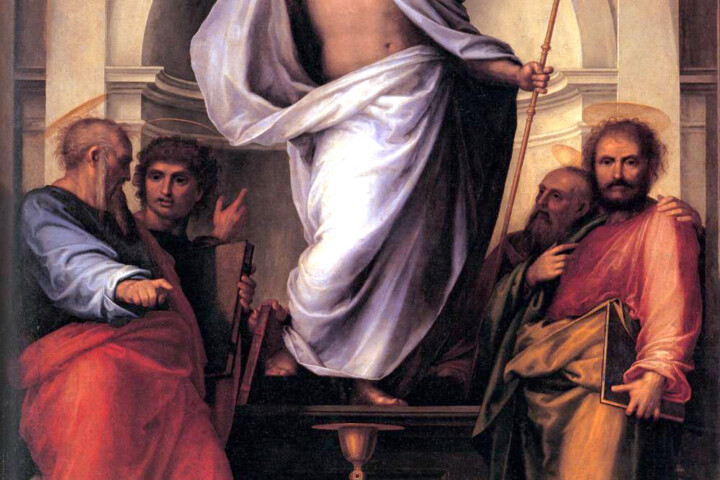
Set your minds on things that are above, not on things that are on earth, for you have died, and your life is hidden with Christ in God. When Christ who is your life is revealed, then you also will be revealed with him in glory (Col. 3:3-4). The Resurrection of Our Lord and Saviour[…]Continue reading→
An Ancient Homily for Holy Saturday
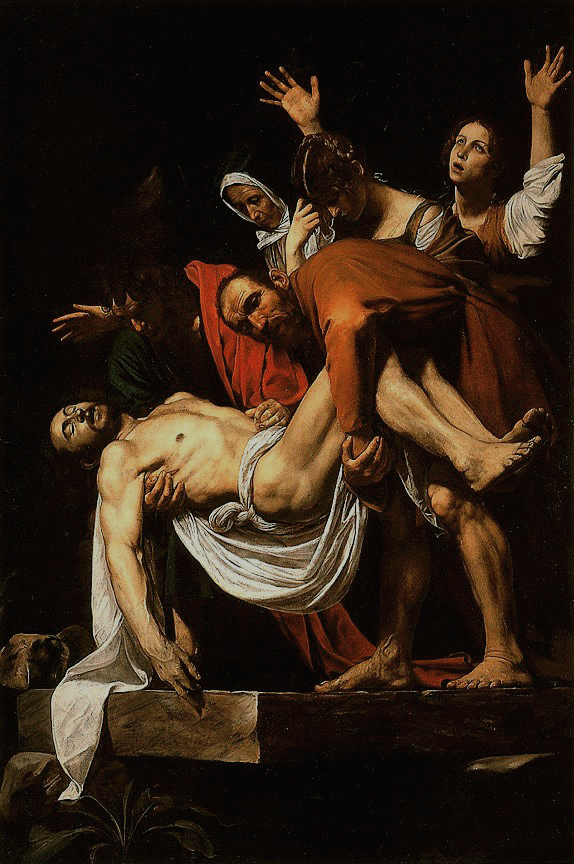
The time between Good Friday and Easter Sunday is one of waiting, in silence, as the world wonders – anticipates – what will happen, after the death of Christ. We re-live this time each year in the anamnesis of our liturgy, and in turn look forward to the glorious re-creation of all things at the[…]Continue reading→
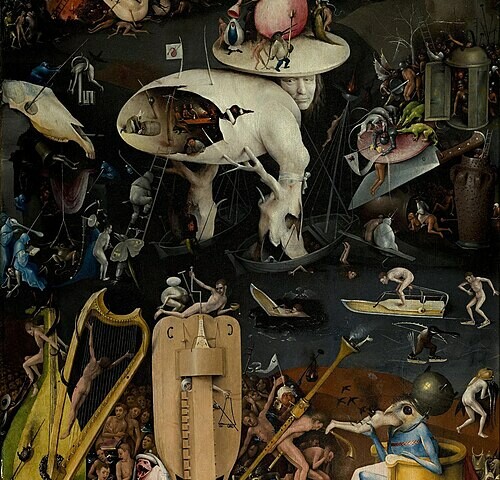
Europe’s Long Descent
(As we meditate on this day on Christ’s burial, and His descent into hell, it is fitting to ponder here with contributor Peter Marcus how the world seems to be heading there as well. The difference is that, although God cannot ‘redeem’ hell, nor those therein, He can and did redeem the world. There is[…]Continue reading→
Pope Saint John Paul II’s First Good Friday Homily
ADDRESS OF HIS HOLINESS JOHN PAUL II AT THE CONCLUSION OF THE STATIONS OF THE CROSS AT THE COLOSSEUM Good Friday, 13 April 1979 When we make the Way of the Cross from one station to the next, in spirit we are always at the spot wherethis journey had its “historical” place: where it[…]Continue reading→
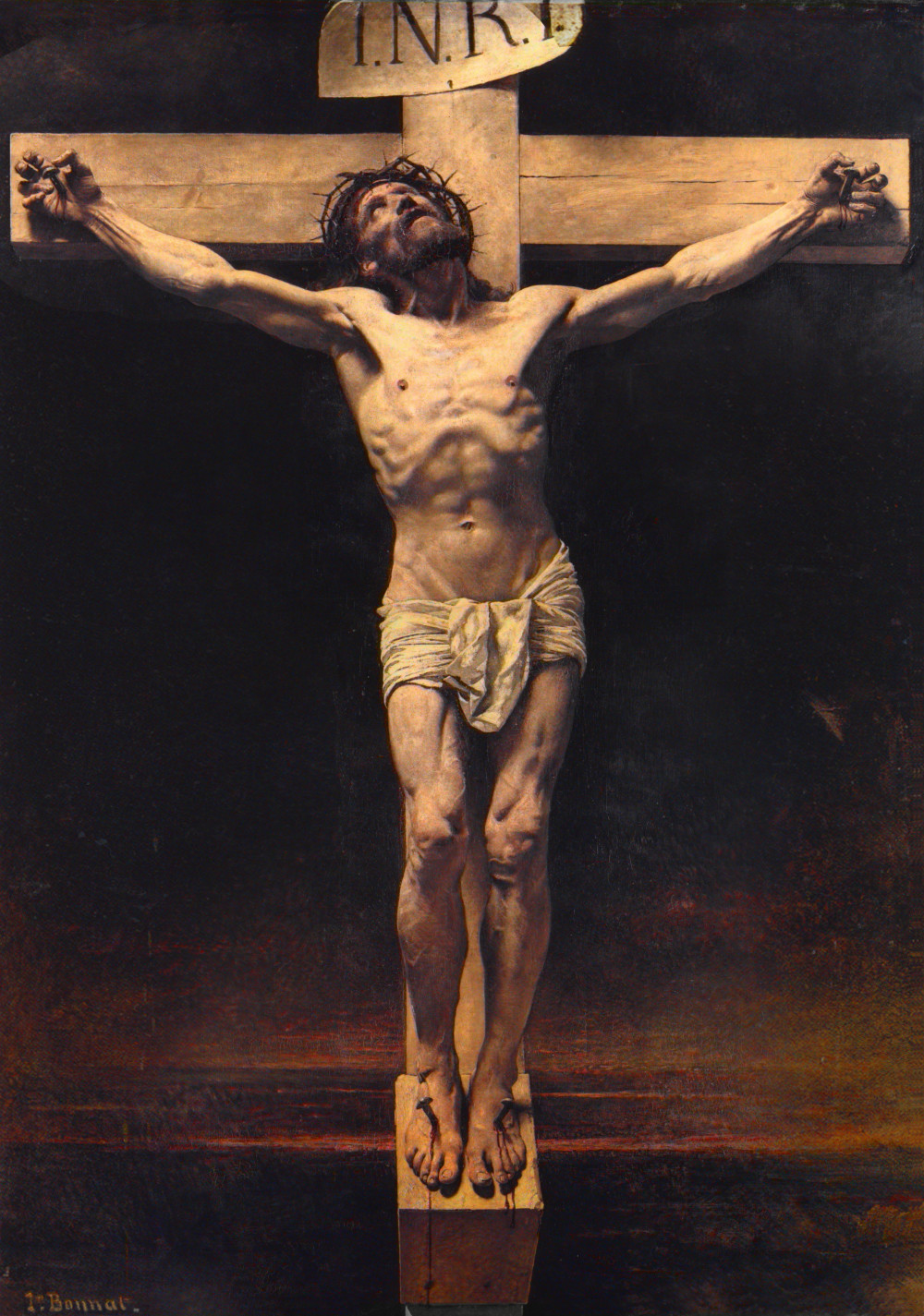
A Meditation for Good Friday: How To Undo the Effects of Sin?
Cardinal Newman, now Saint John Henry Newman, was a towering figure of nineteenth-century Catholicism who is almost universally admired. I say “almost” because not everyone likes him. I knew a priest once, Arthur Caulkins, who has become disenchanted with Newman. As an undergraduate Arthur had been enamoured of Newman, and this interest continued when he[…]Continue reading→
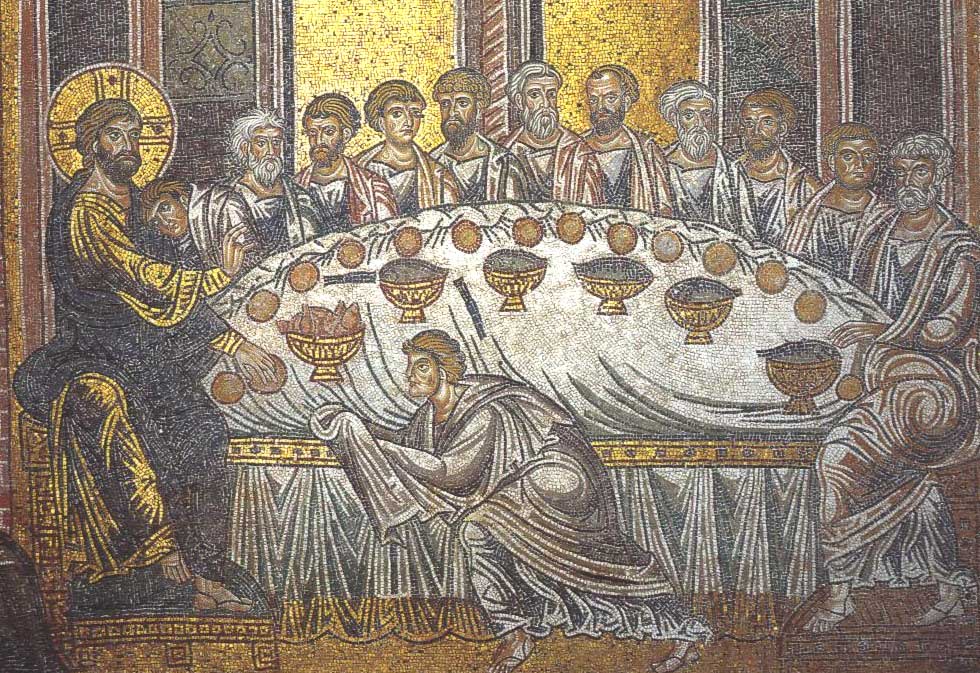
Pope Benedict’s Last Holy Thursday Homily
MASS OF THE LORD’S SUPPER HOMILY OF HIS HOLINESS BENEDICT XVI Basilica of St John Lateran Holy Thursday, 5 April 2012 Photo Gallery (Video) Dear Brothers and Sisters! Holy Thursday is not only the day of the institution of the Most Holy Eucharist, whose splendour bathes all else and in some ways draws it to[…]Continue reading→