
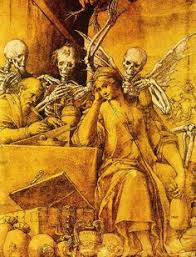
Evil Intentions
For from within, out of the heart of man, come evil intentions: fornication, theft, murder, adultery, avarice, wickedness, deceit, licentiousness, envy, slander, pride, folly. All these evil things come from within, and they defile a man. Mar 7:21-23
As I read this passage from the Gospel last Sunday, I tried to emphasize the list of “evil intentions” that Jesus says can “defile a person, and I did so for two reasons. First the catalogue of vices gains intensity by their being juxtaposed: the conglomeration of these evils makes an especially repellent impression on the hearer. But also you should know that lists are important in the Bible; they’re everywhere: ten commandments, seven gifts of the Holy Spirit, eight beatitudes and many others, as when Saint Paul identifies fifteen “works of the flesh” which he contrasts with nine “fruits of the Spirit” (Gal 5.19 ff). Such lists are not random, but the result of a long period of sifting and arranging the text. Hence, as Saint Augustine reminds us, every word is significant. Saint Jerome goes further, in that he sees in the very order of the words a clue to their meaning (Ep. 57). It behooves us, then, to take a close look at the evils that Jesus says defile the human person. There are twelve vices in the catalogue, divided into two groups. The first six identify crimes done in secret, which the perpetrator want to hid from public view, while the second group consists of public actions performed to attract as much attention as possible.
Group I begins with “fornication.” In the Bible this term is used for any sexual impropriety—whatever is illicit, immoral or perverse. Such actions are devastating to the victim and witness to the depravity of the perpetrator . . . as we Catholics know all too well, given the scandals that have lately rocked the Church. Theft, another would-be-secret act comes next, followed by two sorts of theft: murder, which is, as we say, taking someone’s life, and then adultery, by which the offending party usurps the rights of his—or her—spouse. For Saint Paul says, “The husband does not have power over his own body, but the wife does,” and vice versa (1 Cor 7.4). Avarice, too, could be classified as potential robbery, in that ruthless greed is insatiable and dissatisfied with the possessions that come to it legitimately. Saint Paul says that it is “the root of all evil” (1Tim 6.10). Number six, which closes the section, is “wickedness,” used here by Our Lord to summarize the malice of the first five sins.
The second group is composed of actions that are performed openly. Deceit, e.g., is a lie, the projections of a false image of oneself or perhaps advertising a product that one wants to flog on a gullible public. It seems to have reached gigantic proportions today, with fake news and “alternate truth” or “alternate facts.” Licentiousness, too, is general in its impact, as evinced in the indecency that floods the internet to the tune of billions of dollars a year. Envy and slander, the following entries, describe an intensification of deceit in the defamation of an innocent public figure. And then, finally we have the greatest of all sins, pride, the fault that caused the fall of the angels and, as Jesus warns us, is a particularly strong temptation among religious people. Our Lord’s final comment, said I would imagine with a sigh, captures the essence of them all: they’re “folly.”
You may have noted that, surprisingly, there is no mention of sins against religion, as in uttering blasphemy, desecrating the Sabbath or defending atheism. The reason for this lack can be found, I think, in a single word: “defile.” It is this word that Jesus uses to introduce and conclude the passage: “Things that come out of a person defile him”; and then, “All these evil things come from within, and they defile a person.” In the Bible, to be defiled is to be disqualified from participating in the worship of God. So you see, the recognition of these evils in himself prevents a person from approaching God. The soil must be harrowed by repentance to be free of weeds in order for the good seed of the Gospel to take root and bear fruit, thirty, sixty and even a hundredfold

Saint Kateri , Canada’s Protectress
This was the title given to Saint Kateri Tekakwitha, by Pope Benedict XVI, when he canonized her on October 28th, 2012, along with six others, in Saint Peter’ Square (she had been beatified by Pope John Paul II back in 1980). With Saint Joseph as our protector, along with the Canadian martyrs, we seem to[…]Continue reading→

Remembering Father Alphonse de Valk
(Today marks the sixth anniversary of the death of Father Alphonse de Valk, C.S.B., a faithful, courageous and indefatigable Basilian priest, pro-life-and-family apostle, and the founder of Catholic Insight magazine. Here is what we wrote those on his entering into eternity five years ago, as we continue to remember him in our prayers and thoughts)[…]Continue reading→

My Name is Bernadette
April 16th is a propitious day, for besides the anniversary of Father de Valk’s death, who founded Catholic Insight in its print form decades ago, and the commemoration of the ‘two Benedicts’, mentioned in accompanying posts, today we also recall Saint Bernadette Soubirous, the young visionary to whom the Virgin Mary appeared numerous times at[…]Continue reading→
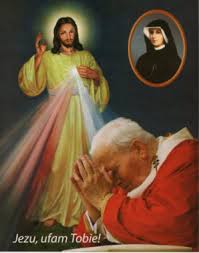
Canonizing Sister Faustina and Divine Mercy
HOMILY OF THE HOLY FATHER MASS IN ST PETER’S SQUARE FOR THE CANONIZATION OF SR MARY FAUSTINA KOWALSKA Sunday, 30 April 2000 1. “Confitemini Domino quoniam bonus, quoniam in saeculum misericordia eius”; “Give thanks to the Lord for he is good; his steadfast love endures for ever” (Ps 118: 1). So the Church sings on the Octave of[…]Continue reading→

Divine Mercy Sunday – An Echo of Every Mass
Reach out your hand and put it in my side. Do not doubt but believe’… ‘My Lord and my God!’ (Jn. 20:18)). Today is Divine Mercy Sunday, and as we celebrate the end of the Easter Octave, we contemplate the wounded side of our Saviour, the Church’s source of life. On Good Friday in the[…]Continue reading→

Saint Stanislaus of Szczepanów
We celebrate Saint Stanislaus today (+ April 11, 1079), in light of this Easter Octave, a bishop and martyr who accepted the episcopacy only at the direct order of Pope Alexander II. He proved a wise and courageous leader of his flock, put to death by his own king, Boleslaus, for rebuking the monarch’s ‘immoral[…]Continue reading→
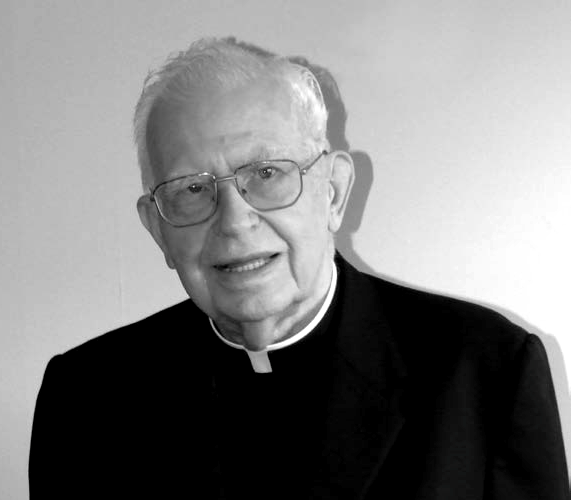
First Holy Communion: Sermon from May 16, 1943
Here is a sermon from the good old days by +Rev. Msgr. Vincent Nicholas Foy (August 14, 1915 – March 13, 2017), from 1943. Readers may recall that Pope Saint Pius X, by the decree Quam Singulari in 1910, lowered the customary age of reception of Holy Communion – after the rigours of the plague[…]Continue reading→
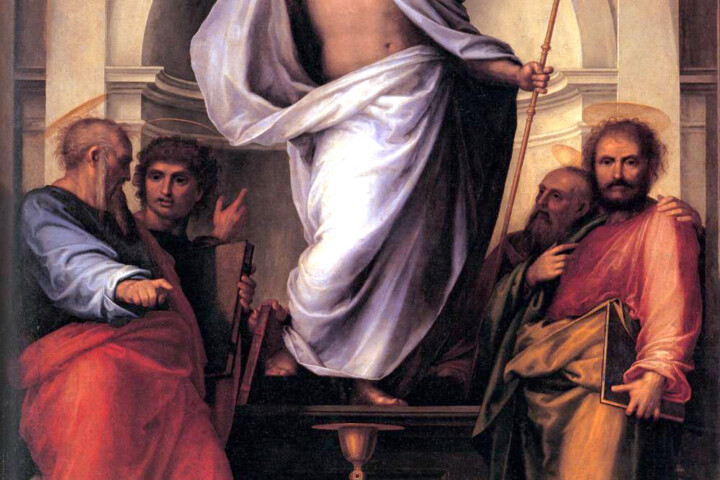
In the Glorious Light of Easter, Alleluia!
Set your minds on things that are above, not on things that are on earth, for you have died, and your life is hidden with Christ in God. When Christ who is your life is revealed, then you also will be revealed with him in glory (Col. 3:3-4). The Resurrection of Our Lord and Saviour[…]Continue reading→
An Ancient Homily for Holy Saturday
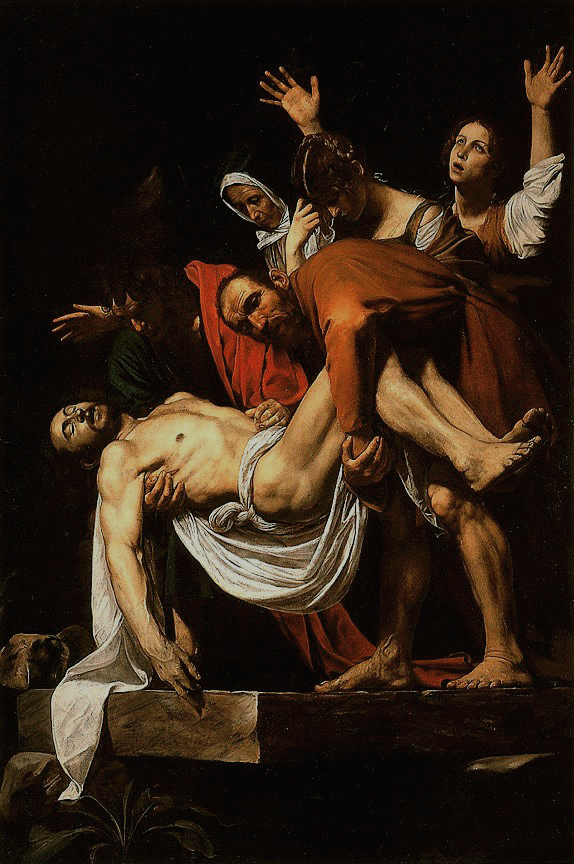
The time between Good Friday and Easter Sunday is one of waiting, in silence, as the world wonders – anticipates – what will happen, after the death of Christ. We re-live this time each year in the anamnesis of our liturgy, and in turn look forward to the glorious re-creation of all things at the[…]Continue reading→
Europe’s Long Descent
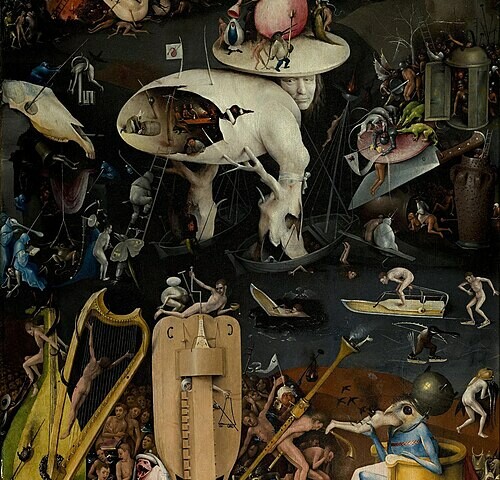
(As we meditate on this day on Christ’s burial, and His descent into hell, it is fitting to ponder here with contributor Peter Marcus how the world seems to be heading there as well. The difference is that, although God cannot ‘redeem’ hell, nor those therein, He can and did redeem the world. There is[…]Continue reading→