
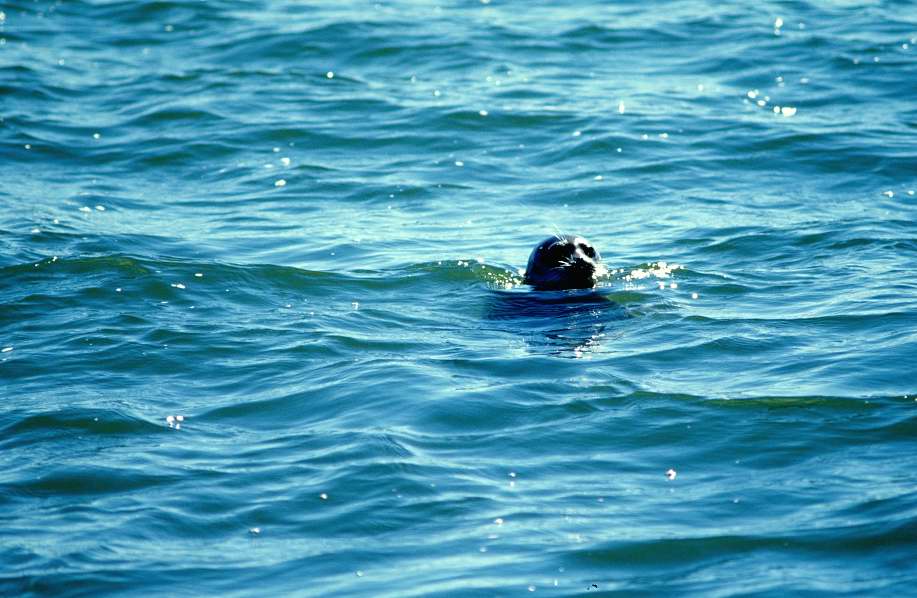
Double standards: the EU, seals, and abortion
Q. What are the sins that cry to heaven for vengeance? A. …defrauding laborers of their wages. – Quebec Catechism, 1871
On 25 November 2013, the World Trade Organization (WTO) upheld the EU’s ban on seal products from Canada. The EU cites the reason for the ban is “public moral concerns over animal welfare. … that seal hunting inherently leads to poor animal welfare outcomes because of the circumstances and difficulties of the hunt” (source).
Canada’s seal fishery harvests about 70,000 seals each year for fur, meat, and oil. Seals are stunned and then killed by a blow to the head using a metal club (a hakapik) designed to produce a rapid and humane death, a method recommended by veterinarian and animal welfare advocates who oversee the seal fishery in Canada.
The sheer hypocrisy of the EU ban is evident from a brief review of how animals are used in Europe each year:
- 360,000,000 cattle, sheep, goats, and pigs killed by stunning (blow to the head)
- 32,000,000 fur-farmed animals (mink and fox) killed by stunning (blow to the head)
- 7,000,000,000 (approx.) poultry asphyxiated
- 330,000,000 day-old chicks gassed
In addition, seals are harvested for pelts in the EU each year.
- Norway: seal harvest of 10,000 and 21,000, clubbed (hakapik), pelts marketed in Europe
- Denmark (Greenland): seal harvest estimated between 25,000 and 170,000, killed by shooting from a boat, pelts marketed in Europe
- Scotland: 1,167 licenses issued to cull seals, killed by shooting from a boat, pelts marketed in Europe
Nor is killing in the EU limited to animals: 4,200,000 people aborted, payment for killing varies by country.
The European production of fur represents 67% of the world’s market share, whereas Canada constitutes 4.6%. Europe’s fur-bearing animals are kept caged throughout their life to be killed in secret away from public view and scrutiny. Canada’s fur-bearing animals live in the wild, are harvested using humane methods that minimize suffering, and are processed in the open under public scrutiny. This is one of the major problems for the seal fishery: it takes place on the ice where it can be observed, whereas Europe’s fur is processed out of sight. And, as we in the pro-life movement know, out of sight means out of mind.
There is nothing wrong with producing food, leather, or fur from animals, as long as the animals are treated humanely and not subject to preventable suffering when harvested. There is no sin in baiting a hook with a worm, catching mice in the pantry using mouse traps, trapping beavers and mink, rearing beef cattle, or wearing leather shoes. The seal fishery in Canada is a humane fishery. Seals are a resource to be used wisely, and the seal fishery is no different than any other form of animal husbandry or harvest. In fact, it is better than most. Canada is a country built on natural resource extraction and Canadians understand what hard work means. For us, having callouses is a sign of good character. Nobody ever accused European politicians of having calloused hands.
The anti-fur movement has been driven largely by an aggressive advertising campaign that uses famous slatterns and drug addicts from the film and music industries as its representatives. This suggests the real reason for the anti-seal fishery movement: seals look like children. In a culture that is aborting itself to oblivion, the sense of public guilt must be profound. What better way to assuage a public conscience than to protest the Canadian seal fishery?
There would not be a country called Canada today except for the Newfoundland sealers. At four in the morning on Sunday, 31 December 1775, American forces under Generals Montgomery and Arnold attacked the last remaining stronghold in the New World that was not flying the American flag—the fortress of Quebec City. It was the timely arrival of volunteers from Newfoundland under Colonel Campbell, most of whom were sealers, that gave us the victory. (You will not read this in any high school history textbooks because it is true.)
It would be a terrible injustice if Canadians now ignore the plight of the besieged sealers of Newfoundland who need our support.

Saint Kateri , Canada’s Protectress
This was the title given to Saint Kateri Tekakwitha, by Pope Benedict XVI, when he canonized her on October 28th, 2012, along with six others, in Saint Peter’ Square (she had been beatified by Pope John Paul II back in 1980). With Saint Joseph as our protector, along with the Canadian martyrs, we seem to[…]Continue reading→

Remembering Father Alphonse de Valk
(Today marks the sixth anniversary of the death of Father Alphonse de Valk, C.S.B., a faithful, courageous and indefatigable Basilian priest, pro-life-and-family apostle, and the founder of Catholic Insight magazine. Here is what we wrote those on his entering into eternity five years ago, as we continue to remember him in our prayers and thoughts)[…]Continue reading→

My Name is Bernadette
April 16th is a propitious day, for besides the anniversary of Father de Valk’s death, who founded Catholic Insight in its print form decades ago, and the commemoration of the ‘two Benedicts’, mentioned in accompanying posts, today we also recall Saint Bernadette Soubirous, the young visionary to whom the Virgin Mary appeared numerous times at[…]Continue reading→
Canonizing Sister Faustina and Divine Mercy
HOMILY OF THE HOLY FATHER MASS IN ST PETER’S SQUARE FOR THE CANONIZATION OF SR MARY FAUSTINA KOWALSKA Sunday, 30 April 2000 1. “Confitemini Domino quoniam bonus, quoniam in saeculum misericordia eius”; “Give thanks to the Lord for he is good; his steadfast love endures for ever” (Ps 118: 1). So the Church sings on the Octave of[…]Continue reading→

Divine Mercy Sunday – An Echo of Every Mass
Reach out your hand and put it in my side. Do not doubt but believe’… ‘My Lord and my God!’ (Jn. 20:18)). Today is Divine Mercy Sunday, and as we celebrate the end of the Easter Octave, we contemplate the wounded side of our Saviour, the Church’s source of life. On Good Friday in the[…]Continue reading→
First Holy Communion: Sermon from May 16, 1943
Here is a sermon from the good old days by +Rev. Msgr. Vincent Nicholas Foy (August 14, 1915 – March 13, 2017), from 1943. Readers may recall that Pope Saint Pius X, by the decree Quam Singulari in 1910, lowered the customary age of reception of Holy Communion – after the rigours of the plague[…]Continue reading→
In the Glorious Light of Easter, Alleluia!
Set your minds on things that are above, not on things that are on earth, for you have died, and your life is hidden with Christ in God. When Christ who is your life is revealed, then you also will be revealed with him in glory (Col. 3:3-4). The Resurrection of Our Lord and Saviour[…]Continue reading→
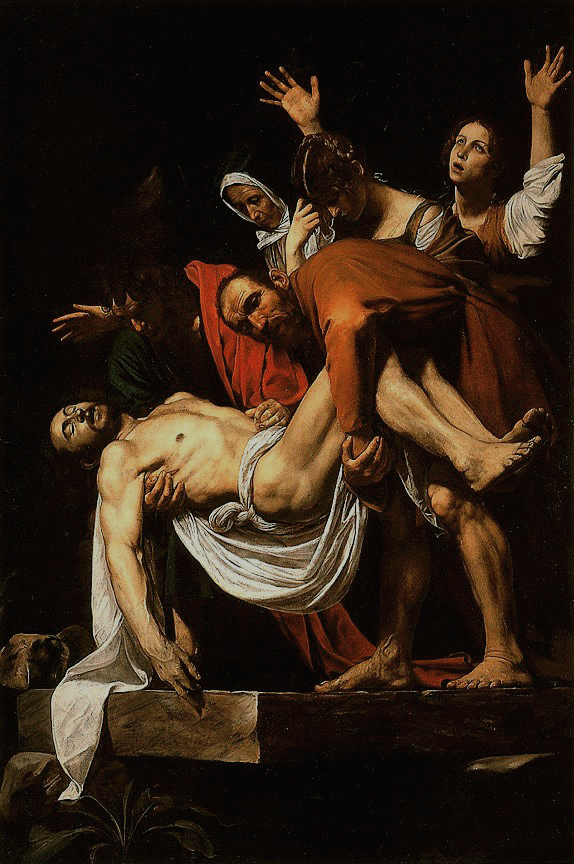
An Ancient Homily for Holy Saturday
The time between Good Friday and Easter Sunday is one of waiting, in silence, as the world wonders – anticipates – what will happen, after the death of Christ. We re-live this time each year in the anamnesis of our liturgy, and in turn look forward to the glorious re-creation of all things at the[…]Continue reading→
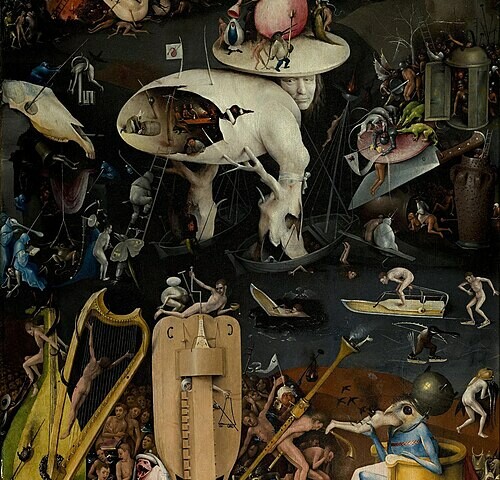
Europe’s Long Descent
(As we meditate on this day on Christ’s burial, and His descent into hell, it is fitting to ponder here with contributor Peter Marcus how the world seems to be heading there as well. The difference is that, although God cannot ‘redeem’ hell, nor those therein, He can and did redeem the world. There is[…]Continue reading→
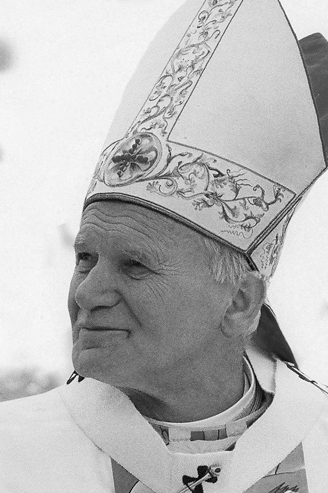
Pope Saint John Paul II’s First Good Friday Homily
ADDRESS OF HIS HOLINESS JOHN PAUL II AT THE CONCLUSION OF THE STATIONS OF THE CROSS AT THE COLOSSEUM Good Friday, 13 April 1979 When we make the Way of the Cross from one station to the next, in spirit we are always at the spot wherethis journey had its “historical” place: where it[…]Continue reading→