
Necessary Magic
Several years ago, when I was working on a community theatre project, I overheard two little girls having a conversation about wishes. They were clearly friends, perhaps seven or eight years old, and the conversation began somewhere along these lines:
“When you see a falling star, you have to make a wish, and it will come true.”
“My granny told me never to make wishes because they don’t come true.”
At the time, I was pretty sure that this was the saddest thing I had ever heard a little kid say. Wishes, I think, are an important part of childhood. It doesn’t really matter that you are more likely to win the lottery than to have most childhood wishes come true. Something being impossible is hardly a reason to give up on it. After all, there are hundreds of things that people believe in that will almost certainly never, ever happen—world peace, for example—and yet to believe in such things is considered good and noble. I thought of this conversation a few days ago while watching “The Rise of the Guardians” with my brothers.
The plot of this movie was the same one that comes up wherever the magical holiday crowd is put into a film. If the children don’t get exactly what they want exactly when they expect it, they will stop believing. If they stop believing, the magical beings—Santa Clause, Easter Bunny, the Tooth Fairy, etc.—will cease to exist. There is a delicate symbiotic relationship at stake, and, as always, the fate of all holidays hinges on a single child’s ability to keep believing.
Now, obviously, this is a fairly ridiculous movie. It is entertaining on a rather mindless level. My ten-year-old brother really enjoyed most of the jokes (which is to say, they weren’t all that funny). However, when it is broken down to its most basic ideas, this film, like others that use the same plot, does offer some interesting food for thought.
One of these ideas is that the lives of children will be absolutely horrible if they cannot believe in things that are magical.
This is actually a truth I hold to be self evident. For example, Eustace Clarence Scrubb—as long as there was no magic in his childhood, it was pretty awful. However, believing in magic is really nothing more than believing in the potential for something amazing and inexplicable to happen. If knowing that something good will absolutely happen and then having it happen was the only way to experience magic, then no child who lives in poverty could ever really believe in magic. You would have to stop believing as soon as you stopped getting what you wanted—which is, of course, the premise of films like “The Rise of the Guardians”—and they would instantly be reduced to someone who doesn’t care about anything—a cold, cynical, miniature adult. But that’s just not the way it works.
Magic doesn’t necessarily have to be something impossible; my middle brother was once absolutely thrilled because he wished on a star for a teddy bear and (without even knowing anything about the wish) my dad gave him a stuffed bear. A teddy bear is hardly something rare or impossible, but my brother believed in wishing on stars for a long time afterward. The magic lies not in knowing that something will happen, but in hoping that maybe, just maybe, it might. In Orthodoxy, G. K. Chesterton describes the charms of fairy stories by stating that the magic in fairy tales reminds us that the real world is a pretty astonishing place. He goes on to say:
I have explained that the fairy tales founded in me two convictions; first, that this world is a wild and startling place, which might have been quite different, but which is quite delightful; second, that before this wildness and delight one may well be modest and submit to the queerest limitations of so queer a kindness.
The magic of the Tooth Fairy or the Easter Bunny variety works very much on fairy tale logic. If you put the tooth under your pillow (or in a certain spot on the shelf, or whatever) then and only then will you get a dollar. If you dye Easter eggs and go to bed on time, then and only then will the Easter Bunny come. But those things only happen under very specific circumstances. If there was a dollar under one’s pillow every single morning, whether a tooth was lost or not, there would not be anything particularly impressive about it until one day there suddenly wasn’t a dollar. Magic isn’t about getting what you want on Christmas morning, or getting a dollar the day after you lose a tooth. It’s about the potential. It’s about the hope that it might happen. Christmas presents aren’t really all that amazing after you know beyond the shadow of a doubt that you will get something. They are only amazing when you hope that you will. The point where you begin to realize that those presents will still be there on Christmas, even if you don’t do every single thing your parents tell you to, is really the beginning of the end of the magic of the presents. It is also the point where it becomes more exciting to procure presents for everyone else than to spend all that time worrying about whether they will be there or not. Growing out of believing in the magic just means that you get to be part of making the magic happen.
Would the loss of magic really result in the loss of childhood? I don’t think that any kid would really be any worse off for never hearing of the tooth fairy or believing that a giant rabbit hides eggs every Easter (in fact, there are a great many children in the world who don’t have these characters, and there is no evidence that they experience any less magic because of that). That’s not the part that is essential to childhood. The essential part of magic is that it encourages wonder. It reminds the child—and the adults who know the child—that sometimes unexpected things can happen. Sometimes following rules that don’t make a ton of sense (like hanging stockings or putting a tooth under your pillow or fasting before Communion or not eating meat on Friday) have really good consequences.
So, while I don’t much care for the idea that childhood isn’t childhood without a giant bunny on Easter, I do firmly believe in the necessity of magic.
A Closed, Unsustainable, Descending Loop
As a follow-up to my thoughts on Payette’s payout, here be a stark image of where are here in Canada. As the graph shows in, well, graphic terms, since 2025, the public sector has contributed to 95.5% of economic growth. The private sector – which funds the public sector, or is supposed to – has[…]Continue reading→
Pope Leo and a Rosary for Peace
Pope Leo XIV has asked Catholics across the world to join him in a Rosary for peace today, at 18:00 Rome time (6 pm), which would be noon from where I write (EST). If you are able, whether at that time or another, and in whatever way you pray, to join in intercession with the[…]Continue reading→
Payette’s Payout
I was glancing through some headlines, and noticed a mention of Julie Payette – engineer and astronaut and sometime the Queen’s representative in Canada – which brought back vague memories. She was appointed Governor-General by Justin Trudeau in 2017. Ms. Payette resigned in 2021, amidst claims that she created a ‘toxic work environment’, with allegations[…]Continue reading→
Your Easter Prayer
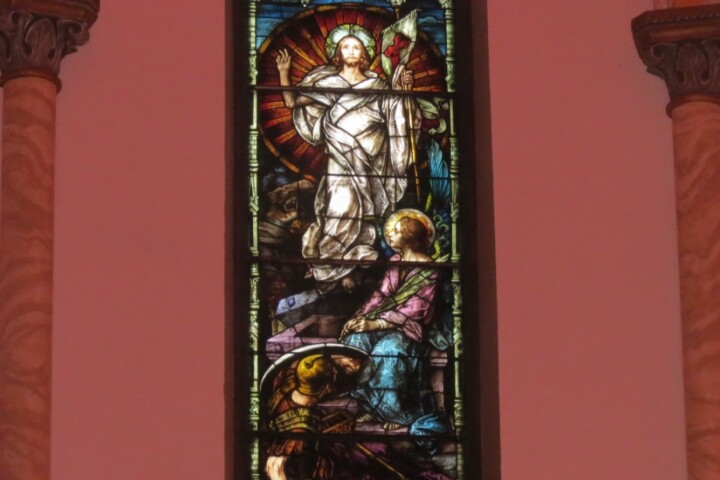
Happy Easter Lord Jesus Christ. It’s Easter day and we smile In the Lord’s in gentle light and His tomb is bare the stone is rolled A story new that must be told And Lord Jesus Christ We love you it’s so true and Lord Jesus Christ has risen From his sleep and the Promises[…]Continue reading→
Three Musical Offerings for the Annunciation
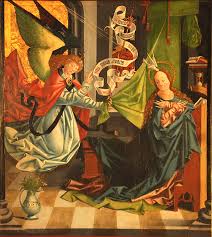
A very blessed Solemnity of the Annunciation to one and all! This March 25th marking the greatest event in history – the Incarnation of the Son of God – goes back to the very origins of the Church, and changed everything. What was lost, is now found, what was dead, is now very much alive.[…]Continue reading→
Eleganti Sums up the SSPX
Bishop Marian Eleganti, auxiliary emeritus of Chur, Switzerland, through which I happened to pilgrimage last summer, sums up the irregular situation of the SSPX. His thoughts bear pondering: Firstly, acting with full autonomy without papal mandate or confirmed mission; secondly, operating with bishops not in union with the Pope and the episcopal college; thirdly, maintaining[…]Continue reading→
The Perils of Sedevacantism
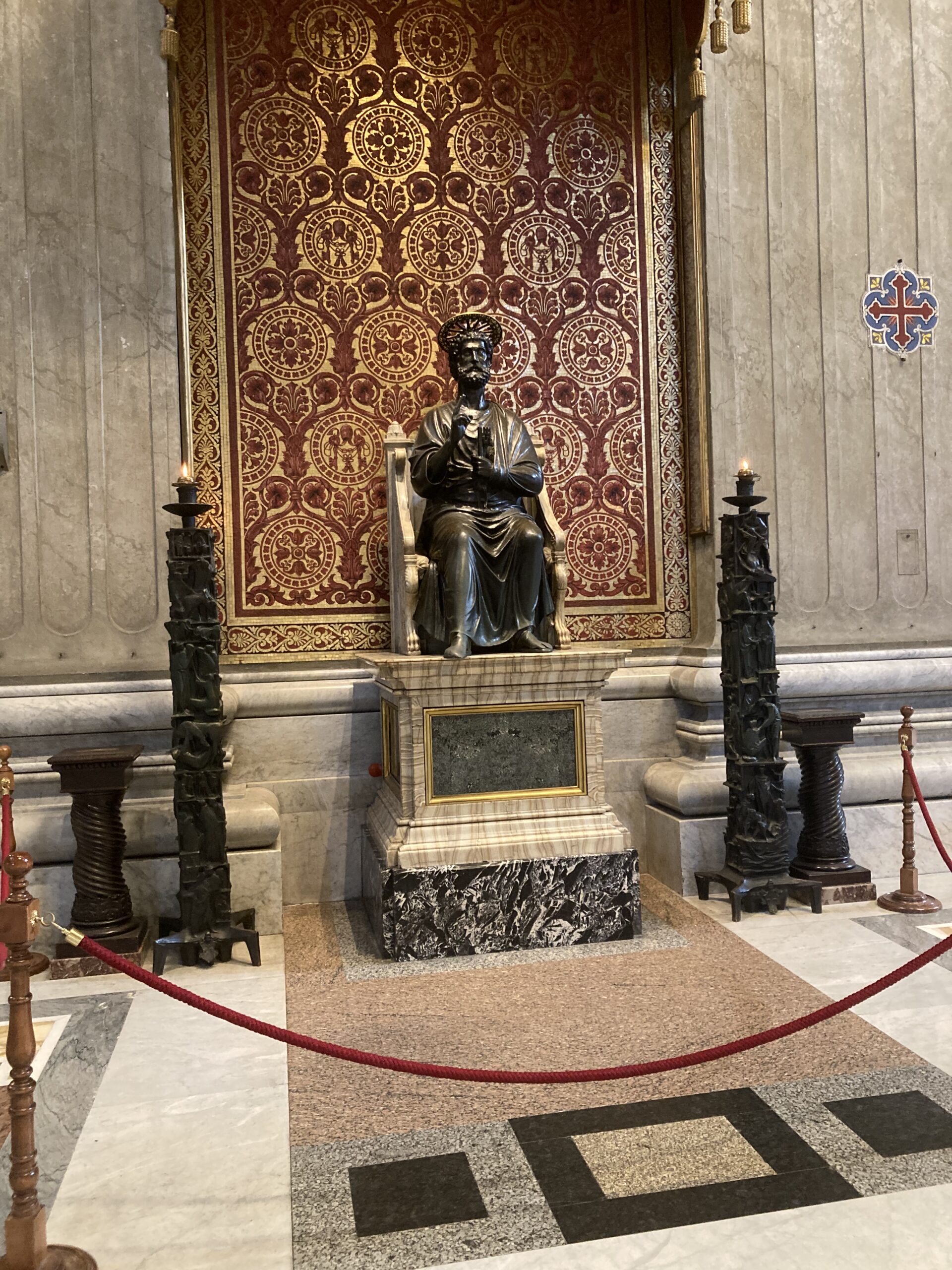
(With John-Henry Westen of LifeSite raising the question of sedevacantism, urging a petition for the cardinals to question the validity of Francis’ and Leo’s papacies, here is a re-post of something I wrote earlier, on why we must tread with great caution in declaring a papacy, or any given pope, null and void. Whatever good[…]Continue reading→

Entropic AI
Entropy may be described as the tendency of all things degrade, to move from order to disorder, from cosmos to chaos, from specificity to entropy. It is the inevitable consequence of any closed system, and encapsulated as the Second Law of Thermodynamics. Any such system – whether that be a machine, a living organism, a[…]Continue reading→
How Do We Know Christ Really Lived?
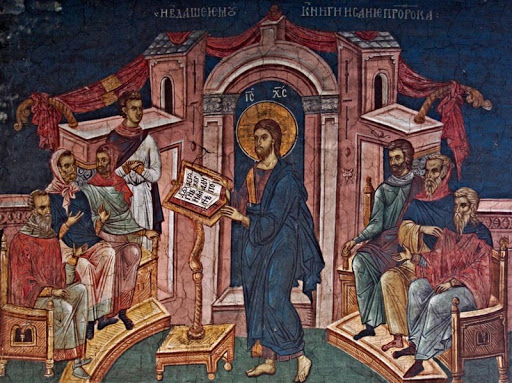
Every now and then we hear in various and sundry places one of the greatest blasphemies of them all: that Jesus never really lived and that the reports of his life and teachings, his death and resurrection, were all made up by unscrupulous men apparently bent on exploiting others for greed and power. At this[…]Continue reading→
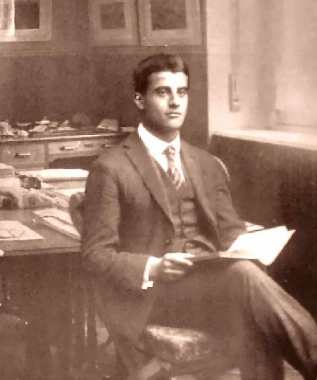
“Verso L ’Alto” – A Meditation on the Hidden Sanctity of Pier Giorgio Frassati
The Italian Alps — that formidable stretch of Europe’s great mountain arc — rise in dramatic splendour above the landscape that so enduringly shaped St. Pier Giorgio Frassati’s life of prayer and adventure. The Australian Alps, sharing the name only in part, resemble their European counterparts more in spirit than in scale. In the former,[…]Continue reading→