
By the Teeth of Saint Apollonia
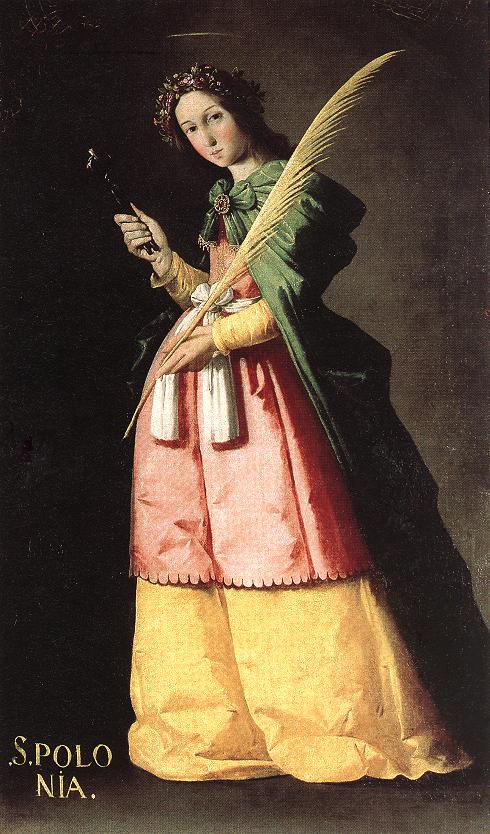
Saint Apollonia (+249) was a virgin martyr put to death under the reign of Philip the Arab, just before the far more violent persecution under his successor, Decius. She was known as a ‘deaconess’, which was not an ordained order, for the Greek term diakonos simply means a ‘minister’, as in, those who helped in the Church’s works, especially for the poor. Her greater claim to fame is that she refused to apostatize under torture, which included having all of her teeth pulled out or pulverized. Hence, she is often portrayed in art holding pliers (!) and is the patron saint of dentists, who thankfully have found slightly less painful ways to remove out molars. Also, and controversially, when led to the flames to be burned to death, Apollonia threw herself into their midst as a voluntary holocaust, signifying the fine line separating martyrdom from suicide, between offering one’s life for God and His truth, and the despair of throwing it away.
Saint Augustine comments on this, in light of the example of Samson pulling the pillars down on himself and the Philistines:
When, however, God gives a command and makes it clearly known, who would account obedience there to a crime or condemn such pious devotion and ready service?
Whatever the historical truth of her martyrdom – and the tale of her demise may contain some hyperbole – Apollonia certainly suffered and died for the Faith, and has been accepted as a saint the Church. We rejoice therein, even if we may not follow fully her example, we can beg her intercession.
Ora pro nobis! +
A Closed, Unsustainable, Descending Loop
As a follow-up to my thoughts on Payette’s payout, here be a stark image of where are here in Canada. As the graph shows in, well, graphic terms, since 2025, the public sector has contributed to 95.5% of economic growth. The private sector – which funds the public sector, or is supposed to – has[…]Continue reading→

Remembering Father Alphonse de Valk
(Today marks the sixth anniversary of the death of Father Alphonse de Valk, C.S.B., a faithful, courageous and indefatigable Basilian priest, pro-life-and-family apostle, and the founder of Catholic Insight magazine. Here is what we wrote those on his entering into eternity five years ago, as we continue to remember him in our prayers and thoughts)[…]Continue reading→
Presidential Pardon of Weronika Krawczyk
As a good news, follow-up to our story from Poland, of the persecution of Weronika Krawczyk for her pro-life views, we heard that she has been granted a presidential pardon. One might still wonder why one needs a presidential pardon for simply holding the long-held belief that the child within the womb is a child,[…]Continue reading→
Pope Leo and a Rosary for Peace
Pope Leo XIV has asked Catholics across the world to join him in a Rosary for peace today, at 18:00 Rome time (6 pm), which would be noon from where I write (EST). If you are able, whether at that time or another, and in whatever way you pray, to join in intercession with the[…]Continue reading→
Payette’s Payout
I was glancing through some headlines, and noticed a mention of Julie Payette – engineer and astronaut and sometime the Queen’s representative in Canada – which brought back vague memories. She was appointed Governor-General by Justin Trudeau in 2017. Ms. Payette resigned in 2021, amidst claims that she created a ‘toxic work environment’, with allegations[…]Continue reading→

Saint Stanislaus of Szczepanów
We celebrate Saint Stanislaus today (+ April 11, 1079), in light of this Easter Octave, a bishop and martyr who accepted the episcopacy only at the direct order of Pope Alexander II. He proved a wise and courageous leader of his flock, put to death by his own king, Boleslaus, for rebuking the monarch’s ‘immoral[…]Continue reading→
Weronika Krawczyk and Injustice in Poland
Catholic Action in Poland has issued a formal statement appealing to the President of the Republic of Poland to pardon Weronika Krawczyk—convicted for warning other women against an abortion-performing gynaecologist. Catholic Action (AK) emphasizes that no apology is owed to a doctor who has performed numerous abortions and proposed others; furthermore, the organization considers the[…]Continue reading→
Three Easter Musical Gems: Bach, Palestrina and Byrd
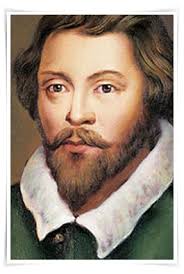
A very blessed and glorious Easter! Christus surrexit vere, alleluia! As we begin this Easter Octave with the great Solemnity of Easter, music to lift the soul would be one of Bach’s Easter cantatas, composed during his time at Leipzig in the early 1700’s, for the six Sundays of this festive season, leading up to[…]Continue reading→
Saint Isidore of Seville, the Internet and Industriousness
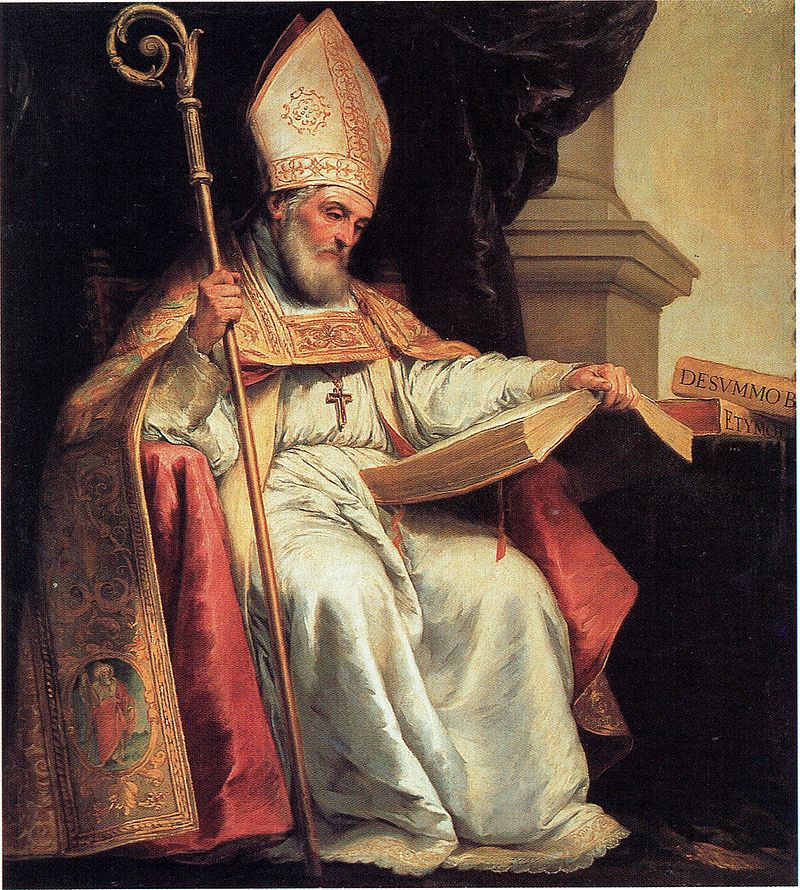
Today, April 4th, muted this year by Holy Saturday, is the commemoration of Saint Isidore of Seville (560-636) a bishop and doctor of the Church during a tumultuous age, when civilization was crumbling, coming apart at its very seams, which may sound sort of au courant. Then again, the form of this world has always[…]Continue reading→

An Ancient Homily for Holy Saturday
The time between Good Friday and Easter Sunday is one of waiting, in silence, as the world wonders – anticipates – what will happen, after the death of Christ. We re-live this time each year in the anamnesis of our liturgy, and in turn look forward to the glorious re-creation of all things at the[…]Continue reading→