
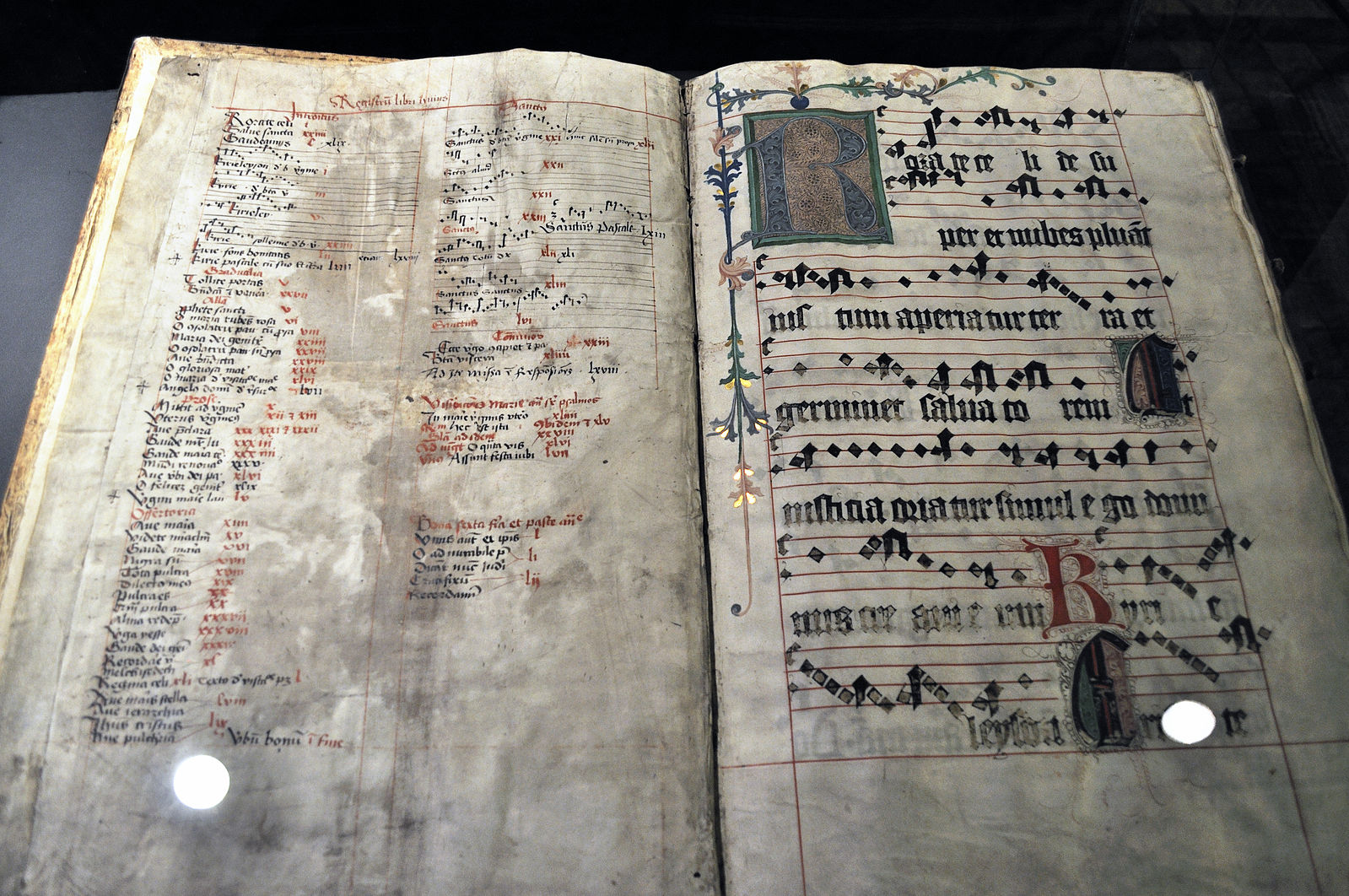
Third Sunday of Advent: Rejoice, in Integrity and Constancy
The Lord your God, is in your midst…He will renew you in His love (Zeph. 3:17). ⧾
The third Sunday of Advent is known as Gaudete Sunday. Gaudete is Latin for Rejoice, the first word of our Entrance Antiphon: Rejoice in the Lord always; again I say, rejoice. Indeed the Lord is near. Today we rejoice because Christmas is near and because God will renew us in His love (Zeph. 3:17). This is the spiritual grace that is offered to us through the liturgical and sacramental celebration of both Advent and Christmas. We have begun a new year of grace and as we celebrate the Liturgy of Advent, the ancient expectancy of the Messiah is made present. We will welcome Him into our hearts and He will renew them with His grace so that Christ may be formed in us (Gal. 4:19).
Once again, on this third Sunday of Advent, we encounter the figure of John the Baptist who last Sunday called us to repentance: ‘Prepare the way of the Lord, make his paths straight’ (Lk. 3:4). Today he exhorts us to bear the fruits of repentance. His instructions are quite ordinary: that people share, that they be fair with each other, and they not be mean and cruel; that they be happy with what they get. These are things that we teach our smallest children. Integrity in ordinary things is still a mark of true repentance. We sometimes think God requires us to do great or impossible things to demonstrate repentance, but constancy and integrity in ordinary things is the hallmark of a penitent heart and a virtuous life.
This constancy and integrity should also characterize our religious duties and obligations. For Catholics this means a regular sacramental life that includes regular recourse to the Sacrament of Penance or Confession. In heeding the call to repentance and faith in Christ Jesus Our Saviour, as we noted last Sunday, first and foremost we banish the illusion of moral self-sufficiency; an illusion that can literally prevent us from ever making any progress in the spiritual life. This is the illusion of radical autonomy so common today that causes so many people to be alienated and isolated. When we repent we dispose ourselves to new possibilities; of growth in knowledge and love, in truth and in mercy. When we begin to appreciate what this really means we begin also to understand the uniqueness, the beauty and the need for Christianity; for the true faith reveals the true God and enables man to live with the clarity that our faith alone provides.
In the Liturgy of Advent John bears witness to the Messiah through his call to repentance; an invitation that is ancient and ever new, and always relevant. John the Baptist is set before us as a model for our own Christian commitment and proclamation, individually and collectively and especially liturgically; for it is in the sacred liturgy that Christ is both proclaimed and received: proclaimed in His living Word and received in His Eucharistic Presence. Here we come to hear the proclamation and to be formed by divine teaching so that Christ may be formed in us (Gal. 4:19). The celebration of the Mass as we know is both the school and feast of faith. Christianity is a religion principally and fundamentally concerned with adoring, loving, and serving the one, true God, in which man’s salvation and the very content of love of neighbour consists. Christianity is inherently bound up with sacrifice and sacrament, by which we profess our faith in God and give ourselves to Him in love. This is why the liturgical aspect of our faith cannot be dismissed, ignored or belittled as unimportant. Our worship is the very source of everything that we do. In other words, Christianity cannot be reduced simply to the golden rule, or to an overabundance of “social ministries” which are no different than exercises in philanthropy. Here, in the obedience of faith we endeavour to worship in spirit and in truth. The liturgy of the Church is the true worship of the true God through which we seek union with God. Apart from this way of life, a life centred on the worship of God in the sacred liturgy, there is confusion, error, folly, despair, horror and destruction – the whole history of fallen mankind, which wages war against the Lamb of God to whom John the Baptist gave testimony.
The celebration of the Saviour’s Birth invites us in a sense to begin anew and to make room in our hearts; hearts that have been cleansed and purified by repentance. This is why we can rightly speak of the joy of repentance, as strange as this may sound; for repentance enables us to attain the joys of so great a salvation and to celebrate them always with solemn worship and glad rejoicing – as we prayed in the collect of the Mass. Rejoice in the Lord, always…Rejoice…The Lord is near (Phil. 4:7).
David, the Root of Jesse, becomes the ideal king, the root from whom Jesus will spring. Christ is the root of Jesse in a two-fold sense: he is the descendant of David, who was the youngest son of Jesse, and He inherited the royal throne. The angel foretold to Mary, The Lord God will give him the throne of David his father. He will rule over the house of Jacob forever and his reign will be without end (Lk. 1:32-33).

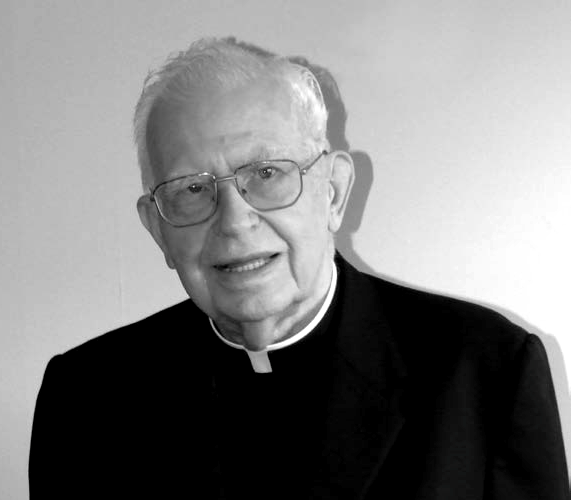
Remembering Father Alphonse de Valk
(Today marks the sixth anniversary of the death of Father Alphonse de Valk, C.S.B., a faithful, courageous and indefatigable Basilian priest, pro-life-and-family apostle, and the founder of Catholic Insight magazine. Here is what we wrote those on his entering into eternity five years ago, as we continue to remember him in our prayers and thoughts)[…]Continue reading→

Divine Mercy Sunday – An Echo of Every Mass
Reach out your hand and put it in my side. Do not doubt but believe’… ‘My Lord and my God!’ (Jn. 20:18)). Today is Divine Mercy Sunday, and as we celebrate the end of the Easter Octave, we contemplate the wounded side of our Saviour, the Church’s source of life. On Good Friday in the[…]Continue reading→

Saint Stanislaus of Szczepanów
We celebrate Saint Stanislaus today (+ April 11, 1079), in light of this Easter Octave, a bishop and martyr who accepted the episcopacy only at the direct order of Pope Alexander II. He proved a wise and courageous leader of his flock, put to death by his own king, Boleslaus, for rebuking the monarch’s ‘immoral[…]Continue reading→
First Holy Communion: Sermon from May 16, 1943
Here is a sermon from the good old days by +Rev. Msgr. Vincent Nicholas Foy (August 14, 1915 – March 13, 2017), from 1943. Readers may recall that Pope Saint Pius X, by the decree Quam Singulari in 1910, lowered the customary age of reception of Holy Communion – after the rigours of the plague[…]Continue reading→
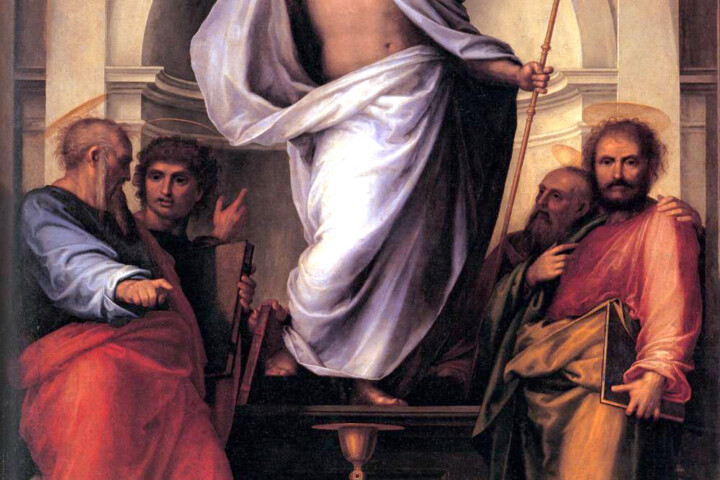
In the Glorious Light of Easter, Alleluia!
Set your minds on things that are above, not on things that are on earth, for you have died, and your life is hidden with Christ in God. When Christ who is your life is revealed, then you also will be revealed with him in glory (Col. 3:3-4). The Resurrection of Our Lord and Saviour[…]Continue reading→
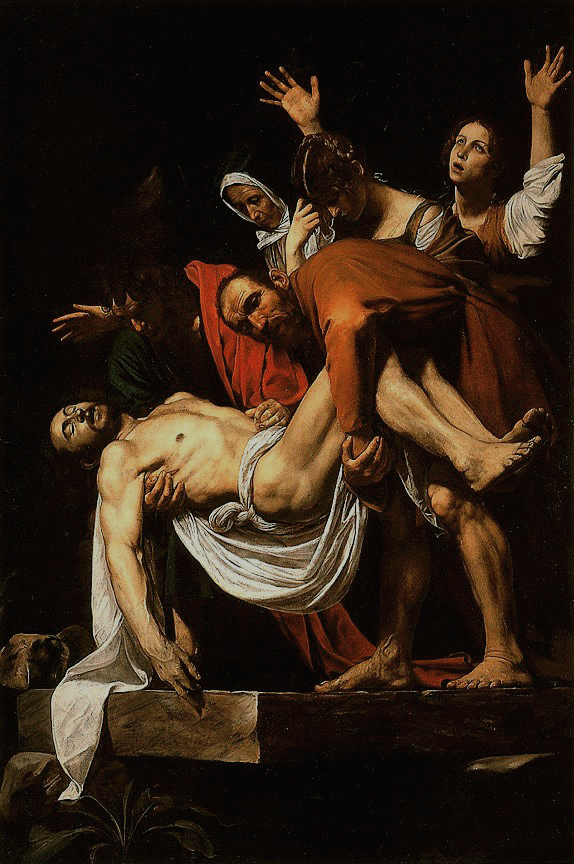
An Ancient Homily for Holy Saturday
The time between Good Friday and Easter Sunday is one of waiting, in silence, as the world wonders – anticipates – what will happen, after the death of Christ. We re-live this time each year in the anamnesis of our liturgy, and in turn look forward to the glorious re-creation of all things at the[…]Continue reading→
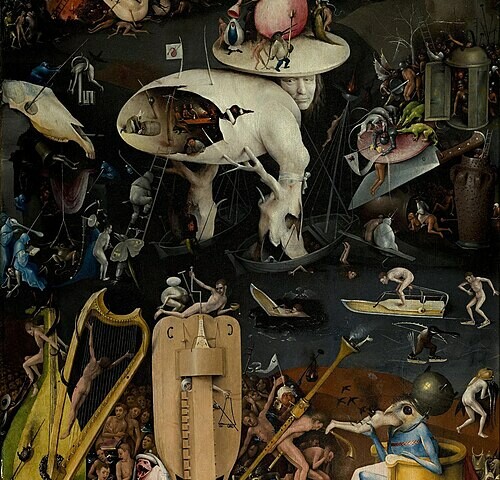
Europe’s Long Descent
(As we meditate on this day on Christ’s burial, and His descent into hell, it is fitting to ponder here with contributor Peter Marcus how the world seems to be heading there as well. The difference is that, although God cannot ‘redeem’ hell, nor those therein, He can and did redeem the world. There is[…]Continue reading→
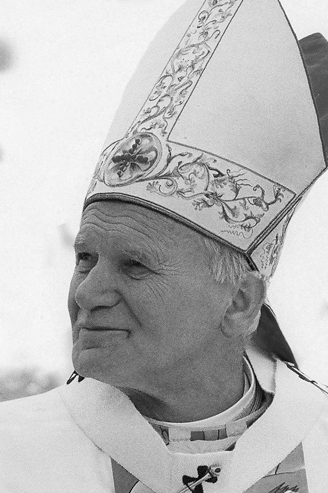
Pope Saint John Paul II’s First Good Friday Homily
ADDRESS OF HIS HOLINESS JOHN PAUL II AT THE CONCLUSION OF THE STATIONS OF THE CROSS AT THE COLOSSEUM Good Friday, 13 April 1979 When we make the Way of the Cross from one station to the next, in spirit we are always at the spot wherethis journey had its “historical” place: where it[…]Continue reading→
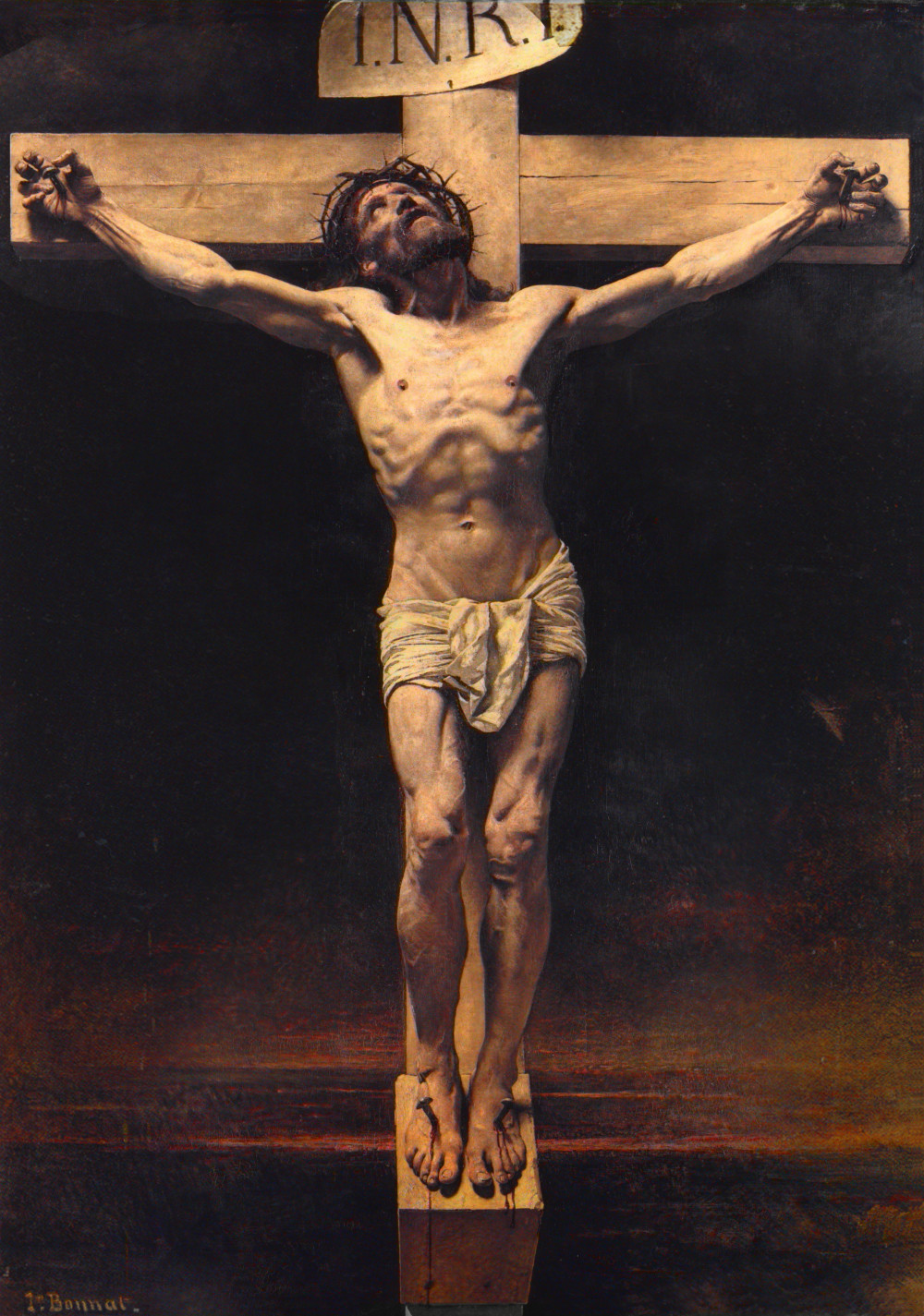
A Meditation for Good Friday: How To Undo the Effects of Sin?
Cardinal Newman, now Saint John Henry Newman, was a towering figure of nineteenth-century Catholicism who is almost universally admired. I say “almost” because not everyone likes him. I knew a priest once, Arthur Caulkins, who has become disenchanted with Newman. As an undergraduate Arthur had been enamoured of Newman, and this interest continued when he[…]Continue reading→
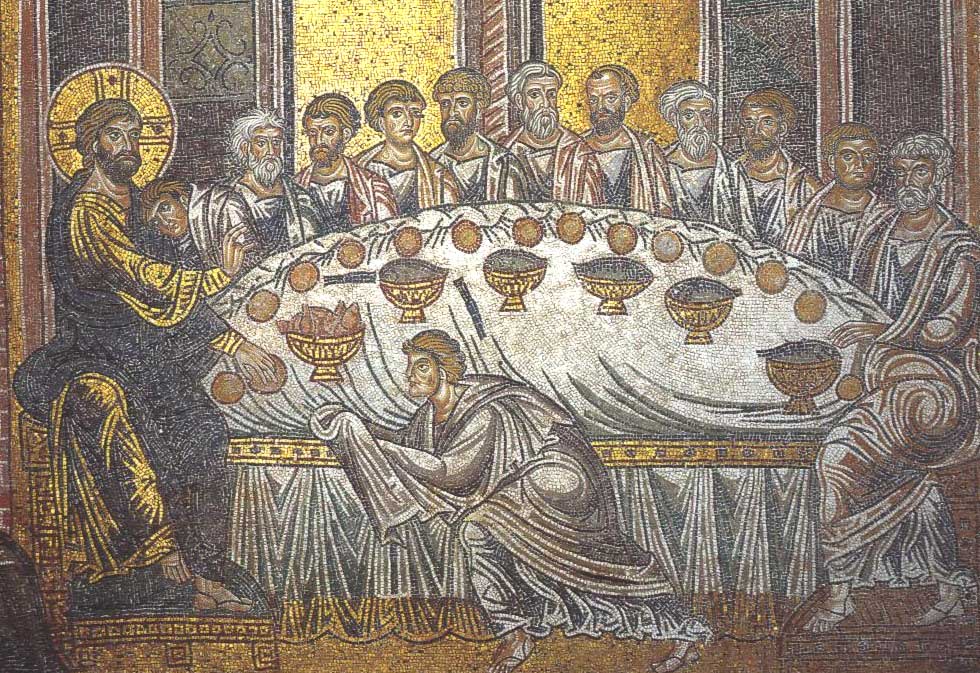
Pope Benedict’s Last Holy Thursday Homily
MASS OF THE LORD’S SUPPER HOMILY OF HIS HOLINESS BENEDICT XVI Basilica of St John Lateran Holy Thursday, 5 April 2012 Photo Gallery (Video) Dear Brothers and Sisters! Holy Thursday is not only the day of the institution of the Most Holy Eucharist, whose splendour bathes all else and in some ways draws it to[…]Continue reading→