
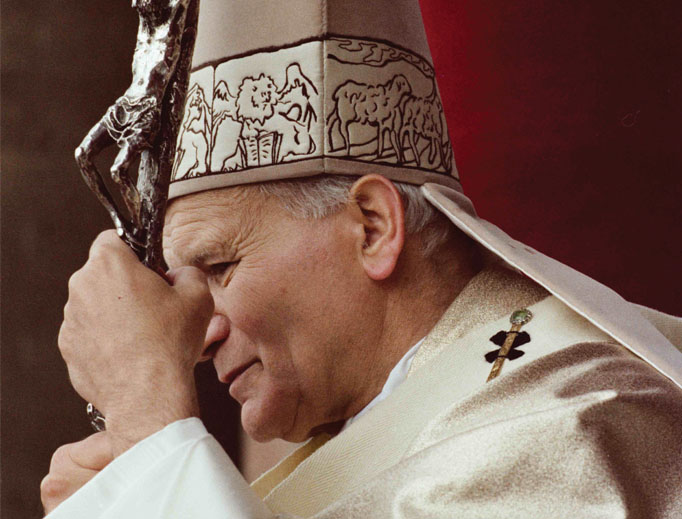
Pope John Paul II and the Visitation
(Here is Pope Saint John Paul II’s first homily for the feast of the Visitation, to close off his first Marian month as Pope, in 1979. It was a different era, but his words speak to our time – John Paul was the the Pope chosen to lead us into the third millennium, and to guide our way to Christ in these turbulent times, we have Our Lady, who will hasten to visit each one of us).
CONCLUSION OF THE MARIAN MONTH
HOMILY OF HIS HOLINESS JOHN PAUL II
31 May 1979
“And blessed is she who believed that there would be a fulfilment of what was spoken to her from the Lord” (Lk 1:45).
1: With this greeting, the elderly Elizabeth exalts her young kinswoman Mary, who has come, humble and modest, to help her. Under the impulse of the Holy Spirit, the mother of the Baptist is the first in the history of the Church to begin to proclaim the marvels that God has brought about in the girl from Nazareth, and sees fully realized in Mary the bliss of faith, because she has believed there would be a fulfilment of what was spoken to her from the Lord.
At the close of the Marian month, in this splendid Roman evening, at this place which reminds us of the Lourdes grotto, we must reflect, beloved Sisters and. Brothers, on what was the fundamental interior attitude of the Blessed Virgin with regard to God: her faith. Mary believed! She believed in the Lord’s words, transmitted to her by the Angel Gabriel; at the Annunciation, her pure heart, already given entirely to God from her childhood, dilated in the generous and unconditional “Fiat” with which she agreed to become the Mother of the Messiah and Son of God. From that moment, taking her place more and more deeply in God’s plan, she will let herself by led by the hand by mysterious Providence and for her whole life, rooted in faith, she will follow her Son spiritually, becoming his first and perfect “disciple” and carry-out in everyday life the requirements involved in following Jesus according to his own words: “Whoever does not bear his own cross and come after me, cannot be my disciple” (Lk 14:27).
Thus Mary will advance throughout her life in her “pilgrimage of faith” (cf. Dogmatic Constitution Lumen Gentium, 58), while her beloved Son, misunderstood, slandered, condemned, crucified, will mark out for her, day after day, a painful way, the necessary premise for that glorification, sung in the “Magnificat”: “all generations will call me blessed” (Lk 1:48). But first Mary, too, will have to go up to Calvary to be present, in sorrow, at the death of her Jesus.
2. Today’s feast of the Visitation presents to us another aspect of Mary’s inner life: her attitude of humble service and disinterested love for those in need. She has just heard from the Angel Gabriel of the state of her kinswoman Elizabeth, and at once she sets out for the hills “in haste” to reach a city of Judah, the present-day “Ain Karem”. The meeting of the two Mothers is also the meeting between the Forerunner and the Messiah, who, through his Mother, begins to operate salvation by making John the Baptist leap with joy when still in his mother’s womb.
(To continue reading, please see here)

Remembering Father Alphonse de Valk
(Today marks the sixth anniversary of the death of Father Alphonse de Valk, C.S.B., a faithful, courageous and indefatigable Basilian priest, pro-life-and-family apostle, and the founder of Catholic Insight magazine. Here is what we wrote those on his entering into eternity five years ago, as we continue to remember him in our prayers and thoughts)[…]Continue reading→

Canonizing Sister Faustina and Divine Mercy
HOMILY OF THE HOLY FATHER MASS IN ST PETER’S SQUARE FOR THE CANONIZATION OF SR MARY FAUSTINA KOWALSKA Sunday, 30 April 2000 1. “Confitemini Domino quoniam bonus, quoniam in saeculum misericordia eius”; “Give thanks to the Lord for he is good; his steadfast love endures for ever” (Ps 118: 1). So the Church sings on the Octave of[…]Continue reading→

Divine Mercy Sunday – An Echo of Every Mass
Reach out your hand and put it in my side. Do not doubt but believe’… ‘My Lord and my God!’ (Jn. 20:18)). Today is Divine Mercy Sunday, and as we celebrate the end of the Easter Octave, we contemplate the wounded side of our Saviour, the Church’s source of life. On Good Friday in the[…]Continue reading→

Saint Stanislaus of Szczepanów
We celebrate Saint Stanislaus today (+ April 11, 1079), in light of this Easter Octave, a bishop and martyr who accepted the episcopacy only at the direct order of Pope Alexander II. He proved a wise and courageous leader of his flock, put to death by his own king, Boleslaus, for rebuking the monarch’s ‘immoral[…]Continue reading→
First Holy Communion: Sermon from May 16, 1943
Here is a sermon from the good old days by +Rev. Msgr. Vincent Nicholas Foy (August 14, 1915 – March 13, 2017), from 1943. Readers may recall that Pope Saint Pius X, by the decree Quam Singulari in 1910, lowered the customary age of reception of Holy Communion – after the rigours of the plague[…]Continue reading→
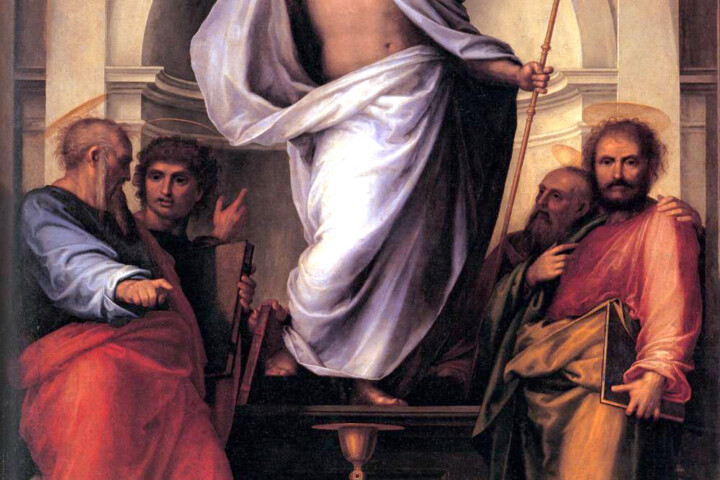
In the Glorious Light of Easter, Alleluia!
Set your minds on things that are above, not on things that are on earth, for you have died, and your life is hidden with Christ in God. When Christ who is your life is revealed, then you also will be revealed with him in glory (Col. 3:3-4). The Resurrection of Our Lord and Saviour[…]Continue reading→
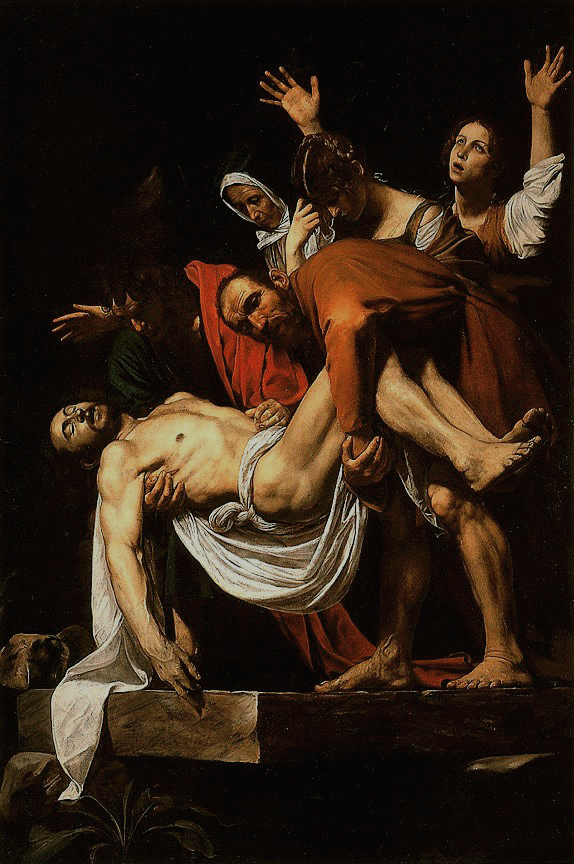
An Ancient Homily for Holy Saturday
The time between Good Friday and Easter Sunday is one of waiting, in silence, as the world wonders – anticipates – what will happen, after the death of Christ. We re-live this time each year in the anamnesis of our liturgy, and in turn look forward to the glorious re-creation of all things at the[…]Continue reading→
Europe’s Long Descent
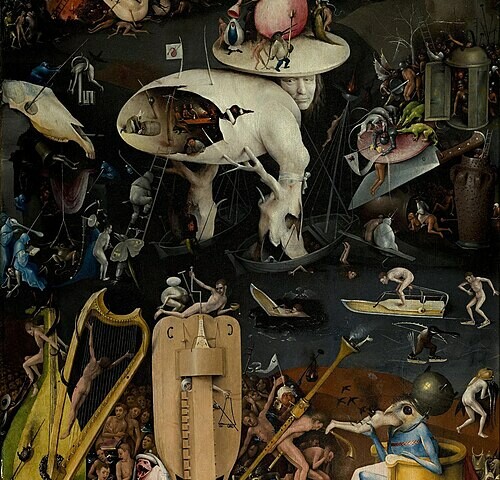
(As we meditate on this day on Christ’s burial, and His descent into hell, it is fitting to ponder here with contributor Peter Marcus how the world seems to be heading there as well. The difference is that, although God cannot ‘redeem’ hell, nor those therein, He can and did redeem the world. There is[…]Continue reading→
Pope Saint John Paul II’s First Good Friday Homily
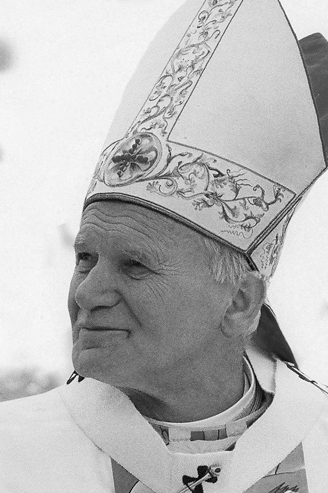
ADDRESS OF HIS HOLINESS JOHN PAUL II AT THE CONCLUSION OF THE STATIONS OF THE CROSS AT THE COLOSSEUM Good Friday, 13 April 1979 When we make the Way of the Cross from one station to the next, in spirit we are always at the spot wherethis journey had its “historical” place: where it[…]Continue reading→
A Meditation for Good Friday: How To Undo the Effects of Sin?
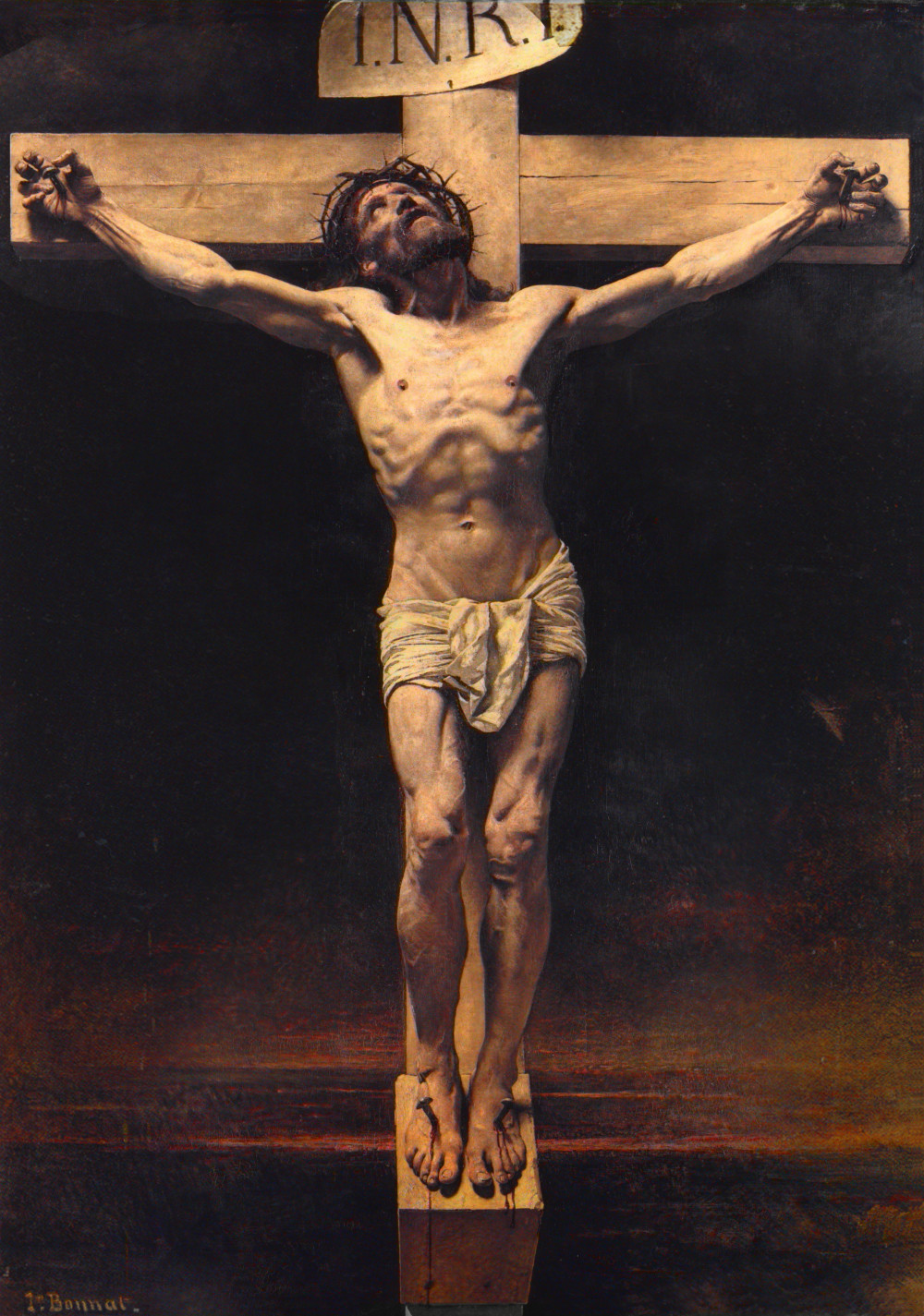
Cardinal Newman, now Saint John Henry Newman, was a towering figure of nineteenth-century Catholicism who is almost universally admired. I say “almost” because not everyone likes him. I knew a priest once, Arthur Caulkins, who has become disenchanted with Newman. As an undergraduate Arthur had been enamoured of Newman, and this interest continued when he[…]Continue reading→