
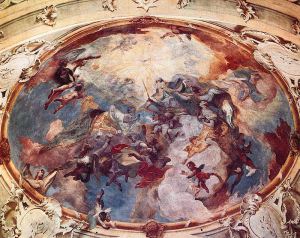
The Most Holy Trinity
For you did not receive a spirit of slavery to fall back into fear, but you have received a spirit of adoption to sonship. (Rom. 8:15). ⧾
Each year, on the Sunday following the Solemnity of Pentecost we celebrate the Mystery of the Most Blessed Trinity, the central mystery of Christian faith and life. It is the Mystery of God Himself (The Catechism of the Catholic Church, #234). The Mystery of the Most Holy Trinity is an absolute mystery. It is a mystery of faith in the strict sense, one of the mysteries that are hidden in God, which can never be known unless they are revealed by God (The Catechism of the Catholic Church, #237). As the central Mystery of the Christian faith, this mystery reveals that the God whom we worship is neither absent from His people nor fully identifiable with them. The life of Our Lord on earth is a gradual revelation of this Mystery, culminating with the revelation of the Holy Spirit as a Divine Person on Pentecost. The logic of the sacred liturgy rightly places today’s Feast on the Sunday after Pentecost.
The collect of our Mass expresses a living truth: that in professing the true faith, we may acknowledge the Trinity of eternal glory and adore [God’s] Unity, powerful in majesty (Collect, Feast of the Most Holy Trinity, The Roman Missal). This Mystery that God has revealed to us is more than a dogmatic, religious truth. The Mystery of the Most Blessed Trinity is the central mystery of Christian faith and life. We do not worship an abstract thought or theory, a force or ‘Supreme Being’, but a Trinity of Persons who dwells in us through grace. The complexity of this Mystery, at face value, speaks to its truth. St. Thomas Aquinas observed that the truth of the Christian faith exceeds not only human minds but also those of angels; we believe in them only because they are revealed by God (De Rationibus Fidei).
The indwelling of the God in the soul through grace is our participation in the life of the Trinity, our sharing in the divine nature. To live our lives in manner befitting our dignity as children of God, we need to keep this truth in the forefront of our minds. On this Trinity Sunday we ought to ask God to grant us a profound spirit of adoration for the Triune God, of imitation of such profound love and of reparation for the sins of both commission and omission in a world where so much has been done and continues to be done to deny this truth; and where as a result, iniquity has abounded and the charity of many has grown cold (Cf. Mt. 24:12). Very cold. No priest, no Catholic can recite the prayers proper to this Feast and maintain that God wills a multiplicity of faiths or religions. St. John asks: Who is the liar but the he who denies that Jesus is the Christ? This is the antichrist, he who denies the Father and the Son (1 Jn. 2:22). It is madness to think and act otherwise.
Christianity, our faith, the true faith revealed by God with its essential belief in the divinity of Jesus Christ, true God and true man, is not easy to understand for it is mysterious. It is not carnal; that is, it does not promise heavenly rewards that satisfy our physical senses. Our Lord counseled chastity, modesty and temperance for both men and women. Nor is Christianity harsh, for Our Lord offers forgiveness and redemption and He enjoins us to become gentle and humble of heart. How foolish and wrong it is to assert that all religions are equal. This is the error of our times, the consequence of relativism. There is no discussion here of a mysterious truth like the Trinity; the tremendous and fascinating Mystery that we adore in humble and joyful submission.
Adoration is a free and loving submission of our whole being to God; to Divinity that is infinitely superior to all nature. Before the Mystery we cry out: Holy, Holy, Holy; Sanctus, Sanctus, Sanctus: doing so with great thanksgiving for we are created in the image and likeness of this God; and through grace share His very life, striving to become as He is –holy, godly. This Trinitarian Mystery reveals to us the inner life of God; that God is personal and relational; we too are personal and relational beings. In contemplating the Trinity we come to know who we are and what we are called to be and we come to an ever deeper understanding of our ultimate destiny in God. This Mystery provides us with a proper and true understanding of the human person that fosters human life and all human achievements as a praise of God’s glory (laus gloriae) (Cf. Eph. 1:12).
When we gather to worship God in the Holy Sacrifice of the Mass everything that we do within the confines of the sacred liturgy is an invitation to enter more and more deeply into the Mystery of the Triune God. This profound theological truth revealed through the Cross of Our Saviour reflects a likewise profound truth related to our human nature. In and through Christ Our Saviour we come to know God’s purpose for us and for all humanity. As Christians, the truth about God has therefore been revealed to us and no less the truth about man. This is the truth that we are commanded to make known to all the nations in the great commission recorded in the Gospel of St. Matthew: Go therefore and make disciples of all nations, baptizing them in the name of the Father and of the Son and of the Holy Spirit (Mt. 28: 19).
If we live in the light of this truth our lives are literally transformed and through us, the world around us will also be transformed. This Mystery is not an abstraction but the source and destiny of all that is. Again, St Paul teaches us: For you did not receive a spirit of slavery to fall back into fear but you have received a spirit of adoption to sonship. When we cry, ‘Abba! Father!’ it is that very Spirit bearing witness with our spirit that we are children of God (Rom. 8: 15). As believers and disciples, our task is to make this truth known. Ultimately, it is the very life of man, man himself living righteously, that is the true worship of God, but life only becomes real life when it receives its form from looking toward God (Joseph Cardinal Ratzinger, The Spirit of the Liturgy). Looking toward God in holy worship, in adoration, is the transformative experience of the sacred liturgy. In the beauty of holiness and the holiness of beauty, we learn to perceive both in ourselves and in the world around us something of the wonder of the Mystery of the Triune God; and beholding the glory of the Lord, we are transformed into His likeness from one degree of glory to another by the Lord who is the Spirit (Cf. 2 Cor. 3:18). This is how our lives become a praise of God’s glory (laus gloriae); and how we become the very aroma of Christ to God (2 Cor. 2:15); a sign of hope in a harsh and increasingly cruel world.
This is especially our work given our times. As we bring to an end the month dedicated to Our Lady, we entrust ourselves and the Church’s faithful remnant scattered throughout the world to her loving, maternal embrace and with love we pray: Hail, white lily of the ever peaceful and glorious Trinity! Hail, effulgent rose, the delight of Heaven, Of whom the King of Heaven was born and by whose milk He was nourished! Nourish our souls by the effusions of thy Divine Influences. ⧾

Remembering Father Alphonse de Valk
(Today marks the sixth anniversary of the death of Father Alphonse de Valk, C.S.B., a faithful, courageous and indefatigable Basilian priest, pro-life-and-family apostle, and the founder of Catholic Insight magazine. Here is what we wrote those on his entering into eternity five years ago, as we continue to remember him in our prayers and thoughts)[…]Continue reading→

Divine Mercy Sunday – An Echo of Every Mass
Reach out your hand and put it in my side. Do not doubt but believe’… ‘My Lord and my God!’ (Jn. 20:18)). Today is Divine Mercy Sunday, and as we celebrate the end of the Easter Octave, we contemplate the wounded side of our Saviour, the Church’s source of life. On Good Friday in the[…]Continue reading→

Saint Stanislaus of Szczepanów
We celebrate Saint Stanislaus today (+ April 11, 1079), in light of this Easter Octave, a bishop and martyr who accepted the episcopacy only at the direct order of Pope Alexander II. He proved a wise and courageous leader of his flock, put to death by his own king, Boleslaus, for rebuking the monarch’s ‘immoral[…]Continue reading→

First Holy Communion: Sermon from May 16, 1943
Here is a sermon from the good old days by +Rev. Msgr. Vincent Nicholas Foy (August 14, 1915 – March 13, 2017), from 1943. Readers may recall that Pope Saint Pius X, by the decree Quam Singulari in 1910, lowered the customary age of reception of Holy Communion – after the rigours of the plague[…]Continue reading→
In the Glorious Light of Easter, Alleluia!
Set your minds on things that are above, not on things that are on earth, for you have died, and your life is hidden with Christ in God. When Christ who is your life is revealed, then you also will be revealed with him in glory (Col. 3:3-4). The Resurrection of Our Lord and Saviour[…]Continue reading→
An Ancient Homily for Holy Saturday
The time between Good Friday and Easter Sunday is one of waiting, in silence, as the world wonders – anticipates – what will happen, after the death of Christ. We re-live this time each year in the anamnesis of our liturgy, and in turn look forward to the glorious re-creation of all things at the[…]Continue reading→
Europe’s Long Descent
(As we meditate on this day on Christ’s burial, and His descent into hell, it is fitting to ponder here with contributor Peter Marcus how the world seems to be heading there as well. The difference is that, although God cannot ‘redeem’ hell, nor those therein, He can and did redeem the world. There is[…]Continue reading→
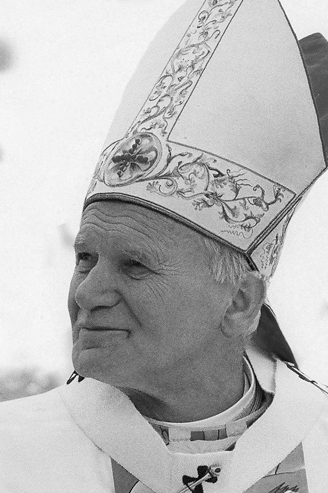
Pope Saint John Paul II’s First Good Friday Homily
ADDRESS OF HIS HOLINESS JOHN PAUL II AT THE CONCLUSION OF THE STATIONS OF THE CROSS AT THE COLOSSEUM Good Friday, 13 April 1979 When we make the Way of the Cross from one station to the next, in spirit we are always at the spot wherethis journey had its “historical” place: where it[…]Continue reading→
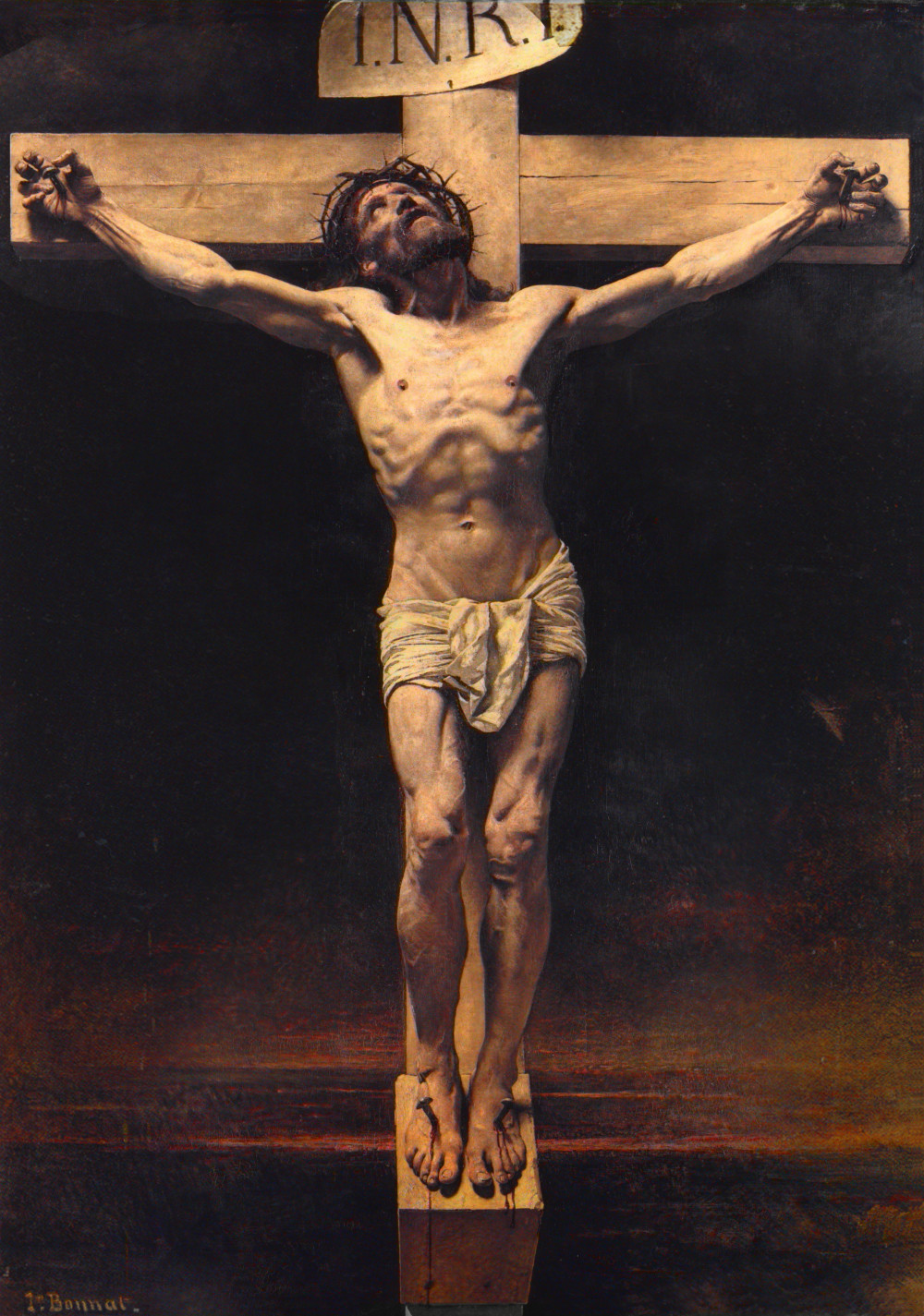
A Meditation for Good Friday: How To Undo the Effects of Sin?
Cardinal Newman, now Saint John Henry Newman, was a towering figure of nineteenth-century Catholicism who is almost universally admired. I say “almost” because not everyone likes him. I knew a priest once, Arthur Caulkins, who has become disenchanted with Newman. As an undergraduate Arthur had been enamoured of Newman, and this interest continued when he[…]Continue reading→
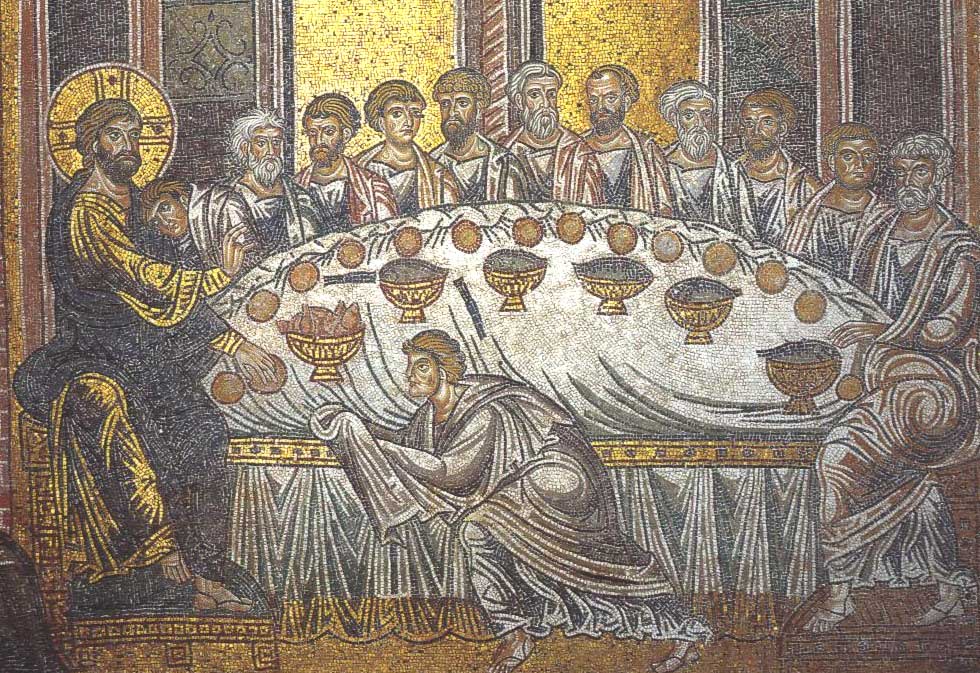
Pope Benedict’s Last Holy Thursday Homily
MASS OF THE LORD’S SUPPER HOMILY OF HIS HOLINESS BENEDICT XVI Basilica of St John Lateran Holy Thursday, 5 April 2012 Photo Gallery (Video) Dear Brothers and Sisters! Holy Thursday is not only the day of the institution of the Most Holy Eucharist, whose splendour bathes all else and in some ways draws it to[…]Continue reading→