
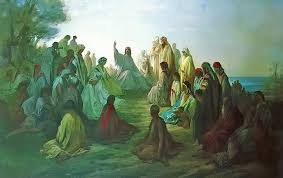
Fifteenth Sunday: Applying the Parables
Then the disciples came and asked Jesus, ‘Why do you speak to them in parables?’ He answered, ‘To you it has been given to know the secrets of the kingdom of heaven, but to them it has not been given’ (Mt. 13:11). ⧾
Our Lord’s answer to the disciples’ question may seem harsh and perhaps even unfair at first hearing. They are evidently concerned that many in the crowd do not understand what He is saying. Our Lord however, quotes the Prophet Isiah and asserts that this prophecy is fulfilled in those listening as it was in Isiah’s own day: You will indeed listen, but never understand, and you will indeed look, but never perceive. For this people’s heart has grown dull and their ears are hard of hearing, and they have shut their eyes. (Mt. 13:14-15) What we are given here is an image of persons completely opposed or indifferent to what is being said. Sadly, this prophecy will continue to be fulfilled while people only listen to what they want to hear or what they think Our Lord should be saying.
This prophecy sadly fulfilled even and perhaps especially in our time, forces each one of us to ask ourselves a very personal question: What attitude or disposition of mind and heart do I bring to the reading of Sacred Scripture and most especially to the proclamation of the Gospel at Mass? Is it, ‘Speak Lord, for your servant is listening’ (1 Sam. 3:9) or as we have just heard, what was sown on the path – when anyone hears the word of the kingdom and does not understand it, the evil one comes and snatches away what is sown in the heart (Mt. 13:19). Last Sunday, the Gospel reading reminded us that our discipleship entails a willingness to learn from God Himself: ‘Learn from me; for I am gentle and humble in heart, and you will find rest for your souls. For my yoke is easy and my burden is light’ (Mt. 11:28-30). What is this yoke that Our Lord speaks of? Scholars tell us that this term was used as a metaphor for the burden of the all the laws that Judaism imposed. Our Lord’s yoke aims at the transformation of our hearts and minds. It is not the heavy yoke of the six hundred and thirteen commandments of the Pharisees; it is rather, an invitation to a transformative union with the Heart of God. This is the path of conversion and self-knowledge, the path of devout humility and of charity.
‘To you it has been given to know the secrets of the kingdom of heaven but to them it has not been given’. In the Gospels the word mystery is found precisely three times (Mt. 13:11; Mk. 4:11; Lk. 8:10), one of which is in our Gospel text today; and in each instance it refers to the mystery of the kingdom which is only revealed or accessible to the disciples. Our text translates the Greek for mysteries (μυστήριά) as secrets but the meaning is obvious. Though undefined, the mystery of the kingdom is generally understood to refer to the present reality of the kingdom in the person of Jesus, which is recognized only by divine revelation (J.McKenzie, s. j., Dictionary of the Bible, p. 597).
Simply expressed, Jesus is the Kingdom. ‘But blessed are your eyes, for they see, and your ears, for they hear. Truly I tell you, many Prophets and righteous people longed to see what you see… and to hear what you hear’ (Mt. 13:16-17). We share in this blessedness because we recognise the present reality of the kingdom in the person of Jesus and we have opened our hearts to the truth of His word. This blessedness is the consequence of the act of faith that we have made and continue to make in Christ Our Lord and Our God. The parable that we have just heard invites us to see and hear beyond the obvious meaning of the text and perceive in these words the hidden Reality that is God Himself.
The parable of the sower is no less the parable of the soils or grounds since in the explanation of the parable Our Lord seems to focus on four different soils. Evidently, the dispositions or attitudes of those who receive God’s word bring about different results. This speaks to the reality of our free will and to the absolute necessity of the act of faith which is always radically personal: ‘I believe’ ‘Credo’.
In the Sundays to come we will continue to read the parables of Our Lord and so deepen our understanding of God who has revealed Himself in Christ. The Gospel of St. Matthew which we are reading this year, contains two collections of parables: eight parables depicting the present character of the Kingdom of God (13:1-52), and an equal number of end-time Kingdom parables (24:32-25:46). Our Lord’s parables are meant to lead gradually to the hidden reality that can be truly discovered only through discipleship (Pope Benedict XVI). The lesson of today’s parable is very clear: ‘But what was sown on good soil, this is the one who hears the word and understands it, who indeed bears fruit’ (Mt. 13: 23). Chances are that at different times in our lives most of us have stood on, or perhaps even lived off, these different kinds of soil in relation to God and the things of God: perhaps as a person who has no root or distracted by the cares of the world and the lure of wealth or because of our inability to understand we allowed the evil one to come and snatch away what was sown in our heart. It may also be that people who are very close to us and whom we love very much stand on such soil. Our prayer embraces them.
Though we may have resolved long ago to follow Our Lord along the path of discipleship, the path of devout humility, the truth is that always we begin again. Today we have listened to this familiar parable, this saving word in a time like no other for cancel culture is seeking even to eliminate the word of the kingdom. But we have come to know and to believe that the word of the Lord abides forever (1 Pt. 1:25); so we are confident and unafraid. It is in the firm foundation of the Word of God [that] is living and active (Heb. 4:12) that we seek to be grounded so that we may hear the Word, understand it and bear its fruit in abundance.
The parable of the sower or of the soils and grounds in essence, affirms the truth that it is possible to say either yes or no to the gift of salvation, or even to be indifferent to it. The parable however also helps us to understand that in the response we give to the Word of God, the mercy of God is such that it allows for our imperfect response. The fruit that we must all bear is mercy. God wants from us what we want from Him. So as we begin again and listen to and receive the Word of Christ Our Saviour, we call to mind the opening words of the Rule of St. Benedict, whose Feast we celebrated yesterday: Listen carefully, my son, to the Master’s instructions, and attend to them with the ear of your heart. Many are the lessons that can be drawn from Our Lord’s parables. If we offer Him a welcome in our mind and heart He will reveal to us the mysteries of the kingdom. However, if we wish to dwell in the tent of His kingdom, we will never arrive unless we run there by doing good deeds (The Rule of St. Benedict, Prologue). May
God Our Father grant us the grace of perseverance in the truth and charity of Christ Our Lord. ⧾

Remembering Father Alphonse de Valk
(Today marks the sixth anniversary of the death of Father Alphonse de Valk, C.S.B., a faithful, courageous and indefatigable Basilian priest, pro-life-and-family apostle, and the founder of Catholic Insight magazine. Here is what we wrote those on his entering into eternity five years ago, as we continue to remember him in our prayers and thoughts)[…]Continue reading→

Divine Mercy Sunday – An Echo of Every Mass
Reach out your hand and put it in my side. Do not doubt but believe’… ‘My Lord and my God!’ (Jn. 20:18)). Today is Divine Mercy Sunday, and as we celebrate the end of the Easter Octave, we contemplate the wounded side of our Saviour, the Church’s source of life. On Good Friday in the[…]Continue reading→

Saint Stanislaus of Szczepanów
We celebrate Saint Stanislaus today (+ April 11, 1079), in light of this Easter Octave, a bishop and martyr who accepted the episcopacy only at the direct order of Pope Alexander II. He proved a wise and courageous leader of his flock, put to death by his own king, Boleslaus, for rebuking the monarch’s ‘immoral[…]Continue reading→
First Holy Communion: Sermon from May 16, 1943
Here is a sermon from the good old days by +Rev. Msgr. Vincent Nicholas Foy (August 14, 1915 – March 13, 2017), from 1943. Readers may recall that Pope Saint Pius X, by the decree Quam Singulari in 1910, lowered the customary age of reception of Holy Communion – after the rigours of the plague[…]Continue reading→
In the Glorious Light of Easter, Alleluia!
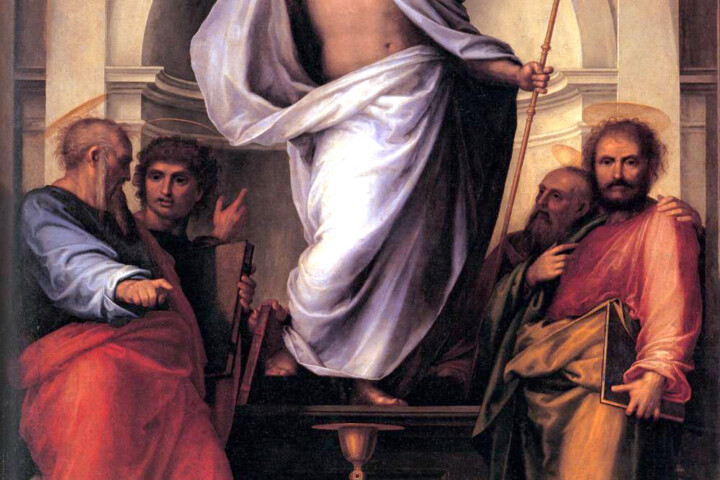
Set your minds on things that are above, not on things that are on earth, for you have died, and your life is hidden with Christ in God. When Christ who is your life is revealed, then you also will be revealed with him in glory (Col. 3:3-4). The Resurrection of Our Lord and Saviour[…]Continue reading→
An Ancient Homily for Holy Saturday
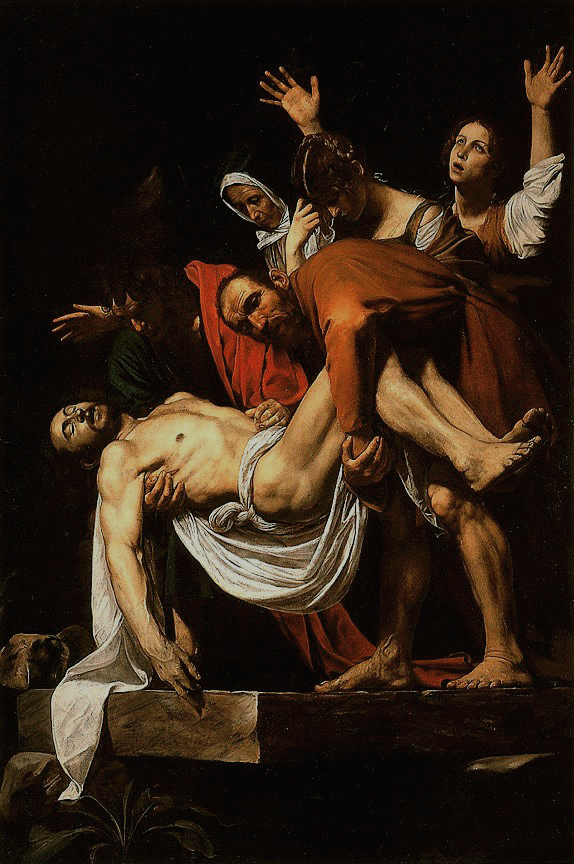
The time between Good Friday and Easter Sunday is one of waiting, in silence, as the world wonders – anticipates – what will happen, after the death of Christ. We re-live this time each year in the anamnesis of our liturgy, and in turn look forward to the glorious re-creation of all things at the[…]Continue reading→
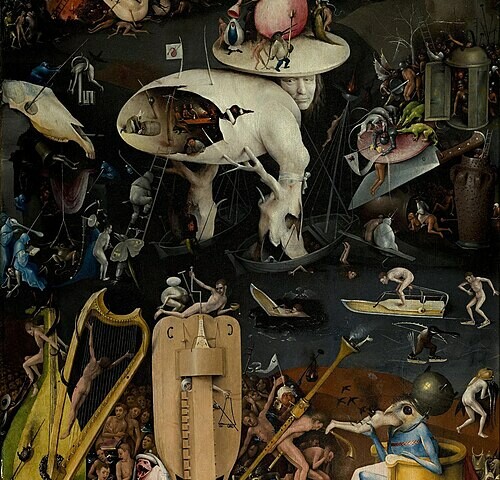
Europe’s Long Descent
(As we meditate on this day on Christ’s burial, and His descent into hell, it is fitting to ponder here with contributor Peter Marcus how the world seems to be heading there as well. The difference is that, although God cannot ‘redeem’ hell, nor those therein, He can and did redeem the world. There is[…]Continue reading→
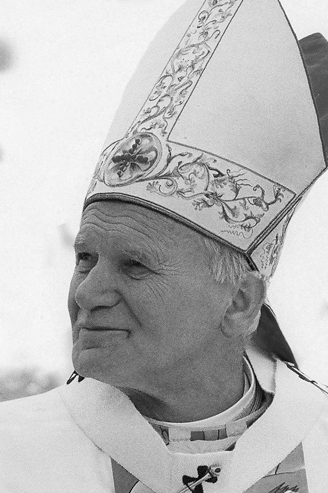
Pope Saint John Paul II’s First Good Friday Homily
ADDRESS OF HIS HOLINESS JOHN PAUL II AT THE CONCLUSION OF THE STATIONS OF THE CROSS AT THE COLOSSEUM Good Friday, 13 April 1979 When we make the Way of the Cross from one station to the next, in spirit we are always at the spot wherethis journey had its “historical” place: where it[…]Continue reading→
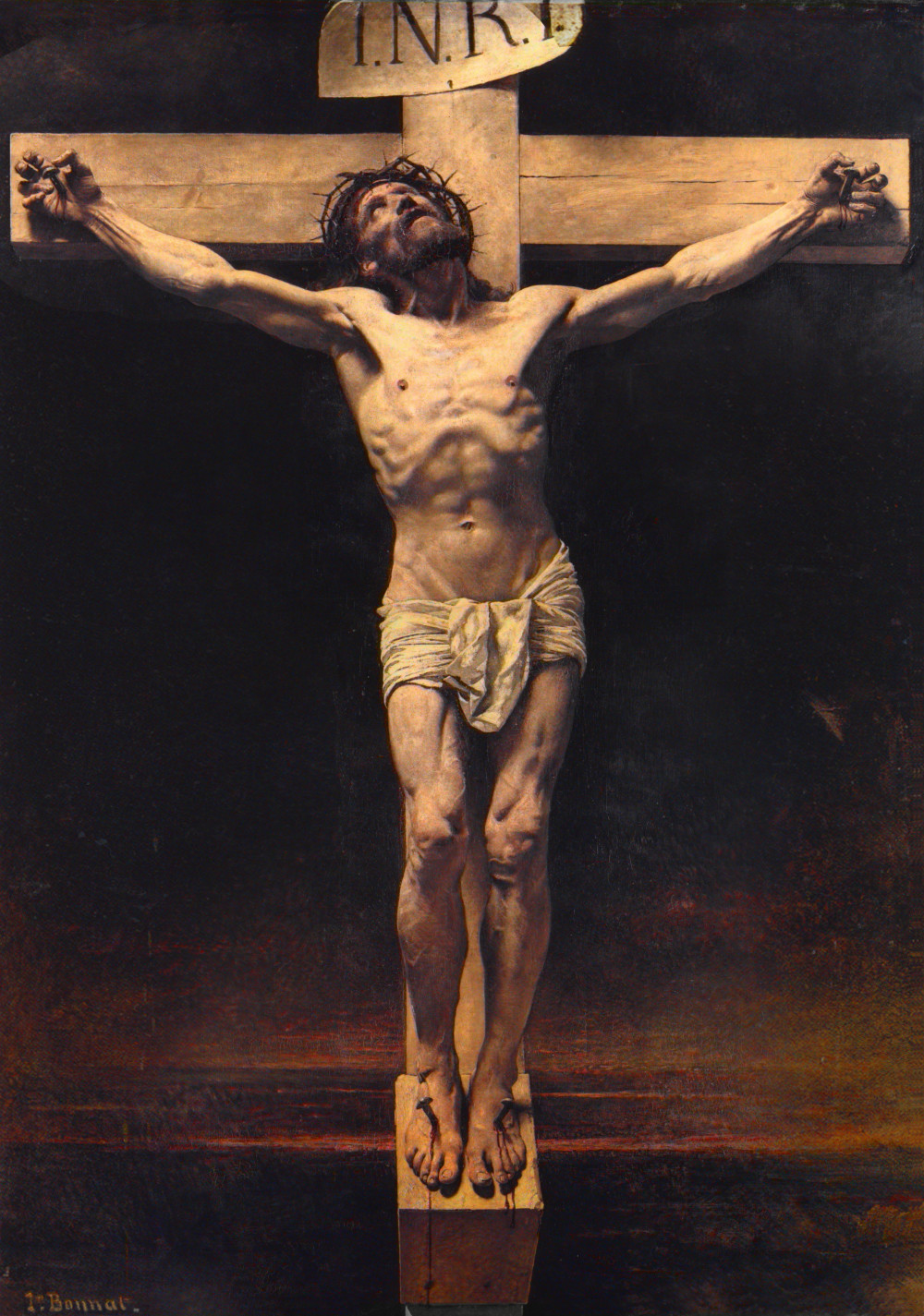
A Meditation for Good Friday: How To Undo the Effects of Sin?
Cardinal Newman, now Saint John Henry Newman, was a towering figure of nineteenth-century Catholicism who is almost universally admired. I say “almost” because not everyone likes him. I knew a priest once, Arthur Caulkins, who has become disenchanted with Newman. As an undergraduate Arthur had been enamoured of Newman, and this interest continued when he[…]Continue reading→
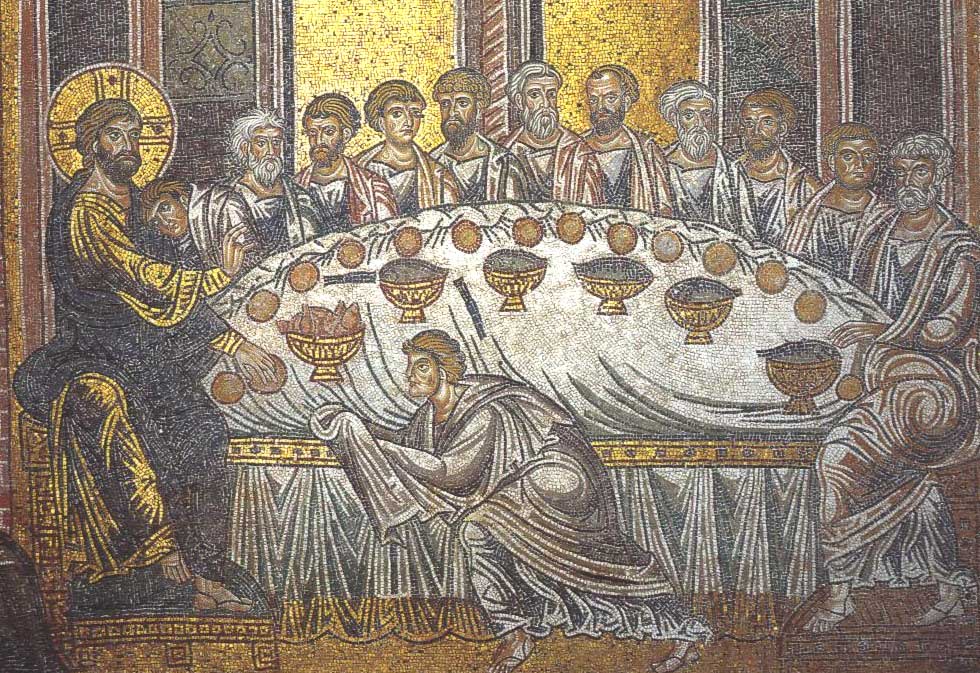
Pope Benedict’s Last Holy Thursday Homily
MASS OF THE LORD’S SUPPER HOMILY OF HIS HOLINESS BENEDICT XVI Basilica of St John Lateran Holy Thursday, 5 April 2012 Photo Gallery (Video) Dear Brothers and Sisters! Holy Thursday is not only the day of the institution of the Most Holy Eucharist, whose splendour bathes all else and in some ways draws it to[…]Continue reading→