
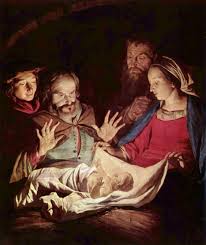
Isaiah, Christmas and Salvation
For a Child has been born for us, a son given to us; authority rests upon his shoulders; he is named Wonderful Counsellor, Mighty God, Everlasting, Prince of Peace (Is. 9:6). ⧾
Today’s celebration of Christmas, the Birth of Our Lord and Saviour Jesus Christ is a fulfillment of these words spoken by the Prophet Isiah. Wonderful Counsellor, Mighty God, Everlasting Prince of Peace. We believe these words to be true, literally so. Our observance of Advent with its reflection on the ancient prophecies concerning the Messiah has prepared us for this Feast which reveals the truth about God. There is only one God…and we learn about him only from Sacred Scripture. It is therefore our duty to become acquainted with what Scripture proclaims and to investigate its teaching thoroughly. We should believe them in the sense that the Father wills, and accepting the teaching he wills to give us.…Sacred Scripture is God’s gift to us and it should be understood in the way that he intends: we should not do violence to it by interpreting it according to our own preconceived ideas (From a treatise against the heresy of Noetus by St. Hippolytus, priest). This is the admonition of one of the earliest teachers of the Church, writing in the third century. We take the word of God at face value and we believe that in the Christ Child in every age God renews His offer of salvation. Are we humble enough to take God at His word or do we approach Him according to our own preconceived ideas?
God desires all men to be saved and to come to the knowledge of the truth (1Tim. 2:4). This saving truth encompasses all of reality: God, man, the world, the entirety of our existence. St. Paul reminds that the grace of God appeared, bringing salvation to all, training us to renounce impiety and worldly passions, and in the present age to live lives that are self-controlled, upright and godly; while we wait for the blessed hope and the manifestation of the glory of our great God and Saviour, Jesus Christ (Tit. 2:11-13). We have in these few verses of Scripture a whole program of life, a purposeful life filled with meaning and joy, a life that benefits others as well as ourselves, a life that yearns for endless life in the embrace of the Most Holy Trinity.
A visual program of life is also right here before us in our Sanctuary, our Holy of Holies which we must approach with great reverence, for God Himself abides here in the Tabernacle where He is truly our Emmanuel, God with us. See before you the Christ Child, Our Saviour, born of the Blessed Virgin Mary. Behind Him is the Altar of Sacrifice; and behind it the Tabernacle, our own Bethlehem, that is, our House of Bread for this is the meaning of Bethlehem. Lastly, you see the Crucifix, the throne of Our Saviour, Who from the Cross continues to draw all people to Himself. Recall His words: ‘And I, when I am lifted up from the earth will draw all men to myself’ (Jn. 12:32). The whole of divine Revelation culminates in the Most Blessed Sacrament of the Altar. This is the mystery that draws us ever more deeply into the Mass, the feast of faith and the school of faith.
God has drawn all of us here as we celebrate the wonder of the Incarnation. To believe that Jesus is the Son of God; that He was born of the Virgin Mary means that we worship and that we model our life on the humility of God. This is the message of the whole of Divine Revelation: The humility of the Creator in becoming incarnate and the humility of the creature in welcoming Him. A straight path is set before us; it is the narrow path of salvation that leads to Heaven. This is the path of devout humility which Our Lord Himself became for us. The Christ Child says to each of us, ‘Truly, I say to you, unless you turn and become like children, you will never enter the kingdom of heaven’ (Mt. 18:3).
The path of salvation is the path of devout humility that takes God at His word. It requires that we be docile in its hearing and in its application to our life here and now. We don’t subject it to our own preconceived ideas, whatever these may be. The Word became flesh and dwelt among us, full of grace and truth; we have beheld his glory, a glory as of the only Son from the Father (Jn. 1:14). So we affirm that there is salvation in no one else, for there is no other name under heaven given among men by which we must be saved (Acts 4:12). The path of salvation is the path of the Ten Commandments, the first of which command us to acknowledge and to adore the living God, including the observance of the Lord’s Day, Sunday. We deceive ourselves and our children most especially if we presume to neglect these commandments. The road of salvation then is closed to us for we have fallen into a dark and lonely pit of human and spiritual misery caused by the illusion of spiritual self-sufficiency, the illusion of radical autonomy proudly and loudly peddled by the world today. It is an illusion that alienates us from God, from others and from ourselves. Our Saviour comes to deliver us from all this and to shed the light of His truth on this land of deep darkness that our nation has become. The people who walked in darkness have seen a great light; those who lived in a land of deep darkness – on them light has shone (Is. 9:2). The path that is set before us is also the path of the Beatitudes, the first of which blesses the poor in spirit, the humble. So Our Lord Himself encourages us: ‘Take my yoke upon you, and learn from me; for I am gentle and humble of heart, and you will find rest for your souls. For my yoke is easy and my burden is light (Mt. 11:29).
The little Child born for us, truly God and truly Man will offer His life on the Altar of the Cross for our salvation. That very same Sacrifice is re-presented for us on the Altar each and every time the Holy Sacrifice of the Mass is celebrated. What we receive with reverence and love, and only if properly disposed; that is in the state of grace is the Sacrament of the Lord’s Passion, the fruit of His Sacrifice. The effect of this Sacrifice in us enables us to renounce impiety and worldly passions, and in the present age to live lives that are self-controlled, upright and godly… [so that we become]…a people of his own who are zealous for good deeds (Cf. Tit. 2:11-14).
All of this is set here before us. The Catholic Sanctuary properly ordered is rightly understood as a place of sacrifice. At every Mass we endeavour to conform ourselves to this Mystery of Love that becomes a living Reality on our Altars. Just as the Altar teaches us what we are, and how we become what God wills us to be, so the Tabernacle speaks to us of God’s abiding presence and truth that endures forever. He is truly Emmanuel, God with us.
On this beautiful Feast of Our Saviour’s Birth, God wills to renew us in His love (Zeph. 3:17); so that Christ may be formed in us (Gal. 4:19). Let us look to Our Lady and St. Joseph as examples to imitate in both welcoming and in serving this Mystery of God become Man; and with them adore the God of Salvation. In a few moments, in the recitation of the Creed, we will kneel in adoration at the wonder of the Incarnation. This we should do every Sunday. Let us banish liturgical minimalism because it has made us weak and confused in the midst of a world filled with dangerous and rebellious preconceived ideas. Let us instead imitate the humility and docility of Our Lady, and make our own her words of welcome, ‘Behold, I am the servant of the Lord’. May this Feast bring you great joy and a renewal of your life in God’s eternal love. In your name and mine, I pray, O God, let us serve the work of salvation following the example of the faith and love of Mary (Blessed Anne Catherine Emmerich). ⧾

Remembering Father Alphonse de Valk
(Today marks the sixth anniversary of the death of Father Alphonse de Valk, C.S.B., a faithful, courageous and indefatigable Basilian priest, pro-life-and-family apostle, and the founder of Catholic Insight magazine. Here is what we wrote those on his entering into eternity five years ago, as we continue to remember him in our prayers and thoughts)[…]Continue reading→

Divine Mercy Sunday – An Echo of Every Mass
Reach out your hand and put it in my side. Do not doubt but believe’… ‘My Lord and my God!’ (Jn. 20:18)). Today is Divine Mercy Sunday, and as we celebrate the end of the Easter Octave, we contemplate the wounded side of our Saviour, the Church’s source of life. On Good Friday in the[…]Continue reading→

Saint Stanislaus of Szczepanów
We celebrate Saint Stanislaus today (+ April 11, 1079), in light of this Easter Octave, a bishop and martyr who accepted the episcopacy only at the direct order of Pope Alexander II. He proved a wise and courageous leader of his flock, put to death by his own king, Boleslaus, for rebuking the monarch’s ‘immoral[…]Continue reading→
First Holy Communion: Sermon from May 16, 1943
Here is a sermon from the good old days by +Rev. Msgr. Vincent Nicholas Foy (August 14, 1915 – March 13, 2017), from 1943. Readers may recall that Pope Saint Pius X, by the decree Quam Singulari in 1910, lowered the customary age of reception of Holy Communion – after the rigours of the plague[…]Continue reading→
In the Glorious Light of Easter, Alleluia!
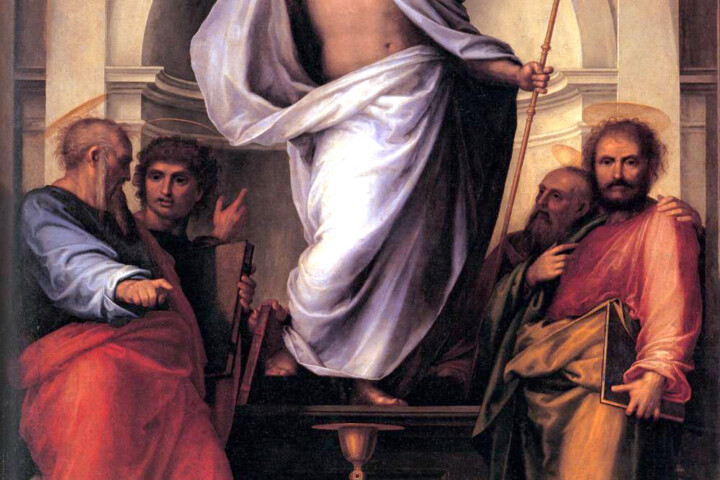
Set your minds on things that are above, not on things that are on earth, for you have died, and your life is hidden with Christ in God. When Christ who is your life is revealed, then you also will be revealed with him in glory (Col. 3:3-4). The Resurrection of Our Lord and Saviour[…]Continue reading→
An Ancient Homily for Holy Saturday
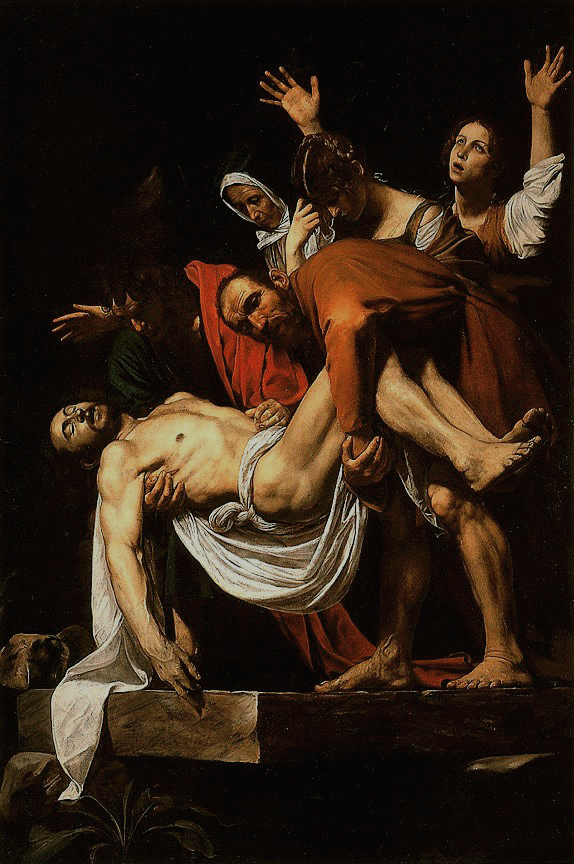
The time between Good Friday and Easter Sunday is one of waiting, in silence, as the world wonders – anticipates – what will happen, after the death of Christ. We re-live this time each year in the anamnesis of our liturgy, and in turn look forward to the glorious re-creation of all things at the[…]Continue reading→
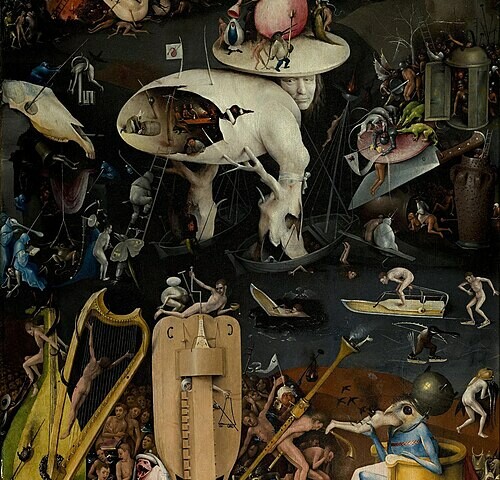
Europe’s Long Descent
(As we meditate on this day on Christ’s burial, and His descent into hell, it is fitting to ponder here with contributor Peter Marcus how the world seems to be heading there as well. The difference is that, although God cannot ‘redeem’ hell, nor those therein, He can and did redeem the world. There is[…]Continue reading→
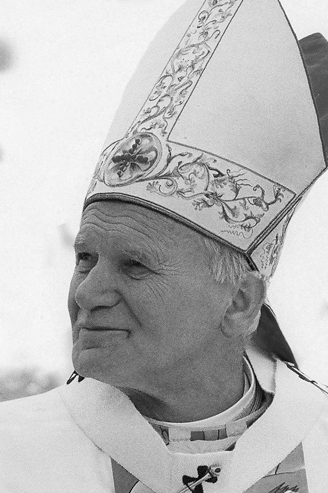
Pope Saint John Paul II’s First Good Friday Homily
ADDRESS OF HIS HOLINESS JOHN PAUL II AT THE CONCLUSION OF THE STATIONS OF THE CROSS AT THE COLOSSEUM Good Friday, 13 April 1979 When we make the Way of the Cross from one station to the next, in spirit we are always at the spot wherethis journey had its “historical” place: where it[…]Continue reading→
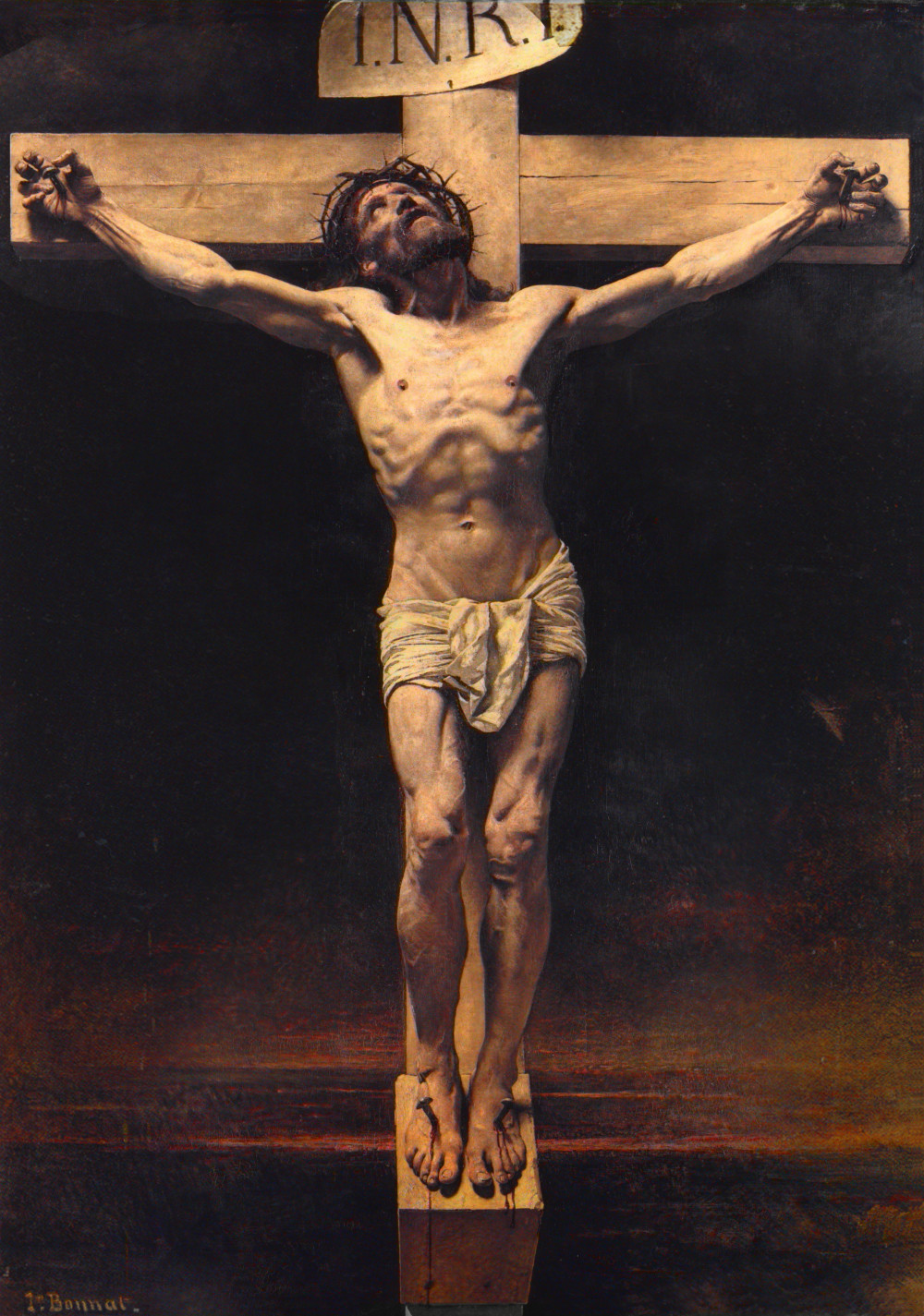
A Meditation for Good Friday: How To Undo the Effects of Sin?
Cardinal Newman, now Saint John Henry Newman, was a towering figure of nineteenth-century Catholicism who is almost universally admired. I say “almost” because not everyone likes him. I knew a priest once, Arthur Caulkins, who has become disenchanted with Newman. As an undergraduate Arthur had been enamoured of Newman, and this interest continued when he[…]Continue reading→
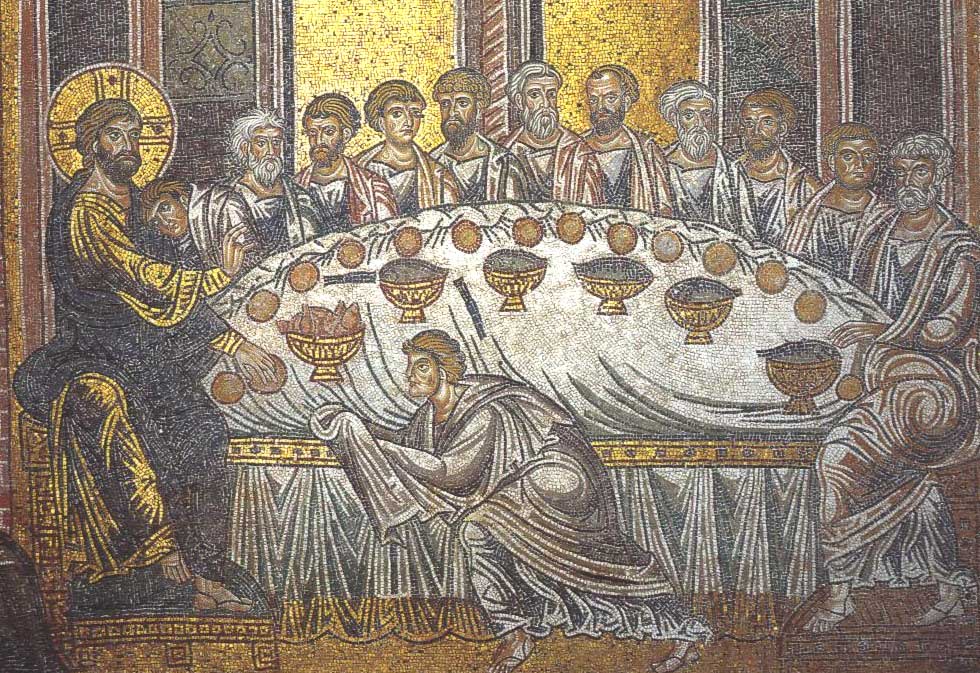
Pope Benedict’s Last Holy Thursday Homily
MASS OF THE LORD’S SUPPER HOMILY OF HIS HOLINESS BENEDICT XVI Basilica of St John Lateran Holy Thursday, 5 April 2012 Photo Gallery (Video) Dear Brothers and Sisters! Holy Thursday is not only the day of the institution of the Most Holy Eucharist, whose splendour bathes all else and in some ways draws it to[…]Continue reading→