

From the Desert
Nevertheless, God was not pleased with most of them, and they were struck down in the wilderness (1 Cor. 10:5).
These sobering words from our epistle reading describe the fate of most of the Jewish people who had been saved from slavery in Egypt. Our first reading taken from the book of Exodus, records the revelation received by Moses on Mount Horeb; and the mission entrusted to him to make known the truth about God and the promise of salvation first for Israel bound in Egypt, and in the fullness of time, for all the nations of the earth. ‘This is my name forever and this my memorial for all generations’ (Ex. 3:15). What was entrusted to Moses, namely, the truth of God has now been entrusted to the Church. To understand what this means and to avert the punishment of God – yes, God does punish, we must understand what this truth is and what this truth implies, lest it be said of us in our time that God was not pleased with most of them, and they were struck down in the wilderness. These words are sobering indeed. The story of Moses is set within the context of the Jewish people’s captivity in Egypt. This experience was formative for them; so much so, that they were known as Hebrews, a word derived from the Egyptian word for slave, hubaru. It was in this time of tribulation that the LORD God chose to reveal Himself. God said to Moses, ‘I AM WHO I AM.’ He said further, ‘Thus shall you say to the children of Israel, ‘I AM has sent me to you… This is my name forever and this my memorial for all generations (Ex. 3:14-15) This last phrase is perhaps more clearly rendered in these words: ‘This is my name for ever, and thus I am to be remembered throughout all generations’ (R.S.V.). The God who reveals Himself is a God of Life and the origin of everything that exists. Again, a clearer way of rendering God’s revelation of His name to Moses is this: I am the One who brings into being whatever comes into being. We affirm this truth in the first article of the Creed: I believe in God the Father almighty, maker of heaven and earth, of all things visible and invisible. Life, all life, has its origin in God and to Him we owe our existence. After their deliverance, when in the wilderness they rebelled against God and worshipped an idol of their making, among other things, they denied the agent of their salvation and newfound freedom. They denied the God who in a sense, out of their bondage had created them anew and had given them a new life. They who had received the revelation of the truth about God and by consequence, the truth about man had in the words of St Paul, exchanged the glory of the immortal God for images resembling mortal man or birds or animals or reptiles (Rom. 1:23). Rejection of the truth of God is not without consequence and not without punishment. Nevertheless, God was not pleased with most of them, and they were struck down in the wilderness. Now these things occurred as examples for us, so that we might not desire evil as they did (1 Cor. 10:6). These are very sobering words because it is possible for us also to fall away and to deny both our natural and supernatural origin in God. Such denials are never without consequence; and perhaps this is why the first psalm that is recited in the official prayer of the Church, the Divine Office is Psalm 95: Today, listen to the voice of the Lord: Do not grow stubborn, as your fathers did in the wilderness, when at Meriba and Massah they challenged me and provoked me, Although they had seen all of my works. Forty years I endured that generation…‘They shall not enter into my rest.’
This psalm, known as the Invitatory Psalm because it is a daily invitation to prayer exhorts us to be humble and docile before the God who made us: Come, then, let us bow down and worship, bending the knee before the Lord, our maker. In some monasteries, where the Divine Office is chanted, at these words, in what is a very impressive sight, the nuns or monks make a profound bow; an act of both humility and docility. So much more could be said about the implications of these truths but given our time constraints, let it suffice for us to ask ourselves whether we are docile, that is ready to receive instruction from God. Are we sufficiently humble to take His word of truth at face value? Indocility before the truth of God is always the source of human misery.
Increasingly, throughout the world – and our nation is no exception – the Church experiences persecution because we dare to uphold the truth that God is the One who brings into being whatever comes into being. How can the numerous violations against the sanctity of life committed by once-Christian nations and peoples possibly remain unpunished? The instability of our times, the confusion and the increasingly bizarre attempts to manipulate and redefine the meaning and purpose of human life all have their origin in the refusal to recognise our origin and destiny in God; the One who brings into being whatever comes into being.
After their deliverance from Egypt, through the Prophets, gradually and progressively, God revealed the full implications of this revelation, and in Jesus, Our Saviour, God has revealed that He desires all people to be saved and come to the knowledge of the truth. Where the Gospel of salvation is preached in its entirety and similarly received, life improves and human life is protected, defended and fostered.
Human life is sacred. The Church bears witness to this undeniable truth as a light to the nations (Cf. Is. 49:6); and we must be willing to suffer for this truth. May our Lenten discipline strengthen us to uphold and defend the dignity and inviolability of human life and the truth of its origin in the God of salvation.

Saint Kateri , Canada’s Protectress
This was the title given to Saint Kateri Tekakwitha, by Pope Benedict XVI, when he canonized her on October 28th, 2012, along with six others, in Saint Peter’ Square (she had been beatified by Pope John Paul II back in 1980). With Saint Joseph as our protector, along with the Canadian martyrs, we seem to[…]Continue reading→
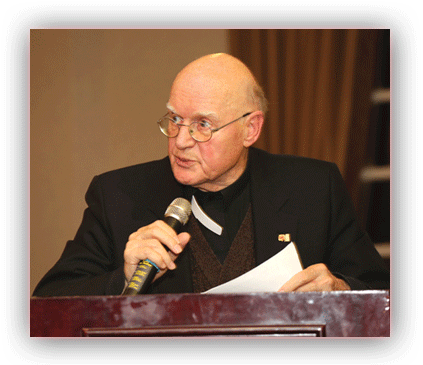
Remembering Father Alphonse de Valk
(Today marks the sixth anniversary of the death of Father Alphonse de Valk, C.S.B., a faithful, courageous and indefatigable Basilian priest, pro-life-and-family apostle, and the founder of Catholic Insight magazine. Here is what we wrote those on his entering into eternity five years ago, as we continue to remember him in our prayers and thoughts)[…]Continue reading→

My Name is Bernadette
April 16th is a propitious day, for besides the anniversary of Father de Valk’s death, who founded Catholic Insight in its print form decades ago, and the commemoration of the ‘two Benedicts’, mentioned in accompanying posts, today we also recall Saint Bernadette Soubirous, the young visionary to whom the Virgin Mary appeared numerous times at[…]Continue reading→
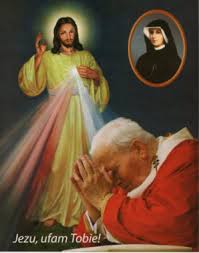
Canonizing Sister Faustina and Divine Mercy
HOMILY OF THE HOLY FATHER MASS IN ST PETER’S SQUARE FOR THE CANONIZATION OF SR MARY FAUSTINA KOWALSKA Sunday, 30 April 2000 1. “Confitemini Domino quoniam bonus, quoniam in saeculum misericordia eius”; “Give thanks to the Lord for he is good; his steadfast love endures for ever” (Ps 118: 1). So the Church sings on the Octave of[…]Continue reading→
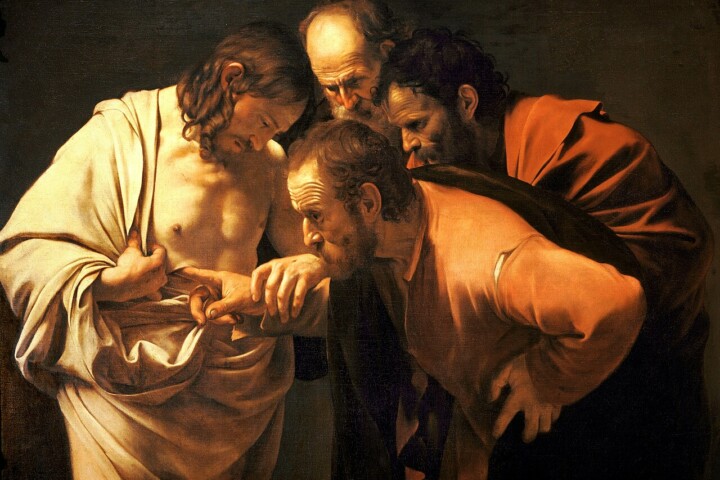
Divine Mercy Sunday – An Echo of Every Mass
Reach out your hand and put it in my side. Do not doubt but believe’… ‘My Lord and my God!’ (Jn. 20:18)). Today is Divine Mercy Sunday, and as we celebrate the end of the Easter Octave, we contemplate the wounded side of our Saviour, the Church’s source of life. On Good Friday in the[…]Continue reading→

Saint Stanislaus of Szczepanów
We celebrate Saint Stanislaus today (+ April 11, 1079), in light of this Easter Octave, a bishop and martyr who accepted the episcopacy only at the direct order of Pope Alexander II. He proved a wise and courageous leader of his flock, put to death by his own king, Boleslaus, for rebuking the monarch’s ‘immoral[…]Continue reading→
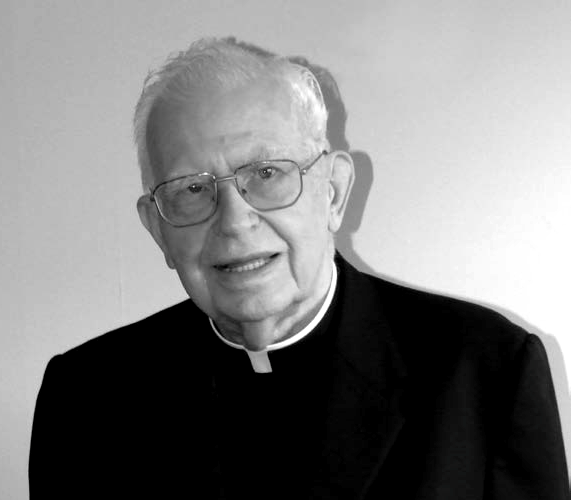
First Holy Communion: Sermon from May 16, 1943
Here is a sermon from the good old days by +Rev. Msgr. Vincent Nicholas Foy (August 14, 1915 – March 13, 2017), from 1943. Readers may recall that Pope Saint Pius X, by the decree Quam Singulari in 1910, lowered the customary age of reception of Holy Communion – after the rigours of the plague[…]Continue reading→
In the Glorious Light of Easter, Alleluia!
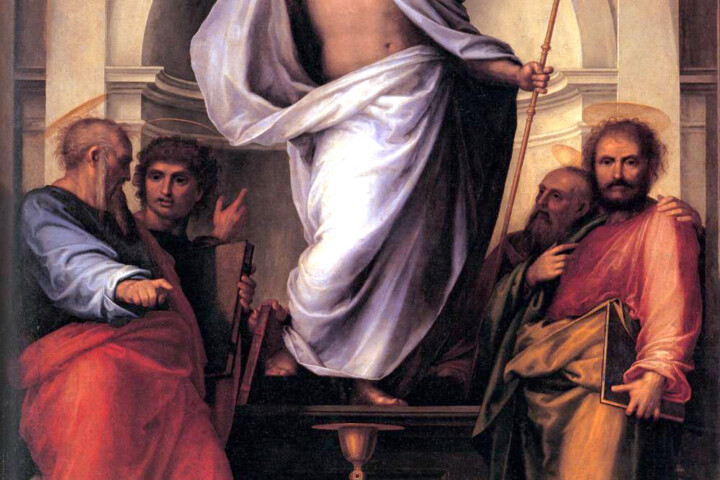
Set your minds on things that are above, not on things that are on earth, for you have died, and your life is hidden with Christ in God. When Christ who is your life is revealed, then you also will be revealed with him in glory (Col. 3:3-4). The Resurrection of Our Lord and Saviour[…]Continue reading→
An Ancient Homily for Holy Saturday
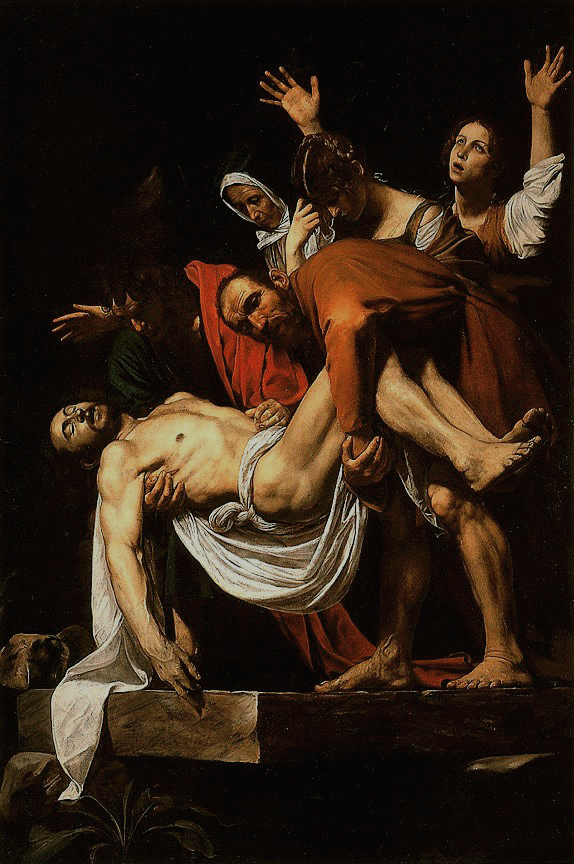
The time between Good Friday and Easter Sunday is one of waiting, in silence, as the world wonders – anticipates – what will happen, after the death of Christ. We re-live this time each year in the anamnesis of our liturgy, and in turn look forward to the glorious re-creation of all things at the[…]Continue reading→
Europe’s Long Descent
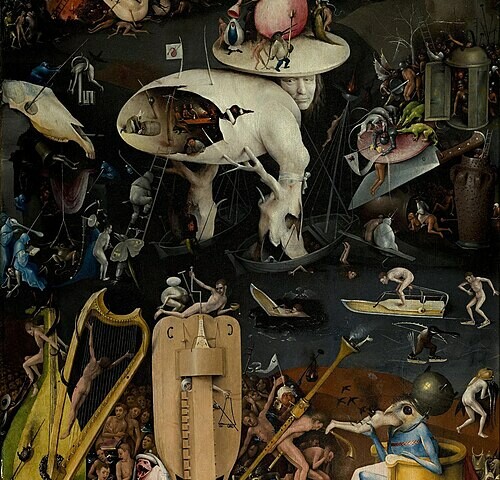
(As we meditate on this day on Christ’s burial, and His descent into hell, it is fitting to ponder here with contributor Peter Marcus how the world seems to be heading there as well. The difference is that, although God cannot ‘redeem’ hell, nor those therein, He can and did redeem the world. There is[…]Continue reading→